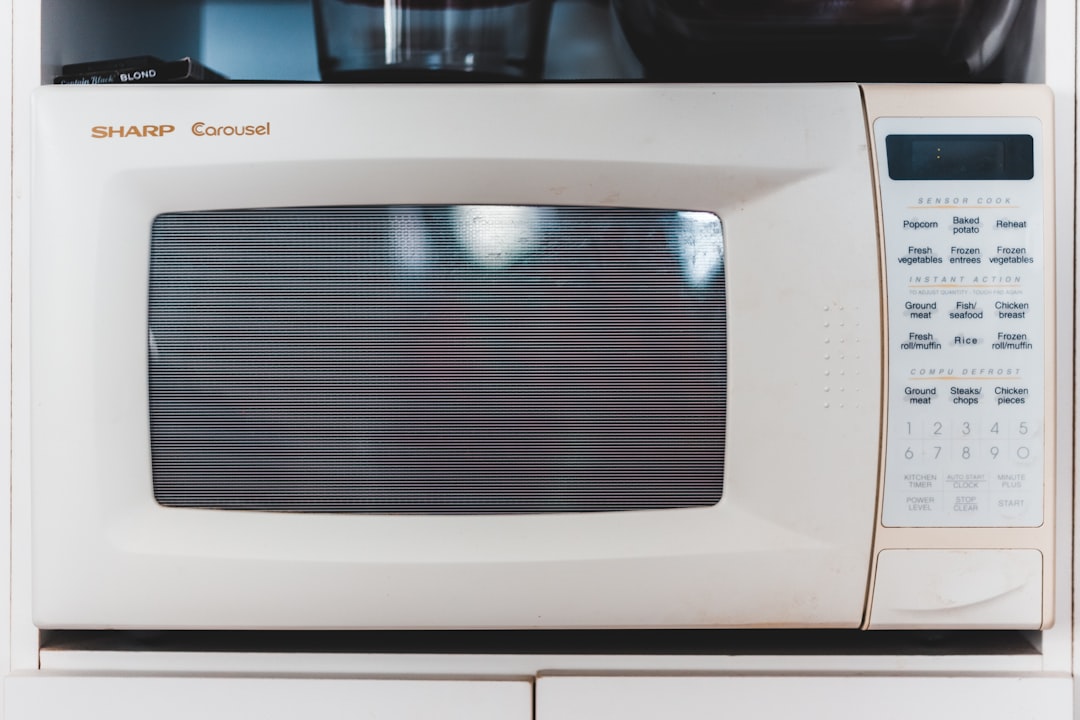
You’re likely surrounded by technology that relies on a fundamental, yet often misunderstood, scientific principle: microwave dielectric heating. It’s the magic behind rapidly heating your leftovers, sterilizing medical equipment, and even powering advanced manufacturing processes. But how does it actually work? You might think of microwaves as little zappers, but the reality is far more nuanced and elegant. This article will guide you through the fascinating world of microwave dielectric heating, demystifying the science behind this ubiquitous technology and empowering you with a deeper understanding of its capabilities.
To grasp microwave dielectric heating, you first need to understand the electromagnetic spectrum. Think of it as a vast highway of energy waves, each with a different wavelength and frequency. Radio waves, visible light, X-rays – they all exist on this spectrum. Microwaves occupy a specific band within this spectrum, typically ranging from about 300 MHz to 300 GHz. Your kitchen microwave oven operates at a frequency of 2.45 GHz, a carefully chosen point that balances penetration depth with efficient energy transfer.
Wavelength vs. Frequency: The Inverse Relationship
The relationship between wavelength and frequency is inversely proportional. A shorter wavelength corresponds to a higher frequency, and vice versa. Imagine waves on a pond: shorter, choppier waves have a higher frequency than long, rolling swells. In the case of microwaves, this specific frequency is crucial for interacting with the molecules within the material you’re heating.
The Microwave Window: Why 2.45 GHz?
The choice of 2.45 GHz for microwave ovens isn’t arbitrary. This frequency falls within what’s known as the “microwave window” – a range of frequencies that are largely transparent to atmospheric gases, meaning they don’t get absorbed or scattered significantly by the air. This allows the microwaves to effectively reach your food. Furthermore, this frequency is particularly effective at exciting water molecules, a major component of most food items.
Other Applications and Frequencies
While 2.45 GHz is common for domestic use, other applications utilize different microwave frequencies. For instance, radar systems operate at various microwave frequencies for detecting objects. In industrial heating applications, frequencies like 915 MHz are often employed, offering deeper penetration into materials. Understanding these variations helps you appreciate the versatility of microwave technology.
Microwave dielectric heating is an intriguing process that utilizes microwaves to heat materials, primarily in cooking and industrial applications. For a more in-depth understanding of this phenomenon and its practical uses, you can check out a related article that breaks down the science behind microwave heating in a simple and accessible way. To learn more, visit Freaky Science.
The Heart of the Matter: Dielectric Heating Explained
Now, let’s dive into the core concept: dielectric heating. This is the process by which materials absorb microwave energy and convert it into heat. It’s not about “cooking” from the outside in, as is often mistakenly believed. Instead, it’s about internal molecular friction.
Dielectric Properties: How Materials Respond
Every material has dielectric properties, which describe how it interacts with an electric field. When microwaves, which are oscillating electromagnetic fields, encounter a material, they induce these fields within it. The way a material responds to these induced fields determines how effectively it will heat.
Dielectric Constant (ε’)
The dielectric constant, often denoted by ε’, is a measure of how well a material can store electrical energy when subjected to an electric field. A higher dielectric constant means the material can store more energy, which can then contribute to heating. Think of it as the material’s capacity to be polarized by the microwave field.
Dielectric Loss Factor (ε”)
The dielectric loss factor, denoted by ε”, is the crucial component for heating. It represents the amount of energy lost by the material when subjected to an oscillating electric field. This lost energy is converted directly into heat. A higher dielectric loss factor indicates a more efficient absorber of microwave energy. This is why water, with its high dielectric loss factor at microwave frequencies, heats up so readily.
Molecular Polarization: The Driving Force
The key to dielectric heating lies in molecular polarization. Many molecules, especially polar molecules like water, have a positive and a negative end, much like tiny magnets. When microwaves pass through a material, their oscillating electric field exerts a force on these charged ends, causing the molecules to rotate and align themselves with the field.
Dipole Rotation
As the microwave field rapidly oscillates (billions of times per second at 2.45 GHz), the polar molecules try to keep up, constantly flipping back and forth. This rapid rotation causes friction between the molecules, and this friction is what generates heat. Imagine billions of tiny gears spinning against each other – the friction between them produces heat.
Ionic Polarization
In materials containing ions (charged atoms or molecules), the oscillating electric field can also cause these ions to migrate back and forth. This movement of charged particles also generates friction and contributes to heating. This mechanism is particularly important in ionic solutions and some solid materials.
Not All Materials Heat Equally
It’s essential to understand that not all materials absorb microwave energy equally.
High Dielectric Loss Materials: The Eager Heaters
Materials like water, fats, and sugars have high dielectric loss factors at microwave frequencies. They readily absorb microwave energy and convert it into heat. This is why foods rich in these components heat up quickly.
Low Dielectric Loss Materials: The Microwave-Resistant
Materials with low dielectric loss factors, such as ceramics and glass (unless they contain impurities that absorb microwaves), are relatively transparent to microwave energy. They don’t heat up significantly on their own and are often used as containers in microwave ovens.
Conductive Materials: The Reflectors
Metals, being excellent electrical conductors, behave very differently. They reflect microwaves rather than absorbing them. This is why you should never put metal in a microwave oven – it can cause arcing and damage the appliance. The reflected microwaves can also lead to uneven heating or prevent the material behind the metal from heating at all.
Microwave Heating Mechanisms: Beyond Simple Friction
While dipole rotation and ionic polarization are the primary mechanisms, other factors can contribute to microwave heating, especially in complex materials like food.
Ohmic Heating: A Conduction-Based Phenomenon
In some conductive materials, particularly those with dissolved ions (like salty solutions), an electric current can be induced by the microwave field. The resistance of the material to this induced current causes it to heat up, similar to how a resistive heating element works. This is known as Ohmic heating.
The Role of Ions
The presence of mobile ions is key to Ohmic heating. They act as charge carriers, allowing for the flow of induced current. The higher the concentration of ions, the greater the conductivity and the more significant the Ohmic heating effect.
Influence on Food Heating
In food, particularly processed foods or those with added salt, Ohmic heating can play a significant role in the overall heating process, complementing dielectric heating.
Thermal Conduction and Convection: Secondary Heat Transfer
Once the material begins to heat internally due to dielectric or Ohmic mechanisms, heat will then transfer through the material via conduction and convection.
Conduction: Heat Flow Through Direct Contact
Conduction is the transfer of heat through direct contact between molecules. Heat generated in the interior of the material will spread outwards to cooler regions. This process is slower than direct microwave absorption.
Convection: Heat Transfer Through Fluid Movement
If the material is a liquid or contains pockets of gas, convection can also contribute to heat transfer. As the material heats up, it becomes less dense and rises, while cooler, denser material sinks, creating a circulation pattern that distributes heat.
Understanding Penetration Depth: Reaching the Core
Microwave energy doesn’t penetrate infinitely into a material. The penetration depth refers to the distance at which the microwave intensity is reduced to about 37% of its initial value. This depth varies depending on the material’s dielectric properties and the microwave frequency.
Factors Affecting Penetration
- Dielectric Loss Factor: Materials with higher dielectric loss factors absorb microwaves more strongly, leading to shallower penetration depths.
- Frequency: Lower microwave frequencies generally penetrate deeper than higher frequencies.
- Temperature: As materials heat up, their dielectric properties can change, affecting penetration depth.
Implications for Heating
A shallow penetration depth means that if a material is very thick, the center may not receive as much direct microwave energy and will rely more on conduction from the outer layers. This can lead to uneven heating if not managed properly.
Factors Influencing Microwave Heating Efficiency
Several factors dictate how efficiently a material heats in a microwave field. Understanding these variables allows you to optimize the process for various applications.
Material Composition: The Key Determinant
As we’ve discussed, the dielectric properties of a material are paramount.
Water Content
High water content is the most significant factor for efficient microwave heating in many organic materials, especially food. Water molecules are highly polar and have a substantial dielectric loss factor at microwave frequencies.
Fat and Sugar Content
Fats and sugars also contribute to microwave heating, though generally to a lesser extent than water. They have different dielectric properties that result in heat generation.
Ionic Content
The presence of dissolved salts and ions can significantly enhance heating through Ohmic mechanisms.
Microwave Power and Frequency
The power output of the microwave source directly impacts the rate of heating. Higher power means more energy is delivered per unit time.
Power Settings on Your Oven
The power settings on your kitchen microwave (e.g., 50%, 70%, 100%) don’t necessarily reduce the microwave frequency; instead, they typically involve cycling the magnetron (the component that generates microwaves) on and off. This intermittent delivery of power results in a lower average power output.
Frequency Optimization
As mentioned, different frequencies are suited for different applications. Choosing the appropriate frequency can optimize penetration and heating efficiency for a specific material.
Material Geometry and Shape
The shape and dimensions of the material being heated can influence how evenly the microwaves are distributed and absorbed.
Surface Area to Volume Ratio
Materials with a higher surface area to volume ratio tend to heat more quickly because a larger proportion of the material is exposed to the direct microwave field.
Dielectric Boundaries
Sharp edges or corners can lead to localized concentrations of microwave energy, potentially causing “hot spots.” Conversely, smooth, uniform shapes generally lead to more even heating.
Presence of Other Materials
The surrounding environment can also affect microwave heating.
Container Material
The container holding the material plays a crucial role. Microwave-transparent containers (glass, ceramic, certain plastics) allow microwaves to reach the food. Microwave-opaque materials (metal) reflect microwaves.
Surrounding Medium
If the material is immersed in another medium, the dielectric properties of that medium will also influence how the microwaves are distributed and absorbed.
Microwave dielectric heating is a fascinating process that utilizes electromagnetic waves to heat materials, and if you’re curious to learn more about its principles and applications, you can check out this related article. This method is widely used in various industries, from food processing to materials science, due to its efficiency and speed. Understanding the basics of how microwaves interact with different substances can provide valuable insights into its practical uses. For a deeper dive into this topic, you can read more in this related article.
Practical Applications of Microwave Dielectric Heating
| Dielectric Material | Dielectric Constant | Loss Tangent |
|---|---|---|
| Water | 78.5 | 0.1 |
| Food | 2-10 | 0.01-0.1 |
| Ceramic | 5-100 | 0.001-0.1 |
The understanding of microwave dielectric heating has led to a vast array of practical applications across numerous industries. You encounter many of these daily, while others might be more specialized.
Domestic Cooking and Reheating
This is perhaps the most familiar application. Your kitchen microwave oven utilizes dielectric heating to rapidly warm and cook food. The efficient absorption of energy by water molecules is what makes it so effective for everyday use.
Speed and Convenience
The primary benefit for consumers is the speed and convenience it offers. Meals can be heated in minutes, saving time and energy compared to conventional ovens.
Nutrient Retention
In some cases, the rapid cooking times associated with microwave heating can lead to better retention of certain nutrients compared to longer cooking methods that involve higher temperatures for extended periods.
Industrial Drying and Curing
Microwave energy is extensively used for drying various materials, from food products to pharmaceuticals and textiles. It offers a fast and efficient way to remove moisture.
Uniform Drying
Microwave drying can achieve more uniform drying compared to conventional hot air drying, as the heat is generated internally throughout the material.
Energy Efficiency
For specific applications, microwave drying can be more energy-efficient than conventional methods, especially when dealing with materials that have good microwave absorption properties.
Food Processing and Pasteurization
Beyond home cooking, microwaves are used in industrial food processing for pasteurization, sterilization, and cooking of a wide range of products.
Rapid Pasteurization
Microwave pasteurization can be achieved at lower temperatures and shorter times than traditional methods, potentially preserving more of the food’s quality.
Enhancing Textures and Flavors
In some cases, controlled microwave heating can be used to improve the texture and develop desirable flavors in food products.
Medical Applications
The precise heating capabilities of microwaves make them valuable in the medical field.
Sterilization
Microwave sterilization is used for medical instruments and equipment, offering a fast and effective method.
Hyperthermia Treatment
Microwaves can be used to selectively heat cancerous tumors, a technique known as hyperthermia, which can enhance the effectiveness of radiation therapy or chemotherapy.
Medical Device Manufacturing
Microwave curing of adhesives and composites is employed in the manufacturing of various medical devices.
Scientific Research and Laboratory Use
In research settings, microwave dielectric heating is used for a variety of purposes.
Chemical Synthesis
Microwave-assisted organic synthesis has become a powerful tool, enabling faster reaction times, higher yields, and cleaner reaction pathways.
Material Science Research
Microwaves are used to study the dielectric properties of materials and to develop new materials with specific microwave interactions.
Analytical Chemistry
Microwave digestion is a common technique for sample preparation in analytical chemistry, where samples are rapidly heated and dissolved in acid for subsequent analysis.
Troubleshooting and Maximizing Your Microwave Experience
Even with a basic understanding, you can improve your microwave usage by considering how dielectric heating principles apply.
Dealing with Uneven Heating
You’ve likely experienced this: one part of your food is piping hot, while another is still cool. This is a common challenge due to the nature of microwave heating.
Stirring and Rotating
Regularly stirring or rotating your food during the heating process is crucial. This helps to redistribute the heat and ensures that all parts of the food are exposed to the microwave field more evenly.
Arranging Food Strategically
When heating multiple items, arrange them so that thicker or denser parts are towards the outside of the turntable, where they might receive more direct microwave energy.
Using Microwave-Safe Covers
Covers can help trap steam, which aids in cooking and can promote more even heating. Ensure the cover is vented to prevent pressure buildup.
Preventing Overheating and Drying Out
The rapid heating power of microwaves can sometimes lead to food becoming dry or overcooked.
Using Lower Power Settings
For delicate items or when you need more control, using lower power settings (e.g., 50% or 70%) allows for a gentler heating process. This gives the heat more time to conduct through the food.
Adding Moisture
If you’re heating something prone to drying out, consider adding a small amount of water, broth, or sauce. This extra moisture will absorb microwave energy and help to keep the food moist.
Shorter Heating Intervals
Instead of heating for a long continuous period, opt for shorter intervals, checking the food in between. This allows you to monitor the heating progress and stop before it overcooks.
Material Considerations for Microwave Use
Knowing what can and cannot go into your microwave is fundamental for safety and effectiveness.
What’s Safe:
- Glass: Most heat-resistant glass dishes are microwave-safe.
- Ceramics: Glazed ceramic dishes are generally safe, but check for any metallic trim.
- Microwave-Safe Plastics: Look for the microwave-safe symbol. These plastics are designed not to melt or leach chemicals into food.
- Paper: Plain white paper plates and towels are usually safe for short reheating periods, but avoid those with wax coatings or recycled paper that may contain metal flecks.
What’s NOT Safe:
- Metal: As discussed, metal reflects microwaves and can cause arcing and damage. This includes aluminum foil, metal-rimmed dishes, and utensils.
- Styrofoam: Some Styrofoam containers can melt or warp in the microwave, potentially releasing harmful chemicals.
- Certain Plastics: Non-microwave-safe plastics can melt, deform, and leach chemicals into your food.
- Brown Paper Bags: These can ignite due to their composition and any ink or adhesive they contain.
- Sealed Containers: Heating sealed containers can lead to a pressure buildup and potential explosion. Always vent or slightly open lids.
By understanding the principles of microwave dielectric heating, you move from simply using a kitchen appliance to appreciating the sophisticated physics at play. This knowledge empowers you to use your microwave more effectively, safely, and with a greater understanding of the technology that shapes so many aspects of your modern life. The next time you heat your coffee or prepare a meal, you’ll know it’s not just magic, but the elegant dance of electromagnetic waves interacting with molecules.

A Fork and a Spoon React Differently in a Microwave. Why?
FAQs
What is microwave dielectric heating?
Microwave dielectric heating is a process in which materials are heated by exposing them to electromagnetic radiation in the microwave frequency range. This causes the molecules within the material to rotate and generate heat.
How does microwave dielectric heating work?
Microwave dielectric heating works by exposing the material to microwave radiation, which causes the polar molecules within the material to align with the alternating electric field of the microwaves. This rapid reorientation of the molecules generates heat within the material.
What are the advantages of microwave dielectric heating?
Some advantages of microwave dielectric heating include faster and more uniform heating, reduced processing time, energy efficiency, and the ability to heat non-metallic materials such as ceramics, plastics, and food products.
What are the applications of microwave dielectric heating?
Microwave dielectric heating is used in various industrial processes such as drying, sintering, vulcanization, and food processing. It is also used in microwave ovens for cooking and heating food.
Are there any safety concerns associated with microwave dielectric heating?
While microwave dielectric heating is generally considered safe, it is important to follow proper safety precautions when working with microwave radiation. This includes using appropriate shielding, avoiding direct exposure to microwaves, and following manufacturer’s guidelines for equipment usage.