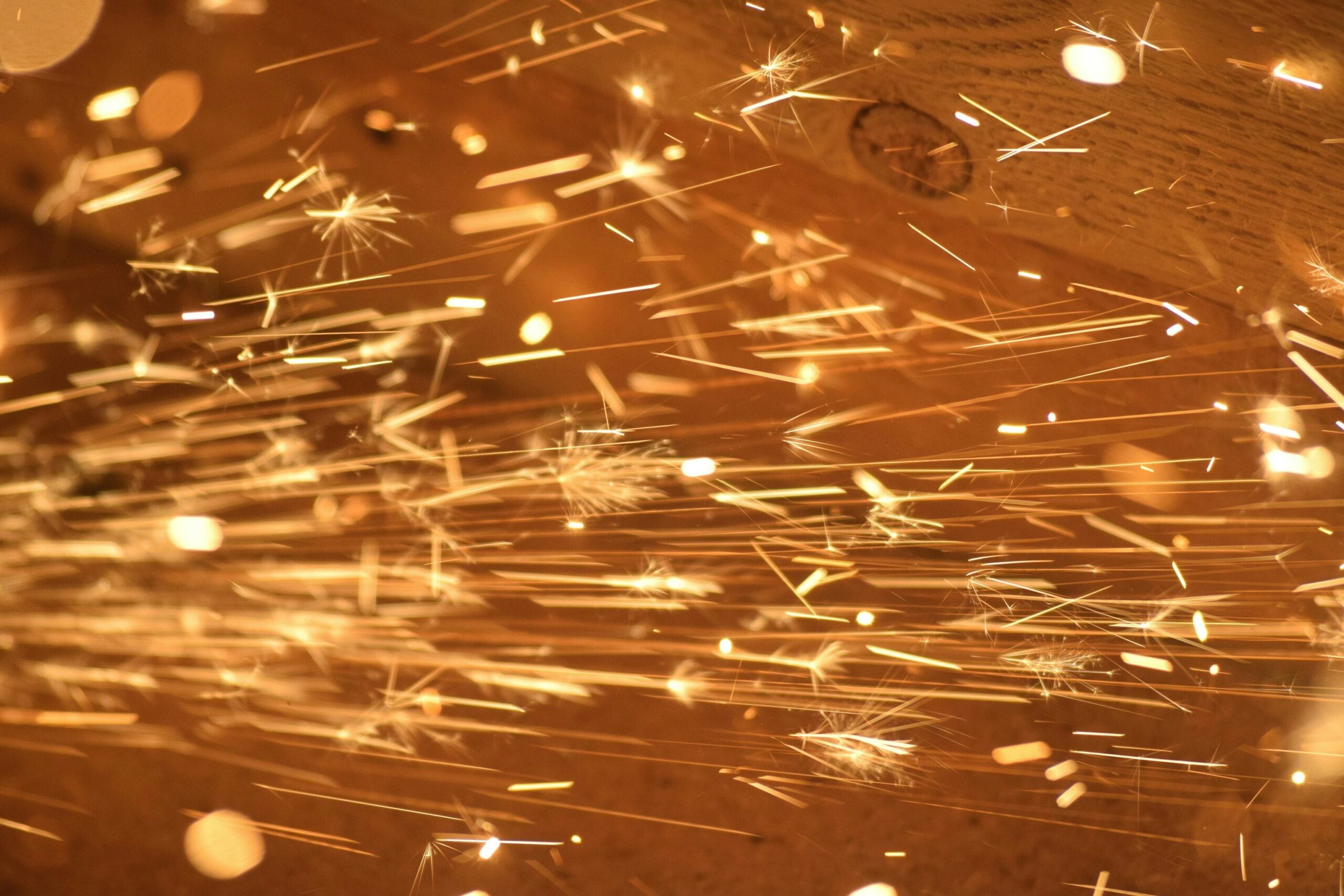
You’ve probably done it, or at least heard the stories. You’re heating up some leftovers, maybe a hastily assembled snack, and you absentmindedly leave a fork in the dish. Then, it happens. A crackling, spitting sound, a blinding flash of light – a miniature lightning storm erupting from your fork tines within the confines of your microwave. It’s a dramatic, even slightly alarming, event, and you might wonder what exactly is going on. You’ve stumbled upon the fascinating, and somewhat mischievous, science of microwave sparks.
Before we dive into the fiery spectacle of fork tines, it’s crucial to understand the fundamental principles of how your microwave oven works. This culinary marvel isn’t some arcane culinary magic; it’s rooted in physics, specifically the interaction of electromagnetic radiation with matter. Your microwave oven is essentially a sealed metal box, a Faraday cage, designed to contain electromagnetic waves. The heart of this operation is the magnetron, a vacuum tube that generates microwaves. These microwaves are a form of electromagnetic radiation, similar to radio waves and visible light, but with a specific frequency – typically around 2.45 gigahertz (GHz).
The Electromagnetic Spectrum and Microwaves
You’re likely familiar with the electromagnetic spectrum, a continuum of all electromagnetic radiation. It ranges from low-energy radio waves to high-energy gamma rays. Microwaves occupy a sweet spot within this spectrum. They possess enough energy to interact with certain molecules, but not so much that they instantly break chemical bonds or pose a direct ionizing threat. Think of it as a Goldilocks zone of radiation for heating food.
The Role of Water Molecules in Food
The magic of microwave heating lies in its selective interaction with water molecules. Water, a polar molecule, has a positive charge on its hydrogen atoms and a negative charge on its oxygen atom. This charge distribution means that water molecules have a distinct dipole moment, like tiny magnets. When microwaves flood the oven cavity, they cause these water molecules to rapidly rotate and oscillate as they try to align themselves with the oscillating electric field of the microwaves.
Kinetic Energy and Heat
This rapid rotation and vibration of water molecules is the key to heating your food. As these molecules collide with each other and with other molecules in the food, they transfer kinetic energy. This increased kinetic energy translates directly into heat, raising the temperature of your food. It’s a remarkably efficient process for heating foods with a significant water content. This is why foods with lower water content, like dry crackers, don’t heat as effectively in a microwave.
Selective Heating: A Double-Edged Sword
While the selective heating of water is what makes microwaves so convenient, it also sets the stage for some of the more dramatic phenomena, like arcing. Not all materials interact with microwaves in the same way. Metals, for instance, are excellent conductors of electricity. This difference in interaction is precisely why metals and microwave sparks are such a notorious combination.
Microwave ovens are essential kitchen appliances, but using metal objects like fork tines can lead to dangerous sparks. This phenomenon occurs because the sharp edges of the tines can create electric fields that cause the microwave energy to concentrate, leading to arcing. For a deeper understanding of this topic, you can read a related article that explores the science behind microwave sparks and the potential hazards of using metal in microwaves. Check it out here: Freaky Science.
Metal and Microwaves: A Recipe for Trouble
Now, let’s talk about metals, specifically the metal fork you so carelessly left in your microwave. Unlike the water molecules that enthusiastically embrace the oscillating electric field, metals behave very differently. Metals are characterized by a sea of free electrons that are not bound to specific atoms. These electrons can move freely throughout the metal.
Reflection of Microwaves
When microwaves encounter a metal surface, they don’t penetrate it in the same way they do food. Instead, they are largely reflected. This reflection is why the inside of your microwave oven is made of metal. It keeps the microwaves contained within the cavity, preventing them from escaping and radiating outwards. However, this reflection isn’t always a smooth, uniform process, especially with complex metal shapes like fork tines.
Electron Movement and Charge Buildup
The interaction of microwaves with a metal object isn’t just about reflection. The oscillating electric field of the microwaves exerts a force on the free electrons within the metal. This force causes the electrons to move back and forth, creating oscillating electric currents within the metal. As these electrons are pushed and pulled, they can accumulate on certain parts of the metal object, leading to a buildup of electric charge.
The Role of Sharp Edges and Points
This is where the shape of the fork tines becomes critically important. Sharp edges, points, and thin sections of metal act as natural gathering points for these moving electrons. Think of them as little electron traps. The concentrated electric field at these points becomes significantly stronger than elsewhere on the metal object. This localized concentration of electric field is a crucial precursor to sparking.
Understanding Electric Fields
To fully grasp this, you need to understand electric fields. An electric field is a region around an electrically charged object where another charged object would experience a force. The strength of the electric field is measured in volts per meter (V/m). In a microwave, the oscillating electric field is constantly changing direction and magnitude. When this field becomes sufficiently strong in a localized area, it can overcome the insulating properties of the air surrounding the metal.
The Science of Arcing: When Electrons Jump
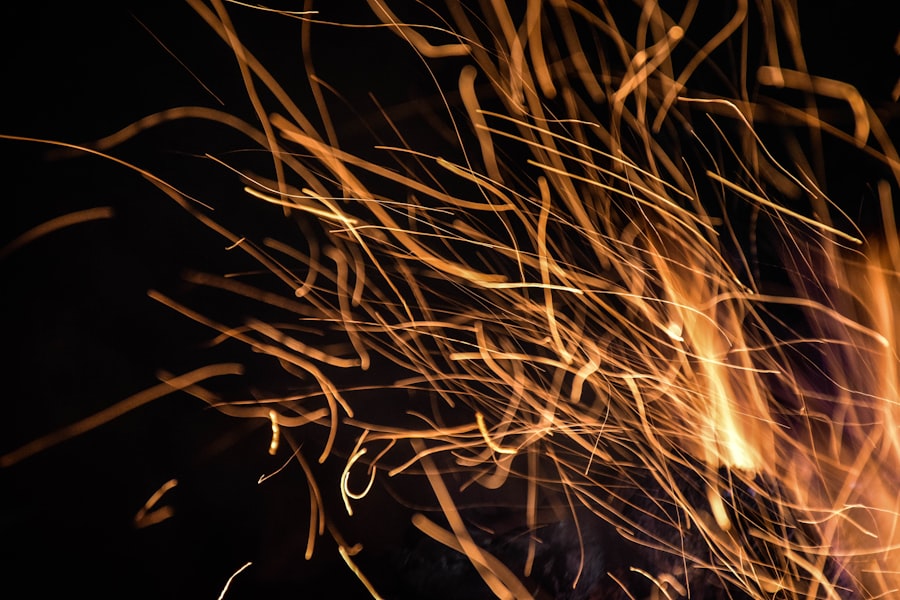
The dramatic spark you see is an electrical arc, also known as arcing. This phenomenon occurs when the electric field strength in a particular region becomes so intense that it ionizes the surrounding air molecules. Ionization is the process of stripping electrons from atoms or molecules, creating charged particles.
Dielectric Breakdown of Air
Air, under normal conditions, is a good electrical insulator. However, it has a limit. This limit is called its dielectric strength. When the electric field strength exceeds the dielectric strength of the air, the air molecules are forced apart, and electrons are ripped from them. This creates a plasma – a superheated, electrically conductive gas composed of ions and free electrons.
The Path of Least Resistance
Once a conductive path (the plasma) is established between two points of different electrical potential, a massive flow of electrons, an electric current, rushes through it. This is the spark you witness – a rapid discharge of accumulated electrical energy. In the case of a fork tine, the high concentration of electrons at the sharp points creates an intense electric field. If this field is strong enough to ionize the air nearby, an arc can form, often jumping to another part of the fork, the oven wall, or even food that has come into contact with the metal.
The Crackling Sound and Light
The crackling sound you hear is the rapid expansion of the superheated air as the arc passes through it. The intense heat generated by the electrical discharge causes the air to expand explosively. The bright flash of light is the visible manifestation of this plasma – the excited ions and electrons emitting photons as they recombine or transition to lower energy states.
Factors Influencing Arcing Intensity
Several factors can influence the intensity and likelihood of arcing. The sharpness and thinness of the metal object are paramount. A smooth, rounded metal object is less likely to arc than a sharp one. The distance between the metal object and other conductive surfaces (like the microwave walls or even food) also plays a role. Closer proximity can facilitate the jump. The power setting of the microwave can also affect the electric field strength and thus the propensity for arcing.
Why Some Metals Arc More Than Others
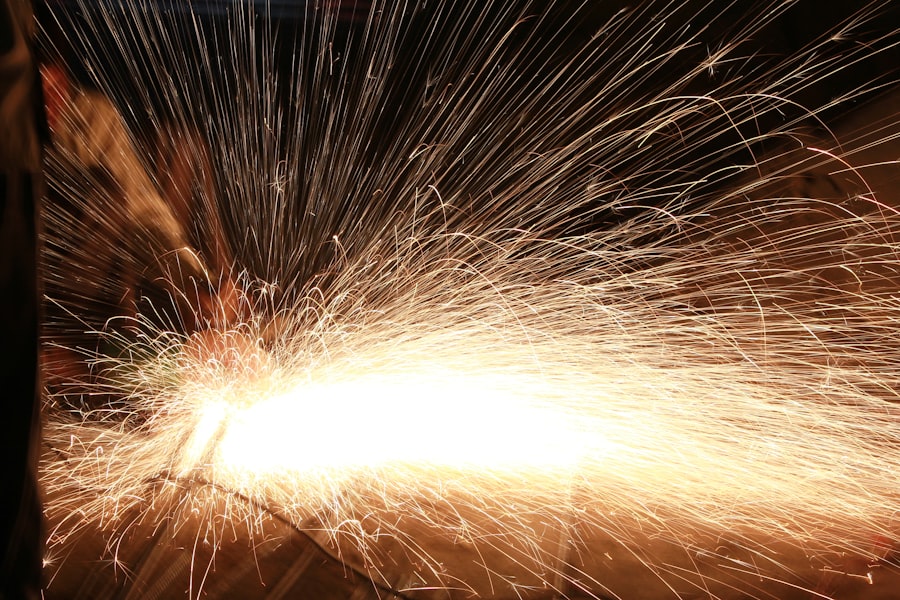
You might have noticed that not all metals seem to be equally prone to causing microwave sparks. While any metal can potentially arc under the right conditions, some are more problematic than others. This comes down to their electrical conductivity and how they interact with microwaves.
The Role of Conductivity
Metals with higher electrical conductivity, like aluminum and copper, have a greater abundance of free electrons. This means they are more susceptible to being influenced by the oscillating electric field of the microwaves, leading to greater electron movement and potential charge buildup.
The “Smoothness” of Reflection
While all metals reflect microwaves, the nature of this reflection can differ. Highly polished and smooth metal surfaces tend to reflect microwaves more uniformly, leading to less localized charge buildup. However, even polished surfaces can develop microscopic imperfections that can act as points of concentration.
Thinness and Shape Matter Most
Ultimately, the thinness and shape of the metal are often more significant than the specific type of metal itself. A thin piece of aluminum foil crumpled into a ball can cause spectacular arcing, while a thicker, smoother chunk of steel might not. The key is the ability for charge to accumulate at sharp edges or to create a high-density electric field in proximity to another conductor.
The Myth of “Microwave-Safe” Metals
It’s important to understand that there isn’t really a category of “microwave-safe” metal in the same way there is for glass or ceramic. While some metal items might be designed to minimize arcing (like some specialized racks or packaging), the fundamental physics of microwave interaction with conductive materials means that the potential for sparking is always present if certain conditions are met. The best advice is to err on the side of caution and avoid placing metal objects in the microwave unless explicitly stated as safe by the manufacturer.
When using a microwave, many people may not realize that certain metal objects can cause sparks, particularly fork tines. This phenomenon occurs because the sharp edges of the tines can create electrical arcs when exposed to microwave radiation. For a deeper understanding of this topic, you can explore a related article that discusses the science behind microwave interactions with metal objects and offers insights into safe microwave practices. To read more, visit this article.
Preventing the Spark Show: Safe Microwave Practices
| Reasons for Microwave Sparks | Explanation |
|---|---|
| Fork Tines | When the metal tines of a fork come into contact with the walls of the microwave, it can cause sparks due to the metal’s ability to reflect and concentrate the microwave energy. |
| Metallic Paint | Some dishes or containers with metallic paint or trim can also cause sparks as the metal reflects the microwaves. |
| Aluminum Foil | Placing aluminum foil in the microwave can cause sparks as the metal reflects the microwaves and can create a fire hazard. |
| Non-Microwave Safe Dishes | Using dishes or containers that are not microwave safe, especially those with metal elements, can lead to sparks and potential damage to the microwave. |
Understanding the science behind microwave sparks is the first step towards avoiding them. Fortunately, preventing these fiery displays is straightforward and largely involves common sense and a bit of awareness. You can enjoy the convenience of your microwave without the drama.
The Golden Rule: No Metal!
The most crucial rule to remember is: Do not put metal in your microwave. This includes cutlery, foil, dishes with metallic trim, twist ties, and any other metallic objects. Treat your microwave as a metal-free zone for cooking.
Examining Your Food Packaging
Many pre-packaged microwaveable meals come with specific instructions regarding their packaging. Always pay attention to these instructions. Some packaging might contain small metallic components that are intended to heat certain parts of the food more effectively, but these can also be a source of arcing if not used as directed. Remove any such components before microwaving.
The Importance of Proper Covering
When heating food, using microwave-safe covers like paper towels, microwave-safe plastic wrap (vented to allow steam to escape), or a glass lid can help prevent splattering and also, in some cases, can indirectly reduce the likelihood of arcing by keeping stray food particles away from the microwave walls. However, remember that these covers should not be made of metal.
Keeping Your Microwave Clean
A clean microwave is a safer microwave. Food splatters and debris can accumulate on the interior walls of the microwave oven. These splatters can sometimes conduct electricity or create uneven heating patterns, which, in rare cases, could contribute to arcing. Regularly cleaning your microwave interior helps maintain optimal operating conditions.
Understanding Microwave-Safe Materials
Familiarize yourself with what constitutes microwave-safe materials. Glass, ceramic, and certain plastics are generally safe. However, even with these materials, be cautious. Some plastics can melt or warp at high temperatures, and some ceramic glazes may contain metallic components. If in doubt, err on the side of caution.
The “What If” Scenario: If You Accidentally Arc
If you do accidentally put metal in the microwave and it starts to arc, don’t panic. Your immediate reaction should be to turn off the microwave immediately. Do not open the door while it is arcing, as this could allow the microwaves to escape. Once the sparking stops and you’ve turned off the microwave, you can safely open the door and remove the offending metal object. Inspect your microwave for any signs of damage, although most minor arcing incidents are unlikely to cause lasting harm.
By understanding the physics behind these dazzling displays, you can confidently use your microwave oven, transforming it from a potential spark-producer into a truly useful kitchen appliance. The next time you see a fork in your microwave, you’ll know exactly what’s happening, and more importantly, how to prevent it.
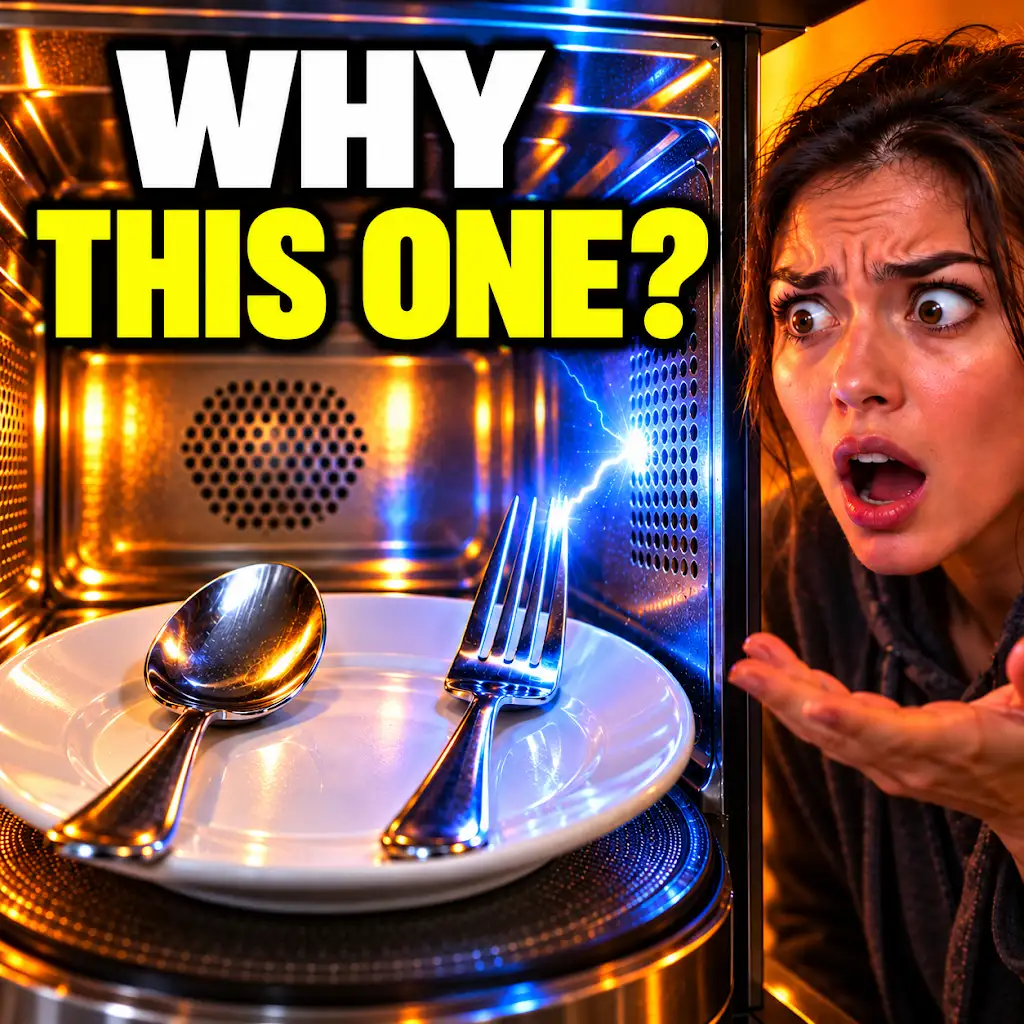
A Fork and a Spoon React Differently in a Microwave. Why?
FAQs
1. Why do fork tines cause microwave sparks?
Fork tines cause microwave sparks because they act as antennas for the microwave radiation, which can create a build-up of electrical charge and lead to sparking.
2. Can using metal forks in the microwave be dangerous?
Yes, using metal forks in the microwave can be dangerous as it can cause sparks, potentially damaging the microwave and posing a fire hazard.
3. What should be used instead of metal forks in the microwave?
It is recommended to use microwave-safe utensils made of materials such as glass, ceramic, or certain types of plastic to avoid sparking and potential damage to the microwave.
4. How does the shape of the fork tines contribute to sparking in the microwave?
The shape of the fork tines contributes to sparking in the microwave as they can create points of high electrical charge concentration, increasing the likelihood of sparking.
5. Can using metal utensils in the microwave cause harm to the appliance?
Yes, using metal utensils in the microwave can cause harm to the appliance by potentially damaging the interior, creating sparks, and posing a fire hazard. It is important to always use microwave-safe utensils to ensure safe and proper use of the appliance.