You might think of your microwave as a kitchen convenience, a magical box that heats your leftovers in a flash. And in many ways, it is! But like any powerful appliance, it comes with its own set of safety guidelines. You might have seen the little symbols on the door, or heard a parent or grandparent warn you about certain things, but do you truly understand why these rules are so crucial? This article is here to shed light on the world of microwave safety, exploring the reasons behind the regulations that keep you and your loved ones safe.
Before we dive into the rules, it’s essential to grasp the fundamental science behind your microwave oven. It’s not magic, but rather a clever application of physics.
The Role of Microwaves
Your microwave oven generates electromagnetic waves called microwaves. These are a specific type of radio wave with a frequency typically around 2.45 gigahertz. Think of them as invisible energy packets. The key to their heating power lies in their interaction with certain molecules in your food, particularly water.
How Food Gets Hot
When microwaves enter your food, they cause the water molecules within it to vibrate rapidly. This rapid vibration creates friction between the molecules, and this friction generates heat. It’s this heat that cooks your food. Importantly, microwaves primarily heat from the outside in, which is why sometimes the center of food can remain cooler than the edges. The thickness and density of the food also play a significant role in how evenly it heats.
The Microwave Oven Itself: A Shielded Environment
The microwave oven is designed as a contained environment to ensure these powerful waves are directed precisely at your food. The metal casing of the oven acts as a Faraday cage, a common technique used to block electromagnetic fields. The door is equipped with a metal mesh, designed to allow you to see inside while preventing the microwaves from escaping. This mesh has holes that are significantly smaller than the wavelength of the microwaves, effectively trapping them inside.
Microwave safety rules are essential to prevent accidents and ensure the proper functioning of these appliances. For instance, improper use of microwaves can lead to fires, burns, or even explosions, particularly when certain materials are heated. Understanding these safety guidelines can significantly reduce risks in the kitchen. For more insights into the science behind microwave safety and the potential hazards associated with improper usage, you can read a related article at Freaky Science.
Essential Microwave Safety Rules: The “Don’ts” You Need to Know
Now that you have a basic understanding of how your microwave works, let’s get to the core of microwave safety: the rules that are in place to prevent accidents and ensure safe operation. Ignoring these can lead to serious consequences, from minor burns to fires.
Never Microwave Metal Objects
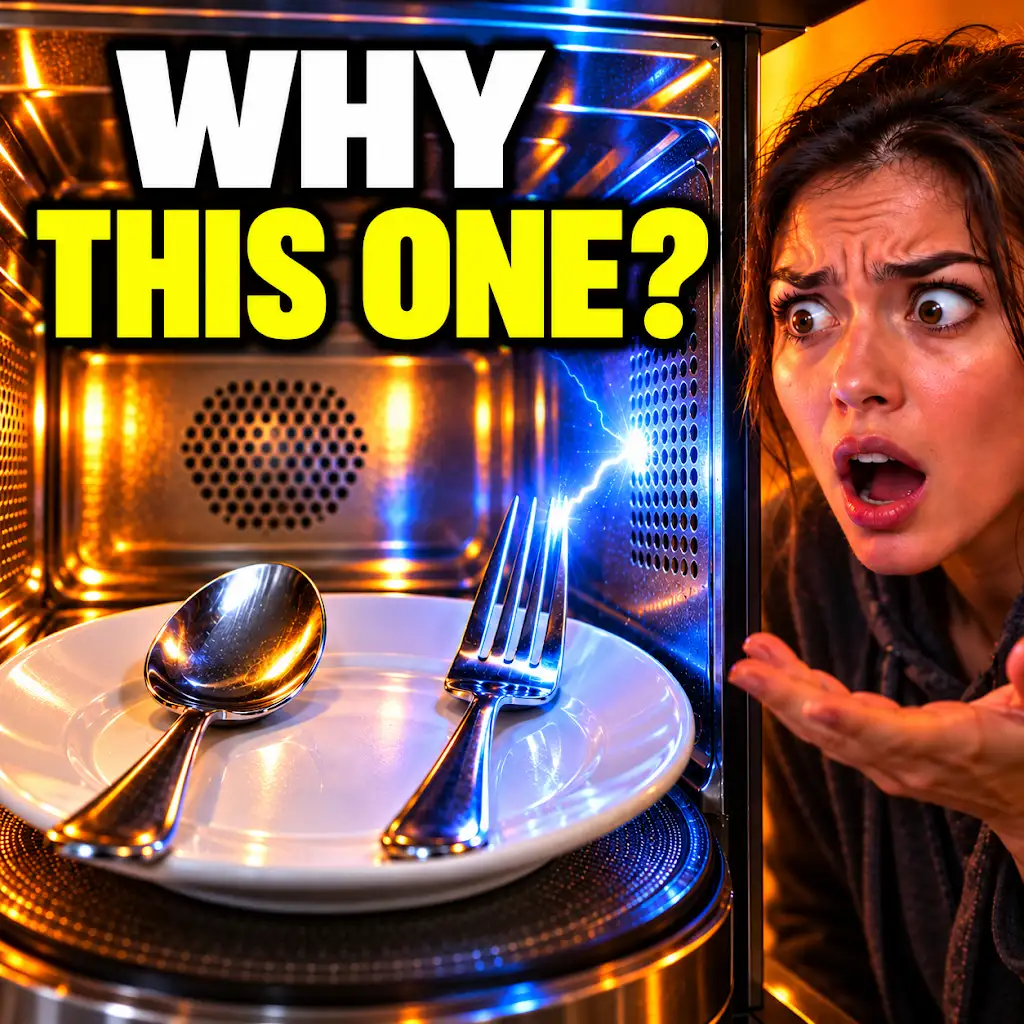
This is perhaps the most well-known microwave safety rule, and for good reason. Metal reflects microwaves. When microwaves hit metal, they can bounce around erratically, creating electrical arcs – those flashy, crackling sparks you might have seen.
The Danger of Arcing
These electrical arcs can damage the interior of your microwave, potentially leading to malfunctions. More importantly, they can ignite flammable materials inside the oven, such as paper towels or food debris, creating a fire hazard. Even small amounts of metal, like twist ties on bread bags or metallic trim on dishes, can cause arcing. So, always double-check your dishes and packaging for any metal components before putting them in the microwave.
What About “Microwave-Safe” Metal?
You might be wondering if there are any exceptions. Some specialized cookware might claim to be microwave-safe even with some metallic components. However, it’s always best to err on the side of caution. If you’re unsure, assume it’s not safe. The risk simply isn’t worth it. Generally, plain ceramic, glass, and microwave-safe plastic are your safest bets.
Avoid Heating Certain Foods and Liquids
Not all foods and liquids are created equal when it comes to microwave heating. Some require special care, and others should be avoided altogether.
The Risk of Superheating Liquids
Liquids, especially water, can become superheated in a microwave. This means they can be heated above their boiling point without visibly boiling. When you disturb a superheated liquid – by moving the container or adding something to it – it can erupt violently, causing severe burns.
How to Prevent Superheating
To avoid superheating, you can take a few precautions. Place a non-metallic object, like a wooden spoon or a microwave-safe stirring stick, in the liquid before heating. This provides nucleation sites for bubbles to form, promoting normal boiling. Alternatively, heat the liquid in shorter intervals and stir it halfway through. Always let it stand for a moment before carefully removing it.
Foods to Reheat with Caution
Foods with skins or membranes, like eggs, potatoes, or sausages, can build up steam pressure inside them when microwaved. If this pressure isn’t released, they can explode. Always pierce the skin of these foods with a fork or knife before microwaving to allow steam to escape.
Foods You Should Never Microwave
Some foods are simply not suitable for microwave cooking. For instance, whole, hard-boiled eggs can explode due to steam buildup. Dried chili peppers can release capsaicin fumes when microwaved, which can irritate your eyes and throat. And as mentioned earlier, anything with metallic components is a definite no-go.
Always Use Microwave-Safe Containers
The materials your food is in matter. Using the wrong type of container can lead to several safety issues.
What Makes a Container “Microwave-Safe”?
“Microwave-safe” means the material will not melt, warp, or leach harmful chemicals into your food when exposed to microwave radiation. It also means it won’t interact negatively with the microwaves themselves.
The Dangers of Non-Microwave-Safe Plastics
Many plastics are not designed for microwave use. They can melt, distort, and release chemicals like BPA and phthalates into your food. These chemicals are endocrine disruptors and can have long-term health implications. Always look for the “microwave-safe” symbol on plastic containers. If you can’t find it, it’s best to transfer your food to a glass or ceramic dish.
Styrofoam and Other Foams
While some Styrofoam products might have a “microwave-safe” label, many do not. When heated, Styrofoam can melt and release harmful fumes, contaminating your food. It’s generally best to avoid microwaving food in Styrofoam containers unless explicitly stated otherwise.
Paper Products: A Mixed Bag
While many paper plates and towels are safe for short periods, you need to be cautious. Plain white paper products are generally safe for reheating. However, anything with wax coatings, plastic films, or metallic accents should be avoided, as these can melt or ignite. Brown paper bags, for example, are a fire hazard and should never be microwaved.
Don’t Operate a Microwave If It’s Damaged
Your microwave is a precisely engineered appliance. Any damage can compromise its ability to safely contain and direct microwaves.
The Risk of Microwave Leakage
The most significant danger of a damaged microwave is microwave leakage. The metal shielding and door seals are designed to keep the microwaves inside. If these are compromised – for instance, if the door doesn’t close properly, the hinges are bent, or there are holes in the casing – microwaves can escape.
How to Detect Potential Leakage
While you can’t see or feel microwaves, there are some telltale signs of potential damage. If the door is visibly warped, bent, or doesn’t seal tightly, this is a major concern. Listen for unusual noises during operation, and if you notice any burning smells or smoke, turn off the appliance immediately and unplug it.
What to Do If You Suspect Damage
If you suspect your microwave is damaged, do not use it. Contact a qualified repair technician. Tampering with the appliance yourself can be dangerous and void any warranty. It’s often safer and more cost-effective to replace a severely damaged microwave.
Never Leave a Running Microwave Unattended
This is a fundamental safety rule that applies to many appliances, but it’s particularly important for microwaves.
The Potential for Fires
While microwave fires are rare, they can happen. Food can overheat, oil can splatter and ignite, or forgotten items can catch fire. If a fire starts while you’re not present, it can quickly spread and cause significant damage.
Monitoring Your Food
Always stay near the microwave while it’s running, especially when heating foods that are prone to splattering or require longer cooking times. This allows you to react quickly if something goes wrong. A quick check can prevent a minor mishap from turning into a major incident.
Beyond the Basic Rules: Advanced Microwave Safety Considerations
While the “don’ts” are crucial, there are other aspects of microwave safety that can enhance your understanding and ensure you’re using the appliance optimally.
Understanding Wattage and Cooking Times
The wattage of your microwave oven affects how quickly it heats food. Higher wattage microwaves generally cook faster.
Adjusting Recipes for Different Wattages
If you’re following a recipe designed for a specific wattage, you’ll need to adjust the cooking time if your microwave has a different wattage. A general rule of thumb is that if your microwave has a lower wattage, you’ll need to increase the cooking time, and if it has a higher wattage, you’ll decrease it.
Consulting Your Microwave’s Manual
Your microwave’s user manual is an excellent resource for understanding its specific features and recommended cooking times for various foods. It can provide valuable guidance tailored to your appliance.
Cleaning and Maintenance: A Crucial Role in Safety
A clean microwave is a safer microwave. Built-up food residue can ignite.
Regular Cleaning Prevents Hazards
Spills and splatters should be wiped up immediately after the microwave has cooled down. This prevents food particles from drying and becoming a fire hazard. Periodically, you should give the interior a more thorough cleaning.
Effective Cleaning Methods
For everyday cleaning, a damp cloth with mild dish soap is usually sufficient. For tougher grime, you can heat a bowl of water with a few tablespoons of vinegar or lemon juice for a few minutes. The steam generated will loosen the debris, making it easier to wipe away. Always ensure the microwave is unplugged before deep cleaning.
Checking Door Seals
Regularly inspect the door seals for any signs of damage or wear. If the seals are compromised, the microwave might not be functioning efficiently and could pose a leakage risk.
The Importance of Ventilation
Your microwave needs proper ventilation to operate safely and efficiently.
Ensuring Airflow
Never place your microwave in an enclosed space where air cannot circulate freely around it. This can cause the appliance to overheat, leading to malfunctions or even fires. Ensure there’s adequate space above and around the unit.
Avoiding Obstructions
Don’t block the vents on the microwave with anything. These vents are crucial for releasing heat generated during operation.
Microwave Safety for Children: A Special Focus
Children are naturally curious, and they often want to help in the kitchen. It’s your responsibility to educate them about microwave safety.
Age-Appropriate Supervision and Instruction
Young children should never use the microwave unsupervised. Even older children need to be taught the basic rules.
Teaching Them the “Don’ts”
Explain why metal is not allowed, why they need to pierce certain foods, and the importance of using microwave-safe dishes. Use simple language and demonstrations.
Empowering Them with Safe Practices
Once they understand the rules, you can start by having them perform simple tasks, like placing pre-prepared food in a safe container and pressing start. Gradually increase their responsibilities as they demonstrate understanding and maturity.
Dealing with Accidents and Burns
Accidents can happen. It’s important to know how to respond if a child gets burned by the microwave.
Immediate First Aid for Burns
For minor burns, immediately cool the affected area with cool (not cold) running water for at least 10-15 minutes. Do not apply ice or butter. Cover the burn loosely with a clean, dry dressing.
When to Seek Medical Attention
If the burn is large, deep, blistering, or affects sensitive areas like the face or hands, seek immediate medical attention.
Microwave safety rules are essential to prevent accidents and ensure the proper functioning of these appliances. For instance, improper use of metal containers can lead to dangerous sparks and fires, highlighting the importance of following guidelines. To learn more about the science behind these safety measures, you can read a related article that delves into the reasons why these rules are in place. Understanding these precautions can help users avoid potential hazards and make the most of their microwave experience. Check out the article here for more insights.
The Bigger Picture: Why Following Rules Matters
| Reasons for Microwave Safety Rules |
|---|
| Prevent burns and scalds from hot containers and food |
| Avoid microwave radiation exposure |
| Prevent fires from improper use of materials |
| Minimize the risk of explosion from sealed containers |
| Ensure food safety and prevent foodborne illness |
You might be tempted to cut corners or ignore a minor rule. But the reasons behind these microwave safety guidelines are about protecting you and preventing serious harm.
Preventing Fires and Property Damage
As we’ve discussed, improper use of a microwave can lead to fires, which can cause extensive damage to your home and pose a threat to life.
Avoiding Injuries and Burns
Burns from superheated liquids or exploding food are painful and can require significant medical treatment.
Protecting Your Appliance’s Lifespan
Following the rules not only keeps you safe but also ensures your microwave functions correctly and lasts longer. Damaging it through misuse can lead to costly repairs or premature replacement.
Setting a Good Example
If you have children or younger siblings, your adherence to safety rules teaches them valuable lessons about responsible appliance use.
In conclusion, your microwave is a powerful tool that, when used correctly, offers incredible convenience. By understanding the science behind it and diligently following the safety rules, you can ensure that this kitchen staple remains a safe and reliable part of your life. Always remember, when in doubt, err on the side of caution. Your safety, and the safety of those around you, is paramount.
A Fork and a Spoon React Differently in a Microwave. Why?
FAQs
What are microwave safety rules?
Microwave safety rules are guidelines and precautions put in place to ensure the safe and proper use of microwave ovens. These rules are designed to prevent accidents, injuries, and damage to the microwave oven.
Why do microwave safety rules exist?
Microwave safety rules exist to protect users from potential hazards associated with microwave ovens, such as burns, electrical shocks, and fire. These rules also aim to prevent damage to the microwave oven itself and to ensure the longevity of its use.
What are some common microwave safety rules?
Common microwave safety rules include never operating the microwave oven when it is empty, using microwave-safe containers and utensils, avoiding metal objects in the microwave, and following the manufacturer’s instructions for proper use and maintenance.
What are the potential risks of not following microwave safety rules?
Not following microwave safety rules can lead to various risks, including burns from hot surfaces or steam, electrical shocks from damaged cords or internal components, fires from flammable materials, and damage to the microwave oven from improper use.
How can I ensure microwave safety in my home or workplace?
To ensure microwave safety, it is important to follow the manufacturer’s guidelines for proper use and maintenance, use microwave-safe containers and utensils, avoid metal objects in the microwave, and regularly inspect the microwave oven for any signs of damage or malfunction.