
You’re standing in your kitchen, the aroma of reheated leftovers or a perfectly cooked frozen meal wafting from the metal box. Microwave cooking. It’s become so ingrained in our daily lives that you probably don’t give it much thought beyond pressing a few buttons. But have you ever wondered what’s actually happening inside that appliance to transform a cold plate into a steaming dinner in mere minutes? It’s not magic, it’s science, and understanding it can demystify the process and even help you achieve better results.
The core of microwave cooking lies in the invisible waves it generates. These aren’t like the radio waves that carry your favorite tunes or the visible light that illuminates your world. Microwaves are a form of electromagnetic radiation, specifically falling within a particular frequency range.
What Are Microwaves, Exactly?
Imagine a spectrum of energy. At one end, you have very low-energy waves like radio waves, and at the other, you have high-energy waves like X-rays and gamma rays. Microwaves sit somewhere in the middle, possessing enough energy to interact with certain molecules in your food. The most common frequency used in domestic microwaves is 2.45 gigahertz (GHz), which translates to about 2.45 billion cycles per second. This specific frequency is chosen for a very important reason, which we’ll get to.
How Does a Microwave Generate These Waves?
The heart of your microwave oven is a device called a magnetron. This is a high-powered vacuum tube that uses a combination of magnetic and electric fields to accelerate electrons. As these electrons move, they generate electromagnetic waves at the specific microwave frequency. These waves are then guided from the magnetron into the cooking cavity.
The Journey into the Oven Cavity
Once generated, the microwaves are directed towards the food. They don’t simply beam straight through. Instead, they bounce around the metal interior of the oven cavity. This bouncing is crucial because it helps to distribute the energy more evenly throughout the food, preventing hot and cold spots, at least in theory. The rotating turntable further aids in this process, ensuring that different parts of the food are exposed to the microwaves from various angles.
The Role of the Waveguide and Stirrer
Before entering the cavity, the microwaves pass through a waveguide, which is essentially a metal channel designed to efficiently direct the waves. Some microwaves also feature a wave stirrer, a fan-like metal device that rotates and reflects the waves, further scattering them and promoting more uniform heating. While not all microwaves have a visible stirrer, the principle of wave distribution remains a key design consideration.
If you’re curious about the science behind microwave cooking and what really happens inside a microwave, you might find this article insightful. It delves into the mechanics of microwave radiation, how it interacts with food molecules, and the overall cooking process. For more detailed information, check out the article at Freaky Science.
The Molecular Dance: How Microwaves Cook Food
The real magic happens at the molecular level. Microwaves don’t heat food by convection or conduction, like conventional ovens or stovetops. Instead, they directly interact with the water molecules within your food.
Water, Water Everywhere: The Key Ingredient
Water is present in virtually all foods, and its molecular structure is perfectly suited for interaction with microwaves. A water molecule (H₂O) has a distinct shape: two hydrogen atoms bonded to a single oxygen atom. This arrangement results in an uneven distribution of electrical charge, making the molecule polar. Think of it like a tiny magnet, with one end slightly positive and the other slightly negative.
The Di-pole Effect: Agitation at Its Finest
When microwaves, which are oscillating electromagnetic fields, pass through food, they exert a force on these polar water molecules. The electric field of the microwave causes the water molecules to rapidly rotate back and forth, attempting to align themselves with the changing field. This rapid rotation, happening billions of times per second, causes friction between the molecules. It’s this friction, this intense molecular jostling, that generates heat. This is often referred to as the “di-pole rotation” mechanism.
Beyond Water: Other Polar Molecules
While water is the primary target, other polar molecules in food, such as fats and sugars, also contribute to microwave heating. These molecules, while less abundant or less polar than water, will also experience some degree of agitation and generate heat, albeit to a lesser extent. Non-polar molecules, like plastics or dry proteins, are largely unaffected by microwaves and will not heat directly.
Penetration Depth: The Limit of Microwave Power
Microwaves don’t penetrate infinitely deep into food. Their effectiveness diminishes with distance. The depth to which microwaves can penetrate and effectively heat food is known as the “penetration depth.” This depth varies depending on the composition of the food (e.g., its water content) and the microwave frequency. Generally, microwaves penetrate a few centimeters into most foods. This is why larger or denser items may require stirring or resting periods to allow heat to conduct from the outer layers to the inner core.
The Consequences of Molecular Agitation: Cooking and Chemical Changes

The rapid heating caused by molecular agitation leads to both the desirable cooking of food and some less desirable effects.
Turning Cold into Hot: The Primary Effect
The most obvious consequence is the transformation of cold or frozen food into a hot, palatable meal. The intense heat generated throughout the food’s water molecules denatures proteins, softens starches, and breaks down cell walls, leading to the characteristic texture and flavor changes we associate with cooked food.
The Myth of “Radiation”: What You’re Actually Eating
It’s important to dispel the myth that microwave-cooked food is “radioactive.” The microwaves themselves are a form of energy, not a substance that is absorbed by the food. Once the microwave oven is turned off, the waves disappear. There is no residual radiation left behind in your food. The energy of the microwaves is converted into heat.
Nutrient Retention: A Closer Look
One common concern is the impact of microwave cooking on the nutritional content of food. Generally, microwave cooking is considered one of the better methods for retaining nutrients, especially water-soluble vitamins. This is because the cooking times are significantly shorter compared to methods like boiling or prolonged baking, and there’s less leaching of nutrients into cooking water.
Vitamin Losses: The Nuances
However, not all nutrients are created equal. Some heat-sensitive vitamins, like Vitamin C and certain B vitamins, can still experience some degradation due to heat, regardless of the cooking method. But again, the shorter cooking times in a microwave often minimize these losses compared to longer cooking methods.
Mineral Retention: Mostly Unaffected
Minerals are generally much more stable to heat than vitamins. Therefore, microwave cooking typically has a minimal impact on the mineral content of your food.
Texture and Flavor: The Trade-offs
While nutrient retention can be good, microwave cooking can sometimes result in different textures and flavors compared to conventional cooking.
The “Rubbery” Effect: Overcooking and Moisture Loss
One common complaint is the “rubbery” texture, particularly in proteins like chicken. This often occurs when food is overcooked, leading to excessive moisture loss. The rapid heating can also sometimes result in uneven cooking, with some parts becoming overcooked while others are still undercooked.
Browning and Crispiness: The Missing Element
Microwave ovens typically do not reach temperatures high enough to cause the Maillard reaction, the chemical process responsible for browning and crisping in conventional cooking. This is why foods cooked solely in a microwave often lack that satisfying golden-brown crust or crispy exterior. This is where combination ovens, which incorporate grilling or convection elements, come into play.
Safety and Design: Keeping You and Your Food Safe
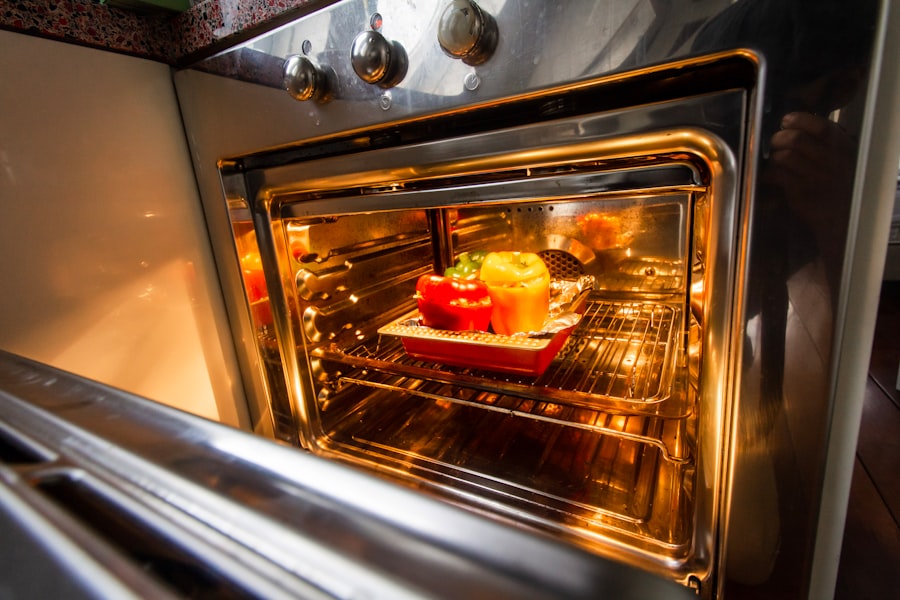
Microwave ovens are designed with safety as a paramount concern, employing various mechanisms to ensure the waves stay contained and your food is cooked safely.
The Faraday Cage Effect: Containing the Waves
The metal interior of the microwave oven acts as a Faraday cage. This is a conductive enclosure that prevents electromagnetic radiation from entering or escaping. The metal walls reflect the microwaves back into the cavity, keeping them from reaching the outside.
The Door: Your First Line of Defense
The microwave door is a critical safety component. It’s designed with a metal mesh embedded within the glass. This mesh has holes that are smaller than the wavelength of the microwaves. This effectively blocks the microwaves from escaping while still allowing you to see your food cooking. The interlock system, which immediately shuts off the magnetron when the door is opened, is another crucial safety feature.
Venting and Airflow: Preventing Buildup
Microwave ovens have vents to allow for air circulation and to prevent the buildup of heat and moisture within the appliance. This is important for the proper functioning of the magnetron and other electronic components.
The Rise of Combination Ovens: The Best of Both Worlds
To address the limitations of conventional microwaves, particularly the lack of browning and crisping, combination ovens have become increasingly popular. These appliances combine microwave technology with conventional heating elements, such as convection fans or quartz grills.
Microwave and Convection: Faster Roasting and Baking
By combining microwave energy with convection, these ovens can significantly reduce cooking times while still achieving browning and crisping. The convection fan circulates hot air, mimicking the effects of a conventional oven, while the microwaves penetrate and cook the food from the inside out.
Microwave and Grill: Achieving That Golden Touch
Similarly, the grill function in combination ovens uses radiant heat to brown and crisp the surface of food, adding that desirable texture and flavor that traditional microwaves often lack.
Have you ever wondered what really happens inside a microwave when you heat your food? The process is quite fascinating, involving electromagnetic waves that agitate water molecules in your meal, leading to a rapid increase in temperature. To delve deeper into the science behind this everyday appliance, you can explore a related article that explains the intricate workings of microwaves and their effects on various types of food. For more insights, check out this informative article that uncovers the mysteries of microwave cooking.
Optimizing Your Microwave Cooking: Tips and Tricks for Better Results
| Microwave Activity | Details |
|---|---|
| Electromagnetic Waves | Microwaves use electromagnetic waves to heat food by causing water molecules to vibrate, generating heat. |
| Radiation | Microwaves emit non-ionizing radiation, which is generally considered safe for heating food. |
| Rotating Plate | Many microwaves have a rotating plate to ensure even heating of the food. |
| Interference Patterns | Interference patterns can occur in the microwave, leading to uneven heating in certain spots. |
| Steam Generation | When heating food with high water content, steam may be generated inside the microwave. |
Now that you understand the science, you can start to harness its power more effectively. Here are some tips to help you get the most out of your microwave.
Arranging Your Food for Even Heating
How you arrange your food in the microwave can significantly impact how evenly it cooks.
The “Donut” or Ring Arrangement
For many foods, arranging them in a ring or a “donut” shape, with the denser parts towards the outside and a less dense area in the center, is beneficial. This allows the microwaves to reach the center more effectively.
Stirring and Rotating: Key to Uniformity
As we’ve discussed, microwaves don’t always heat perfectly uniformly. Regularly stirring or rotating your food halfway through the cooking process is crucial. This redistributes the heat and ensures that all parts of the food are cooked thoroughly.
Covering Your Food: Moisture Retention and Splatter Control
Covering your food is often recommended. This traps steam, which helps to keep the food moist and tender. It also prevents splattering, keeping your microwave clean. Use microwave-safe lids, plastic wrap with a vent, or damp paper towels. Avoid sealing the cover completely, as the steam needs a way to escape.
Choosing the Right Cookware
Not all dishes are created equal when it comes to microwave cooking.
Microwave-Safe Materials: Glass, Ceramic, and Certain Plastics
Glass and ceramic dishes are generally safe for microwave use, provided they don’t have metallic trim. Many plastics are also microwave-safe, but it’s crucial to check for the “microwave-safe” symbol on the bottom of the dish.
Materials to Avoid: Metal, Aluminum Foil, and Styrofoam
Metal and aluminum foil are definite no-nos. They reflect microwaves, which can cause arcing and damage your microwave. They also prevent the microwaves from reaching the food. Styrofoam can melt and release harmful chemicals into your food when heated.
Understanding Power Levels and Cooking Times
Most microwaves have adjustable power levels, not just timer settings.
Power Levels: More Than Just Speed
Using lower power levels can be beneficial for delicate foods or for defrosting. Lower power means the magnetron cycles on and off, allowing for more gentle and even heating. High power is best for quickly heating liquids or cooking foods that require rapid heat.
Resting Time: The Silent Cook
Many recipes, even for conventional cooking, recommend a resting time after cooking. This is also true for microwave cooking. Allowing food to rest for a few minutes after it comes out of the microwave allows the heat to distribute more evenly throughout the food, completing the cooking process and preventing scalding when you first bite into it.
By understanding the science behind microwave cooking, you can move beyond simply pressing buttons and start to truly master this convenient and efficient cooking method. It’s about appreciating the invisible waves, the molecular dance, and the smart design that makes it all possible, leading to better meals and a deeper understanding of the technology in your kitchen.
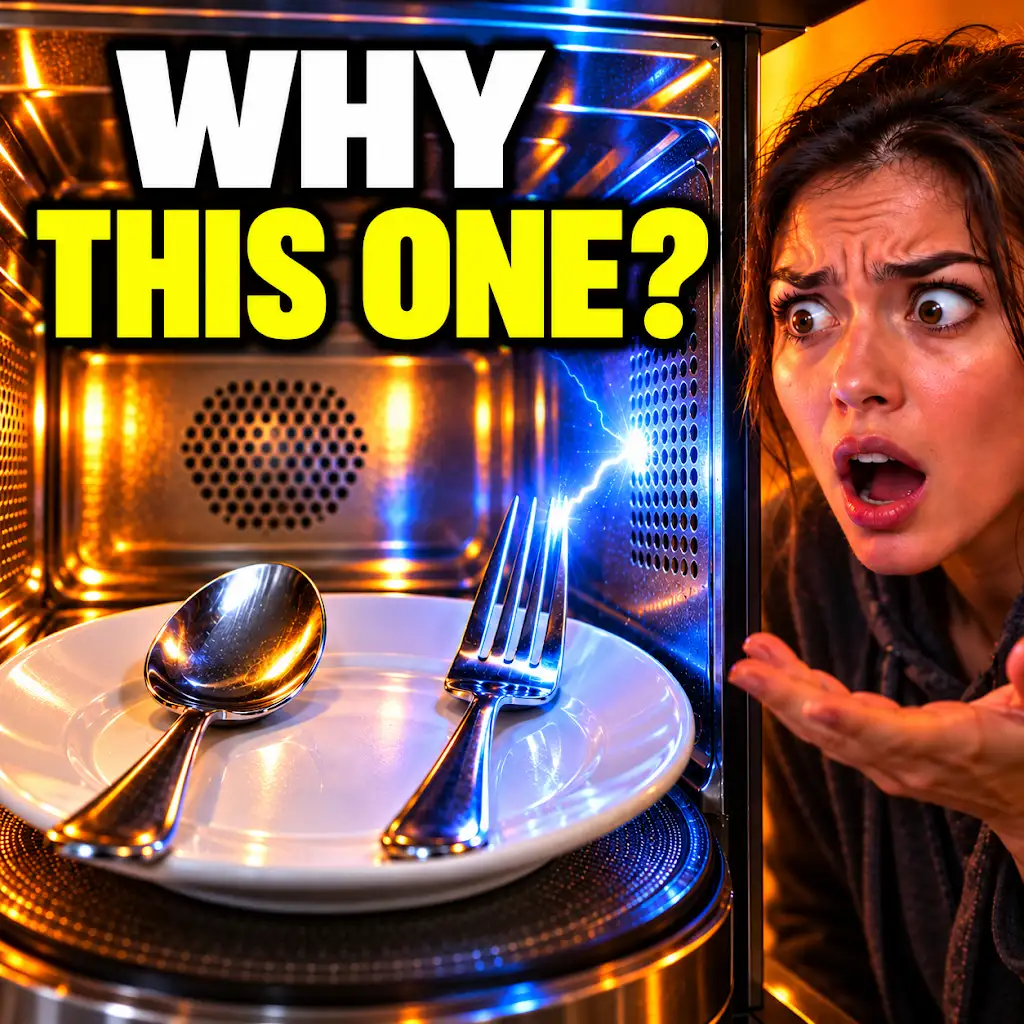
A Fork and a Spoon React Differently in a Microwave. Why?
FAQs
What is a microwave and how does it work?
A microwave is a kitchen appliance that uses microwave radiation to heat and cook food. It works by emitting microwaves, which cause water molecules in the food to vibrate, generating heat and cooking the food from the inside out.
Is it safe to use a microwave?
When used according to the manufacturer’s instructions, microwaves are safe to use. However, it is important to follow safety guidelines, such as using microwave-safe containers and avoiding metal objects inside the microwave.
What really happens to food inside a microwave?
When food is placed inside a microwave, the microwaves cause the water molecules in the food to vibrate, generating heat. This heat cooks the food from the inside out, resulting in faster cooking times compared to conventional methods.
Can microwaves change the nutritional value of food?
Microwaving food can actually help retain more nutrients compared to other cooking methods, as it cooks food quickly and with minimal water, which can help preserve nutrients that are sensitive to heat and water.
What are some safety tips for using a microwave?
Some safety tips for using a microwave include using microwave-safe containers, avoiding metal objects inside the microwave, and allowing food to stand for a short time after microwaving to ensure even cooking. It is also important to follow the manufacturer’s instructions for proper use.