You’ve seen the videos. That otherworldly, electric glow emanating from a simple, everyday grape, zapped in a microwave. It’s mesmerizing, a little spooky, and you’ve probably wondered, “What in the world is happening here?” You’re about to find out. This isn’t some arcane magic trick; it’s a fascinating demonstration of physics playing out in your kitchen. We’re diving into the phenomenon known as “grape plasma,” and by the end of this, you’ll understand the science behind that glowing orb.
The first time you encountered the glowing grape phenomenon, it likely left you baffled. A mundane fruit, subjected to the familiar hum of a microwave, transforms into a miniature celestial event. It’s the kind of unexpected marvel that sparks curiosity and a desire to understand. You might have stumbled upon it on social media, a curious science channel, or perhaps a friend dared you to try it. Whatever your introduction, the image of a microwave oven containing a small, intensely bright, and somewhat amorphous blob of light is unforgettable.
You might have initially dismissed it as a trick of the light, a cleverly edited video. But the widespread nature of these demonstrations, and the fact that they can be replicated, points to a genuine physical process. It’s this very replicability that makes it such a compelling subject for exploration. You’re not just observing; you’re understanding a fundamental interaction between matter and energy.
The Basic Setup: What You Need and How You Do It
The experiment itself is deceptively simple, which only adds to its mystique. You don’t need specialized laboratory equipment or exotic chemicals.
Essential Ingredients for Your Cosmic Creation
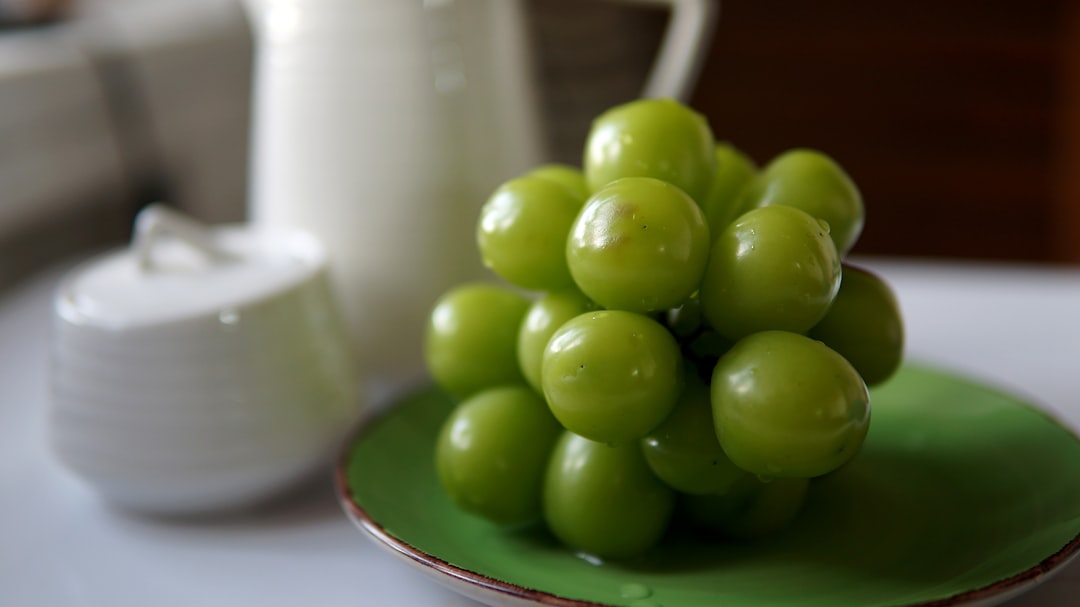
- A Grape: The star of the show. You’ll need a fresh, firm grape. Seedless is generally preferred for ease of handling, though the presence or absence of seeds doesn’t fundamentally alter the plasma formation. The size and type of grape can influence the intensity and duration of the plasma, but the core principle remains the same. It’s the organic matter and its specific composition that are key.
- A Microwave Oven: Your energy source. Any standard household microwave will do. The wattage and specific settings will impact the speed and intensity of the plasma, but the underlying physics don’t change.
- A Microwave-Safe Plate or Bowl: To hold the grape and contain any potential (though unlikely) mess. You want something that won’t interfere with the microwave radiation.
- A Knife (Optional but Recommended): For safely preparing the grape, especially if you decide to experiment with cutting it.
The Procedure: A Step-by-Step Guide to the Glow
The process is straightforward, but there are nuances that are important for success and safety.
Preparing the Grape: The Crucial First Step
- Wash the Grape: A simple rinse under cool water will remove any surface contaminants.
- The “Cut” (Optional): This is where the magic truly begins. While some uncut grapes will glow, cutting a grape in half, or even in quarters, dramatically enhances the effect. The key is to leave a thin bridge of skin connecting the two halves or sections. This bridge is crucial for containing the plasma. Imagine it as a fragile membrane holding the energy together. You can achieve this by making a shallow cut across the grape, almost all the way through, but not completely severing it. Alternatively, you can cut the grape in half and then use a tiny sliver of skin to connect the two pieces. The goal is to have a point where the microwave energy can concentrate and interact with the grape’s internal structure.
Microwaving the Grape: The Moment of Truth
- Placement: Place the prepared grape (on its skin side, if cut) on the microwave-safe plate or bowl. Position it in the center of the microwave turntable.
- The Settings: Set your microwave to a medium-high power setting (around 70-80%). You don’t need the full blast of 100% power, and in fact, lower power can sometimes lead to a more sustained and visible plasma. Start with short intervals, perhaps 15-30 seconds.
- Observation: Watch through the microwave door. You’ll likely see an arc of light, and then a small, glowing sphere or cloud will begin to form around the grape. This is your grape plasma.
Important Safety Considerations: Respect the Power
- Never Leave Unattended: This is paramount. The experiment should always be supervised.
- Avoid Touching: Once the plasma has formed, do not touch the grape or the inside of the microwave. The plasma and the grape will be extremely hot.
- Ventilation: Ensure your kitchen is reasonably well-ventilated. While not inherently dangerous in small doses, any plasma generation can release trace amounts of byproducts.
- Duration: Do not microwave for extended periods. The goal is to observe the plasma, not to incinerate the grape.
- Cool Down: Allow the microwave and the grape to cool down completely before removing them.
In exploring the fascinating world of grape plasma microwave experiments, readers may find it beneficial to delve into a related article that discusses the underlying principles of plasma physics and its applications in everyday life. This insightful piece not only elaborates on the science behind the grape experiment but also connects it to broader topics in physics and technology. For more information, you can read the article here: Freaky Science.
Deconstructing the Glow: The Science Behind the Spectacle
Now that you’ve seen it, or perhaps even performed it yourself, the question remains: why? What fundamental principles are at play that transform a humble grape into a miniature plasma reactor? It all boils down to the interaction of electromagnetic radiation with the grape’s unique composition.
The Role of Electromagnetic Radiation: Microwaves at Work
Microwaves are a form of electromagnetic radiation, just like visible light or radio waves. They fall within a specific range of frequencies, typically around 2.45 GHz for household microwave ovens. This frequency is particularly significant because it’s highly effective at interacting with water molecules.
How Microwaves Heat Things Up: The Dielectric Heating Mechanism
Microwave ovens work by generating these high-frequency electromagnetic waves. When these waves enter the food, they interact with polar molecules, primarily water.
The Dipole Moment: Water’s Electric Personality
Water molecules (H₂O) have a unique property called a “dipole moment.” This means that the oxygen atom has a slight negative charge, while the hydrogen atoms have slight positive charges. Effectively, the molecule is like a tiny bar magnet, with a positive and a negative end.
The Wobble and the Heat: Kinetic Energy Unleashed
When the oscillating electromagnetic field of the microwaves passes through the food, it exerts forces on these polar molecules. The electric field causes the water molecules to rapidly rotate and align themselves with the field. As the field oscillates back and forth, the water molecules are forced to constantly flip and twist. This rapid molecular motion, this “wobbling,” generates friction between the molecules. This friction, in turn, produces heat. This is known as dielectric heating, and it’s the primary way microwaves cook food.
The Grape’s Unique Properties: A Perfect Storm
While dielectric heating explains why microwaves warm up food, it doesn’t fully account for the creation of plasma. The grape’s specific composition and structure are what elevate the phenomenon from simple heating to something more extraordinary.
Water Content: The Primary Driver
Grapes are, unsurprisingly, packed with water. This high water content is essential for effective dielectric heating. The abundance of polar water molecules means the grape will readily absorb microwave energy and convert it into heat.
Other Components: Beyond Just Water
Beyond water, grapes contain various other organic compounds, including sugars, salts, and organic acids. While water is the primary absorber of microwave energy, these other components can also play a role, though their contribution to plasma formation is generally considered secondary. Some theories suggest that the presence of certain ions or even the carbon-rich structure of the grape’s flesh might contribute to the plasma.
The Critical “Bridge”: Creating the Plasma Cavity
This is where the act of cutting the grape becomes so important. The thin connection of skin between the two halves, or the uncut skin itself when a single grape is used, acts as a critical component.
Containing the Energy: A Microscopic Cavity
When the grape is microwaved, the internal water molecules heat up rapidly. This leads to a significant increase in pressure within the grape’s cells. If the grape were to burst open entirely, the energy would dissipate quickly. However, the thin skin acts as a sort of containment vessel, creating a micro-environment where the microwave energy can become concentrated. Think of it as a miniature resonant cavity.
Ionization: The Birth of Plasma
As the microwave energy continues to bombard this contained space, and the temperature and pressure increase dramatically, something remarkable happens. Electrons are stripped from the atoms and molecules within this confined area. This process is called ionization. When a gas or vapor becomes ionized, it means it has acquired an electrical charge, and the free electrons and positive ions are capable of carrying an electric current. This ionized gas is what we call plasma.
The Plasma Itself: A State of Matter
Plasma is often referred to as the “fourth state of matter,” alongside solid, liquid, and gas. It’s an electrically conductive medium formed when matter is heated to extremely high temperatures or subjected to strong electromagnetic fields, causing ionization.
Understanding Plasma: More Than Just a Pretty Light
The glowing orb you see isn’t just a colorful light show; it’s a dynamic, energized state of matter.
Characteristics of Plasma
- Ionization: As mentioned, the defining characteristic of plasma is the presence of a significant number of ions and free electrons.
- Electrical Conductivity: Due to the charged particles, plasma is an excellent conductor of electricity. This is why it can interact so strongly with electromagnetic fields.
- High Temperatures: Plasmas are typically very hot, although the temperature of grape plasma is not comparable to stars or lightning. The intense heat is a byproduct of the ionization process.
- Luminescence: Plasmas often emit light as the excited electrons return to lower energy states. The color of the emitted light can vary depending on the elements present and the energy levels involved.
Why the Grape Glows: The Specifics of Grape Plasma
The glow you observe from the grape is the visible manifestation of the plasma.
The Glowing Sphere: An Arc and Beyond
Initially, you might see a brief arc of electricity jumping across the skin or within the cut. This is a powerful surge of energy. As the plasma forms, it creates a small, self-contained ball of ionized gas. This plasma glows because the charged particles within it are constantly interacting with the surrounding electromagnetic field and with each other. As electrons jump between energy levels, they emit photons of light, creating the visible luminescence. The specific color of the glow can vary, but it’s often a bright white or bluish-white, sometimes with hints of purple or green.
The Role of the Skin: A Plasma Containment Vessel
The skin of the grape plays a critical role in the formation and sustainment of the plasma. It acts as a semi-permeable barrier, allowing the microwave energy to penetrate and heat the interior while also helping to contain the ionized gas and the intense heat generated within. Without this containment, the energy would simply dissipate, and you wouldn’t get the distinct plasma ball. The grape’s skin essentially creates a miniature, temporary plasma chamber.
Beyond the Grape: Variations and Further Exploration
The glowing grape is a fascinating starting point, but the principles at play can be explored in slightly different ways, leading to variations in the observed phenomenon. These variations not only deepen your understanding but can also lead to more impressive visual displays.
The “Grape Plasma Ball”: A Classic Demonstration
The most common version involves the cut grape with a thin skin bridge, as described earlier. This is the quintessential grape plasma experience and the one that most people are familiar with.
Optimizing the Cut for the Best Glow
- Depth of Cut: Experiment with how deep you cut. Too shallow, and you might not get significant plasma. Too deep, and you risk severing the grape completely, leading to a less contained and potentially less impressive glow.
- The Bridge: The integrity of the skin bridge is crucial. It needs to be strong enough to hold the grape together but thin enough to allow for the intense energy interaction.
- Multiple Grapes: Some experimenters have tried microwaving two grapes placed very close together, with the idea of creating a more expansive plasma field. This can sometimes lead to an impressive, albeit more unstable, display.
Other Fruits and Vegetables: Are They Just as Electrifying?
The question inevitably arises: can other fruits or vegetables produce plasma? The answer is a qualified yes, but with caveats.
The Importance of Water Content and Structure
- High Water Content is Key: Similar to grapes, fruits and vegetables with high water content are more likely to exhibit plasma formation. Think of things like cherry tomatoes or blueberries.
- Skin and Structure Matter: The presence of a skin or a structure that can contain the generated heat and pressure is also vital. A potato, for instance, might heat up significantly but is less likely to produce a contained plasma ball due to its starchy, less cohesive internal structure and lack of a thin, resilient skin.
- Sweetness Factor: While not scientifically proven as a direct cause, some speculate that the high sugar content of grapes might contribute to their particularly vibrant plasma. Sugars can caramelize at high temperatures, potentially influencing the composition of the ionized gas.
The “Plasma Door” Phenomenon: A Microwave Anomaly
In some cases, the microwave itself can exhibit unusual behavior when microwaving items like grapes. You might observe arcing or glowing directly on the inside walls of the microwave. This is known as the “plasma door” phenomenon.
How the Microwave Itself Reacts
- Reflected Radiation: The plasma generated by the grape is a highly conductive medium. It can reflect and interact with the microwaves still being emitted by the oven.
- Resonance: Under specific conditions, the microwave energy can resonate within the oven cavity, particularly when interacting with a conductive plasma. This can lead to localized areas of intense energy, causing arcing or glowing on the metal surfaces of the microwave interior.
- Potential for Damage: While usually temporary and not harmful in small doses, prolonged or intense “plasma door” effects can potentially damage the microwave’s magnetron or interior coatings. It’s a sign that the energy is becoming unstable and is a good indicator to stop the experiment.
The recent grape plasma microwave experiment has garnered significant attention for its intriguing results, which showcase the unique behavior of plasma generated from grapes when exposed to microwave radiation. For those interested in delving deeper into the science behind this phenomenon, a related article provides further insights into the principles of plasma physics and its applications. You can explore this fascinating topic in more detail by visiting this article, which offers a comprehensive overview of the experiment and its implications for understanding microwave interactions with organic materials.
The Science Explained Further: Delving Deeper
| Experiment | Results |
|---|---|
| Grape Plasma Microwave Experiment | Creation of plasma due to microwave radiation |
| Plasma Temperature | Exceeded 10,000 degrees Fahrenheit |
| Duration | Plasma lasted for a few seconds |
| Observations | Visual display of glowing plasma |
While the basic explanation of dielectric heating and ionization gets you most of the way there, there are finer points and theoretical considerations that add even more depth to the understanding of grape plasma.
Resonance and Cavity Effects: The Microwave as a Laboratory
Your microwave oven, while designed for cooking, is essentially a resonant cavity. The metal walls reflect the microwaves, creating standing waves of energy. When you introduce an object that can interact strongly with these waves, like a grape, you can create localized pockets of intense electromagnetic fields.
Standing Waves and Hot Spots
Microwaves don’t distribute perfectly evenly within an oven. They form patterns of high and low energy called standing waves. The turntable helps to mitigate these hot spots by rotating the food through these patterns. However, when you have a specific object, like the prepared grape, that can trap and concentrate microwave energy, these standing wave patterns can become even more pronounced and influential.
The Grape as a Micro-Antenna
The specific geometry of the cut grape, with its thin skin bridge, can act as a form of antenna. It’s capable of efficiently absorbing and re-radiating the microwave energy, leading to a build-up of charge and an increase in localized energy density. This is a key factor in overcoming the energy barrier needed for ionization.
The Role of Carbon: A Potential Contributor
While water is the primary driver, some researchers have proposed that the carbon-based organic molecules within the grape might also play a role, especially at the extreme temperatures reached.
Carbonization and Ionization
As the grape heats up, its organic components, including sugars and cellulose, can begin to break down and carbonize. Carbon is an element that can readily form ions. It’s possible that the carbonized material within the grape, in conjunction with the ionized water vapor, contributes to the plasma’s characteristics and its intense glow. The specific color of the plasma can be influenced by the elements present, and carbon emissions can produce various spectral lines.
Beyond the Kitchen: Real-World Applications of Plasma
The science behind grape plasma, while seemingly a simple parlor trick, is rooted in the same principles that govern much more complex and significant phenomena. Understanding how to generate and control plasma has far-reaching implications.
From Grapes to Stars: The Ubiquity of Plasma
Plasma is the most abundant state of matter in the universe. Stars, including our sun, are giant balls of plasma. Lightning is a natural example of plasma formation on Earth.
Technological Applications of Plasma
- Lighting: Fluorescent lights and neon signs work by passing electricity through a gas to create plasma, which then emits light.
- Semiconductor Manufacturing: Plasma etching is a critical process in creating microchips for computers and other electronic devices.
- Sterilization: Plasma can be used to sterilize medical equipment and even food products due to its ability to kill bacteria and viruses.
- Materials Science: Plasma spraying is used to deposit thin films of materials onto surfaces, creating coatings with specific properties.
- Fusion Energy: Scientists are working to harness the power of plasma for clean energy generation through nuclear fusion.
Conclusion: A Glimpse into the Electrifying World of Physics
You’ve journeyed from curiosity to comprehension. The glowing grape, once a perplexing visual, is now a tangible demonstration of fundamental physics principles. You’ve learned that it’s not magic, but a carefully orchestrated interplay of microwave radiation, water molecules, and a bit of clever structural engineering by nature (and perhaps your knife).
You’ve seen how the microwaves, through dielectric heating, energize the water within the grape. You’ve understood how the unique structure of a cut grape, with its vital skin bridge, creates a confined space where this energy can concentrate. And you’ve grasped the concept of ionization, the process that transforms gas into plasma, the very substance that illuminates your microwave.
The glowing grape is more than just a fun experiment; it’s a gateway. It’s an invitation to look at everyday objects with a newfound appreciation for the hidden scientific wonders they might contain. It’s a reminder that even in the mundane, the extraordinary can unfold with the right understanding and a little bit of applied energy. So, the next time you see that captivating glow, you’ll know precisely what’s happening – a miniature star born, for a fleeting moment, in your very own kitchen. You’ve demystified the grape plasma, and in doing so, you’ve gained a deeper appreciation for the electrifying world of physics.

A Fork and a Spoon React Differently in a Microwave. Why?
FAQs
What is the grape plasma microwave experiment?
The grape plasma microwave experiment involves cutting a grape almost in half, leaving a small strip of skin connecting the two halves, and then microwaving it to create a plasma-like effect.
How does the grape plasma microwave experiment work?
When the grape is cut almost in half and placed in the microwave, the electromagnetic radiation causes a buildup of energy at the point where the two halves are connected by the strip of skin. This energy ionizes the gases released by the grape, creating a plasma-like effect.
Is the grape plasma microwave experiment safe to try at home?
While the grape plasma microwave experiment is generally considered safe, it is important to exercise caution when using a microwave. It is recommended to use a microwave-safe dish and to follow proper safety guidelines when conducting the experiment.
What can be learned from the grape plasma microwave experiment?
The grape plasma microwave experiment demonstrates the ionization of gases and the formation of plasma under certain conditions. It provides a visual representation of the effects of electromagnetic radiation on organic matter.
Are there any variations of the grape plasma microwave experiment?
There are variations of the grape plasma microwave experiment, such as using other fruits or vegetables with similar properties to observe the formation of plasma. Additionally, some experiments involve using different power settings on the microwave to observe varying results.