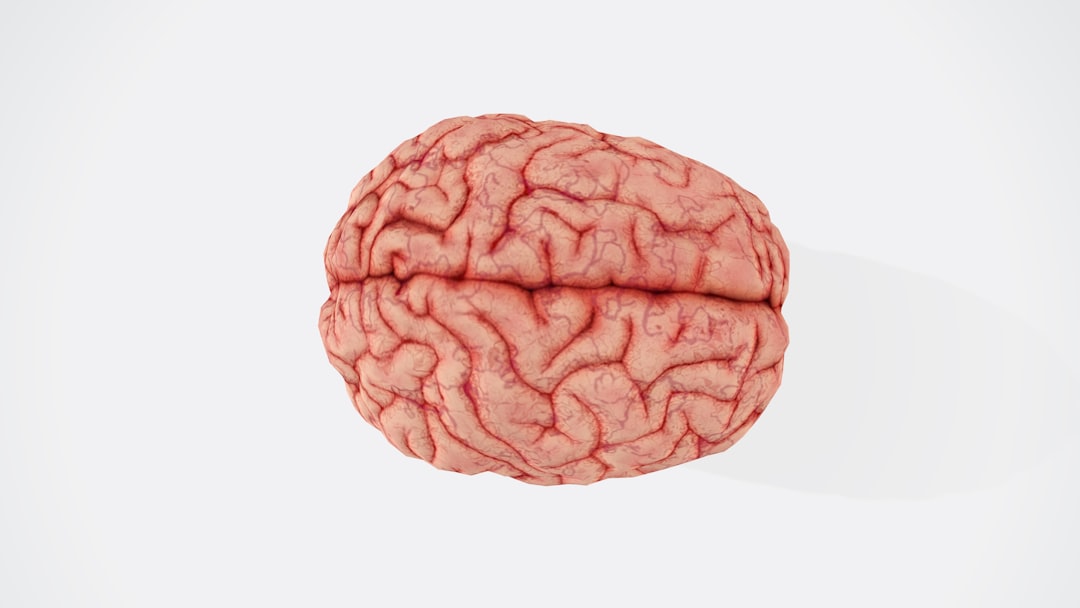
Imagine yourself standing at a crossroads, a million paths stretching out before you. Which direction do you choose? What guides your decision? For centuries, humanity has looked to the stars, to maps, to intuition for guidance. But what about the most intricate and powerful navigation system you possess – your own brain? Does it, in its labyrinthine complexity, possess an inherent compass, a mechanism that points you towards safety, reward, or even a specific destination? This is the fascinating question we’re about to explore as you embark on a journey into your own mind.
Your brain, a marvel of biological engineering, is constantly processing information, making predictions, and directing your actions. It’s the architect of your reality, the conductor of your orchestra. But how does it manage the seemingly effortless feat of navigating your physical environment, your social interactions, and even the abstract landscape of your thoughts and desires? The answer, as you’ll discover, is far more nuanced and remarkable than a simple magnetic needle pointing north.
The Brain’s Internal Mapping System: More Than Just Memory
You might initially think of navigation as solely a physical act, like finding your way from your home to your favorite café. But your brain’s navigational abilities extend far beyond that. It creates and maintains intricate mental maps, not just of physical spaces, but of relationships, concepts, and even future possibilities. These maps are dynamic, constantly being updated and refined with every new experience.
Place Cells and the Cognitive Map
At the heart of your brain’s spatial navigation lies a remarkable discovery: place cells. These are neurons, primarily found in the hippocampus, that fire specifically when you are in a particular location. Think of them as tiny beacons, each lighting up when you occupy its designated spot in space. When you combine the firing patterns of thousands of these place cells, your brain constructs what scientists call a “cognitive map.” This map isn’t a static blueprint; it’s a fluid representation of your environment, allowing you to move through it, recall routes, and even imagine traversing unseen paths.
How Place Cells Work in Practice
Consider your commute. The first few times, you might rely on explicit directions or visual cues. But soon, your brain begins to build a place cell representation of the route. As you turn left at the familiar intersection, a specific set of place cells might become active. Approaching the park, another set ignites. Over time, your brain stitches these individual place cell activations together, creating a seamless cognitive map that allows you to navigate without conscious effort. You don’t think about each turn; you simply know where to go. This is the power of the cognitive map in action.
Beyond the Hippocampus: A Network Effort
While the hippocampus is undeniably central to spatial memory and mapping, it’s not acting in isolation. Other brain regions, such as the entorhinal cortex, the prefrontal cortex, and the parietal cortex, all play crucial roles. The entorhinal cortex, for instance, contains “grid cells” that fire at regular intervals as you move, creating a kind of internal coordinate system. The prefrontal cortex is involved in planning and decision-making, helping you choose the best route based on your goals. The parietal cortex integrates sensory information and plays a role in spatial awareness and attention. It’s a symphony of neural activity, each instrument contributing to the overall navigational performance.
Navigating the Abstract: Beyond Physical Space
Your brain’s capacity for navigation isn’t limited to the physical world. You navigate social hierarchies, understand complex ideas, and chart courses through your emotional lives. These are often referred to as “conceptual spaces” or “semantic spaces.”
Social Navigation: Reading the Room
Think about how you navigate a social gathering. You’re not just looking at faces; you’re processing body language, tone of voice, and subtle social cues. Your brain is constantly building a map of relationships, understanding who is connected to whom, who holds influence, and who might be a potential ally or adversary. This social navigation is crucial for survival and social bonding. You can often “feel” when a situation is awkward or when someone is feeling left out, demonstrating your brain’s sophisticated ability to navigate these complex social terrains.
Navigating Information: Building Conceptual Frameworks
When you learn something new, whether it’s a historical event, a scientific theory, or a new skill, your brain is essentially building a new section of a conceptual map. It’s about understanding how new information fits in with existing knowledge, forming connections, and creating a coherent framework. This is how you can reason, solve problems, and make predictions about future outcomes based on what you’ve learned. The more interconnected your conceptual maps are, the better you are at understanding and interacting with the world.
Recent research has sparked interest in the idea that the human brain may possess a built-in compass, aiding in navigation and spatial awareness. This intriguing concept is explored in detail in the article “Does the Human Brain Have a Compass?” found on Freaky Science. To delve deeper into this fascinating topic and understand the mechanisms behind our brain’s navigational abilities, you can read the full article here: Does the Human Brain Have a Compass?.
The Brain’s “Compass” Points: Reward, Danger, and Goals
So, if your brain has internal maps, what directs you on those maps? What tells you which way to go when you have multiple options? This is where the concept of a “compass” becomes more relevant, not as a literal device, but as a set of guiding principles and motivations. Your brain is hardwired to seek reward and avoid danger, and these fundamental drives act as powerful directional forces.
The Reward System: The Allure of Dopamine
The brain’s reward system, heavily influenced by the neurotransmitter dopamine, plays a pivotal role in guiding your behavior. When you engage in activities that are beneficial for your survival or well-being – eating, socializing, learning, achieving goals – your brain releases dopamine, creating a feeling of pleasure and reinforcing that behavior. This creates a strong pull, a directional impetus towards those rewarding experiences.
Dopamine as a “Go” Signal
Think of dopamine as a “go” signal for your brain. When you anticipate a reward, your dopamine levels rise, motivating you to take action. This is why you might feel a surge of excitement when you’re about to achieve a long-term goal, or why you might find yourself craving your favorite treat. Your brain is essentially saying, “Go in this direction, there’s something good waiting for you.” This anticipation is a powerful navigational tool, shaping your choices and guiding your efforts.
The Role of the Nucleus Accumbens and Ventral Tegmental Area
Key players in this reward system include the nucleus accumbens and the ventral tegmental area (VTA). The VTA produces dopamine, which is then released into various brain regions, including the nucleus accumbens, which is strongly associated with pleasure and motivation. When you experience a rewarding event, these areas become highly active, strengthening the neural pathways that led you there and making you more likely to repeat the behavior.
The Threat Detection System: Survival Instincts
Conversely, your brain is also acutely attuned to potential threats. The amygdala, a small almond-shaped structure deep within your brain, is central to processing fear and threat. When it detects danger, it triggers a cascade of physiological responses – the “fight-or-flight” response – designed to protect you. This system acts as a powerful repellent, pushing you away from hazardous situations and guiding you towards safety.
The Amygdala’s Role in Fear-Based Navigation
Imagine walking down a dimly lit street and hearing a sudden, sharp noise. Your amygdala immediately kicks into high gear, signaling danger. This triggers an increased heart rate, rapid breathing, and a heightened sense of alertness. Your brain isn’t just passively receiving information; it’s actively directing you to assess and respond to the potential threat. This fear-based navigation is crucial for survival, ensuring you avoid predators, dangerous environments, and harmful interactions.
From Instinct to Learned Avoidance
While some threat responses are innate, your brain also learns to associate certain stimuli with danger. If you have a negative experience in a particular place, your amygdala can create a lasting association, making you wary of returning. This learned avoidance is another form of navigational guidance, helping you to steer clear of situations that have proven to be harmful in the past.
Internal Cues and External Triggers: The Interplay of Navigation
Your brain’s navigational abilities are not purely internal. They are a dynamic interplay between your internal states and the external world. You are constantly receiving cues from your environment, and these cues interact with your internal motivations and memories to guide your actions.
Sensory Input: The Eyes, Ears, and More
Your senses are your primary gateway to the external world. The sights, sounds, smells, and textures you experience provide crucial information for navigation. Your visual cortex processes the landscape, identifying landmarks and potential paths. Your auditory system detects sounds that might indicate the presence of others or potential dangers. Even your sense of smell can play a role, helping you recognize familiar places or track prey.
Integrating Multimodal Information
The true power of your brain’s navigation lies in its ability to integrate information from multiple senses. You don’t just see a path; you also hear the rustling leaves and feel the texture of the ground beneath your feet. This multimodal integration creates a richer, more robust understanding of your environment, allowing for more precise and adaptive navigation.
Internal Cues: Hunger, Thirst, and Emotion
Beyond external stimuli, your internal states also act as navigational cues. Feelings of hunger and thirst, for example, will direct you towards sources of food and water. Emotions, too, can serve as powerful directional signals. Feeling anxious might prompt you to seek a safe haven, while feelings of curiosity might lead you to explore new territory.
The Interoceptive Network: Knowing Your Internal State
A crucial part of this is your brain’s interoceptive network, which monitors the internal state of your body. It’s your brain’s ability to “feel” your gut, your heart, and your muscles. This internal awareness is deeply intertwined with your emotions and motivations, providing another layer of guidance for your actions. When you’re feeling “off,” your interoceptive system is sending signals that can influence your decisions and direct your behavior.
The Neural Basis of Directionality: Is There a “North Star”?
While your brain doesn’t have a literal magnetic compass, researchers are exploring neural mechanisms that might serve a similar directional function. This involves understanding how specific neural circuits are activated and how they might represent direction and intention.
Head Direction Cells: The Brain’s Internal Gyroscope
Similar to place cells, there are also “head direction cells” in the brain. These neurons fire when your head is pointing in a particular direction, regardless of your location. Think of them as an internal gyroscope, providing your brain with a sense of orientation. When you turn your head left, a specific set of head direction cells will become active. This information is vital for maintaining your orientation within your cognitive map.
The Role of the Supramammillary Nucleus and Lateral Mammillary Nucleus
These head direction cells are thought to be organized in a circular fashion, forming a “head direction signal” that represents all 360 degrees of potential orientation. They receive input from various sensory modalities and are believed to be crucial for maintaining a consistent sense of direction as you move through your environment. Key brain regions involved include the supramammillary nucleus and the lateral mammillary nucleus.
Goal-Directed Navigation: The Prefrontal Cortex’s Role
When you have a specific goal in mind – reaching a destination, finding a particular object – the prefrontal cortex becomes heavily involved. This area is responsible for executive functions, including planning, decision-making, and working memory. It allows you to hold your goal in mind, evaluate different routes, and inhibit impulses that might lead you astray.
Path Integration: Estimating Your Position
Your brain also employs a process called “path integration.” This is a way of estimating your current position based on your movements and direction from a known starting point. It’s like keeping a mental log of how far you’ve traveled and in what direction, allowing you to calculate your location even without external landmarks. This is particularly useful in environments where visual cues are scarce.
Recent research has sparked interest in the idea that the human brain may possess a navigational system akin to a compass, allowing us to orient ourselves in space. This intriguing concept is explored further in an article that delves into the neural mechanisms behind spatial awareness and navigation. For those curious about the science behind this phenomenon, you can read more in this insightful piece on Freaky Science, which discusses how our brains process environmental cues to help us find our way.
The Future of Brain Navigation: Technology and Self-Understanding
As our understanding of the brain’s navigational systems deepens, it opens up exciting possibilities for both technological innovation and a more profound self-understanding.
Brain-Computer Interfaces and Navigation Aids
The research into neural mechanisms of navigation is paving the way for advanced brain-computer interfaces (BCIs). Imagine BCIs that can interpret your intentions and directly guide assistive devices, or even provide real-time navigational feedback through non-visual means for individuals with visual impairments. This could revolutionize how people with disabilities interact with the world.
Augmenting Human Navigation
Furthermore, technology could augment our existing navigational capabilities. Future navigation apps might not just tell you where to go, but also how to feel your way there, incorporating personalized cues based on your individual brain’s preferences and processing styles. This could lead to more intuitive and less stressful navigation experiences.
Towards Greater Self-Awareness: Understanding Your Inner Compass
Ultimately, exploring the question of whether your brain has a compass is a journey into self-awareness. By understanding the intricate mechanisms that guide your decisions, your motivations, and your movements, you can gain a deeper appreciation for the complexity and brilliance of your own mind. You can learn to better recognize your internal compass, to understand what truly drives you, and to chart a course that is both effective and fulfilling. It’s about recognizing that while there may not be a single, literal compass, your brain is a sophisticated navigation system, constantly guiding you through the myriad landscapes of your life. You are the explorer, and your brain is the most incredible map and compass you will ever possess.

Your Brain May Sense Earth’s Magnetic Field Without You Knowing
FAQs
1. What is the human brain’s compass?
The human brain’s compass refers to the neural mechanisms that enable us to navigate and orient ourselves in space. This includes the ability to understand our position in relation to our surroundings and to navigate from one location to another.
2. How does the human brain navigate and orient itself in space?
The human brain uses a combination of sensory information, including visual cues, auditory cues, and proprioceptive feedback from the body, to create a mental map of our surroundings. This information is processed in various regions of the brain, including the hippocampus and the entorhinal cortex.
3. What role does the hippocampus play in the brain’s navigation system?
The hippocampus is a key structure in the brain’s navigation system. It is involved in the formation of spatial memories and the integration of sensory information to create a cognitive map of the environment. Damage to the hippocampus can result in deficits in spatial navigation and memory.
4. Are there specific brain cells dedicated to navigation?
Yes, there are specialized neurons called “place cells” and “grid cells” that have been identified in the brain. Place cells, found in the hippocampus, are activated when an individual is in a specific location, while grid cells, found in the entorhinal cortex, fire in a grid-like pattern as an individual moves through space.
5. How do researchers study the brain’s navigation system?
Researchers use a variety of techniques to study the brain’s navigation system, including neuroimaging methods such as fMRI and PET scans, as well as electrophysiological recordings from individual neurons in animal models. Virtual reality environments and behavioral tasks are also used to study spatial navigation in humans and animals.