You feel it, don’t you? That subtle, almost imperceptible hum that permeates your existence. It’s not a sound, not exactly, but a sensation, a constant presence that you’ve likely never consciously acknowledged. This unseen force, this invisible shield, is Earth’s magnetic field, and its influence on your brain is far more profound than you might imagine. You navigate your world, make decisions, and even experience emotions, all while subtly, perhaps unknowingly, interacting with this fundamental aspect of your planet.
The Invisible Architect: Understanding Earth’s Magnetic Field
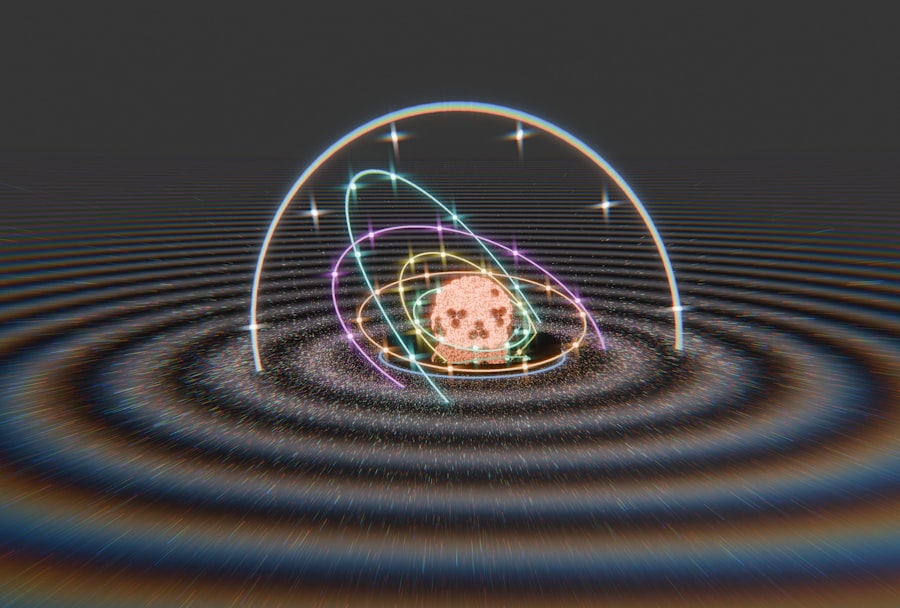
Before delving into its impact on your grey matter, it’s crucial to grasp what this magnetic field actually is. Imagine your planet as a giant bar magnet, albeit a much more complex and dynamic one. This immense magnetic field originates deep within Earth’s core, a molten, churning sea of iron and nickel. This geodynamo, as it’s known, generates electrical currents, which in turn produce the magnetic field that extends thousands of kilometers into space. It’s this field that envelops you, forming a protective bubble – the magnetosphere – that deflects harmful charged particles from the sun, the solar wind. Without it, life as you know it on Earth would be impossible.
The Geodynamo: A Planetary Powerhouse
Your planet’s molten core is the engine behind this vital magnetic field. The slow, convective movement of this metallic liquid creates a self-sustaining dynamo. It’s a process so powerful and intricate that scientists are still unraveling its full complexities. Think of it as a colossal, natural generator, constantly powering the magnetic shield that keeps you safe.
The Magnetosphere: Your Cosmic Umbrella
The magnetosphere is your personal, planetary shield. It’s this region of space where the magnetic field dominates the solar wind. When those energetic particles from the sun barrage Earth, they are deflected by the magnetosphere, preventing them from wreaking havoc on your atmosphere and, by extension, your biological systems. You are, in essence, protected by an invisible, magnetic force field.
Fluctuations and Shifts: A Dynamic Entity
It’s important to remember that Earth’s magnetic field isn’t static. It fluctuates in strength and direction, and even undergoes periodic reversals over geological timescales. While these shifts are slow and gradual from a human perspective, they highlight the dynamic nature of this fundamental force. You are living on a magnetically active planet.
Recent research has explored the intriguing connection between Earth’s magnetic field and its potential effects on the human brain. A related article discusses how variations in geomagnetic activity may influence cognitive functions and mental health. For more insights on this fascinating topic, you can read the article here: Freaky Science.
Navigating the Neural Landscape: How Your Brain Interacts with Magnetism
Now, let’s bring it back to you. How does this grand, planetary magnetic phenomenon actually touch your brain, that intricate network of neurons and synapses responsible for all your thoughts, feelings, and actions? The answer lies in the delicate electrical and chemical processes that govern brain function. Your brain is a symphony of electrical impulses, and these impulses can, under certain circumstances, interact with external magnetic fields.
Magnetoreception: The Sixth Sense?
One of the most intriguing areas of research is the concept of magnetoreception – the ability of organisms to sense magnetic fields. While you might not consciously perceive your brain’s interaction with Earth’s magnetic field, many animals, from birds and insects to fish and even some mammals, demonstrably use it for navigation. This raises the question: do you possess a rudimentary, perhaps vestigial, form of magnetoreception? Scientists are exploring this possibility, looking for biological mechanisms that could detect these subtle magnetic cues.
The Bird Brain’s Compass
Consider the remarkable migratory journeys of birds. They can traverse vast distances, navigating with astonishing accuracy, often over unfamiliar terrain. Research strongly suggests that their ability to sense Earth’s magnetic field plays a crucial role in this innate compass. They possess specialized cells or molecules that can detect the direction and inclination of the magnetic field, guiding their flight.
Beyond Navigation: Other Potential Applications
While navigation is the most well-understood application of magnetoreception in the animal kingdom, scientists speculate about other potential roles. Could magnetic cues influence seasonal behaviors, internal clocks, or even foraging patterns in some species? The more we learn, the more we realize the multifaceted ways life has evolved to interact with its magnetic environment.
Recent studies have begun to explore the intriguing connection between Earth’s magnetic field and its potential effects on the human brain. Researchers are investigating how variations in geomagnetic activity might influence cognitive functions and emotional well-being. For a deeper understanding of this fascinating topic, you can read more in this related article on the subject. The findings could shed light on the complex interplay between our environment and mental processes, revealing how something as seemingly distant as the Earth’s magnetic field can have a profound impact on our daily lives. To learn more, visit this article.
The Biophysical Mechanisms: Unraveling the ‘How’
The exact biological mechanisms by which your brain might detect or be influenced by magnetic fields are still a subject of intense scientific investigation. Several hypotheses are being explored, each with its own set of supporting evidence. Understanding these mechanisms is key to unlocking the full extent of Earth’s magnetic influence on your cognitive processes.
Cryptochromes and Radical Pairs
One prominent theory centers on a class of proteins called cryptochromes. These light-sensitive molecules, present in your eyes and other tissues, are thought to be involved in your circadian rhythms. Within cryptochromes, a process involving the formation of “radical pairs” – unstable molecules with unpaired electrons – could be sensitive to magnetic fields. Changes in the magnetic field could influence the spin states of these electrons, ultimately affecting downstream signaling pathways in your brain.
Magnetite: Tiny Magnetic Crystals
Another compelling avenue of research involves magnetite, a naturally occurring magnetic iron oxide. Tiny crystals of magnetite have been found in various tissues of some animals, including the brain. It’s hypothesized that these microscopic magnets could act as biological compasses, physically aligning with the Earth’s magnetic field and triggering neural signals. While definitive proof in humans is still being sought, the presence of magnetite in some human tissues keeps this possibility alive.
Ion Cyclotron Resonance (ICR)
A more speculative theory, known as Ion Cyclotron Resonance (ICR), proposes that oscillating magnetic fields can influence the movement of ions within your cells. If the frequency of the oscillating field matches the natural cyclotron frequency of certain ions, it could amplify their movement, potentially impacting cellular processes and neural activity. This theory, however, is less widely accepted within the scientific community.
The Subtle Symphony: How Magnetic Fields Might Affect Your Mood and Cognition
Even if you don’t consciously “feel” the magnetic field, it’s plausible that it exerts a subtle, pervasive influence on your brain’s functioning, potentially affecting your mood, cognition, and even your sleep-wake cycles. The sheer pervasiveness of the magnetic field suggests that its interaction with your biological systems, however subtle, could have cumulative effects.
Mood and Mental Well-being: A Magnetic Connection?
Anecdotal evidence and some preliminary studies hint at a potential link between magnetic field fluctuations and changes in mood and overall mental well-being. Some individuals report experiencing headaches, fatigue, or heightened irritability during periods of intense geomagnetic activity. While these claims are often met with skepticism, the possibility that magnetic variations could influence neurotransmitter levels or stress responses in your brain warrants further investigation.
Geomagnetic Storms and Emotional Responses
Geomagnetic storms, caused by intense solar activity, result in significant disturbances in Earth’s magnetic field. While the direct impact on your brain is not fully understood, some researchers are exploring whether these events correlate with increased instances of anxiety, depression, or sleep disturbances. The complex interplay between your neurochemistry and these external environmental factors is a rich area for exploration.
The Placebo Effect and Beyond
It’s crucial to acknowledge the significant role of the placebo effect in many of these reported experiences. However, the consistent nature of some observations, even after accounting for placebo, suggests that there might be underlying biological mechanisms at play. The challenge lies in isolating these mechanisms from psychological influences.
Cognitive Performance: A Magnetic Influence on Your Thoughts?
Beyond mood, there’s also speculation about whether Earth’s magnetic field can subtly influence your cognitive abilities, such as concentration, memory, and decision-making. If your brain’s electrical activity is influenced by magnetic fields, it’s not unreasonable to consider the potential impact on tasks requiring focused attention or complex thought processes.
Attention and Focus: A Shifting Magnetic Landscape
Some studies have explored whether variations in the geomagnetic field correlate with fluctuations in your ability to concentrate or maintain focus. Could periods of heightened magnetic activity, for instance, lead to subtle impairments in attention, making it harder to engage in demanding cognitive tasks? The research in this area is still in its nascent stages, but the questions it raises are compelling.
Sleep-Wake Cycles and Circadian Rhythms
Your circadian rhythm, your internal biological clock that regulates sleep-wake cycles, is influenced by various environmental cues, including light. However, there’s also interest in whether the geomagnetic field might play a role. Disruptions in magnetic field strength or direction could, in theory, subtly interfere with the finely tuned mechanisms that govern your sleep patterns, leading to fatigue or altered sleep quality.
Environmental Influences: Beyond Your Brain
The influence of Earth’s magnetic field extends beyond your individual brain, impacting the broader environment and, consequently, indirectly affecting you. Its protective role is paramount, and any significant changes to this shield would have widespread consequences.
Protecting Life from Solar Radiation
As mentioned earlier, the magnetosphere is your planet’s primary defense against harmful solar and cosmic radiation. Without this magnetic shield, the charged particles would strip away your atmosphere over time, exposing the surface to lethal levels of radiation. Your very existence is dependent on this invisible force.
The Atmosphere’s Guardian Angel
Your atmosphere is a precious resource, and the magnetic field plays a critical role in its preservation. It deflects the solar wind, preventing it from eroding the upper layers of your atmosphere. This protective action has allowed for the evolution of complex life on Earth.
The Threat of Solar Flares
While the magnetosphere is robust, intense solar flares can still lead to significant geomagnetic storms. These events can temporarily weaken the magnetic field and allow increased radiation to penetrate the atmosphere. This can have consequences for technology, such as satellite operations and power grids, and raises questions about potential biological impacts.
The Future of Magnetic Field Research: Uncharted Territories
The study of Earth’s magnetic field and its influence on life, particularly the human brain, is a rapidly evolving field. As technology advances and our understanding of neuroscience deepens, we are uncovering new and exciting possibilities.
Advanced Measurement Techniques
New sensor technologies and sophisticated analytical methods are allowing scientists to measure magnetic fields with unprecedented accuracy and to correlate these measurements with biological data. This is opening doors to more rigorous and nuanced research.
Interdisciplinary Collaboration
The most significant breakthroughs in this area are likely to come from interdisciplinary collaborations. Neuroscientists, geophysicists, biologists, and physicists are increasingly working together to unravel the complex interplay between Earth’s magnetic field and life.
The Long-Term Implications
Understanding the long-term effects of even subtle magnetic field variations on human health and cognition is a crucial area for future research. As our technological dependence on magnetic fields grows (think of magnetic resonance imaging – MRI), so does the need to understand our innate connection to this fundamental force. You are living within a dynamic, magnetic system, and your brain, in its intricate complexity, is likely a sensitive participant in this grand, cosmic dance. The more you learn about Earth’s magnetic field, the more you might begin to appreciate the invisible forces that shape your reality.

Your Brain May Sense Earth’s Magnetic Field Without You Knowing
FAQs
1. What is Earth’s magnetic field?
Earth’s magnetic field is a protective shield that surrounds the planet and extends into space. It is generated by the movement of molten iron in the Earth’s outer core.
2. How does Earth’s magnetic field affect the brain?
Research suggests that the Earth’s magnetic field may have an influence on the human brain’s functions, including sleep patterns, mood, and cognitive performance.
3. Can changes in Earth’s magnetic field impact human health?
Some studies have indicated that fluctuations in the Earth’s magnetic field may be associated with changes in human health, such as increased risk of depression, anxiety, and other mental health issues.
4. Are there any potential benefits of Earth’s magnetic field on the brain?
While the exact mechanisms are not fully understood, some researchers believe that exposure to the Earth’s magnetic field may have potential benefits for brain function and overall well-being.
5. How can we protect ourselves from potential negative effects of Earth’s magnetic field?
There is currently no practical way to shield ourselves from the Earth’s magnetic field. However, maintaining a healthy lifestyle and seeking professional help for mental health issues can help mitigate any potential negative effects.