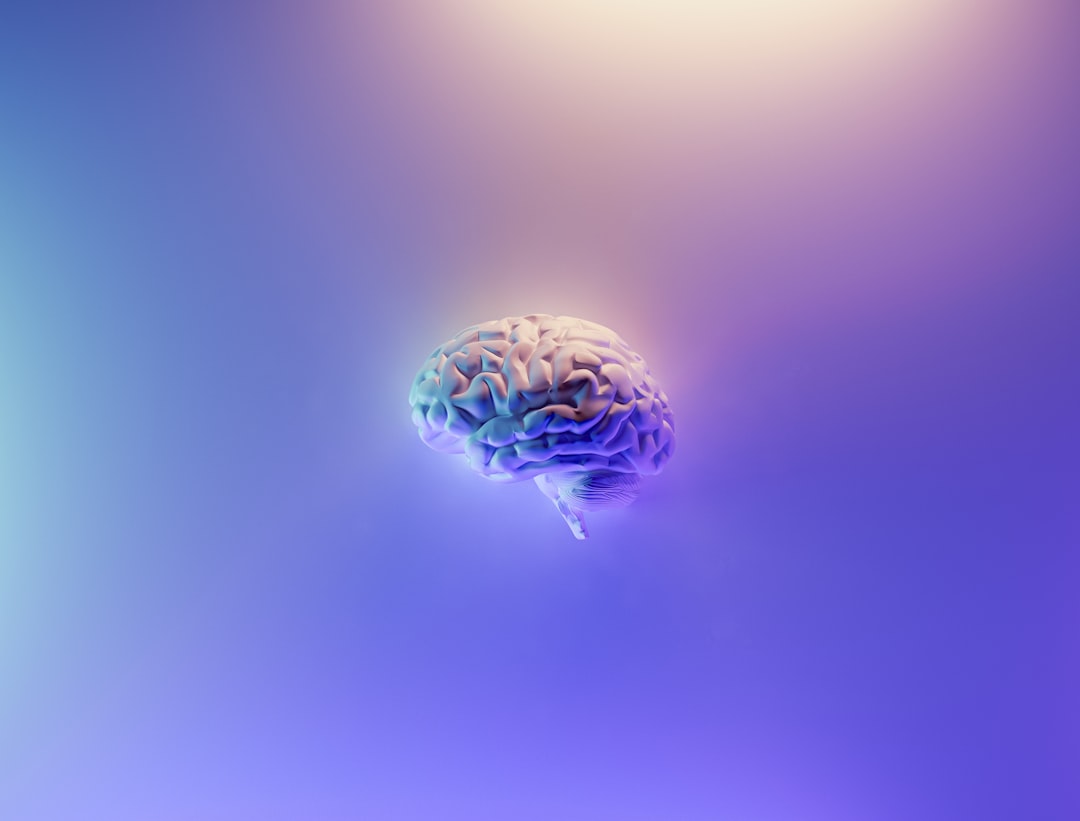
You think you know what you can perceive. You navigate your world through sight, sound, smell, taste, and touch – the five pillars of your sensory experience. But what if I told you that beneath this familiar surface, your brain is constantly processing a wealth of information you’re not consciously aware of? You possess a sophisticated internal radar, a hidden layer of perception that shapes your decisions, influences your emotions, and allows you to interact with your environment in ways far more nuanced than you might imagine. This article will guide you on a journey into the fascinating neuroscience behind these “secret perceptions,” unveiling the remarkable capabilities of your own brain.
The Foundation: More Than Just the Five Familiar Senses
Your understanding of senses is likely built upon the classical five, a concept dating back to ancient philosophy. However, modern neuroscience reveals a far richer tapestry of sensory input. Your brain is a master interpreter, not just of the obvious, but of the subtle, the internal, and the seemingly impossible. These hidden senses are not relegated to some esoteric realm; they are fundamental to your very existence, influencing everything from your balance to your hunger.
Beyond Vision: The Unseen World of Proprioception and Vestibular Sense
While your eyes feast on the visual landscape, your body is engaged in a silent, constant dialogue with itself. You are profoundly aware of your body’s position and movement, even with your eyes closed. This is thanks to proprioception, often dubbed the “sixth sense.” It’s the internal GPS that tells your brain where your limbs are in space, allowing you to reach for a cup without looking, or walk a familiar path in the dark. Without it, your movements would be clumsy and uncoordinated.
Proprioception: The Body’s Internal Compass
Imagine trying to tie your shoelaces with your eyes shut. You can do it because specialized receptors in your muscles, tendons, and joints send continuous signals to your brain. These signals report on stretch, tension, and pressure, creating a dynamic map of your body’s configuration. This internal map is crucial for motor control, allowing for precise and fluid movements. It’s also fundamental for learning new motor skills, from riding a bicycle to playing a musical instrument. The intricate network of proprioceptors ensures that your brain has an accurate and up-to-the-minute understanding of your physical state.
The Vestibular System: Your Internal Gyroscope
Closely intertwined with proprioception is your vestibular system, located in your inner ear. This remarkable sensory organ is your internal gyroscope, responsible for your sense of balance, spatial orientation, and even your ability to perceive acceleration and deceleration. It’s what allows you to stand upright, to maintain your equilibrium when walking on uneven ground, and to feel the subtle shifts in motion when you’re in a car or on a plane.
Sensing Gravity and Movement
The vestibular system comprises two main components: the semicircular canals and the otolith organs. The three semicircular canals are oriented in different planes and detect rotational movements of your head, such as nodding or turning. The otolith organs, the utricle and saccule, detect linear acceleration (like moving forward or backward) and the pull of gravity. The fluid within these structures moves in response to motion, stimulating tiny hair cells that send signals to your brain, informing it about your orientation in space. This constant stream of information is vital for preventing falls and for coordinating your movements with your visual perception.
In exploring the fascinating field of neuroscience, the concept of hidden senses has gained significant attention, revealing how our brains process information beyond the traditional five senses. For a deeper understanding of this intriguing topic, you can read a related article that delves into the complexities of sensory perception and the brain’s ability to interpret stimuli in unexpected ways. Check out the article here: Freaky Science.
The Interoceptive Landscape: Your Body’s Inner Voice
While you might readily acknowledge your external senses, your internal sensory world is equally, if not more, crucial for your well-being and behavior. Interoception refers to the sense of the physiological state of your own body. It’s the feeling of hunger, thirst, pain, temperature, and even the subtle sensations associated with emotions. This hidden sense provides a continuous stream of data about your internal environment, guiding your survival instincts and influencing your emotional states.
Hunger and Thirst: The Primal Signals of Survival
You don’t just “decide” to eat or drink; your body signals its needs through complex interoceptive pathways. Hormones released in response to low blood sugar or dehydration travel to your brain, triggering the subjective sensations of hunger and thirst. These are not merely inconveniences; they are powerful motivators that ensure you seek out the resources necessary for survival.
The Gut-Brain Connection: A Two-Way Street
The intricate relationship between your gut and your brain is a cornerstone of interoception. Your gut is lined with millions of neurons, forming what’s often called the “second brain.” This gut-brain axis constantly communicates, influencing everything from digestion to mood. Signals from your gut can inform your brain about nutrient availability, inflammation, and even stress levels, all contributing to your subjective experience of well-being.
Hormonal Messengers: Ghrelin and Leptin
Key players in the hunger-interception game are hormones like ghrelin, often called the “hunger hormone,” which stimulates appetite, and leptin, the “satiety hormone,” which signals fullness. These hormones, produced and regulated by your digestive system and fat cells, are detected by specialized receptors in your brain, directly influencing your desire to eat. You might not consciously register their presence, but their signals are undeniably shaping your behavior.
Pain and Temperature: Your Body’s Warning System
Pain and temperature are fundamental interoceptive senses that act as critical warning systems. A sharp pain tells you you’ve been injured, prompting you to withdraw and protect yourself. The sensation of heat or cold alerts you to potentially dangerous environmental conditions. These signals are not just about physical discomfort; they are essential for self-preservation.
Thermoreception: Sensing the Heat and Cold
Your skin is equipped with specialized nerve endings called thermoreceptors that detect changes in temperature. These receptors send signals to your brain, allowing you to perceive warmth and cold. This information is vital for regulating your body temperature, preventing hypothermia or heatstroke, and for making adaptive choices about clothing and shelter.
Nociception: The Perception of Harm
Nociception is the sensory nervous system’s process of encoding noxious stimuli. While often conflated with pain, it’s important to distinguish the detection of harmful stimuli from the subjective experience of pain, which is a more complex brain construct. However, the signals generated by nociceptors are the primary drivers of the pain sensation. These specialized receptors are activated by extreme temperatures, mechanical damage, or chemical irritants, alerting your brain to potential tissue damage.
The Subtle Art of Sensing Time and Space
Beyond the tangible, your brain possesses an uncanny ability to perceive abstract dimensions like time and space, often without explicit conscious effort. These are not senses in the traditional way we think of sight or sound, but rather sophisticated cognitive and neural processes that create a sense of continuity and order in your experience.
The Internal Clock: Your Perception of Time
You don’t need a watch to know that minutes are passing. Your brain has an internal clock, a complex system that allows you to experience the passage of time. This “time perception” is notoriously subjective, influenced by attention, emotion, and even your physiological state.
Circadian Rhythms: The Body’s Daily Master Schedule
One of the most fundamental aspects of your internal clock is your circadian rhythm, a roughly 24-hour cycle that influences sleep-wake patterns, hormone release, and other physiological processes. This rhythm is regulated by a master clock in your brain called the suprachiasmatic nucleus (SCN), which is synchronized by light cues from your environment. Even when you’re unaware of it, your circadian rhythm is dictating your daily biological schedule.
Time Perception and Memory
Your perception of time is deeply intertwined with your memory. When you experience a novel or engaging event, time often seems to fly by. Conversely, periods of boredom or monotony can feel incredibly long. This is because your brain encodes new information more densely during engaging experiences, leading to a compressed subjective experience of time.
Spatial Awareness: Navigating Your World
Your ability to understand and navigate physical space is a remarkable feat of neural processing. Beyond simply seeing objects, your brain constructs a mental map of your surroundings, allowing you to move through them safely and efficiently.
Cognitive Maps: Building Your Internal Atlas
Your brain doesn’t just process individual sensory inputs; it integrates them to create a coherent representation of your environment. This “cognitive map” allows you to understand the relationships between different locations, to plan routes, and to find your way even in unfamiliar territory. Neuroscientists have identified specialized neurons in the brain, such as “place cells” and “grid cells,” that are believed to be fundamental to the formation and function of these cognitive maps.
Egocentric vs. Allocentric Navigation
Your navigation system can operate in two primary modes: egocentric and allocentric. Egocentric navigation uses your own body as a reference point (“I am here, the store is to my left”). Allocentric navigation, on the other hand, uses external landmarks and their relationships to create a map of the environment independent of your own position (“The store is north of the park”). Both are crucial for effective navigation.
The Emotional Undercurrent: Sensing Your Own Feelings
Your emotions are not just fleeting feelings; they are complex physiological and psychological states that are deeply rooted in your sensory and interoceptive experiences. Your brain constantly monitors your internal state and interprets these signals to generate subjective emotional responses.
Affective Touch: The Power of Gentle Contact
You might think of touch as simply sensing pressure or texture, but there’s a subtler form of touch that profoundly impacts your emotional well-being. Affective touch, the gentle, stroking touch often associated with social bonding, has a unique neural pathway.
C-Tactile Afferents: The Pleasure Pathways of Touch
Specialized nerve fibers called C-tactile afferents are particularly sensitive to slow, light touch. These fibers transmit signals to a specific area of your brain associated with processing pleasant emotional experiences. This is why a gentle caress from a loved one can be so comforting and why petting an animal can reduce stress. You’re not just feeling pressure; you’re experiencing an emotional response directly linked to the quality of the touch.
The Role of Oxytocin
The release of oxytocin, often called the “bonding hormone,” is closely associated with affective touch. This hormone plays a crucial role in social attachment, trust, and empathy, and its release is often triggered by gentle, positive social interactions, including physical touch.
The Gut-Brain Axis and Mood: An Intimate Connection
The communication between your gut and your brain, as mentioned earlier, extends beyond mere digestion. Your gut microbiome, the vast community of bacteria living in your digestive tract, significantly influences your mood and mental health.
Microbial Influence on Neurotransmitters
The bacteria in your gut can produce and metabolize neurotransmitters, the chemical messengers that regulate mood. For example, certain gut bacteria are involved in the production of serotonin, a key neurotransmitter linked to happiness and well-being. Imbalances in the gut microbiome have been associated with various mood disorders, including depression and anxiety.
Inflammation and Emotional State
The gut-brain axis also plays a role in inflammation. Chronic inflammation, often originating in the gut, can have a widespread impact on your body, including your brain, contributing to feelings of fatigue, irritability, and low mood. This highlights how your internal physiological state can directly influence your emotional landscape.
Recent advancements in the neuroscience of hidden senses have shed light on how our brains process stimuli beyond the traditional five senses. For those interested in exploring this fascinating topic further, a related article can be found at Freaky Science, which delves into the intricacies of sensory perception and the brain’s remarkable ability to interpret subtle cues from our environment. Understanding these hidden senses not only enhances our appreciation of human perception but also opens new avenues for research in neuroscience.
Beyond the Known: The Frontiers of Sensory Perception
The exploration of hidden senses is an ongoing and exciting area of neuroscience. Researchers are continually uncovering new ways in which your brain processes information, pushing the boundaries of what we understand about human perception. From detecting magnetic fields to perceiving subtle social cues, the future promises even more revelations about your extraordinary sensory capabilities.
Magnetoreception: Sensing the Earth’s Magnetic Field?
While not as well-established in humans as in some other animals (like birds and bees), there is ongoing research exploring the possibility of magnetoreception in humans – the ability to sense the Earth’s magnetic field. Some studies suggest that humans might have a subtle sensitivity to magnetic fields, which could potentially play a role in navigation or even in influencing our internal biological rhythms.
Cryptochromes and Magnetic Sensitivity
One potential mechanism for magnetoreception in humans involves proteins called cryptochromes, found in the retina of the eye. These molecules are known to be sensitive to light and have been implicated in avian magnetoreception. Researchers are investigating whether similar mechanisms might be at play in humans, allowing for a subconscious perception of magnetic fields.
Navigational Clues and Beyond
If humans do possess a degree of magnetoreception, it could offer subtle cues for spatial orientation or even influence our internal biological clocks. While not a primary sense, it could contribute to our overall spatial awareness in ways we are not yet fully aware of.
Social Cognition and Unconscious Perception
Your brain is a social organ, constantly processing subtle cues from others to navigate social interactions. Many of these perceptions occur unconsciously, allowing for fluid and intuitive social engagement.
Microexpressions and Body Language
You are adept at reading subtle facial cues, known as microexpressions, which can reveal a person’s true emotions even when they are trying to conceal them. Similarly, your brain constantly analyzes body language, posture, and tone of voice to gauge someone’s intent and emotional state, often without conscious thought.
Mirror Neurons and Empathy
The discovery of mirror neurons has revolutionized our understanding of social cognition. These neurons fire both when you perform an action and when you observe someone else performing the same action. This neural mechanism is believed to be fundamental to empathy, allowing you to understand and share the feelings of others by internally simulating their experiences.
Embracing Your Secret Perceptions
The journey into your hidden senses reveals a world far richer and more complex than you might have previously imagined. Your brain is a masterful interpreter, constantly weaving together a symphony of sensory information – both overt and subtle – to create your unique experience of reality. By understanding the neuroscience behind these secret perceptions, you gain a deeper appreciation for the intricate workings of your own mind and body. The next time you feel a pang of hunger, a sense of unease, or a surge of joy, remember the vast, unseen network of sensory processing that is continuously shaping your world. You are a finely tuned instrument, capable of perceiving far more than you consciously realize, and the exploration of these hidden senses is an ongoing, awe-inspiring adventure.

Your Brain May Sense Earth’s Magnetic Field Without You Knowing
FAQs
What are hidden senses in neuroscience?
Hidden senses in neuroscience refer to the sensory processes that are not traditionally recognized as part of the five basic senses (sight, hearing, taste, smell, and touch). These hidden senses include proprioception (awareness of body position), interoception (awareness of internal bodily sensations), and the sense of time, among others.
How does neuroscience study hidden senses?
Neuroscience studies hidden senses by examining the neural mechanisms and pathways involved in processing and interpreting sensory information beyond the traditional five senses. This involves using various imaging techniques, such as fMRI and EEG, to observe brain activity and understand how the brain integrates and processes hidden sensory information.
What is the significance of understanding hidden senses in neuroscience?
Understanding hidden senses in neuroscience is significant because it provides insights into how the brain perceives and responds to a wide range of sensory inputs, which can have implications for various aspects of human health and behavior. It can also lead to the development of new therapies for conditions related to sensory processing and perception.
What are some examples of hidden senses in neuroscience?
Examples of hidden senses in neuroscience include the sense of balance and spatial orientation (vestibular sense), the sense of body position and movement (proprioception), the sense of internal bodily sensations (interoception), and the sense of time perception. These hidden senses play crucial roles in everyday activities and bodily functions.
How can understanding hidden senses benefit society?
Understanding hidden senses in neuroscience can benefit society by improving our understanding of sensory processing disorders, chronic pain conditions, and mental health disorders. It can also lead to the development of new technologies and interventions to enhance sensory perception and improve overall well-being.