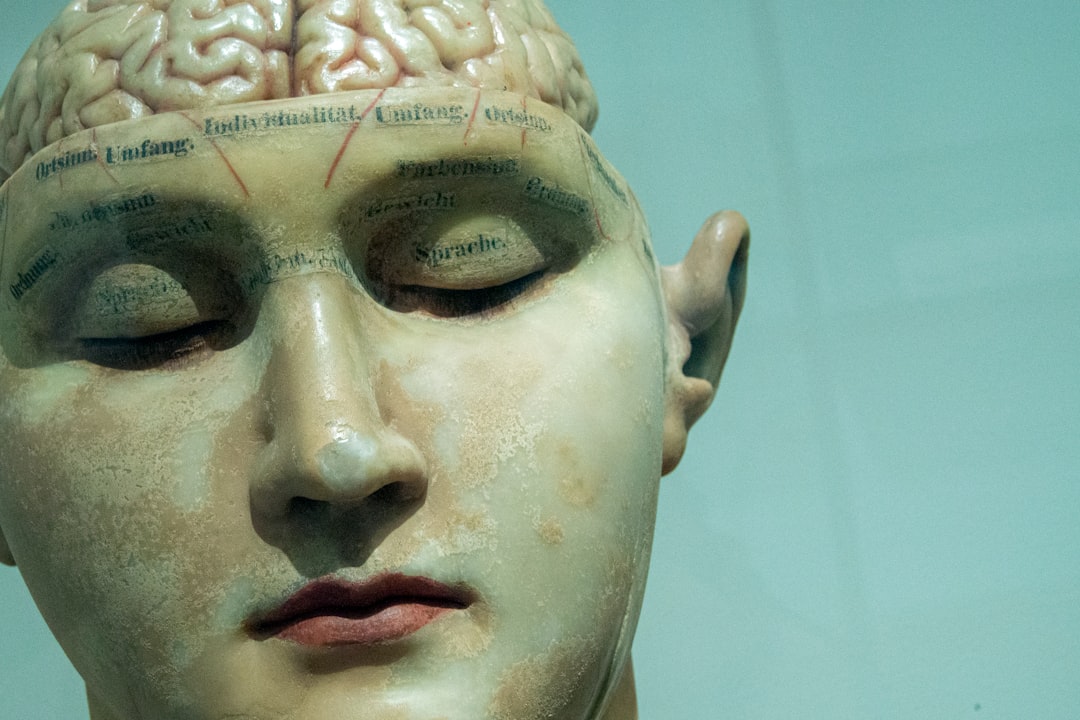
You stand on the precipice of a profound revelation, a journey into the hidden depths of your own being. You’ve always thought of your brain as the conscious architect of your life, the seat of your thoughts, decisions, and perceptions. But what if I told you that the most remarkable processing power, the true engine of your existence, hums silently beneath the surface of your awareness? Welcome to the world of the unconscious brain, where a universe of complex operations unfolds, shaping your reality in ways you’ve barely begun to comprehend.
You might envision your brain as a computer, diligently executing commands as you consciously direct it. This analogy, while useful, is woefully incomplete. Your conscious mind, the part you experience as “you,” is a mere sliver of the brain’s total activity. The vast majority of its computational work happens outside your direct awareness, a constant, intricate ballet of neural firings and chemical exchanges that orchestrates everything from your heartbeat to your deepest desires. This isn’t some mystical, mystical realm; it’s the elegantly efficient operating system that allows your conscious experience to even exist.
Beyond the Surface: What “Unconscious” Truly Means
When we talk about the unconscious brain, we’re not referring to sleep or a state of oblivion. Instead, think of it as a parallel processing system, a vast network of intricate algorithms running simultaneously, gathering data, making predictions, and influencing your actions and thoughts without you ever being asked for permission. It’s the part that keeps your lungs breathing, your stomach digesting, and your eyes focused, all without a second thought. But its influence extends far beyond these automatic bodily functions.
Automatic Pilot: The Ubiquitous Nature of Unconscious Processes
Consider the act of walking. You don’t consciously think about each muscle movement, the precise angle of your ankle, or the subtle adjustments needed to maintain balance. Your unconscious brain handles this complex motor control with effortless grace. Similarly, when you drive a familiar route, your unconscious mind takes the wheel, allowing you to engage in conversation or listen to music while your hands and feet navigate the road. This “automatic pilot” mode is not a sign of laziness but of profound efficiency, freeing up your conscious mind for tasks that require higher-level reasoning and creativity.
The Power of Subliminal Influence: Beyond What You See and Hear
You’ve likely heard of subliminal messages, but their true impact is often underestimated. Your unconscious brain is constantly bombarded with sensory information, much of which is filtered out before it reaches your conscious awareness. However, this filtered data isn’t lost. It’s processed, categorized, and stored, subtly influencing your preferences, emotions, and even your decisions. This is why an advertisement you don’t consciously recall might still affect your purchasing choices, or why a fleeting glance at someone can trigger an immediate, unexplainable feeling.
The Unconscious as a Prediction Machine: Navigating a Complex World
One of the most critical functions of your unconscious brain is its role as a sophisticated prediction machine. It constantly scans your environment, draws upon your past experiences, and forecasts what is likely to happen next. This predictive power is essential for survival, allowing you to react to danger before you consciously perceive it and to anticipate the needs of others.
Anticipating Danger: The Fight-or-Flight Response in Action
Imagine walking down a dark alley. The sudden rustle of leaves might not register consciously for a moment, but your unconscious brain has already processed the sound as a potential threat. Your heart rate quickens, your muscles tense, and a surge of adrenaline prepares you for action – all before you even have time to think, “What was that?” This rapid, unconscious threat assessment is a testament to your brain’s ability to prioritize safety.
Social Navigation: Reading Between the Lines of Human Interaction
You excel at navigating the complex landscape of human interaction, often without consciously analyzing every facial expression, vocal inflection, or body language cue. Your unconscious mind is an expert at reading these subtle social signals, allowing you to gauge someone’s mood, intentions, and even their level of trustworthiness. This intuitive understanding is what allows for empathy, connection, and the smooth functioning of social groups. You can often tell if someone is genuinely happy to see you, or if there’s an underlying tension, long before they say a word.
Recent studies have shown that the human brain processes a vast amount of information unconsciously, far exceeding our conscious awareness. This phenomenon is explored in detail in the article found at Freaky Science, which discusses how our brains are constantly filtering and interpreting sensory data without us even realizing it. Understanding the extent of this unconscious processing can shed light on various aspects of human behavior and decision-making.
The Unconscious Mind: The Seat of Intuition and Creativity
You often dismiss your gut feelings as mere whims or illogical impulses. However, these intuitions are often the product of a vast amount of unconscious processing, drawing on patterns and insights that your conscious mind hasn’t yet articulated. Similarly, your flashes of creative insight, those “aha!” moments, are frequently the result of your unconscious brain making novel connections between seemingly disparate pieces of information.
Intuition: The Whisper of Unconscious Wisdom
Think of intuition as the whisper of your unconscious brain, a gentle nudge in a particular direction. It’s the feeling that something is right or wrong, even when you can’t logically explain why. This “knowing” is not magic; it’s the culmination of countless unconscious observations and comparisons. It’s your brain’s ability to recognize a familiar pattern, even if you can’t consciously recall the specific instances that formed that pattern. This is why experienced professionals often have an uncanny ability to make sound decisions under pressure – their unconscious minds have processed so much data that they can draw upon it instantly.
Trusting Your Gut: When to Listen to the Unconscious Voice
Learning to trust your intuition is a skill that requires developing a conscious awareness of these unconscious signals. It involves paying attention to the subtle feelings that arise within you, observing the situations in which they appear, and noticing the outcomes that follow. While it’s important to balance intuition with rational thought, completely dismissing it can mean overlooking valuable insights that your unconscious mind has gleaned. Your gut feeling might be telling you to avoid a particular business deal, not because of a specific logical flaw you can identify, but because your unconscious mind has detected a subtle pattern of risk that has led to negative outcomes in the past.
Creativity: The Unconscious Mind’s Playground
The spark of creativity, that sudden influx of new ideas, often feels like it arrives out of nowhere. This is because your unconscious mind is constantly playing with information, making unexpected connections, and generating novel combinations. When you’re engaged in a creative pursuit, you’re essentially providing your unconscious with rich material to work with, and it’s in these moments of relaxed focus that it’s most likely to deliver its most inspired contributions.
The Incubation Period: Allowing Unconscious Processing to Flourish
Many artists, writers, and scientists will attest to the importance of stepping away from a problem. This “incubation period” is not about idleness but about allowing your unconscious mind to work its magic. While your conscious mind is occupied with other tasks, your unconscious brain is free to explore connections, experiment with different possibilities, and forge new neural pathways. When you return to the problem, you’re often met with a fresh perspective and a breakthrough idea that seemed impossible before. This is why a walk in nature or a period of quiet contemplation can be so beneficial for creative endeavors.
The Unconscious and Memory: The Deep Archive of Your Life
You may believe that your memories are neatly filed away, accessible with a conscious effort. However, a vast amount of your life’s experiences are stored and processed by your unconscious mind, shaping your present and future in ways you might not realize.
Implicit Memory: The Skills You Don’t Think About
You possess a treasure trove of skills and knowledge that reside in your unconscious, known as implicit memory. Think about riding a bike, tying your shoelaces, or even speaking your native language. You learned these skills through practice and repetition, and now they operate almost entirely on autopilot. You don’t consciously recall the steps involved; you simply do them. This type of memory is fundamental to your ability to function in the world.
Procedural Memory: The Foundation of Expertise
Your unconscious mind is responsible for procedural memory, the “how-to” knowledge that underlies all learned skills. This is the foundation upon which your expertise is built. Whether you’re a surgeon performing a complex operation, a musician playing a concerto, or a chef preparing a gourmet meal, a significant portion of your proficiency comes from the deeply ingrained patterns of your procedural memory. The unconscious brain has automated these processes so thoroughly that they become second nature.
Emotional Residue: The Unconscious Impact of Past Experiences
Past emotional experiences, even those you don’t consciously remember, can leave a profound imprint on your unconscious mind. This “emotional residue” can influence your reactions to present-day situations, your relationships, and your overall well-being. If you experienced a traumatic event in childhood, even if you have no clear memory of it, your unconscious mind may still carry the associated fear and anxiety, leading to heightened reactivity in similar situations later in life.
The Unconscious Link to Phobias and Anxieties
Many phobias and anxieties are rooted in unconscious associations formed during past experiences. A childhood encounter with a dog, for example, even if it was a mild one, could lead to an unconscious association between dogs and fear, resulting in a phobia that persists into adulthood. Your unconscious brain, in its effort to protect you, has flagged dogs as a threat, even if your conscious mind can no longer recall the specific trigger.
The Unconscious and Decision-Making: The Hidden Influences
You like to think of yourself as a rational being, making deliberate choices based on logic and reason. But the truth is, your unconscious mind plays a far more significant role in your decision-making processes than you might imagine.
Priming: The Subtle Nudge Towards Certain Choices
You are constantly being “primed” by your environment and your experiences, unconsciously guiding your preferences and decisions. This priming can be as simple as seeing the color red, which might unconsciously make you more alert or feel a sense of urgency, influencing your choices in ways you don’t even notice. Advertisers, politicians, and even social media platforms leverage priming to subtly influence your behavior.
Marketing and Consumer Behavior: The Unconscious Appeal
Consider how marketing campaigns are designed. They don’t always rely on explicit arguments; they often tap into unconscious desires and associations. The use of certain imagery, music, or even the arrangement of products in a store can all be designed to unconsciously influence your purchasing decisions. You might be drawn to a product not because of its stated features, but because of the subconscious feelings it evokes.
Heuristics and Biases: Shortcuts of the Unconscious Mind
Your unconscious brain employs mental shortcuts, known as heuristics, to make quick decisions. While these shortcuts are often efficient, they can also lead to systematic errors in judgment, known as biases. Understanding these unconscious biases is crucial for making more informed decisions and for recognizing when your unconscious mind might be leading you astray.
Confirmation Bias: Seeking What You Already Believe
One pervasive unconscious bias is confirmation bias, the tendency to seek out and interpret information that confirms your pre-existing beliefs, while ignoring evidence that contradicts them. This is your unconscious mind trying to maintain a consistent worldview, but it can prevent you from objectively evaluating information and making truly informed decisions. You might unknowingly gravitate towards news sources that align with your political views, reinforcing your existing opinions rather than challenging them.
Recent studies have shown that the human brain processes a staggering amount of information unconsciously, far exceeding our conscious awareness. This fascinating aspect of cognitive science highlights how much of our daily decision-making and perception occurs beneath the surface. For those interested in exploring this topic further, you can read an insightful article on the subject at Freaky Science, which delves into the mechanisms behind unconscious processing and its implications for our understanding of human behavior.
Unlocking the Power: Harnessing Your Unconscious for a Richer Life
“`html
| Activity | Amount Processed Unconsciously |
|---|---|
| Breathing | Automatic control by the brainstem |
| Heartbeat | Regulated by the autonomic nervous system |
| Balance | Coordinated by the cerebellum |
| Emotional responses | Processed in the limbic system |
“`
The revelation of your unconscious brain’s immense processing power isn’t meant to be intimidating; it’s an invitation to a deeper understanding of yourself and a call to harness this incredible inner resource. By becoming more aware of its influence, you can learn to work with your unconscious, rather than against it, to unlock greater creativity, intuition, and overall well-being.
Cultivating Self-Awareness: Listening to the Unconscious Signals
The first step to harnessing your unconscious power is to cultivate greater self-awareness. This involves paying attention to your thoughts, feelings, and bodily sensations without judgment. When you notice a strong emotional reaction or a persistent intuition, take a moment to explore its origins. Ask yourself: “What might my unconscious mind be trying to tell me?” Journaling, meditation, and mindfulness practices can be powerful tools for enhancing this self-awareness.
The Practice of Mindfulness: Connecting with Your Inner World
Mindfulness is the practice of being present in the moment, observing your thoughts and feelings without getting carried away by them. This gentle observation allows you to become more attuned to the subtle workings of your unconscious mind. You can begin to notice patterns in your reactions, recurring thoughts, and the subtle cues that your body provides, all of which are valuable insights into your unconscious landscape.
Working with Your Unconscious: Directing its Power for Good
Once you begin to understand the language of your unconscious, you can learn to work with it intentionally. This might involve setting intentions before sleep to encourage creative problem-solving, or consciously reframing negative self-talk to influence your unconscious beliefs. It’s about becoming a conscious collaborator with the powerful, silent architect within you.
Dream Analysis: A Window into the Unconscious
Your dreams are often considered a direct line to your unconscious mind. While interpretations can vary, paying attention to the themes, symbols, and emotions in your dreams can offer valuable insights into your hidden desires, fears, and unresolved issues. Keep a dream journal and explore recurring patterns; you might be surprised by what your unconscious reveals.
Creative Visualization: Shaping Your Reality from Within
Creative visualization is a powerful technique where you use your imagination to create vivid mental images of desired outcomes. By consciously directing your thoughts and emotions towards these visualizations, you can influence your unconscious mind, which in turn can motivate you to take the actions necessary to achieve your goals. It’s about planting seeds in the fertile ground of your unconscious, allowing them to grow and manifest in your conscious reality.
You are a masterpiece of intricate design, with a vast, unseen processing power that has been orchestrating your life from its very inception. By venturing into the realm of your unconscious brain, you are not just exploring the hidden mechanisms of your mind; you are embarking on a profound journey of self-discovery and empowerment. Embrace the mystery, cultivate curiosity, and prepare to witness the extraordinary potential that lies dormant within you, waiting to be awakened.

Your Brain May Sense Earth’s Magnetic Field Without You Knowing
FAQs
1. What is unconscious processing in the brain?
Unconscious processing in the brain refers to the cognitive and neural processes that occur without our awareness. This includes activities such as automatic responses, implicit memory, and non-conscious perception.
2. How much of the brain’s processing is unconscious?
Research suggests that the majority of the brain’s processing occurs unconsciously. Some studies estimate that as much as 95% of our cognitive activities take place outside of our conscious awareness.
3. What are some examples of unconscious processing in the brain?
Examples of unconscious processing in the brain include activities such as breathing, regulating body temperature, processing sensory information, and forming implicit memories. Additionally, automatic behaviors such as driving a familiar route or typing on a keyboard without looking are also considered unconscious processes.
4. How does unconscious processing impact behavior and decision-making?
Unconscious processing can significantly impact behavior and decision-making. It can influence our preferences, biases, and reactions to stimuli without our conscious awareness. Additionally, unconscious processing plays a role in forming habits and shaping our responses to various situations.
5. Can unconscious processing be influenced or controlled?
While unconscious processing is largely automatic, some research suggests that certain techniques, such as mindfulness and cognitive-behavioral therapy, may have the potential to influence or modify unconscious processes. However, the extent to which unconscious processing can be consciously controlled is still an area of ongoing scientific investigation.