
You are a living testament to an extraordinary evolutionary journey, a journey etched into the very fabric of your being – the evolution of your senses. For eons, your ancestors weren’t quite like you. Their worlds were painted with a different palette of sights, sounds, smells, tastes, and textures, all shaped by the relentless pressure to survive, to thrive, and to reproduce. Your senses are not static gifts; they are dynamic adaptations, honed by countless generations to perceive and interact with the ever-changing tapestry of your environment. To understand yourself is to delve into the remarkable story of how your senses came to be.
Imagine your earliest ancestors, perhaps tiny, single-celled organisms adrift in a primeval soup. Even at this nascent stage, the seeds of sensory perception were being sown. These organisms needed to detect vital cues: the presence of food, the absence of danger, and the conditions conducive to life.
Sensing the Chemical World: The Dawn of Chemoreception
The very first “senses” likely revolved around chemistry. Think of the simplest life forms detecting gradients of specific molecules in their environment. This was the genesis of chemoreception, the ability to detect chemical stimuli.
Detecting Nutrients and Threats
For your ancient progenitors, this meant sensing dissolved organic matter – the molecular whispers of food – or detecting chemical signals that indicated a harmful substance. This rudimentary form of “smell” and “taste” was a matter of survival, guiding them towards sustenance and away from peril. It was a direct, unadulterated interaction with the molecular reality of their world. This fundamental principle of sensing chemical gradients still underpins much of your own sensory experience, from the enticing aroma of baking bread to the acrid warning of smoke.
The Origins of Taste and Smell
As life became more complex, so did chemoreception. Specialized cells evolved to detect different types of molecules. Early multicellular organisms developed more sophisticated ways to sample their surroundings, perhaps through pores or specialized sensory organs. This laid the groundwork for the distinct senses of taste and smell we recognize today, allowing for a more nuanced understanding of the chemical landscape.
Perceiving Light and Shadow: The Emergence of Photoreception
Another fundamental sensory modality that emerged early in evolutionary history was the ability to detect light. Even simple organisms benefited from knowing when it was light and when it was dark.
The Simplest Light Detectors
The earliest photoreceptors were likely just molecules that changed shape when exposed to light, triggering a simple cellular response. Think of a single-celled organism darkening its pigment when exposed to intense light to avoid damage, or moving towards a faint glow that indicated a potential food source. This was the barest flicker of visual awareness, a binary response to the presence or absence of light.
From Light Spots to Rudimentary Eyes
Over millions of years, these simple light-sensitive spots evolved. Cells clustered together, becoming more sensitive and able to detect the direction of light. This led to the development of primitive eyespots, capable of distinguishing light from shadow. Imagine the advantage this provided – a rudimentary awareness of one’s surroundings, a basic ability to navigate. This was the crucial first step towards the complex visual systems you possess.
The evolution of human senses is a fascinating topic that sheds light on how our perception of the world has developed over time. For a deeper understanding of this subject, you can explore the article on Freaky Science, which delves into the intricate changes in our sensory capabilities throughout human history. To read more about this intriguing evolution, visit Freaky Science.
Navigating the Aquatic Realm: Sensory Adaptations in Early Vertebrates
As life transitioned from simple organisms to more complex multicellular beings, and eventually to vertebrates inhabiting aquatic environments, their sensory systems underwent significant refinement. The underwater world presented unique challenges and opportunities that drove further evolution.
The Evolution of Hearing: Detecting Vibrations in Water
Sound, as you know it, is a form of mechanical vibration. In water, these vibrations travel differently than in air, and early aquatic vertebrates developed sophisticated ways to detect them.
Lateral Lines: Sensing Pressure Waves
Many aquatic vertebrates, from fish to amphibians, possess a remarkable sensory system called the lateral line. This system is essentially a series of fluid-filled canals running along the sides of their body, lined with sensory hair cells. These cells are incredibly sensitive to minute changes in water pressure and currents.
Detecting Prey and Predators
For your distant ancestors, the lateral line was a crucial tool. It allowed them to detect the subtle vibrations created by the movement of prey, guiding them through murky waters. It also served as an early warning system, alerting them to the approach of predators. This ability to “feel” the water’s motion provided a vital dimension of perception that you, primarily adapted to terrestrial life, largely lack.
Sensing Water Flow and Orientation
Beyond detecting other organisms, the lateral line also helped these early creatures understand their own movement through the water and maintain their orientation. They could sense the flow of currents, allowing them to navigate more effectively and conserve energy.
The Dawn of Echolocation: Using Sound to “See”
Some aquatic animals, particularly marine mammals like dolphins and whales, evolved an even more advanced form of auditory perception: echolocation. This involves emitting sounds and interpreting the returning echoes.
Emitting and Receiving Sound Pulses
These animals generate high-frequency clicks or whistles and then listen to the echoes that bounce back from their surroundings. The time it takes for the echo to return, its intensity, and its frequency shift all provide information about the size, shape, distance, and even the texture of objects.
A Biological Sonar System
Echolocation is essentially a biological sonar system, allowing these animals to navigate in complete darkness, locate prey with incredible precision, and even “see” the internal structures of other organisms. While you don’t possess echolocation, the underlying principle of using sound for spatial awareness is a testament to the power of sensory adaptation.
The Great Leap to Land: Reshaping Senses for a New Environment
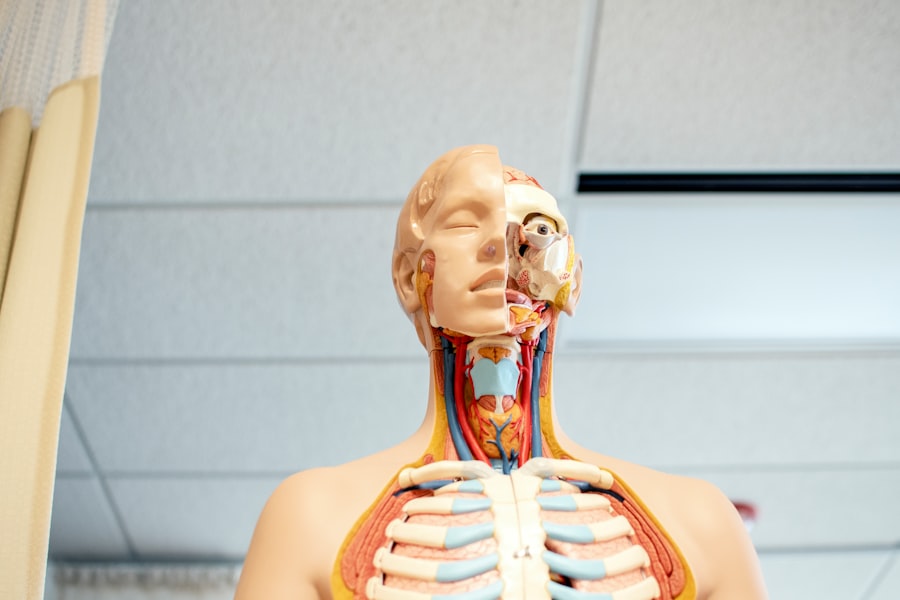
The transition from water to land was one of the most significant evolutionary events in history, and it demanded a radical reshaping of sensory systems. The physical properties of air are vastly different from water, and the sensory challenges faced by terrestrial creatures were immense.
Visual Acuity in Air: Adapting the Eye
The eye, which evolved in water, needed significant modifications to function effectively in the thinner medium of air.
Focusing Light: The Lens Takes Center Stage
In water, light rays are bent less sharply. In air, a more powerful refractive system was needed to focus light onto the retina. The development of a sophisticated lens, capable of actively changing its shape (accommodation), became crucial. This allowed terrestrial vertebrates to focus on objects at varying distances. Your ability to shift your gaze from a distant mountain to a close-up insect is a direct result of this adaptation.
Resolving Detail and Perceiving Color
Furthermore, the density of light in air allowed for greater visual detail and the evolution of more complex photoreceptor cells, leading to enhanced color vision. The ability to distinguish subtle variations in hue and saturation was vital for identifying ripe fruits, spotting camouflaged prey, and recognizing mates. The vibrant world you see is a product of this refined visual system.
The Power of Smell in Air: A Dominant Sense
While smell was important in water, its significance exploded on land. The air carries scent molecules much further and with greater diffusion, making it a primary sensory modality for many terrestrial animals.
Detecting Scent Trails and Navigating
For your ancestors, scent became a primary means of communication, navigation, and finding food. They could follow the faint odor trails of prey, detect the presence of predators from afar, and locate potential mates through airborne pheromones.
The Olfactory Bulb Expands
This heightened reliance on smell led to a significant expansion and refinement of the olfactory bulb in the brain, the region responsible for processing scent information. This allowed for the discrimination of a vast array of odors, each carrying specific information about the environment. You might not always consciously register it, but your sense of smell plays a powerful, often subconscious, role in your daily life.
Hearing in the Terrestrial Realm: Amplifying Sound
Sound travels differently in air than in water, requiring new mechanisms for efficient sound detection.
The External Ear: Capturing Sound Waves
The development of external ear structures, like the pinnae (the visible parts of your ears), played a crucial role in channeling sound waves into the auditory canal. These structures act like funnels, amplifying faint sounds and helping to localize their source.
The Middle Ear: Transmitting Vibrations
Inside the ear, the evolution of the middle ear, with its small bones (ossicles), was critical. These bones act as a mechanical amplifier, efficiently transmitting vibrations from the eardrum to the inner ear, where the sensory cells are located. This intricate system allows you to perceive a wide range of sounds, from the whisper of wind to the roar of thunder.
The Refinement of Touch and Taste: Interacting with the Physical World
As your ancestors became more adept at navigating their terrestrial environments, their senses of touch and taste also evolved to provide more detailed and nuanced information about their immediate surroundings.
Tactile Sensitivity: Exploring the Immediate Environment
The sense of touch, or somatosensation, is perhaps the most diverse and fundamental sense, providing information about pressure, temperature, pain, and vibration.
Mechanoreceptors: Sensing Pressure and Texture
Your skin is covered in a sophisticated network of mechanoreceptors – specialized nerve endings that respond to physical deformation. These receptors allow you to feel the smoothness of a polished stone, the roughness of bark, the gentle touch of a loved one, and the sharp prick of a thorn.
Fine Motor Control and Manipulation
The evolution of highly sensitive touch receptors in areas like your fingertips enabled fine motor control. This was essential for manipulating objects, gathering food, and interacting with the environment in a precise manner. Your ability to tie your shoelaces or thread a needle is a testament to this refined tactile sensitivity.
Thermoreception and Nociception: Sensing Temperature and Pain
Beyond pressure, your sense of touch also includes thermoreception, the ability to detect temperature, and nociception, the detection of painful stimuli.
Detecting Temperature Gradients
These senses were crucial for survival. Detecting dangerous heat or extreme cold allowed your ancestors to avoid harm. Similarly, pain served as a critical warning signal, alerting them to tissue damage and prompting protective behaviors. This innate ability to perceive and react to temperature extremes and pain is a direct legacy of their evolutionary journey.
The Nuances of Taste: Discriminating Flavors
Taste, like smell, is a chemical sense, but it focuses on substances directly encountered by the mouth.
Basic Tastes: Sweet, Sour, Salty, Bitter, Umami
The evolution of taste receptors allowed for the discrimination of basic tastes: sweet, sour, salty, bitter, and umami. Each taste provided valuable information. Sweetness often indicated a source of energy (sugars), sourness could signal spoilage, saltiness was essential for bodily functions, bitterness could warn of toxins, and umami indicated the presence of protein.
The Role of Taste in Food Selection
This discriminatory ability was vital for selecting nutritious foods and avoiding potentially harmful ones. The pleasure derived from certain tastes reinforced beneficial food choices, while the aversion to others served as a protective mechanism. Your enjoyment of a perfectly ripe fruit or your revulsion at something bitter is deeply rooted in these ancient evolutionary pressures.
The evolution of human senses is a fascinating topic that sheds light on how our perception of the world has developed over time. A related article that delves deeper into this subject can be found at Freaky Science, where you can explore the intricate changes in sensory capabilities that have occurred throughout human history. Understanding these adaptations not only enhances our appreciation of human biology but also provides insights into how we interact with our environment today.
The Cognitive Integration of Sensory Information: A Symphony of Perception
| Sense | Evolutionary Development |
|---|---|
| Vision | Developed to detect light and shapes for survival and navigation |
| Hearing | Evolved to detect sound waves for communication and early warning of danger |
| Smell | Originally used for locating food and identifying predators, now also plays a role in social communication |
| Taste | Developed to identify safe and nutritious food sources |
| Touch | Evolved for physical interaction with the environment and to sense temperature, pressure, and pain |
The evolution of senses is not just about the development of individual sensory organs; it is also about how the brain processes and integrates this information to create a coherent perception of the world.
Multisensory Integration: A Unified Experience
Your brain doesn’t simply receive isolated sensory inputs. Instead, it seamlessly integrates information from different senses to form a richer, more complete understanding of your surroundings. This phenomenon is known as multisensory integration.
Seeing and Hearing in Concert
Consider how you perceive speech. You not only hear the sounds but also see the speaker’s lips move, and this visual information enhances your ability to understand. This is a classic example of how sight and sound work together.
The McGurk Effect
The McGurk effect, where the auditory perception of a word is altered by visual information of a different spoken word, dramatically illustrates the power of multisensory integration. Your brain is constantly attempting to create a unified, consistent picture of reality by cross-referencing sensory streams.
Sensory Substitution and Enhancement: The Frontiers of Adaptation
While evolution has shaped your senses over millennia, modern science is beginning to explore ways to substitute or enhance sensory capabilities.
Technologies for the Visually Impaired
Devices that translate visual information into auditory or tactile signals are helping individuals with vision loss to navigate their world. This is a form of artificial sensory substitution, mimicking what natural evolution has achieved over vast timescales.
Brain-Computer Interfaces and Future Possibilities
Emerging brain-computer interfaces hold the potential to directly stimulate sensory areas of the brain, allowing for entirely new forms of sensory experience. This pushes the boundaries of what we consider “natural” senses and opens up a fascinating future for human perception.
Your senses are not merely passive windows to the world; they are active, dynamic tools that have been sculpted by millions of years of adaptation. From the simplest detection of chemical gradients to the complex integration of visual and auditory cues, your sensory apparatus is a testament to the power of natural selection. By understanding the evolution of your senses, you gain a profound appreciation for the intricate biological heritage that allows you to perceive, interact with, and ultimately, thrive in the world around you.

Your Brain May Sense Earth’s Magnetic Field Without You Knowing
FAQs
What are the five human senses?
The five human senses are sight (vision), hearing (audition), taste (gustation), smell (olfaction), and touch (somatosensation).
How have human senses evolved over time?
Human senses have evolved over time to adapt to changing environments and lifestyles. For example, our sense of smell was more acute in our early ancestors to help detect predators and find food, while our sense of sight has become more developed for activities such as reading and using technology.
What role did evolution play in the development of human senses?
Evolution played a significant role in the development of human senses by selecting for traits that were advantageous for survival and reproduction. For example, individuals with better vision may have been more successful at hunting or gathering food, leading to the passing on of genes for improved vision.
How do human senses compare to those of other animals?
Human senses are generally less acute than those of many other animals, such as dogs with their keen sense of smell or birds with their exceptional vision. However, humans have a unique combination of senses and cognitive abilities that allow for complex social interactions and the development of advanced technologies.
What are some potential future developments in human senses?
Advancements in technology and scientific understanding may lead to potential future developments in human senses, such as the ability to enhance or even create new senses through the use of prosthetics or genetic engineering. Additionally, research into the brain and sensory perception may lead to new insights into how we experience the world around us.