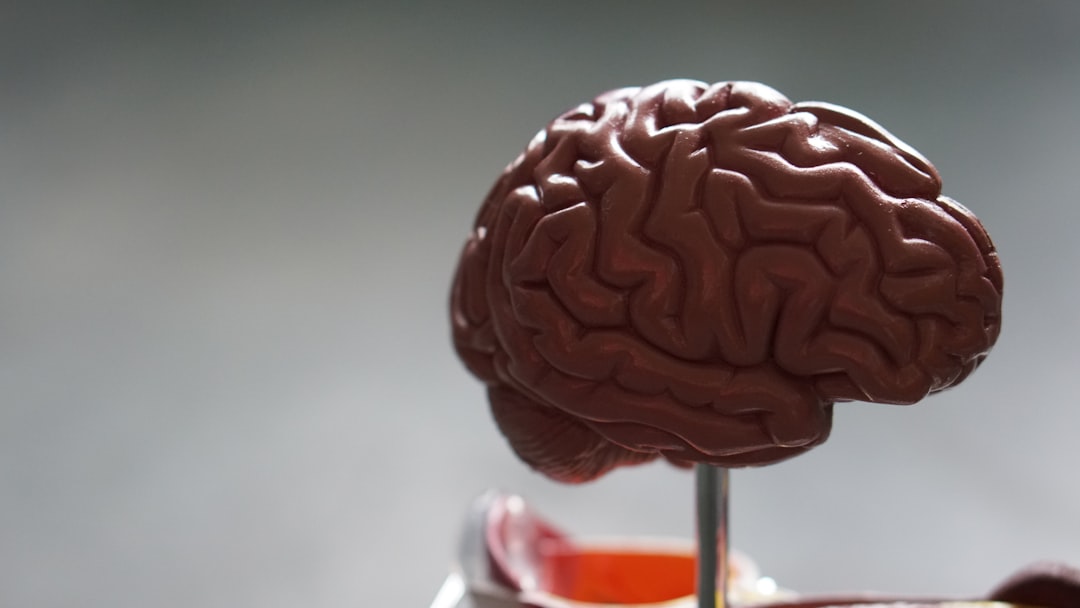
You’re sitting on your couch, the popcorn bowl balanced precariously on your lap. The lights are dim, the screen illuminates your expectant face, and you’re about to embark on a journey. Not to a distant galaxy, nor to the depths of the ocean, but to a place far more familiar, and yet, infinitely more mysterious: your own human brain. This science documentary promises to unravel its intricate workings, and you’re ready to be captivated.
As the documentary begins, you’re immediately struck by the sheer complexity. Imagine a universe compressed into the palm of your hand, a universe teeming with activity, firing with electrical impulses, and weaving connections that define every thought, every feeling, every memory you possess. This isn’t a sterile laboratory presentation; it’s an immersive experience. The visuals are stunning, employing cutting-edge CGI to transform abstract neurological processes into tangible, breathtaking landscapes. You see neurons, those tiny, intricate messengers, not as inert cells, but as vibrant entities, reaching out with dendrites like delicate tendrils, sending signals across synaptic gaps like lightning bolts.
The narrator’s voice, calm yet authoritative, guides you through the foundational architecture. You learn about the major divisions of the brain, the cerebral cortex, the cerebellum, the brainstem, each with its specialized role. It’s like being introduced to a bustling metropolis, with different districts dedicated to specific functions. You see how the frontal lobe, the seat of your executive functions – decision-making, planning, personality – operates with a grace that belies its critical importance. Then, your attention shifts to the temporal lobe, the custodian of your auditory processing and memory formation. You visualize the hippocampus, a seahorse-shaped structure, diligently consolidating fleeting sensory experiences into lasting recollections. It’s a humbling realization, that every story you’ve ever heard, every song you’ve ever loved, has been meticulously cataloged within these folds.
The Neuron: The Brain’s Fundamental Building Block
The documentary doesn’t shy away from the microscopic. You’re given an intimate look at the neuron, its elegant structure a testament to evolutionary optimization. You witness the transmission of an action potential, a wave of electrical and chemical energy that travels down the axon. It’s a rapid, precise communication, essential for every function, from blinking your eyes to composing a symphony.
Synaptic Communication: The Dance of Neurotransmitters
The real magic, however, happens at the synapse. You see the chemical messengers, neurotransmitters, released from one neuron and binding to receptors on the next. Dopamine, serotonin, acetylcholine – these aren’t just fancy scientific terms; they are the very currency of your thoughts and emotions. You learn how imbalances in these delicate chemical dialogues can lead to a spectrum of neurological and psychological conditions, highlighting the profound impact of this microscopic dance on your overall well-being.
The Cerebral Cortex: The Seat of Higher Consciousness
The documentary then expands its gaze to the cerebral cortex, the outermost layer of the brain, responsible for your most complex cognitive abilities. You’re shown how this wrinkled expanse is divided into four lobes, each a powerhouse of specialized functions. It’s a visual feast as you see the occipital lobe processing visual information, transforming light into the vibrant images you perceive. You marvel at the parietal lobe, orchestrating your spatial awareness, your sense of touch, and your ability to navigate the world around you.
Hemispheric Specialization: Two Halves, One Mind
A significant portion of this segment is dedicated to the concept of hemispheric specialization. You’re presented with compelling evidence of how the left and right hemispheres, while working in concert, often have dominant roles. The left hemisphere, often associated with logic, language, and analytical thinking, is contrasted with the right hemisphere, which tends to govern creativity, intuition, and emotional processing. You see fascinating examples of split-brain patients, individuals whose corpus callosum has been severed, revealing the distinct contributions of each hemisphere in a stark yet enlightening manner. It’s a profound illustration of how your brain, while functioning as a unified whole, benefits from this division of labor.
If you’re interested in exploring the complexities of the human brain further, you might find this article particularly enlightening. It delves into the latest research on neuroplasticity and how our experiences shape the brain throughout our lives. For more information, you can check out the article here: Freaky Science: Understanding the Human Brain.
The Unseen Network: Understanding Neural Plasticity and Learning
As you delve deeper, the documentary introduces a concept that fundamentally alters your perception of your own brain: neuroplasticity. You learn that your brain isn’t a static entity, a finished product etched in stone from birth. Instead, it’s a dynamic, adaptable organ, constantly rewiring itself in response to your experiences, your learning, and even your thoughts. This is where the documentary truly shines, moving beyond mere description to explore the how of human potential.
You witness demonstrations, perhaps through time-lapse imaging, showing how new neural pathways are formed when you learn a new skill, like playing a musical instrument or a new language. It’s a powerful reminder that the capacity for growth and change is baked into your very being. You see how practice strengthens existing connections, making those skills more automatic and efficient. The documentary emphasizes that this plasticity isn’t limited to childhood; it’s a lifelong process. This is empowering, a tangible demonstration that you are not bound by your current abilities but have the inherent capacity to learn and evolve.
Learning and Memory: The Art of Forgetting and Remembering
The mechanics of learning and memory are meticulously dissected. You’re given an overview of different types of memory – short-term, long-term, procedural, declarative. You see how the hippocampus plays a crucial role in consolidating new memories, transforming fragile short-term recollections into robust long-term ones. The documentary also explores the fascinating phenomenon of forgetting. It’s not a failure, but an essential part of the process, allowing your brain to prioritize information and discard what’s no longer relevant. You witness experiments that illustrate how the strength of a memory is influenced by repetition, emotional significance, and context.
The Impact of Experience: How Life Shapes Your Brain
This section is particularly poignant as it highlights how every experience, from the mundane to the profound, leaves its mark on your neural architecture. The documentary showcases studies on individuals who have undergone significant life changes, demonstrating the tangible alterations in their brain structure and function. It underscores the idea that your environment, your relationships, and your choices are actively shaping the very organ that defines you. It’s a powerful call to mindfulness, recognizing that your actions have a direct and measurable impact on your neural landscape.
The Emotional Landscape: The Science of Feelings
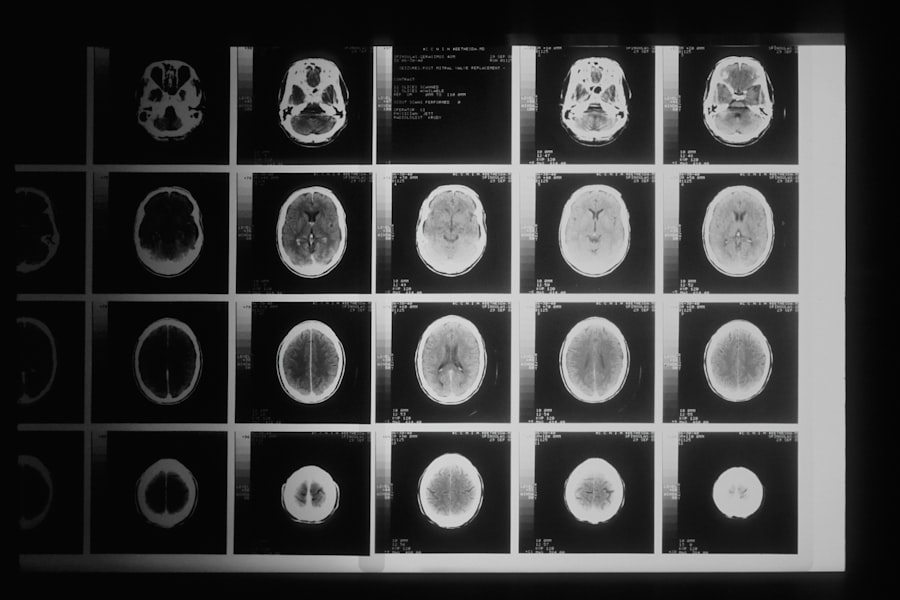
Your emotions, those often elusive and powerful forces that drive your behavior, are brought into sharp focus. The documentary takes you on a tour of the limbic system, the brain’s emotional powerhouse. You see the amygdala, a small but mighty structure, processing fear, anger, and other primal emotions. You learn how it acts as an alarm system, preparing your body for action in the face of perceived threats. The documentary doesn’t shy away from the darker side of emotions, exploring the neurological underpinnings of anxiety and depression.
The Role of Neurotransmitters in Mood
You revisit the world of neurotransmitters, this time focusing on their role in regulating mood. Serotonin, often dubbed the “feel-good” neurotransmitter, is explored in detail, with you learning how its levels can influence feelings of happiness and well-being. You see how imbalances can contribute to mood disorders, and the documentary might even touch upon the mechanisms of antidepressant medications, offering a glimpse into how science attempts to rebalance these crucial chemical messengers.
Empathy and Social Connection: The Brain’s Social Network
This segment also delves into the fascinating realm of empathy and social connection. You learn about mirror neurons, those remarkable cells that fire both when you perform an action and when you observe someone else performing the same action. This fundamental mechanism, you discover, is the basis for your ability to understand and share the feelings of others, forming the bedrock of human connection. The documentary might even explore the neural basis of love, bonding, and the profound impact of social isolation on brain health. It’s a powerful reminder that you are inherently a social being, and your brain is wired for connection.
Unraveling the Mysteries of Consciousness: The Ultimate Frontier
As the documentary progresses, it tackles what is arguably the most profound and enigmatic aspect of the human brain: consciousness. This is where the science becomes more philosophical, more speculative, yet no less captivating. You’re presented with various theories attempting to explain how billions of neurons firing in concert give rise to subjective experience, to the feeling of being. The documentary might explore the concept of the “global workspace” theory, suggesting that consciousness arises when information is broadcasted to a wide network of brain areas.
The Hard Problem of Consciousness
The documentary doesn’t pretend to have all the answers. In fact, it embraces the ongoing scientific debate surrounding the “hard problem” of consciousness – the question of how physical processes in the brain give rise to subjective, qualitative experiences, or “qualia.” You witness neuroscientists and philosophers grappling with this fundamental question, presenting different perspectives and outlining the ongoing research efforts. It’s a humbling experience, acknowledging the vastness of what we still don’t understand about ourselves.
Altered States of Consciousness: Dreams, Meditation, and Beyond
To further explore the nature of consciousness, the documentary might venture into altered states. You’ll see research into dreams, those vivid, often surreal nocturnal narratives, and the neurological activity associated with REM sleep. You might also explore the effects of meditation, learning how focused attention and mindfulness can alter brainwave patterns and influence our perception of reality. The documentary could even touch upon the effects of certain substances, not in a sensationalized way, but from a scientific perspective, examining how they temporarily alter the brain’s neurochemistry and our conscious experience. It’s a journey that leaves you with a sense of awe and wonder, recognizing the vast spectrum of human awareness.
If you’re intrigued by the complexities of the human brain, you might find a fascinating article on the subject at Freaky Science. This resource delves into various aspects of neuroscience, exploring how our brains function and the latest discoveries in the field. Understanding these intricate processes can enhance our appreciation for the remarkable capabilities of the human mind and inspire further exploration into the mysteries that still remain.
The Future of the Brain: Healing, Enhancement, and Ethical Considerations
| Documentary Title | Release Year | Duration (minutes) | Viewership (millions) |
|---|---|---|---|
| The Brain with David Eagleman | 2015 | 360 | 2.5 |
| Inside the Human Brain | 2019 | 180 | 1.8 |
| Decoding the Brain | 2020 | 240 | 3.2 |
The documentary concludes by looking towards the future, exploring the exciting and sometimes daunting prospects for understanding and manipulating the human brain. You see cutting-edge research in areas like neurofeedback, brain-computer interfaces, and the development of novel treatments for neurological disorders. The documentary emphasizes the potential for healing, for restoring function to damaged brains, and for alleviating the suffering caused by conditions like Alzheimer’s, Parkinson’s, and stroke.
Advances in Neuroscience: From Repair to Augmentation
You witness demonstrations of advanced imaging techniques that allow scientists to observe the brain in unprecedented detail, paving the way for more targeted interventions. The documentary might discuss the development of gene therapies and stem cell treatments aimed at repairing damaged neural tissue. It also touches upon the burgeoning field of brain enhancement, exploring the ethical implications of augmenting cognitive abilities and the potential societal consequences.
Ethical Dilemmas: The Responsibility of Understanding
This final section is crucial. The documentary doesn’t shy away from the ethical considerations that accompany our growing understanding of the brain. You’re prompted to think about the implications of manipulating memories, the potential for misuse of brain-imaging technologies, and the definition of personhood in an era of advanced neurotechnology. The documentary encourages critical thinking, leaving you with the understanding that with great scientific power comes great responsibility.
As the credits roll, you’re left not with simple answers, but with a profound sense of curiosity and wonder. The human brain, that seemingly ordinary organ within your skull, has been revealed as an extraordinary universe. You’ve witnessed its intricate architecture, its dynamic plasticity, its vibrant emotional landscape, and the enduring mystery of consciousness. You’ve been reminded of your capacity for learning, for connection, and for continuous growth. The documentary has not just been an educational experience; it’s been an invitation to a lifelong exploration of the most complex and fascinating entity in existence: yourself. You close the popcorn bag, your mind buzzing with new insights, a little more aware of the incredible universe unfolding within your own head.

Your Brain May Sense Earth’s Magnetic Field Without You Knowing
FAQs
What is a science documentary about the human brain?
A science documentary about the human brain is a film or video presentation that explores the complexities of the human brain, including its structure, function, and potential. It often includes interviews with experts, visualizations of brain activity, and explanations of cutting-edge research.
What are the benefits of watching a science documentary about the human brain?
Watching a science documentary about the human brain can provide valuable insights into how the brain works, its role in shaping human behavior and cognition, and the latest advancements in neuroscience. It can also inspire curiosity and a deeper understanding of the complexities of the human brain.
Where can I find a science documentary about the human brain?
Science documentaries about the human brain can be found on streaming platforms, such as Netflix, Hulu, and Amazon Prime, as well as on educational websites and channels like PBS, National Geographic, and the Discovery Channel. They may also be available for purchase or rental on DVD or Blu-ray.
Who are the experts featured in a science documentary about the human brain?
Experts featured in science documentaries about the human brain often include neuroscientists, psychologists, cognitive scientists, medical professionals, and researchers who specialize in studying the brain. These experts provide valuable insights and explanations about the complexities of the human brain.
What are some popular science documentaries about the human brain?
Some popular science documentaries about the human brain include “The Brain with David Eagleman,” “The Mind, Explained,” “The Creative Brain,” “Inside the Human Brain,” and “The Secret Life of the Brain.” These documentaries offer engaging and informative explorations of the human brain and its capabilities.