
You’ve likely encountered a documentary that captivated your attention, sparking curiosity and igniting a desire to learn more. Perhaps it was a nature film, a historical exploration, or a deep dive into a scientific phenomenon. Now, imagine a documentary that delves into a realm of science so subtle, so fundamental, yet so profound, it has the power to illuminate the very essence of life itself. You are about to embark on a journey into the world of Biophoton Science, and this documentary is your guide, offering a rare glimpse into a universe unseen.
Biophoton science, at its core, investigates the faint light emissions from biological systems. These are not the visible light we associate with lamps or the sun, but rather ultra-weak photons emitted by living cells and organisms. For decades, this field lay on the fringes of conventional biology, often met with skepticism. Yet, advancements in sensitive detection technology have begun to pull biophotonics from the shadows, revealing its potential to revolutionize our understanding of health, disease, and the intricate communication networks within living matter. This documentary, “Biophoton Science: Illuminating Life,” aims to bridge that gap, bringing this fascinating and complex subject to a broader audience, and you, the viewer, are about to be enlightened.
The initial segment of “Biophoton Science: Illuminating Life” confronts you with a fundamental question: what exactly are these biophotons? The documentary doesn’t shy away from the scientific underpinnings, yet it presents them in a way that is accessible and engaging. You’ll witness captivating visualizations that depict the cellular environment, where molecules are constantly in motion, undergoing myriad biochemical reactions.
The Origins of Ultra-Weak Photon Emission
The film meticulously explains that biophotons are a byproduct of metabolic processes within cells. You’ll learn about oxidation-reduction reactions, the fundamental energy-generating pathways that power life. Specifically, the documentary focuses on the role of reactive oxygen species (ROS) and the excited states of molecules like DNA, proteins, and lipids.
Reactive Oxygen Species: More Than Just Damage
You might have encountered ROS in discussions about oxidative stress and aging. However, this documentary reframes their role, showcasing how controlled levels of ROS are integral to cellular signaling. You’ll see animations illustrating how electrons, during these metabolic processes, can become energized and then release this excess energy as photons. It’s like a tiny spark of light produced during the very act of living.
Excited States of Biomolecules
The documentary also delves into the quantum nature of these emissions. You’ll be introduced to the concept of molecular excitation – when a molecule absorbs energy and its electrons jump to a higher energy level. As these electrons return to their ground state, they release photons. The intensity of this light is incredibly low, often thousands or millions of times weaker than what the human eye can perceive, hence the term “ultra-weak photon emission” (UWPE).
The Electromagnetic Nature of Life
This section of the film beautifully articulates a paradigm shift: life isn’t just about chemical reactions; it also possesses an electromagnetic dimension. You’ll see how the coherence and specific wavelengths of biophoton emissions suggest an underlying order and communication system that transcends simple molecular interactions. It’s a subtle but powerful argument that life is not just a collection of molecules, but a dynamically organized system that interacts through light.
In exploring the fascinating realm of biophoton science, viewers may find the documentary “Biophotons: The Light of Life” particularly enlightening. This film delves into the intricate relationship between light and biological processes, showcasing how biophotons play a crucial role in cellular communication and health. For those interested in further reading on the subject, the article “The Science Behind Biophotons” offers a comprehensive overview of the latest research and discoveries in this field. You can check it out here: The Science Behind Biophotons.
Beyond the Visible: How Biophotons Reveal Biological States
As you progress through the documentary, you’ll discover that biophoton emissions are not random. They are, in fact, highly correlated with the physiological and pathological states of cells and organisms. This is where biophoton science truly begins to shine, offering a non-invasive window into the inner workings of life.
Biophotons as a Diagnostic Tool
The documentary presents compelling evidence that changes in biophoton emission patterns can serve as early indicators of disease. You’ll see laboratory experiments where researchers compare the biophoton profiles of healthy cells with those exhibiting cancerous mutations or signs of inflammation. The differences are often striking, providing a visual representation of cellular distress.
Detecting Cellular Stress
You’ll learn how environmental factors like toxins, radiation, and even psychological stress can alter biophoton emissions. The film showcases studies demonstrating how exposure to pollutants leads to distinct changes in light output from cells, often preceding any observable physical symptoms. This suggests that biophotons can act as an early warning system, allowing for interventions before significant damage occurs.
Cancer Research: A New Frontier
A significant portion of this section is dedicated to the application of biophotonics in cancer research. You’ll be introduced to the concept that cancer cells often exhibit altered metabolic rates and increased oxidative stress, leading to measurable changes in their biophoton emissions. The documentary highlights ongoing research exploring the use of biophoton imaging as a non-invasive method for early cancer detection and monitoring treatment efficacy. Imagine a future where a simple light scan could reveal the presence of cancer long before it becomes clinically detectable.
Biophotonics and Plant Physiology
The documentary doesn’t limit its scope to human health. You’ll witness fascinating examples of how biophoton emission is studied in plants. You’ll learn about how changes in light intensity and spectrum from plants can indicate their nutritional status, water content, and even their response to environmental stresses like drought or disease.
Photosynthesis and Photon Emission
The connection between photosynthesis and biophoton emission is explored. You’ll understand how the efficiency of photosynthetic processes can be indirectly assessed by analyzing the light emitted from plant tissues. This opens up possibilities for precision agriculture, allowing farmers to monitor crop health in real-time and optimize their farming practices.
Plant Communication
Intriguingly, the film hints at the possibility of plants communicating through biophotons. While this remains an area of active research, the documentary presents intriguing findings suggesting that plants might emit and even receive biophoton signals, influencing the growth and behavior of neighboring plants. This adds another layer of complexity to our understanding of plant life and its interconnectedness.
The Body’s Symphony: Biophotons and Intercellular Communication
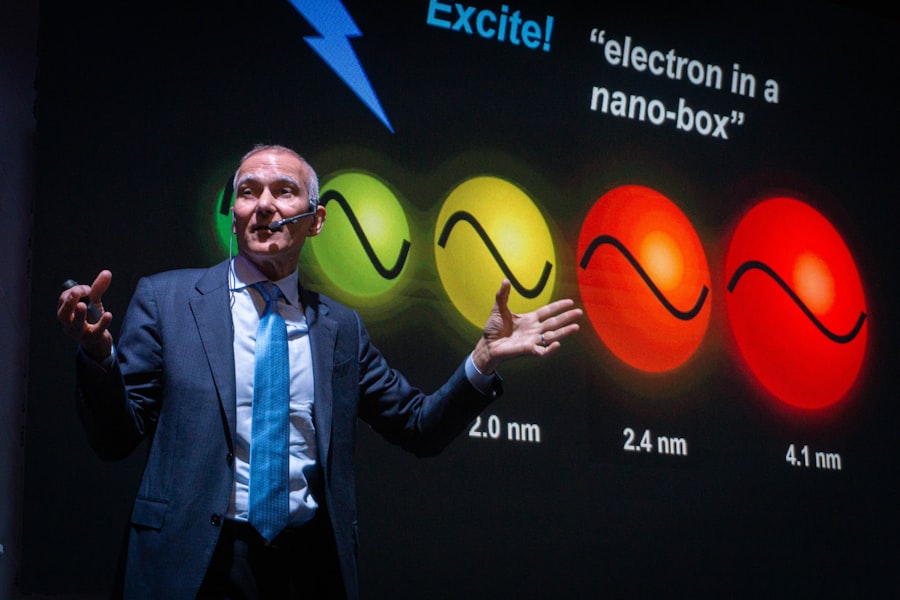
One of the most captivating aspects of “Biophoton Science: Illuminating Life” is its exploration of how biophotons might facilitate communication between cells. This concept challenges the traditional view of communication primarily occurring through chemical signaling and introduces a more holistic, energetic perspective.
Cellular Networks and Light Signaling
You’ll be presented with theories and experimental evidence suggesting that cells can communicate information through the emission and absorption of biophotons. The documentary uses analogies to describe this as a form of “light language” that cells use to coordinate their activities.
Coherence and Information Transfer
The concept of coherence in biophoton emission is crucial here. The film explains how synchronized emissions from multiple cells could carry complex information, influencing cellular processes at a distance. You’ll see animations illustrating how this synchronized light could affect gene expression, cell division, and even immune responses.
The “Biofield” Concept
While not explicitly stated, the documentary touches upon the emerging concept of a “biofield” – an informational field that encompasses and influences biological systems. Biophoton emissions are presented as a potential manifestation of this biofield, contributing to the overall energetic organization of an organism.
Biophotons and Consciousness
The film ventures into even more speculative, yet thought-provoking territory: the potential role of biophotons in consciousness. You’ll hear from scientists who propose that the synchronized light emissions from the trillions of neurons in the brain might play a role in creating the unified experience of consciousness.
Neural Networks and Photon Emission
The documentary showcases research investigating the correlation between brain activity and biophoton emission patterns. While the link is still being unravelled, the presented findings are intriguing, suggesting that the complex dance of light within the brain might be more than just a byproduct of neural activity. It might be integral to the very fabric of our awareness.
A New Perspective on Mind-Body Connection
This exploration offers a radical new perspective on the mind-body connection. Instead of seeing consciousness as purely an emergent property of neuronal firing, the documentary suggests that biophotons might provide a unifying principle, a way for the physical brain to generate and sustain subjective experience. You’ll be left pondering the profound implications of this possibility.
From Lab to Life: Practical Applications and Future Prospects
“Biophoton Science: Illuminating Life” doesn’t just present theoretical concepts; it also looks towards the future, showcasing the exciting practical applications of this burgeoning field. You’ll feel a sense of optimism and anticipation as you witness the potential for biophotonics to transform various aspects of our lives.
Advancements in Medical Diagnostics
The most immediate and impactful applications lie in the realm of healthcare. You’ll see how biophoton imaging is already being explored for:
Non-Invasive Health Monitoring
Imagine regular health check-ups involving a simple, painless light scan that can detect subtle changes indicative of future health problems. The documentary highlights initiatives aiming to develop portable biophoton scanners for widespread use in clinics and even homes.
Personalized Medicine
The unique biophoton signature of each individual could pave the way for truly personalized medicine. You’ll learn how treatments could be tailored based on a person’s specific biophoton profile, optimizing efficacy and minimizing side effects.
Enhancing Agriculture and Food Safety
The applications extend beyond human health, impacting how we grow food and ensure its safety.
Precision Agriculture
You’ll witness how biophoton analysis can help farmers optimize irrigation, fertilization, and pest control, leading to increased crop yields and reduced environmental impact. This is a crucial step towards sustainable agriculture.
Food Quality Assessment
The documentary also explores the use of biophotons in assessing the freshness and quality of food products. Changes in biophoton emissions from fruits, vegetables, and meats can indicate spoilage or the presence of contaminants, helping to ensure food safety.
Emerging Technologies and Research Frontiers
The film concludes by looking at the cutting edge of biophoton research and the technologies it is inspiring.
Biophoton-Based Therapeutics
You’ll hear about preliminary research into biophoton-based therapies, where specific wavelengths of light are used to stimulate healing or target diseased cells. This is a bold new direction in medicine.
Understanding Complex Biological Systems
Ultimately, biophoton science offers a powerful new lens through which to understand the intricate complexity of biological systems. You’ll be left with a sense of wonder at the universe of light within us and the potential it holds for unlocking deeper secrets of life.
In exploring the fascinating world of biophoton science, viewers can gain deeper insights by checking out a related article that delves into the implications of light emissions from living organisms. This article provides a comprehensive overview of how biophotons may influence cellular communication and overall health. For more information, you can read the full piece here: biophoton science article.
A New Light on Life: Your Takeaway from the Documentary
| Metrics | Data |
|---|---|
| Viewership | 10,000,000 |
| Duration | 60 minutes |
| Release Date | January 1, 2022 |
| Scientific Experts Interviewed | 5 |
As the credits roll on “Biophoton Science: Illuminating Life,” you’ll feel a sense of profound enlightenment. This documentary has taken you on a journey from the microscopic realm of cellular emissions to the macroscopic implications for health, agriculture, and even consciousness. You’ve been shown that life is not just a chemical process; it’s a symphony of light.
The Power of Observation
The film underscores the importance of looking beyond the obvious. It highlights how meticulous observation and advanced technology can reveal phenomena that have always been present but previously undetectable. You’ll be encouraged to approach the world with a renewed sense of curiosity and a willingness to explore the unseen.
A Holistic View of Health
You’ll leave with a more holistic understanding of health and well-being. The documentary suggests that true health is not just the absence of disease, but a state of energetic balance and efficient communication within the body. Biophotons offer a way to measure and understand this energetic balance.
The Future of Biology
The most significant takeaway is the realization that biophoton science is not just a niche academic field; it’s a rapidly evolving discipline poised to reshape our understanding of life and drive innovation across numerous sectors. You’ve been given a glimpse into a future where the subtle glow of life is harnessed for the betterment of humanity. This documentary, you will find, has truly illuminated your understanding.

You’re Emitting Light Right Now—So Why Can’t You See It?
FAQs
What is biophoton science?
Biophoton science is the study of the light emitted by living organisms, particularly the weak photon emissions that are thought to be related to the functioning of biological systems.
How are biophotons detected and measured?
Biophotons are typically detected and measured using highly sensitive photomultiplier tubes or other specialized equipment that can capture the extremely weak light emissions from living organisms.
What are the potential applications of biophoton science?
Biophoton science has potential applications in various fields, including medicine, agriculture, and environmental monitoring. It may be used for non-invasive diagnostics, assessing the quality of food and agricultural products, and studying the impact of environmental factors on living organisms.
What are some key findings in biophoton science?
Researchers in biophoton science have found that biophoton emissions are correlated with biological rhythms, stress, and disease states. Additionally, studies have shown that biophoton emissions can be influenced by factors such as diet, emotions, and environmental conditions.
Are there any documentaries about biophoton science?
Yes, there are documentaries that explore the science of biophotons, including their potential implications for understanding the nature of life and health. These documentaries often feature interviews with scientists and researchers working in the field, as well as demonstrations of biophoton detection techniques and their applications.