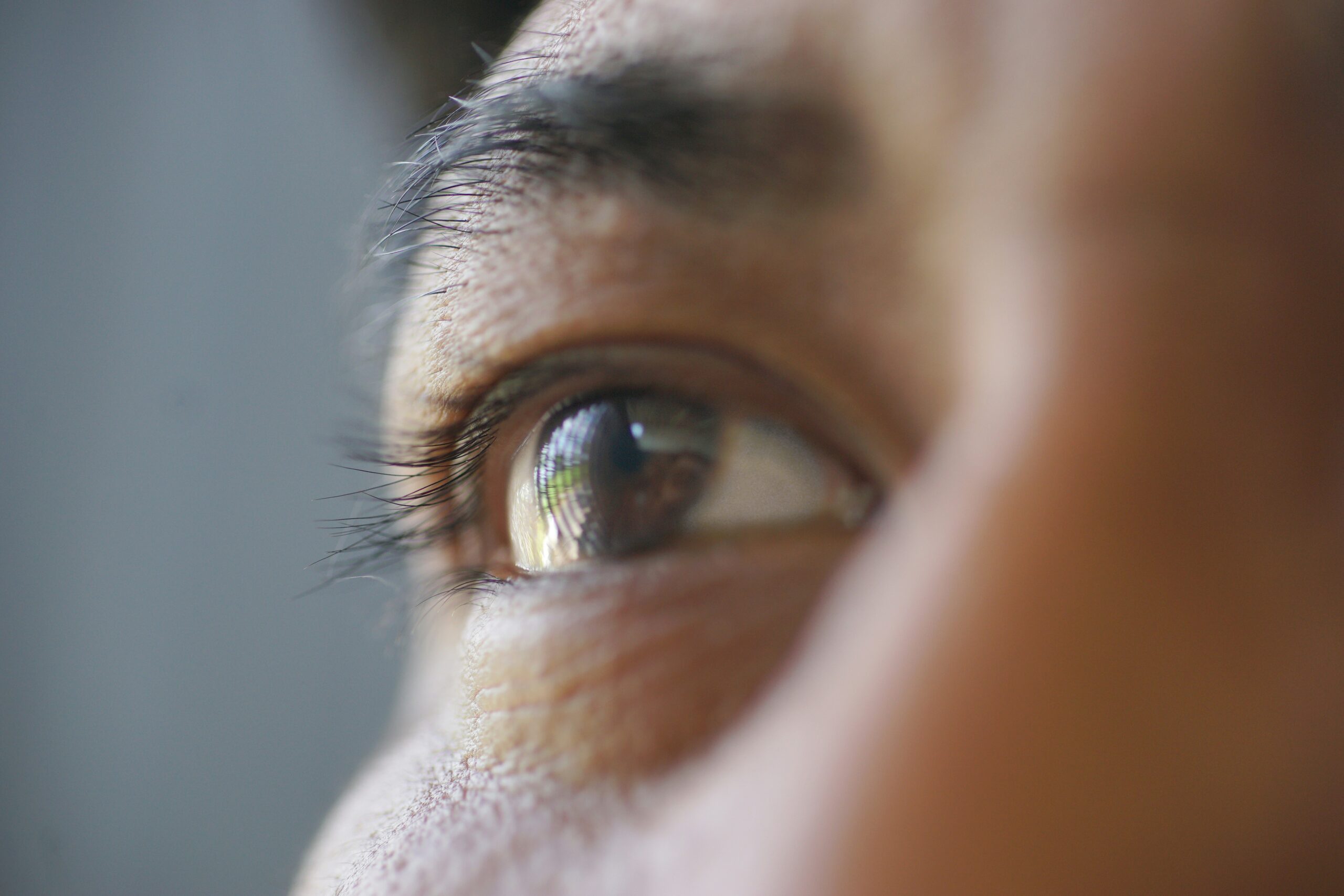
You perceive the world through a breathtaking window: your eyes. This intricate biological marvel, capable of capturing a kaleidoscope of light and color, often leads you to believe you see everything. But what if the reality your eyes present is merely a curated, limited version of the universe? This article invites you to explore the astonishing limits of your visual perception, delving into the fascinating ways your brain interprets, filters, and ultimately constructs the world you experience. Prepare to question the seemingly absolute nature of what you see and discover the hidden realms beyond your everyday sight.
You’re accustomed to seeing a vibrant spectrum of colors, from the deepest reds to the most radiant violets. This familiar range, however, represents only a sliver of the electromagnetic radiation that bathes your surroundings. The sun, for instance, emits a vast array of wavelengths far beyond what your eyes can detect, and you are blissfully unaware of their constant presence.
Infrared: The World of Heat
Think about the last time you felt warmth radiating from a fire or the sun. That sensation is due to infrared radiation, a spectrum of light invisible to your eyes. Objects with a temperature above absolute zero emit infrared radiation. This means that everything around you, from a warm cup of coffee to a cool stone, is constantly emitting these unseen waves.
Infrared Photography: Seeing the Invisible Heat Signatures
While you can’t see infrared directly, specialized cameras can capture it. This has revolutionized various fields. In military applications, infrared goggles allow soldiers to see in complete darkness by detecting the heat signatures of people and vehicles. In medicine, infrared thermography can help detect inflammation and circulatory issues by highlighting variations in skin temperature. Even in everyday life, you might encounter infrared technology in remote controls for your TV or in motion sensors that trigger lights. Imagine the world as a constant hum of thermal energy, a layer of reality just beyond your grasp, influencing how you interact with your environment even if you’re unaware of it.
The Myth of “Seeing Heat”: A Misconception
It’s important to clarify that “seeing heat” in the literal sense is not what infrared cameras do. They detect the infrared radiation emitted by objects. You feel heat through nerve endings in your skin, which respond to infrared energy transferred to your body. The camera translates this radiation into a visual representation, often using false colors to denote different temperatures. This distinction highlights the active interpretation your brain performs even when presented with sensory data.
Ultraviolet: The Sun’s Hidden Power
The sun also bathes you in ultraviolet (UV) radiation. While you can’t see it, you experience its effects – sunburn and vitamin D production. Certain animals, however, have evolved to perceive this range of light, opening up a world of visual information unavailable to you.
Butterflies and Bees: Navigating with UV Patterns
Many insects, particularly bees and butterflies, possess UV vision. Flowers, which appear plain to your eyes, often have intricate UV patterns, known as nectar guides. These patterns act like landing strips, directing insects to the nectar source and facilitating pollination. Imagine a garden blooming not just with visible colors but with a secondary layer of luminous markings, invisible to you, guiding a complex ecosystem. This hidden layer of communication and navigation is a testament to the diversity of visual perception.
Fluorescence: The Glow of the Unseen
Some substances absorb UV light and re-emit it as visible light. This phenomenon, called fluorescence, is something you might encounter in everyday life without realizing its UV origins. Laundry detergents, for example, often contain fluorescent brighteners that absorb UV light and make whites appear brighter. In nature, certain animals and plants exhibit fluorescence under UV light, creating dazzling displays invisible to the naked eye. This “glowing” is a direct consequence of UV energy being converted into visible light, a conversion you can’t initiate on your own.
Beyond the Visible: Radio Waves and X-rays
The electromagnetic spectrum extends far beyond UV. Radio waves, used for broadcasting and communication, and X-rays, used in medical imaging, are entirely invisible to you. These forms of radiation carry vast amounts of information about the universe, from distant galaxies emitting radio waves to the internal structures of your own body revealed by X-rays. Your limited visual range means you miss out on an enormous amount of data about the physical world.
The limits of human vision are a fascinating topic that delves into the capabilities and constraints of our eyes. For those interested in exploring this subject further, a related article can be found at Freaky Science, which discusses various aspects of human perception and the science behind how we see the world around us. This resource provides insights into the physiological and psychological factors that influence our visual experiences.
The Limits of Resolution: What Your Eyes Can’t Resolve
Your eyes are remarkable, but they are not infinitely sharp. Just as a camera has a limited megapixel count, your retina has a finite number of photoreceptor cells. This means there’s a limit to how finely you can distinguish details.
Acuity: The Sharpness of Your Sight
Visual acuity, often measured by the Snellen chart you encounter at the optometrist, refers to the ability to discern fine details at a distance. A standard 20/20 vision indicates you can see at 20 feet what an average person can see at 20 feet. However, even with perfect vision, there are physical limitations to how small an object or how close two points can be before they blur together.
Diffraction and Scattering: The Physics of Blur
Light waves themselves can bend and spread (diffract) as they pass through small openings, like your pupil. Also, light can scatter as it travels through the air and the media within your eye. These physical phenomena contribute to a fundamental limit on visual resolution, even in a perfectly formed eye. This means that no matter how good your vision is, there will always be a point where details become indistinguishable.
The Blind Spot: A Literal Gap in Your Vision
You might be surprised to learn that there’s a literal hole in your field of vision, a phenomenon known as the blind spot. This occurs where the optic nerve exits the retina. There are no photoreceptor cells in this area, meaning you receive no visual information from that specific point.
Filling the Void: Your Brain’s Ingenious Solution
How do you not notice this constant void? Your brain is incredibly adept at filling in the missing information. It takes cues from the surrounding visual field and extrapolates what should be there. This is why you don’t perceive a black hole in your vision. It’s a powerful example of how your perception is an active construction, not just a passive reception of data. You are essentially creating a seamless visual experience from incomplete information.
The Psychology of Perception: How Your Brain Shapes What You See

Beyond the physical limitations of your eyes, your brain plays a crucial role in interpreting and organizing visual information. This psychological processing can lead to fascinating illusions and biases, demonstrating that what you see is not always an objective reality.
Gestalt Principles: Seeing Wholes from Parts
Your brain naturally seeks patterns and organizes visual information into coherent wholes. This is described by Gestalt principles of perceptual organization. These principles explain why you perceive a series of dots as a line or a shape, even if the individual elements are disconnected.
Proximity, Similarity, and Closure: The Rules of Organization
The principle of proximity suggests you group objects that are close together. Similarity leads you to group objects that share common characteristics, like color or shape. The principle of closure dictates that your brain will fill in gaps to perceive complete figures, even if parts are missing. These principles are fundamental to how you make sense of the visual chaos of the world. You’re not just seeing individual pixels; you’re seeing meaningful arrangements.
Optical Illusions: When Your Brain Gets Tricked
Optical illusions are powerful demonstrations of how your brain’s interpretation can sometimes misfire. They exploit the way your visual system processes information, leading to perceptions that contradict objective reality.
Ambiguous Figures: Shifting Perceptions
Ambiguous figures, like the Necker cube or the Rubin vase, can be perceived in two or more different ways. Your brain flips between these interpretations, highlighting its active role in constructing visual experience. The same lines and shapes can represent entirely different objects depending on which interpretation your brain settles on.
Geometric Illusions: Distorting Reality
Geometric illusions, such as the Müller-Lyer illusion (where two lines of equal length appear different due to the orientation of arrowheads at their ends), demonstrate how context and surrounding elements can influence your perception of size, shape, and orientation. Your brain is not simply measuring; it’s comparing and interpreting based on learned patterns and assumptions about the world.
The Phenomenon of Adaptation: Adjusting to the Visual Environment
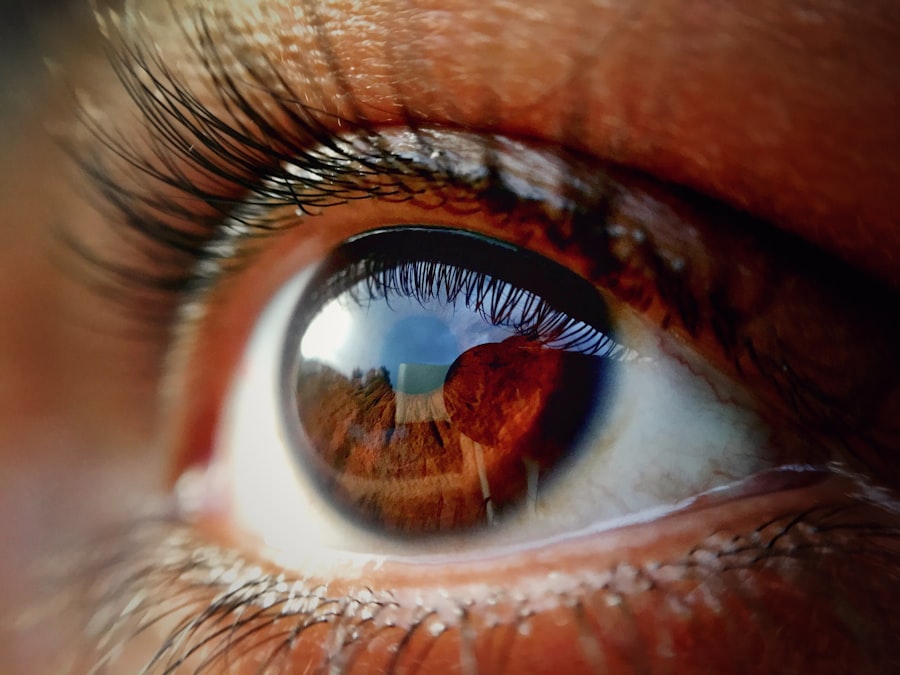
Your visual system is remarkably adaptable, constantly adjusting to changing light conditions and the overall visual environment. This adaptation, while essential for effective sight, can also influence your perception.
Light Adaptation: From Darkness to Daylight
When you move from a dark room into bright sunlight, your eyes undergo light adaptation. Your pupils constrict, and the photoreceptor cells become less sensitive to light. This process prevents you from being blinded by the sudden influx of light.
Afterimages: A Lingering Impression
A common phenomenon related to light adaptation is the afterimage. If you stare at a bright object for a prolonged period and then look away, you’ll often see a faint, inverted image of that object. This occurs because the photoreceptor cells that were stimulated by the bright object become fatigued and temporarily less responsive, while the surrounding cells continue to signal. Your brain is then left to interpret this imbalanced signal, creating the illusion of an afterimage.
Dark Adaptation: Navigating the Shadows
Conversely, when you move from bright light into darkness, your eyes undergo dark adaptation. Your pupils dilate, and the rod cells, which are more sensitive to low light levels, become more active. This process can take some time, which is why it takes a while for your eyes to adjust when entering a dimly lit cinema.
The Role of Rods and Cones: Specialization in Vision
Your retina contains two types of photoreceptor cells: cones and rods. Cones are responsible for color vision and sharp detail in bright light, while rods are responsible for vision in low light conditions but do not perceive color. The shift in dominance between these two cell types during adaptation explains many of your perceptual experiences in varying light. You are witnessing the brain prioritizing different sensory inputs based on the environmental conditions.
The fascinating topic of the limits of human vision is explored in depth in a related article that discusses how our eyes perceive the world around us. This article delves into the science behind visual perception and the factors that can affect our ability to see clearly. For those interested in understanding more about this subject, you can read the full article here. It provides valuable insights into the complexities of human sight and the intriguing ways in which our vision can be both a gift and a limitation.
The Limits of Temporal Perception: Missing the Flicker
| Aspect | Limit |
|---|---|
| Visual Acuity | 20/20 vision is considered normal |
| Color Perception | Humans can perceive around 10 million colors |
| Field of View | Humans have a horizontal field of view of around 200 degrees |
| Visual Resolution | The human eye can distinguish objects that are 0.07 mm apart |
Your visual system processes information at a rapid pace, but there are still limits to how quickly you can perceive changes. This is particularly evident in the realm of flickering lights.
Flicker Fusion Frequency: The Threshold of Continuity
The flicker fusion frequency is the rate at which a flickering light source appears to be continuous rather than intermittent. Above this frequency, your brain can no longer distinguish individual flashes, and the light appears steady. This phenomenon has implications for everything from the refresh rates of your computer screen to the perceived smoothness of animated movies.
The Stroboscope Effect: Slowing Down Motion
Conversely, when a rapidly moving object is illuminated by a stroboscopic light source (a light that flashes at a specific frequency), it can appear to move in slow motion or even backward. This is because the stroboscope is effectively sampling the object’s movement at discrete intervals, and if these intervals are not synchronized with the object’s motion, your brain can misinterpret its trajectory. You are, in a sense, being presented with a series of snapshots that your brain tries to stitch together into a coherent movement.
Motion Blur: The Trade-off Between Speed and Clarity
When objects move too quickly for your visual system to track them precisely, you experience motion blur. This is a natural consequence of the finite speed at which your eyes process visual information. While it can obscure detail, it also signals the presence of movement.
The Importance of Sample Rate: A Digital Analogy
Think of your visual system like a digital camera. If the camera’s frame rate is too low to capture the speed of a moving subject, you’ll get blur. Similarly, your eyes have a limited “sampling rate” for visual information. This isn’t to say your vision is inherently flawed, but rather that it’s optimized for the typical speeds of the natural world. Your perception of time and movement is intrinsically linked to the processing speed of your visual apparatus.
In conclusion, while your vision grants you an astonishing ability to interact with and understand the world, it is far from perfect. You are constantly operating within a framework of limitations – a narrow spectrum of light, a finite resolution, and a brain that actively interprets and constructs your reality. By understanding these limits, you gain a deeper appreciation for the intricate processes that underpin your visual experience and a newfound wonder for the vast, unseen universe that exists just beyond the threshold of your sight. You are not merely a passive observer; you are an active participant in the creation of your own visual world.

You’re Emitting Light Right Now—So Why Can’t You See It?
FAQs
What are the limits of human vision?
The limits of human vision are determined by the capabilities of the eye and the visual processing system in the brain. These limits include the ability to perceive fine details, distinguish colors, and perceive objects in low light conditions.
What is the resolution of human vision?
The resolution of human vision is approximately 576 megapixels, which is much higher than the resolution of the best digital cameras currently available. This allows the human eye to perceive fine details and textures in the environment.
What is the range of human vision?
The range of human vision varies depending on factors such as lighting conditions and the size of the object being observed. In optimal conditions, the human eye can perceive objects as small as 0.1 millimeters and as far as 2-3 miles away.
What are the limitations of human peripheral vision?
Human peripheral vision is limited in terms of color perception and detail resolution. Objects in the peripheral visual field appear less detailed and are more difficult to perceive in low light conditions compared to objects in the central visual field.
How does the human eye adapt to different lighting conditions?
The human eye can adapt to different lighting conditions through a process called dark adaptation and light adaptation. Dark adaptation allows the eye to become more sensitive to low light conditions, while light adaptation allows the eye to adjust to bright light conditions. These adaptations occur through changes in the sensitivity of the photoreceptor cells in the retina.