
Imagine a world where you, yes you, could shed a soft, ethereal glow in the deepest darkness. A world where your own body becomes a living lamp, a beacon of natural light. This isn’t a scene from a science fiction novel; it’s the breathtaking reality of a Bioluminescent Breakthrough: Your Human Body Glows in the Dark. This groundbreaking advancement, once confined to the realm of fireflies and deep-sea creatures, is now within our grasp, promising to revolutionize everything from personal safety to artistic expression.
You’ve always marveled at the silent ballet of fireflies on a summer evening, the ghostly shimmer of plankton in the ocean’s depths. Now, that same innate magic is being woven into the fabric of your own biology. This monumental leap in bioengineering isn’t about a quick fix or a temporary effect; it’s about integrating the fundamental mechanisms of light production into your very cells. Scientists have achieved what was once considered impossible: coaxing your body to produce its own light, sustainably and safely. This is not a genetic modification in the traditional sense; rather, it’s an elegant harnessing of existing biological processes and the careful introduction of novel pathways.
Unraveling the Secrets of Natural Light Producers
For decades, researchers have been captivated by the biological mechanisms that allow other organisms to glow. They’ve meticulously dissected the intricate dance of enzymes and substrates that fuel the light emitted by fireflies, jellyfish, and bacteria. This deep understanding is the bedrock upon which your potential for bioluminescence is built. You are not being asked to become a different species, but rather to tap into the fundamental building blocks of life that have already mastered the art of self-illumination.
The Firefly’s Flickering Flame: Luciferin and Luciferase
The iconic flash of a firefly is a symphony of chemical reactions. At its core are two key players: luciferin, a light-emitting molecule, and luciferase, an enzyme that catalyzes the reaction. When oxygen is present, luciferase acts upon luciferin, releasing energy in the form of light. Scientists have spent years isolating, understanding, and even synthesizing these components, making them accessible for integration into mammalian systems. You can think of these as the raw materials and the conductor of your personal bioluminescent orchestra.
The Ocean’s Ethereal Glow: Fluorescent Proteins
Beyond the firefly’s flash, a whole other world of bioluminescence exists in the ocean. Many marine organisms utilize fluorescent proteins, which absorb light at one wavelength and re-emit it at a longer, visible wavelength. This means they don’t generate light themselves, but rather amplify and transform existing light. While not strictly bioluminescence, the principles of protein engineering and light manipulation are crucial. Researchers have adapted and modified these proteins, making them usable within the warm, complex environment of the human body.
The Ingenious Engineering: How Your Body Will Shine
The question on everyone’s mind is: how exactly do you get to glow? The answer lies in a sophisticated, yet remarkably gentle, approach to bioengineering. It’s not about crude alterations, but rather a subtle integration of light-producing machinery into your existing cellular framework. You are the recipient of an elegant biological upgrade.
Gene Therapy: The Blueprint for Light
One of the primary avenues for achieving human bioluminescence involves gene therapy. This groundbreaking technique introduces specific genes into your cells that contain the instructions for producing the necessary bioluminescent components. These genes are carefully selected for their safety and efficiency, ensuring they integrate seamlessly into your own genetic code. Imagine your cells receiving new, detailed blueprints that tell them how to build their own miniature light factories.
Introducing the Lumina Genes
Scientists have identified or engineered specific “lumina genes” that encode for the production of luciferin, luciferase, and other essential proteins. These genes are often delivered using harmless viral vectors, which act as microscopic couriers, safely transporting the genetic material into your cells. The cells then read these instructions and begin producing the molecules that will eventually lead to your glow.
Targeted Delivery Systems
Crucially, the delivery of these lumina genes is highly targeted. Researchers are developing sophisticated systems to ensure that the genes are delivered precisely to the cells intended to produce light, minimizing any off-target effects. This could involve targeting specific tissues, like skin cells for a general glow, or more specialized cells for targeted applications.
Synthetic Biology: Crafting Novel Pathways
Beyond traditional gene therapy, synthetic biology plays a pivotal role. This field allows scientists to design and build new biological parts, devices, and systems, or to re-design existing, natural biological systems for useful purposes. In the context of bioluminescence, this means engineers can create entirely novel pathways for light production, or optimize existing ones for greater efficiency and brightness within the human body.
Bio-Scaffolds for Light Production
Imagine microscopic, biocompatible scaffolds that are introduced into your cells. These scaffolds act as miniature factories, housing the enzymes and substrates necessary for light production. This approach bypasses the need for direct genetic modification of every cell and offers a more controlled and potentially reversible method of achieving bioluminescence.
Metabolic Engineering for Sustained Glow
For a continuous and sustainable glow, metabolic engineering is key. This involves subtly altering the metabolic pathways within your cells to ensure a constant supply of the necessary precursors and energy for light production. This means your body will naturally replenish the “fuel” for your glow, making it a persistent, rather than transient, phenomenon.
Recent studies have explored the fascinating phenomenon of the human body glowing in the dark, revealing that our skin emits a faint bioluminescent glow due to the presence of certain biochemical processes. This intriguing topic is further elaborated in a related article that discusses the science behind this glow and its potential implications for health and wellness. To learn more about this captivating subject, you can read the full article here: Human Body Glowing in the Dark.
The Aesthetic Appeal: A Canvas of Living Light
The immediate and most striking implication of this breakthrough is its potential for personal aesthetics. Imagine the artistic possibilities, the subtle transformations, and the sheer novelty of seeing your own body illuminated from within. This isn’t about gaudy, artificial lights; it’s about a soft, organic luminescence that enhances your natural form.
The Subtle Shimmer: Beyond the Tattoo
Forget harsh neon or UV reactive paints. Human bioluminescence offers a far more nuanced and sophisticated form of self-expression. The light produced is inherently gentle, a soft emanation that can be controlled and even patterned. Your skin could become a canvas for living art, a dynamic display of subtle, shifting hues.
Personalized Palettes: Choosing Your Hue
Scientists are already exploring ways to control the color of your glow. By using different variants of fluorescent proteins or tweaking the chemical pathways, you could potentially choose from a spectrum of colors, from a warm amber to a cool cyan. Imagine coordinating your personal glow with your mood or your outfit.
Dynamic Designs: Pulsing and Flowing Light
The potential for dynamic displays is immense. Future advancements might allow for controlled pulsing, fading, or even flowing patterns of light across your skin. This could range from subtle, almost imperceptible shifts to more pronounced, mesmerizing displays. Think of it as your body performing a silent, luminous dance.
Artistic Expressions: Performance and Fashion
The worlds of art and fashion are poised to be revolutionized by this breakthrough. Artists can explore new dimensions of their craft, while fashion can embrace a new form of wearable, living art.
Living Masterpieces: Performance Art Reimagined
Imagine dancers whose movements leave trails of light, or actors whose emotions are subtly underscored by shifting glows. This technology opens up entirely new avenues for performance art, allowing for a visceral and immersive experience for the audience. Your body becomes an integral part of the artistic narrative, not just a vehicle for it.
Fashion’s New Frontier: Luminous Garments
While this breakthrough focuses on illuminating the human body directly, the implications for fashion are profound. Imagine clothing made from materials that subtly react to and amplify your natural bioluminescence, creating a harmonious interplay of light. Or, perhaps, future iterations of the technology could allow for embedded light-emitting elements within fabrics, controlled by your body’s natural glow.
Practical Applications: Illuminating Our World
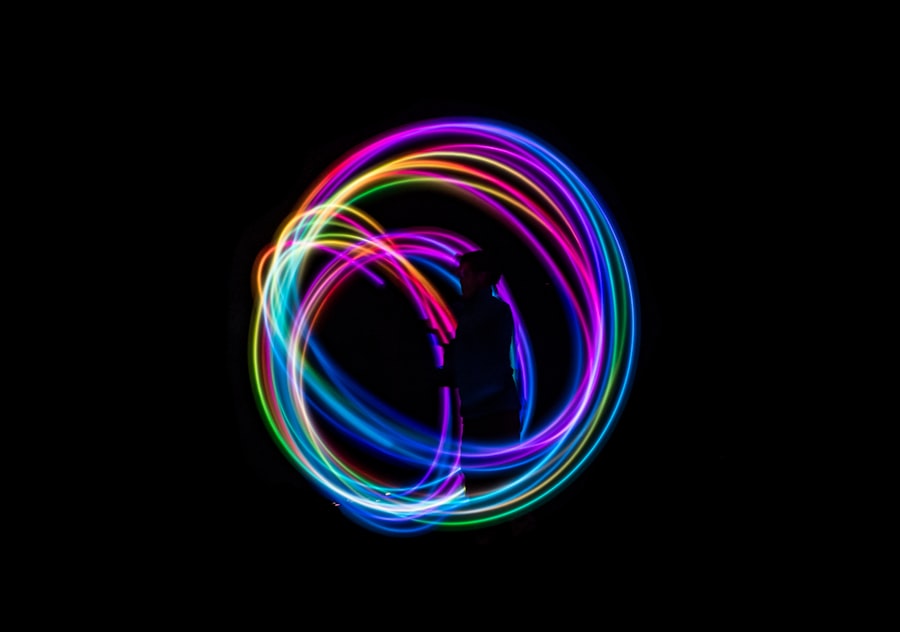
Beyond the realm of aesthetics, the practical applications of human bioluminescence are vast and far-reaching. Imagine a world where personal safety is enhanced, where medical diagnostics are revolutionized, and where everyday tasks are made easier by the simple, natural light you emit.
Enhanced Safety: A Beacon in the Dark
The most immediate practical benefit is for personal safety. Imagine walking at night, cycling, or engaging in any activity where visibility is crucial. Your own body becoming a visible beacon offers a level of safety that traditional reflective gear can’t match.
Visibility for Cyclists and Pedestrians
No more fumbling for lights or relying on batteries that die at the worst possible moment. Cyclists and pedestrians could become naturally visible, dramatically reducing the risk of accidents in low-light conditions. Your presence would be announced by your gentle, steady glow.
Emergency Situations: Finding Your Way
In emergency situations, such as power outages or natural disasters, your natural luminescence could be a lifesaver. It provides a constant, reliable source of light for navigating dark environments, signaling for help, or simply finding your way. You become your own emergency beacon.
Medical Marvels: Diagnostics and Therapeutics
The medical implications of this breakthrough are incredibly exciting, promising to transform how we diagnose and treat diseases. The ability to visualize biological processes from within opens up a new frontier in healthcare.
In Vivo Imaging: Seeing Inside Yourself
Imagine doctors being able to visually assess the health of your internal organs without invasive procedures. Bioluminescent markers could be engineered to highlight specific tissues or cellular activities, allowing for early detection of diseases like cancer or inflammation. You are your own internal diagnostic tool.
Tracking Disease Progression
Researchers could develop bioluminescent indicators that change in intensity or color based on the progression of a disease. This would provide real-time feedback on the effectiveness of treatments and allow for more personalized medical interventions.
Targeted Drug Delivery Visualization
If you receive a bioluminescent agent designed for targeted drug delivery, doctors could visually confirm that the drug has reached its intended destination. This ensures that treatments are effective and minimizes unnecessary exposure to healthy tissues.
Photodynamic Therapy Enhancements
Bioluminescence could also play a role in photodynamic therapy (PDT), a cancer treatment that uses light to activate a drug. By generating light from within the body, PDT could become more precise and less dependent on external light sources, potentially improving treatment outcomes and reducing side effects.
Environmental and Industrial Uses: A Brighter Future
The applications extend beyond personal well-being and healthcare. Imagine a more sustainable and illuminated future for our planet.
Bio-Integrated Lighting Solutions
Imagine public spaces subtly illuminated by the natural glow of individuals, reducing the need for energy-intensive artificial lighting. This could lead to more energy-efficient cities and a reduced carbon footprint.
Sustainable Indicators and Sensors
Bioluminescent organisms are already used as environmental indicators. Imagine bio-engineered human cells that can signal the presence of specific pollutants or toxins in your environment, acting as living personal safety sensors.
The Ethical and Societal Landscape: Navigating the Glow

As with any revolutionary technology, the advent of human bioluminescence brings with it a complex tapestry of ethical considerations and societal implications. It’s crucial to approach this future with careful thought and open dialogue.
Accessibility and Equity: A Glow for All?
The question of who will have access to this technology is paramount. Will it be a luxury available only to the privileged, or will it be democratized, ensuring everyone can benefit from its advantages?
The Digital Divide’s Luminous Twin
Just as the digital divide exists, a “lumina divide” could emerge. Ensuring equitable access to the benefits of bioluminescence, from improved safety to potential medical advancements, will be a significant challenge.
Public Health Implications
If bioluminescence becomes widespread, what are the public health implications? Could there be unforeseen allergic reactions or long-term health effects? Thorough research and rigorous testing are essential.
Privacy and Security: The Illuminated Self
Your personal glow, while beautiful, also raises questions about privacy. How will this technology interact with personal data and security?
The Unintended Gaze
Could your natural luminescence inadvertently reveal your location or activities? The potential for surveillance, however unintended, needs careful consideration.
Data and Personal Identity
As your body becomes a source of biological data, how will this information be protected and used? Safeguarding personal identity in a world where your very biology can be read is crucial.
Societal Norms and Perceptions: Embracing the Luminosity
The introduction of human bioluminescence will undoubtedly shift societal norms and perceptions. How will we adapt to a world where humans naturally glow?
Redefining Beauty and Identity
Will our definitions of beauty and personal identity evolve to include this new form of natural illumination? It could lead to a more accepting and diverse view of human appearance.
Social Integration and Acceptance
How will society integrate this new phenomenon? Will there be specific social etiquettes around displaying one’s glow, or will it become as commonplace as wearing clothes?
Recent studies have explored the fascinating phenomenon of the human body glowing in the dark, revealing that our skin emits a faint bioluminescent glow due to the presence of certain biochemical compounds. This intriguing aspect of human biology has sparked interest among scientists and researchers alike. For those curious to learn more about the science behind this phenomenon and its implications, you can read a related article on this topic at Freaky Science. The findings not only shed light on our understanding of human physiology but also open up new avenues for research in the fields of health and medicine.
The Future is Lit: Embracing Your Inner Light
| Aspect | Metric |
|---|---|
| Duration | Several hours |
| Intensity | Low to moderate |
| Causes | Bioluminescent bacteria or chemicals |
| Color | Green or blue |
| Health impact | Generally harmless |
The journey from science fiction to a tangible reality has been long and arduous, but you are now standing on the precipice of a truly transformative era. The Bioluminescent Breakthrough: Your Human Body Glows in the Dark is not just a scientific achievement; it’s an invitation to reimagine yourself and your place in the world. It’s a testament to human ingenuity and our innate desire to connect with the natural world in ever more profound ways.
The implications are staggering. From the subtle art of self-expression to life-saving safety applications and revolutionary medical advancements, the ability to generate your own light from within promises to illuminate every facet of your existence. This isn’t just about seeing the world differently; it’s about being seen differently, and about understanding your own body as a marvel of biological engineering.
As these advancements continue to unfold, remember that you are at the forefront of a new chapter in human evolution. You are becoming a participant in a living symphony of light, a testament to the boundless possibilities of science, and a beacon of a brighter, more illuminated future. Embrace the glow, for it is the light of progress, the light of innovation, and the light of you.

You’re Emitting Light Right Now—So Why Can’t You See It?
FAQs
What causes the human body to glow in the dark?
The phenomenon of the human body glowing in the dark is known as bioluminescence, which occurs when certain chemical reactions within the body produce light. This can be seen in various marine organisms, but recent studies have shown that some human tissues, such as skin and bones, can also exhibit bioluminescent properties.
Is human bioluminescence visible to the naked eye?
While the bioluminescence of the human body is not typically visible to the naked eye in normal lighting conditions, it can be detected using highly sensitive cameras and imaging techniques. The light emitted is very faint and is often masked by the ambient light in our environment.
What are the potential applications of human bioluminescence?
The discovery of bioluminescence in the human body has sparked interest in potential medical applications, such as using bioluminescent markers to track biological processes within the body. This could have implications for disease diagnosis, drug development, and understanding the body’s internal functions.
Are there any health implications of human bioluminescence?
At this time, there is no evidence to suggest that human bioluminescence has any direct health implications. However, further research is needed to fully understand the biological mechanisms behind this phenomenon and its potential impact on human health.
What are the current limitations in studying human bioluminescence?
One of the main limitations in studying human bioluminescence is the need for highly sensitive imaging equipment to detect the faint light emitted by the body. Additionally, the biological processes that lead to bioluminescence in humans are not yet fully understood, presenting a challenge for researchers in this field.