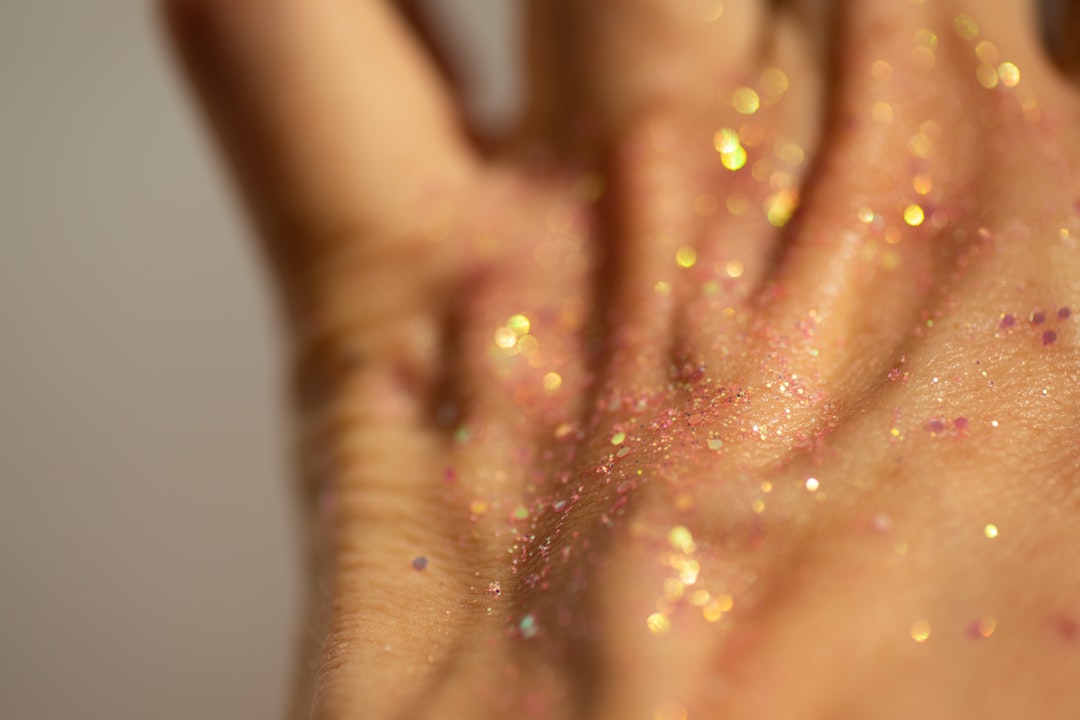
Why Can’t You See Your Body Glow?
You’ve probably seen it in movies, read about it in fantasy novels, or perhaps even felt a fleeting, almost mystical sensation yourself. The idea of your body emitting a soft, luminous glow is undeniably captivating. It conjures images of divine beings, magical creatures, or perhaps a profound state of inner peace radiating outwards. But if this radiant energy is supposed to be a part of you, why can’t you simply turn around and admire it? Why does the subtle illumination that’s supposedly emanating from your very being remain stubbornly invisible to your own eyes?
The truth is, the concept of a visible bodily glow, as often depicted in fiction, is largely a metaphorical or symbolic representation rather than a literal, observable phenomenon. While your body does emit energy, and while certain conditions might lead to subtle, scientifically explained luminescence, it’s not the kind of ethereal radiance that would make you the star of your own midnight photoshoot. Let’s delve into the fascinating reasons behind this perceived invisibility.
The very idea of “bio-luminescence” often brings to mind fireflies blinking in the twilight or the eerie glow of deep-sea creatures. But does your body possess this capability in any significant way? The answer, for the most part, is a resounding no, at least not in a way that’s visible to the naked eye.
The Science of Light Emission in Living Organisms
To understand why you don’t glow, you first need to understand how bioluminescence works in nature. This remarkable phenomenon is a chemical reaction that occurs in certain living organisms, where light is produced by a substance called luciferin, catalyzed by an enzyme called luciferase. This reaction converts chemical energy into light energy. Think of it as a tiny, biological light bulb within the organism.
Your Body’s Minimal Photon Emission
While you don’t have the specialized chemical machinery for dramatic bioluminescence, your body does emit a very, very faint light. This phenomenon is called biophotons. These are visible light photons emitted from your body, and they are incredibly weak, approximately 1,000 times less intense than the sensitivity of your naked eye. This emission is believed to be a byproduct of various metabolic processes, including the formation of reactive oxygen species.
Metabolic Byproducts and Photon Generation
Every time your cells perform their vital functions, they’re engaged in a complex dance of chemical reactions. Some of these reactions, particularly those involving the production of free radicals or reactive oxygen species, can lead to the release of very low levels of photons. These are not generated with the purpose of illumination; they are simply an incidental byproduct of cellular activity.
The Limitations of Human Vision
Even if these biophotons were slightly more intense, your eyes are simply not equipped to detect such minuscule amounts of light. Our eyes are marvels of biological engineering, but they have their limits. They need a certain threshold of photons to trigger the photoreceptor cells (rods and cones) in the retina. The light emitted by your biophotons falls far, far below this threshold, making it imperceptible to you. Imagine trying to see a single candle flame from miles away – it’s that difficult, if not more so.
Why You Can’t See Your Glow, But Others Might See A Glow (Under Specific Conditions)
While you can’t witness your own personal radiance, it’s worth noting that under extremely controlled laboratory conditions, scientists have been able to detect and even image these biophoton emissions. These experiments typically involve highly sensitive cameras and dark environments, allowing for the visualization of these incredibly faint light patterns. This doesn’t mean you’re emitting a visible aura, but rather that our scientific tools can pick up on phenomena our biological senses cannot.
Advanced Imaging Techniques and Biophoton Detection
Researchers use specialized equipment like highly sensitive photomultiplier tubes and low-light cameras to detect the faint biophotons emitted by living tissues. These techniques can reveal patterns and variations in photon emission that might correlate with physiological states, offering a window into cellular activity that’s invisible to us directly.
The Difference Between Laboratory Detection and Everyday Perception
It’s crucial to distinguish between scientific detection and everyday perception. The ability of a machine to register a signal doesn’t mean that signal is strong enough to be seen by a human eye under normal circumstances. The conditions required for biophoton detection are far removed from your daily life, where ambient light levels would completely overwhelm any subtle emissions from your body.
If you’ve ever wondered why you can’t see your body glow, you might find it interesting to explore the science behind bioluminescence and the human body’s natural processes. A related article that delves into this topic is available at Freaky Science, where you can learn more about the fascinating phenomena of light production in living organisms and why humans, despite having some bioluminescent properties, do not visibly glow in the dark.
The Mystical vs. The Material: Interpreting “Glow”
When people talk about a “glow,” they often aren’t referring to literal light emission. Instead, they’re using the term metaphorically to describe a state of well-being, vitality, or inner radiance. This is where the lines between science and symbolism become blurred, and why the expectation of a visible glow is often rooted in cultural and psychological interpretations.
The Metaphorical Language of Radiance
Think about how we use the word “glow” in everyday language. We say someone has a “healthy glow” after a good night’s sleep, or a “mother’s glow” during pregnancy. We talk about the “glow of success” or the “glow of happiness.” In these instances, “glow” isn’t about photons; it’s about an outward manifestation of internal feelings, health, or success.
“Healthy Glow” and Blood Circulation
When you experience a “healthy glow,” it’s often due to increased blood flow to the skin’s surface. Exercise, a good meal, or a rise in body temperature can all cause blood vessels in your skin to dilate, bringing more oxygenated blood closer to the surface, giving your skin a flushed, vibrant appearance. This is a perfectly normal physiological response, not supernatural luminescence.
Emotional States and Facial Coloration
Strong emotions, both positive and negative, can also affect skin coloration. Happiness and excitement can lead to a flush, while fear can cause pallor. These changes in blood flow are easily visible and contribute to the perception of someone “glowing” with joy or “draining” of color with fear.
Spiritual and Energetic Interpretations of the Aura
In many spiritual traditions, the concept of an “aura” is discussed – an energetic field that surrounds a person and is said to reflect their physical, emotional, and spiritual state. While some believe these auras can be seen or felt, scientific evidence for a universally visible, observable aura in the traditional sense is lacking.
The Chakra System and Subtle Energies
Concepts like the chakra system in Hinduism and other Eastern traditions describe energy centers within the body. While these are understood as subtle energetic flows rather than visible light, some interpretations suggest that imbalances or profound states of enlightenment can manifest as outward signs, which might be metaphorically described as a “glow.”
The Power of Suggestion and Belief
The human mind is a powerful thing. If you believe that people can glow, or if you’re looking for signs of it, you might be more prone to interpreting subtle cues as evidence. This is the power of suggestion and confirmation bias at play. The idea of a glow is so ingrained in our collective imagination that we might project it onto others or ourselves.
Physiological Changes That Mimic a Glow

While you won’t be lighting up a dark room, there are several physiological changes your body undergoes that can give the appearance of a subtle “glow” to an observer. These are, however, based on well-understood biological processes.
Increased Blood Flow and Skin Tone
As mentioned earlier, increased blood flow to the skin is a primary contributor to what we perceive as a healthy glow. When your capillaries are well-oxygenated and dilated, your skin appears more vibrant and flushed. This can happen due to exercise, warm temperatures, or even social interaction.
The Role of Vasodilation
Vasodilation is the widening of blood vessels. When you exercise, your muscles need more oxygen, so your body directs more blood flow to them. This increased circulation also reaches the skin. Similarly, a warm environment can cause vasodilation to help your body regulate its temperature.
The Effect of Nutrients on Skin Health
A balanced diet rich in vitamins and minerals contributes to healthy skin. When your body is well-nourished, your skin cells function optimally, leading to a clearer, brighter complexion. This improved skin health can be interpreted as a “glow.”
Hormonal Influences and Skin Appearance
Hormonal fluctuations can significantly impact your skin’s appearance. Pregnancy, for instance, is often associated with a characteristic “pregnancy glow.” This is largely due to increased estrogen levels, which can lead to increased blood flow and oil production in the skin.
The “Pregnancy Glow” Explained
During pregnancy, hormones like estrogen can increase sebum production, which moisturizes the skin. The increased blood volume and circulation also contribute to a fuller, more radiant complexion. However, this is a temporary effect tied to specific hormonal states.
Other Hormonal Shifts and Their Effects
Other hormonal shifts, such as those during puberty or in response to stress (cortisol), can also influence skin health and appearance, sometimes leading to temporary improvements or deteriorations that might be perceived as a change in “glow.”
The “Health Glow” as a Sign of Vitality
Often, what we perceive as a “glow” is simply a reflection of overall good health. When your body is functioning optimally, it shows. This includes clear skin, bright eyes, and a general sense of vitality. It’s less about emitting light and more about radiating well-being.
Optimal Cellular Function and Skin Clarity
When your cells are healthy and functioning efficiently, they can better repair themselves and remove waste products. This leads to clearer, smoother skin with fewer blemishes. This clarity can be interpreted as a sign of inner health, hence a “glow.”
The Link Between Diet, Exercise, and External Appearance
The adage “you are what you eat” holds true for your skin. A diet rich in antioxidants, healthy fats, and vitamins, combined with regular exercise, promotes healthy skin from the inside out. This internal health is then reflected in your outward appearance.
Why You Can’t See Your Own Internal Light (Even If It Existed)

Even if your body emitted a more significant form of light, there are fundamental biological and physical reasons why you wouldn’t be able to see it yourself.
The Anatomy of Vision: Light Must Enter Your Eyes
For you to see anything, light must first enter your eyes. Your body is an opaque object. The light generated within your body is trapped, unable to escape and reach your optical receptors. Imagine trying to see the light from a bulb inside a closed box – you can’t.
The Opaque Nature of Skin and Tissues
Your skin, muscles, bones, and internal organs are all made of materials that absorb and scatter light, rather than transmit it effectively. This opacity is essential for protecting your internal structures and functioning.
The Directionality of Light Emission
If your body did emit light, it would likely be in all directions. To see your own light, it would need to somehow be directed precisely into your own eyes, which is not how biological light emission typically works.
The Brain’s Interpretation of Sensory Input
Your brain is an incredible interpreter of sensory information. It takes the raw data from your eyes and constructs your visual perception of the world. However, it’s wired to interpret light coming from external sources.
Sensory Gating and Prioritization
Your brain constantly filters and prioritizes sensory input. It’s geared towards processing information from the environment that’s crucial for survival and interaction. Internal, self-generated light (if it were strong enough to be perceived) would likely be filtered out or perceived as an anomaly, not a visible glow.
The Lack of Evolutionary Pressure for Self-Illumination Vision
There has been no evolutionary pressure for humans to develop the ability to see our own internal light. Our visual system evolved to navigate and understand the external world, where light sources are generally external.
The Concept of “Inner Light” as a Psychological Construct
The idea of an “inner light” is often more about one’s internal state of being – their consciousness, spirit, or moral compass – than a literal emanation of light. This is why it’s so deeply personal and subjective.
Consciousness and Subjective Experience
Your subjective experience of consciousness is not directly visible. While it might influence your behavior and how you interact with the world, it doesn’t manifest as a visible emanation. The “inner light” is a metaphor for this internal, non-physical reality.
The Limitations of Objective Measurement of Inner States
While we can measure brain activity and physiological responses to emotions, we cannot objectively measure a person’s “inner light” in a way that would be visible to the naked eye. It remains a concept rooted in philosophy, spirituality, and psychology.
Many people wonder why they can’t see their body glow, especially when they hear about bioluminescence in nature. This intriguing phenomenon can be explained by understanding the science behind light emission in living organisms. For a deeper insight into this topic, you can explore a related article that delves into the fascinating world of bioluminescence and its various forms. Check it out here: Freaky Science to learn more about why our bodies don’t emit visible light like some creatures do.
The Role of External Observation and Interpretation
| Reasons | Explanations |
|---|---|
| Lack of proper skincare | Not using moisturizer or exfoliating regularly can lead to dull skin. |
| Poor diet | Not consuming enough fruits, vegetables, and water can affect skin health. |
| Stress | High stress levels can lead to skin issues and lack of glow. |
| Environmental factors | Pollution, sun exposure, and harsh weather can impact skin radiance. |
The perception of a “glow” is often more about the observer and their interpretation of subtle cues than about a literal light emission from the observed.
The Observer Effect in Human Perception
When you observe someone who seems to be “glowing,” you’re interpreting a combination of their facial expression, skin tone, body language, and perhaps even your own positive feelings towards them. It’s a holistic impression.
Reading Subtle Cues: Facial Expressions and Demeanor
A person who is happy, confident, or at peace might have relaxed facial muscles, a slight smile, and clear, bright eyes. These subtle cues combine to create an impression of radiance that we then label as a “glow.”
The Influence of Our Own Emotional State
Your own emotional state can influence how you perceive others. If you are feeling positive and open, you might be more inclined to see the best in people, including signs of a “glow.”
Cultural Narratives and the “Shining” Ideal
Throughout history and across cultures, there have been stories and depictions of individuals possessing a divine or special radiance. These narratives shape our expectations and our willingness to see such phenomena.
Religious and Mythological Depictions
From halos around saints to the shining armor of heroes, visual culture is replete with imagery of light emanating from exceptional individuals. This can create a subconscious expectation that such radiance is possible.
The “Star Quality” and Public Image
In modern times, celebrities and public figures are often described as having “star quality” or a “glow.” This is often a carefully cultivated public image, a combination of talent, charisma, and presentation that can be perceived as an outward luminescence.
The Power of Positive Psychology and Self-Perception
Believing you have a “glow” can, in itself, be a positive psychological experience. It can boost your confidence and how you present yourself to the world.
The Placebo Effect and Self-Fulfilling Prophecies
If you believe you have a healthy glow, you might carry yourself differently, smile more, and engage with others more positively. This can lead to others perceiving you in a more favorable light, thus fulfilling your own belief.
The Impact of Self-Esteem on Appearance
High self-esteem and positive self-perception can genuinely impact your appearance. When you feel good about yourself, it often shows in your posture, your expression, and the overall vitality you project.
Understanding the Science vs. Embracing the Metaphor
Ultimately, the question of why you can’t see your body glow leads us down two distinct but interconnected paths: the scientific reality of faint biophoton emission and the rich metaphorical landscape of human experience.
Bridging the Gap Between Literal and Figurative
While the scientific explanation for your inability to see a literal glow is rooted in the limitations of your vision and the faintness of your body’s light emissions, the metaphorical understanding of a “glow” speaks to a deeper human desire for well-being, vitality, and inner peace.
Appreciating Subtle Scientific Phenomena
It’s fascinating to know that your body does emit a form of light, however imperceptible. This knowledge adds another layer of wonder to the intricate workings of biology. It encourages an appreciation for the invisible processes that sustain life.
Embracing the Symbolic Meaning of Radiance
The metaphorical “glow” is a powerful symbol of health, happiness, and spiritual fulfillment. Embracing this symbolism can be a source of motivation and a reminder to cultivate these internal states.
Cultivating Your “Inner Glow” Through Lifestyle
While you can’t artificially enhance a visible bodily glow, you can certainly cultivate the conditions that lead to the kind of radiance that others will perceive and that you will feel.
The Pillars of Well-being: Diet, Exercise, Sleep, and Stress Management
Focus on a balanced diet, regular physical activity, adequate sleep, and effective stress management techniques. These are the foundations of good health, and they will naturally translate into a vibrant, healthy appearance.
The Importance of Positive Mental Health and Emotional Well-being
Nurturing your mental and emotional health is just as crucial. Practicing mindfulness, cultivating gratitude, and seeking supportive relationships can contribute significantly to your overall sense of well-being, which in turn can manifest as a discernible “glow.”
The Beauty of the Unseen and the Felt
Perhaps the true magic lies not in what we can see with our eyes, but in what we can feel within ourselves and project outwards through our actions and our presence. The absence of a visible glow doesn’t diminish the potential for your own unique radiance. Your body is a complex, energetic being, and while you may not be able to witness its literal luminescence, you can certainly feel its vitality and contribute to its well-being in ways that will be evident to yourself and others. The pursuit of a “glow” is less about a visual spectacle and more about embodying a state of thriving.

You’re Emitting Light Right Now—So Why Can’t You See It?
FAQs
What causes the body to glow?
The body does not naturally emit light or “glow” in the way that some fictional characters or supernatural beings are depicted. Any perceived glow is likely due to factors such as lighting, reflections, or visual illusions.
Can certain health conditions cause the body to glow?
There are no known health conditions that cause the body to emit light or glow. Any unusual visual effects related to the body’s appearance should be evaluated by a medical professional to rule out any underlying health issues.
Why do some people claim to see their body glow during meditation or spiritual practices?
During meditation or spiritual practices, individuals may experience altered states of consciousness or heightened sensory perception. This can lead to subjective experiences or sensations that may be interpreted as a “glow” or aura around the body.
Is there any scientific evidence to support the idea of a glowing body?
There is currently no scientific evidence to support the existence of a naturally glowing body. Claims of glowing or aura-like phenomena are often attributed to psychological or perceptual factors rather than any physical emission of light from the body.
How can the perception of a glowing body be explained without supernatural or mystical beliefs?
The perception of a glowing body can be explained by factors such as ambient lighting, visual illusions, or the brain’s interpretation of sensory input. Additionally, cultural or spiritual beliefs may influence how individuals perceive their own or others’ appearances.