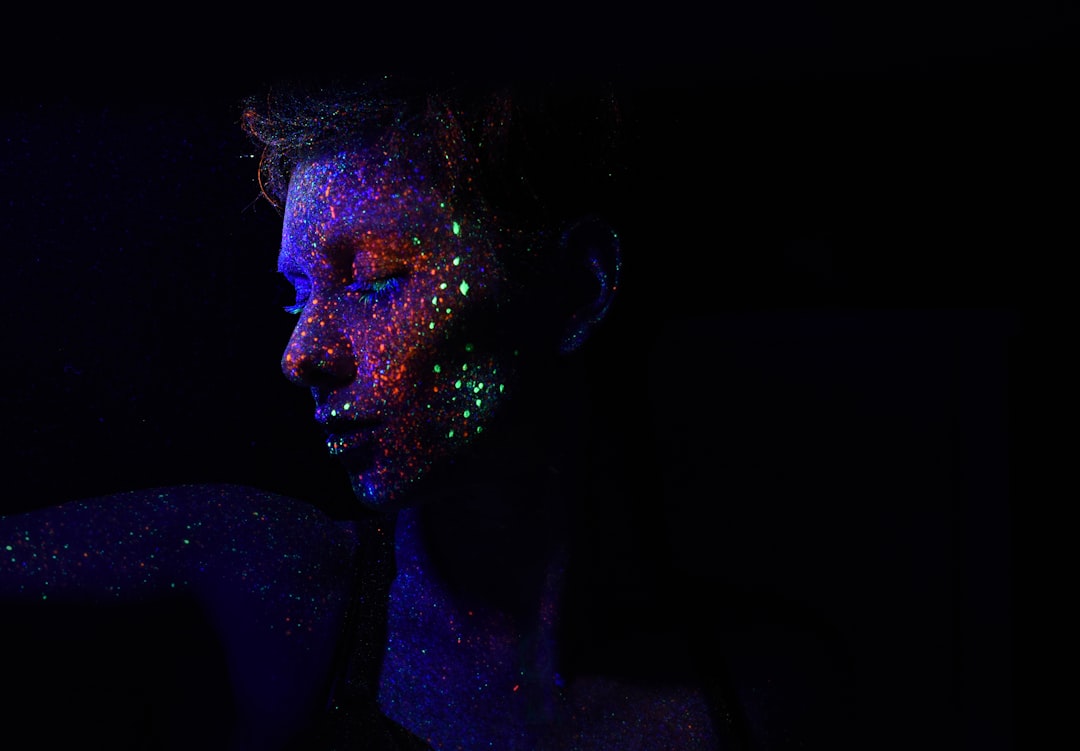
You’ve seen it, haven’t you? That subtle, almost ethereal radiance that sometimes emanates from another person. It’s not the harsh glare of a stage light or the artificial gleam of a cheap highlighter. This is a different kind of glow – a deeper, more natural luminescence that hints at vitality, health, and perhaps even happiness. You might have observed it in someone who’s just achieved a major goal, a new parent cradling their baby, or even someone experiencing a moment of profound peace. You’ve wondered, “What is that?” This isn’t just a poetic notion; there’s a fascinating science behind this “human body glow.” Let’s delve into the intricate biological processes that contribute to this captivating phenomenon.
At the very core of your “glow” lies the health and activity of your cells. Your body is a colossal, bustling metropolis of billions upon billions of cells, each performing vital functions. When these cells are thriving, they contribute to an overall sense of vitality that can manifest outwardly. This isn’t about a single magical ingredient; it’s a complex interplay of numerous biological mechanisms.
Mitosis and the Renewal of Your Outer Shell
Your skin, the most visible frontier of your “glow,” is a constantly regenerating organ. Every day, countless skin cells are born, live their lives, and then shed away to make room for new ones. This process, known as mitosis or cell division, is fundamental to maintaining healthy, vibrant skin. When your body is well-nourished and functioning optimally, this cellular turnover happens efficiently and effectively.
The Role of Epidermal Stem Cells
Deep within your epidermis, specialized cells called epidermal stem cells are responsible for generating new skin cells. These remarkable cells are like tiny factories, continuously producing keratinocytes, the main cells that make up your skin. When these stem cells are healthy and well-supported by adequate nutrients and proper cellular signaling, they can produce robust, well-formed keratinocytes. These new cells then migrate upwards, eventually reaching the surface and replacing older, worn-out cells. The more efficient and successful this process, the smoother and more luminous your skin will appear. Think of it as a continuous polishing of your outer shell, revealing a brighter surface with each cycle.
The Importance of Cellular Waste Removal
As cells age and die, they leave behind cellular debris. A healthy body is adept at clearing this waste, preventing it from accumulating and dulling your natural radiance. Processes like autophagy, a cellular “clean-up” mechanism, are crucial for removing damaged organelles and misfolded proteins. When these waste removal systems are functioning optimally, your cells are cleaner, more efficient, and can better reflect light, contributing to that healthy glow. Conversely, if waste products build up, they can make your skin appear sallow or dull.
The Impact of Cellular Energy Production
Every cell in your body requires energy to perform its functions. This energy is primarily produced in the mitochondria, often referred to as the “powerhouses” of the cell. The efficiency of your mitochondrial function directly impacts your overall vitality and can, in turn, influence your visible glow.
ATP: The Universal Energy Currency
Mitochondria convert nutrients from your food into adenosine triphosphate (ATP), the primary energy currency of your cells. When your mitochondria are healthy and efficient, they produce ample ATP, fueling all cellular processes, from DNA repair to protein synthesis. This robust energy supply translates to cells that are more active, more resilient, and better able to perform their regenerative functions. A well-energized cell is a happy, functional cell, and happy, functional cells contribute to a luminous appearance.
Oxidative Phosphorylation and Free Radical Production
The process of ATP production, known as oxidative phosphorylation, is highly efficient but also generates byproducts, including reactive oxygen species (ROS), commonly known as free radicals. While some free radicals are essential for cellular signaling, an excess can lead to oxidative stress, damaging cells and contributing to aging and dullness. A healthy body has robust antioxidant defense systems to neutralize these free radicals. When this balance is maintained, your cells are protected from damage, and your skin can maintain its youthful luminosity.
The phenomenon of the human body glowing has intrigued scientists and researchers for years, leading to various studies exploring the bioluminescence of living organisms. For those interested in delving deeper into this captivating topic, a related article can be found at Freaky Science, which discusses the science behind why humans emit light and the implications of this natural glow.
The Circulation of Vitality: Blood Flow and Oxygenation
Beyond the individual cell, the intricate network of your circulatory system plays a monumental role in delivering the essential building blocks for your “glow” and removing waste products. Think of your blood vessels as the highways and byways of your body, ensuring that every cell receives what it needs to thrive.
The Role of Capillaries in Skin Luminosity
The smallest blood vessels, the capillaries, are particularly crucial for your skin’s radiance. These delicate vessels branch out to deliver oxygen and nutrients directly to your skin cells and then pick up waste products for disposal. When your capillaries are healthy and well-functioning, they ensure optimal delivery and removal, leading to well-nourished, oxygenated skin cells that appear plump and vibrant.
Vasodilation and Increased Blood Flow
Factors like exercise, heat, and certain nutrients can cause vasodilation, the widening of blood vessels. This increased blood flow to the skin brings a fresh supply of oxygen and nutrients, making your skin appear flushed and healthy – a visible component of that radiant glow. When you’re physically active, for instance, your muscles demand more oxygen, and your body responds by increasing blood flow, which also benefits your skin.
The “Rosy Cheeks” Phenomenon
The classic “rosy cheeks” often associated with good health are a direct result of increased blood flow to the capillaries in your face. This enhanced circulation brings a richer color to your skin, contributing to a healthy, vibrant appearance. It’s a visual cue that your body is well-oxygenated and functioning optimally.
Oxygenation: The Breath of Life for Your Cells
Adequate oxygenation is paramount for cellular function and, consequently, for your skin’s glow. Oxygen is essential for cellular respiration, the process that generates ATP. When your blood is well-oxygenated, every cell in your body, including those in your skin, receives the oxygen it needs to function at its peak.
Hemoglobin and Oxygen Transport
Hemoglobin, the protein in your red blood cells, is responsible for binding to and transporting oxygen from your lungs to the rest of your body. The efficiency of your hemoglobin in carrying oxygen directly impacts how well-nourished your cells are. Good cardiovascular health ensures that your lungs are effectively transferring oxygen into your bloodstream, and your heart is efficiently pumping that oxygenated blood throughout your system.
The Impact of Poor Oxygenation on Skin Tone
Conversely, poor oxygenation can lead to a dull, grayish complexion. When your cells aren’t receiving enough oxygen, they can’t perform their regenerative functions effectively, and waste products may accumulate, contributing to a less luminous appearance. This is why conditions that affect lung function or blood circulation can have a visible impact on skin tone.
The Chemical Symphony: Hormones and Neurotransmitters

Your body is a complex endocrine and nervous system, a symphony of hormones and neurotransmitters that regulate countless functions, many of which subtly, or not so subtly, contribute to your outward appearance and that coveted “glow.”
Hormones of Vitality: Estrogen and Its Radiant Effects
Estrogen, often considered the primary female sex hormone, plays a surprisingly significant role in skin health and its luminosity. While present in men as well, its levels are higher in women and fluctuate throughout their lives.
Estrogen and Skin Hydration
Estrogen influences the production of hyaluronic acid, a humectant that draws moisture into the skin. Well-hydrated skin appears plumper, smoother, and reflects light more effectively, contributing to a radiant complexion. Think of well-hydrated skin as a smooth, polished surface that catches the light beautifully.
Estrogen and Collagen Production
Estrogen also stimulates collagen production. Collagen is the structural protein that gives your skin its firmness and elasticity. As collagen levels decrease with age, skin can become thinner and less resilient, impacting its glow. Optimal estrogen levels help maintain collagen synthesis, keeping skin looking youthful and luminous.
The Influence of Melatonin: The Sleep Hormone
While often associated with sleep, melatonin, the hormone produced by the pineal gland, has roles that extend to skin health and repair.
Melatonin’s Antioxidant Properties
Melatonin is a potent antioxidant, helping to combat free radical damage that can contribute to aging and dullness. Its protective effects can safeguard skin cells from oxidative stress, promoting a healthier, more vibrant appearance.
Melatonin and Skin Repair During Sleep
The body’s repair processes are often most active during sleep, and melatonin plays a key role in this. Adequate sleep, facilitated by healthy melatonin levels, allows your skin cells to repair themselves from daily damage, contributing to a refreshed and revitalized look.
Neurotransmitters and the “Happy Glow”
While less directly visible in terms of skin texture, the influence of neurotransmitters on your mood and stress levels can indirectly contribute to your overall “glow.”
Serotonin and Endorphins: The Feel-Good Chemicals
Neurotransmitters like serotonin and endorphins are associated with feelings of happiness, contentment, and well-being. When these chemicals are circulating, you might experience a more relaxed, positive demeanor, which can translate into a subtle, outward radiance. Stress and anxiety, conversely, can manifest as tension and a less vibrant appearance.
The Link Between Mood and Physical Appearance
It’s a well-known phenomenon that when you’re feeling good, you often look good. This isn’t purely psychological; the physiological effects of positive emotions, mediated by neurotransmitters, can influence everything from muscle tone to skin flushing, contributing to that sought-after “glow.”
The Nourishment Factor: Diet and Hydration’s Visible Impact

What you put into your body has a direct and undeniable impact on how you look and feel, and this is particularly true when it comes to your skin’s radiance. The “garbage in, garbage out” principle applies here with remarkable accuracy.
The Power of Antioxidant-Rich Foods
Antioxidants are your body’s defense against free radicals, those unstable molecules that can damage cells and accelerate aging. A diet rich in antioxidants can help protect your skin and promote its natural luminosity.
Vitamins C and E: The Skin’s Best Friends
Vitamins C and E are powerhouse antioxidants that play crucial roles in skin health. Vitamin C is essential for collagen synthesis and acts as a potent free radical scavenger. Vitamin E, fat-soluble, works synergistically with Vitamin C to protect cell membranes from oxidative damage. You’ll find these in abundance in fruits like berries and citrus, and in nuts, seeds, and leafy greens.
Carotenoids and Flavonoids: Adding Color and Protection
Carotenoids, found in colorful fruits and vegetables like carrots, sweet potatoes, and spinach, are converted to Vitamin A in the body and possess antioxidant properties. Flavonoids, present in tea, dark chocolate, and many fruits and vegetables, offer a wide range of antioxidant and anti-inflammatory benefits, contributing to healthier, more vibrant skin.
The Hydration Equation: Water’s Essential Role
Water is not just for survival; it’s a fundamental building block for healthy, glowing skin. Proper hydration ensures that all your bodily processes, including those that contribute to your skin’s appearance, function optimally.
Internal Hydration for Plump Skin
When you’re adequately hydrated, your skin cells are plump and well-nourished. This leads to smoother skin texture, reduced visibility of fine lines and wrinkles, and an overall more radiant complexion. Dehydrated skin, on the other hand, can appear dry, dull, and crepey.
The Detoxification Connection
Water also plays a vital role in your body’s natural detoxification processes. By helping to flush out waste products and toxins, water supports the efficient functioning of your organs, including your skin, allowing it to look and feel its best.
The Importance of Healthy Fats
Not all fats are created equal, and incorporating healthy fats into your diet is crucial for maintaining skin barrier function and overall skin health.
Omega-3 Fatty Acids: The Anti-Inflammatory Allies
Omega-3 fatty acids, found in fatty fish, flaxseeds, and walnuts, have potent anti-inflammatory properties. Chronic inflammation can contribute to skin issues like redness and dullness. By reducing inflammation, omega-3s can help promote a clearer, more even skin tone and a healthier glow.
Essential Fatty Acids and Skin Barrier Function
Essential fatty acids, such as linoleic acid, are crucial components of your skin’s natural barrier. This barrier protects your skin from environmental aggressors and helps retain moisture. A strong, healthy skin barrier is essential for radiant, resilient skin.
The phenomenon of the human body glowing has intrigued scientists and researchers for years, leading to various studies exploring the bioluminescence of living organisms. A fascinating article that delves into this topic can be found on Freaky Science, where the intricate processes behind this natural glow are examined in detail. Understanding why our bodies emit light not only sheds light on biological functions but also opens up new avenues for research in health and medicine. For more insights, you can read the article here.
The Microbiome’s Subtle Influence: Gut Health and Skin Connection
| Reasons for Human Body Glow | Explanation |
|---|---|
| Bioluminescence | Some organisms, including humans, emit a faint glow due to chemical reactions within the body. |
| Metabolism | The body produces heat and energy through metabolic processes, which can result in a subtle glow. |
| Electromagnetic Radiation | The body emits low levels of electromagnetic radiation, which can contribute to a faint glow. |
| Environmental Factors | External factors such as UV light exposure or certain chemicals can cause the skin to emit a glow. |
The world of your gut microbiome – the trillions of bacteria, fungi, and other microorganisms living in your digestive tract – is increasingly being recognized for its profound impact on your overall health, including the health and appearance of your skin.
The Gut-Skin Axis: A Two-Way Street
The connection between your gut and your skin is often referred to as the “gut-skin axis.” This is a complex bidirectional communication system where the health of your gut directly influences the health of your skin, and vice versa.
Inflammation and Its Skin Manifestations
An imbalanced gut microbiome, often referred to as dysbiosis, can lead to increased gut permeability, allowing inflammatory molecules to enter the bloodstream. This systemic inflammation can manifest on the skin as redness, acne, eczema, and a general dullness, detracting from your natural glow.
Nutrient Absorption and Skin Vitality
A healthy gut is crucial for efficiently absorbing the nutrients from the food you eat. These nutrients are then delivered to your skin cells, where they are vital for repair, regeneration, and overall health. If your gut isn’t absorbing nutrients effectively, your skin will likely suffer, appearing less vibrant.
The Role of Probiotics and Prebiotics
The food you consume can significantly influence the composition of your gut microbiome. Probiotics are beneficial bacteria, while prebiotics are fibers that feed these good bacteria.
Introducing Beneficial Bacteria
Consuming fermented foods rich in probiotics, such as yogurt, kefir, and sauerkraut, can help introduce beneficial bacteria into your gut. A balanced microbiome with a thriving population of good bacteria can contribute to reduced inflammation and improved nutrient absorption, indirectly benefiting your skin’s glow.
Nourishing the Good Guys
Prebiotic fibers, found in foods like onions, garlic, bananas, and oats, act as food for your beneficial gut bacteria. By nourishing these good bacteria, you help them to proliferate and perform their beneficial functions, supporting a healthier gut and, consequently, a healthier complexion.
The Gut-Brain-Skin Connection and Stress Management
The gut-brain-skin axis also includes the brain. Stress can negatively impact gut health, leading to dysbiosis and inflammation, which can then affect your skin. Conversely, improving gut health can positively influence mood and reduce stress.
Stress Reduction for Clearer Skin
Managing stress through techniques like mindfulness, meditation, or yoga can have a cascading positive effect on your gut and, by extension, your skin. Reduced stress can lead to a more balanced microbiome, less inflammation, and a more radiant complexion – a true embodiment of the “happy glow.”
In conclusion, that subtle, captivating human body glow is not a product of magic or a single secret ingredient. It’s a testament to the intricate workings of your biology – the vitality of your cells, the efficiency of your circulation, the delicate balance of your hormones, the nourishment you provide your body, and even the health of your internal ecosystem. It’s a reflection of your overall well-being, a visible manifestation of your body working in harmonious symphony. When you prioritize your health, from the foods you eat to the way you manage stress, you are, in essence, cultivating the very conditions that allow your inner radiance to shine through.

You’re Emitting Light Right Now—So Why Can’t You See It?
FAQs
What is the human body’s natural glow?
The human body emits a low level of visible light, known as biophotons, which is a result of metabolic processes within the body.
What causes the human body to glow?
The glow of the human body is caused by the production of reactive oxygen species (ROS) during metabolic processes, which in turn leads to the emission of biophotons.
Can the human body’s glow be detected?
Yes, sensitive equipment such as specialized cameras and photomultiplier tubes have been used to detect and measure the biophoton emissions from the human body.
Does the human body’s glow have any significance?
Some researchers believe that the measurement of biophoton emissions could potentially be used as a non-invasive method for monitoring the body’s overall health and detecting abnormalities.
Can the human body’s glow be influenced by external factors?
External factors such as stress, diet, and environmental conditions can influence the intensity and pattern of biophoton emissions from the human body.