
As you delve into the history of television, you find yourself transported back to the early 20th century, a time when the flickering images of black and white television sets began to capture the imagination of millions. The first public demonstration of television occurred in 1927, when Philo Farnsworth successfully transmitted the first electronic television image. This groundbreaking moment marked the dawn of a new era in entertainment and communication.
You can almost feel the excitement in the air as families gathered around their modest screens, eager to witness the magic of moving pictures for the first time. By the late 1940s and early 1950s, black and white television had become a staple in American households. The post-war boom saw an explosion in television ownership, with sets becoming more affordable and accessible.
You can picture the living rooms of that era, filled with laughter and gasps as families watched their favorite shows together. The simplicity of black and white images allowed viewers to focus on storytelling and character development, laying the groundwork for the rich narratives that would follow in later decades. This was a time when television was not just a medium; it was a shared experience that brought people together.
Key Takeaways
- Black and white TV was the first form of television and played a significant role in shaping the early days of the medium.
- Black and white TV had a profound influence on culture and society, shaping entertainment, news, and advertising.
- The technology of black and white TV evolved rapidly, leading to improvements in picture quality and programming options.
- Black and white TV had a major impact on entertainment and media, introducing iconic shows and cultural phenomena.
- Black and white TV played a role in shaping historical events and capturing important moments in time.
The Influence of Black and White TV on Culture and Society
As you reflect on the cultural impact of black and white television, you realize that it played a pivotal role in shaping societal norms and values. The shows of this era often mirrored the realities of everyday life, addressing issues such as family dynamics, gender roles, and social expectations. You can see how programs like “Leave It to Beaver” and “The Adventures of Ozzie and Harriet” presented an idealized version of American life, influencing viewers’ perceptions of what it meant to be a family during that time.
Moreover, black and white television served as a platform for social change. Shows like “The Ed Sullivan Show” introduced audiences to diverse talents, including African American performers who had previously been marginalized in mainstream media. You can appreciate how this exposure helped to challenge racial stereotypes and foster a sense of unity among viewers.
The power of television to shape public opinion became evident as it tackled pressing social issues, paving the way for future generations to engage with more complex narratives.
The Evolution of Black and White TV Technology

The technological advancements that accompanied black and white television were nothing short of revolutionary. You might find it fascinating to learn about the transition from mechanical systems to electronic broadcasting, which significantly improved image quality and reliability. Early televisions used cathode ray tubes (CRTs) to display images, a technology that would dominate the market for decades.
As you explore this evolution, you can appreciate how engineers and inventors worked tirelessly to refine these systems, making them more user-friendly and efficient. As the years progressed, innovations such as remote controls and color broadcasting began to emerge, changing the landscape of television forever. While black and white sets remained popular for some time, you can sense the anticipation surrounding the introduction of color television in the 1960s.
This shift not only transformed how stories were told but also how viewers engaged with their favorite programs. The evolution of technology during this period laid the foundation for the sophisticated devices we use today, highlighting the importance of innovation in shaping our viewing experiences.
The Impact of Black and White TV on Entertainment and Media
| Metrics | Black and White TV | Impact |
|---|---|---|
| Viewership | High during 1950s-1960s | Shaped early TV culture |
| Content | Limited to black and white | Set visual standards |
| Technology | Basic cathode ray tube | Paved way for color TV |
| Advertising | Simple commercials | Established TV ad industry |
When you consider the impact of black and white television on entertainment, it’s clear that it revolutionized how stories were told and consumed. The format allowed for a diverse range of genres to flourish, from sitcoms to dramas, each contributing to a rich tapestry of programming that captivated audiences. You can imagine how shows like “The Honeymooners” and “Perry Mason” became cultural touchstones, drawing viewers into their worlds with compelling narratives and memorable characters.
Moreover, black and white television paved the way for future media developments. The techniques used in early television productions influenced filmmaking and theater, as creators sought to replicate the intimacy and immediacy that television offered. You might find it intriguing how this era laid the groundwork for modern storytelling methods, with many contemporary shows drawing inspiration from their black-and-white predecessors.
The legacy of this period is evident in today’s media landscape, where storytelling continues to evolve while still paying homage to its roots.
The Role of Black and White TV in Shaping Historical Events
As you explore the historical significance of black and white television, you come to understand its role as a powerful tool for shaping public perception during critical moments in history. The medium provided a platform for broadcasting significant events such as presidential speeches, civil rights marches, and even moon landings. You can almost hear Walter Cronkite’s voice as he reported on the assassination of President John F.
Kennedy, an event that left an indelible mark on American society. Television also played a crucial role in bringing global events into living rooms across America. The Vietnam War was one such event that was extensively covered by black and white news broadcasts, allowing viewers to witness the harsh realities of conflict firsthand.
You can appreciate how this exposure influenced public opinion and sparked widespread protests against the war. In many ways, black and white television served as a mirror reflecting societal values while simultaneously shaping them through its portrayal of historical events.
Black and White TV and the Birth of Television Advertising
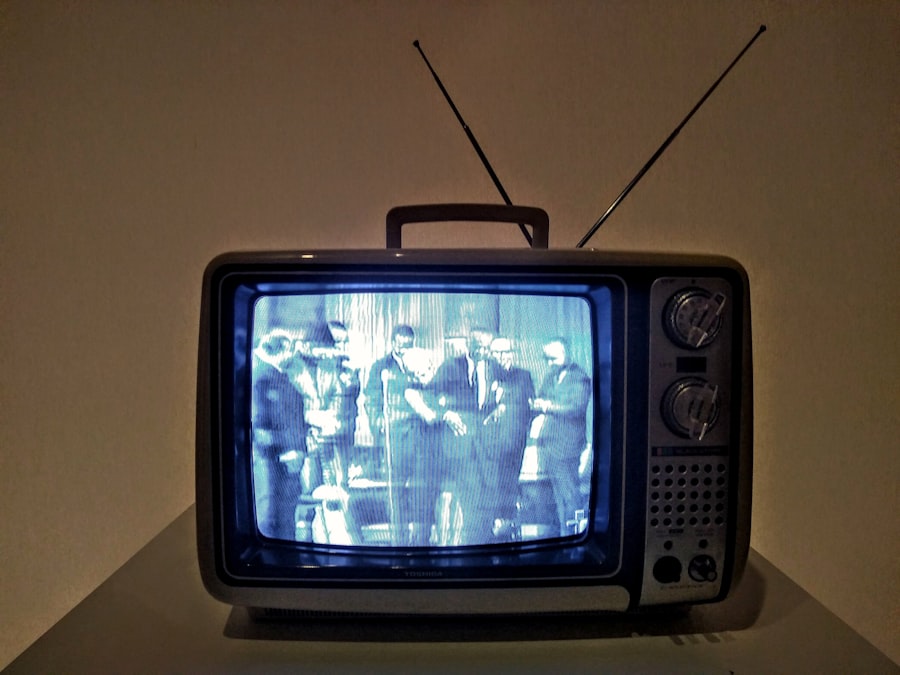
The rise of black and white television also marked the beginning of a new era in advertising. As you consider this development, you realize that advertisers quickly recognized the potential of this medium to reach vast audiences. Commercials became an integral part of programming, with brands vying for viewers’ attention during prime time slots.
You can imagine how innovative advertising campaigns emerged during this period, utilizing humor and creativity to engage audiences. The effectiveness of black and white television advertising set the stage for future marketing strategies. You might find it interesting how advertisers learned to craft messages that resonated with viewers on an emotional level, leading to memorable campaigns that are still referenced today.
This era laid the groundwork for modern advertising techniques, demonstrating how television could influence consumer behavior in ways that print media could not.
The Cultural Icons of Black and White TV: From I Love Lucy to The Twilight Zone
As you delve into the world of black and white television icons, you encounter a treasure trove of beloved characters and groundbreaking shows that have left an indelible mark on popular culture. “I Love Lucy,” starring Lucille Ball, stands out as a pioneering sitcom that broke new ground in terms of storytelling and representation. You can appreciate how Lucy’s antics not only entertained audiences but also challenged traditional gender roles, making her a cultural icon for generations.
On the other hand, “The Twilight Zone” introduced viewers to thought-provoking narratives that explored complex themes such as morality, identity, and human nature. As you reflect on these shows, you recognize their lasting influence on contemporary television. Many modern series draw inspiration from their innovative storytelling techniques and character development, showcasing how black-and-white television continues to shape our understanding of entertainment.
Black and White TV and the Birth of Television News
The advent of black-and-white television also heralded a new era in journalism. As you explore this development, you realize that news broadcasts became a vital source of information for millions of viewers. Pioneering figures like Edward R. Murrow set high standards for journalistic integrity during this period, using their platforms to inform the public about pressing issues both domestically and internationally.
This immediacy allowed viewers to engage with current affairs in ways they had never experienced before. As you consider this evolution, it’s clear that black-and-white television played a crucial role in shaping public opinion and fostering an informed citizenry.
The Decline of Black and White TV: The Shift to Color
As you journey through the history of television, you inevitably encounter the decline of black-and-white TV as color broadcasting began to take center stage in the 1960s. This transition marked a significant turning point in how stories were told on screen. You can imagine the excitement surrounding color television sets as families eagerly upgraded their equipment to experience vibrant hues that brought their favorite shows to life.
While color television offered new possibilities for storytelling, it also signaled a shift in audience expectations. Viewers began to crave more visually dynamic content, leading producers to adapt their approaches accordingly. You might find it interesting how this transition impacted not only programming but also advertising strategies as brands sought to capitalize on the visual appeal of color.
The Legacy of Black and White TV: Its Influence on Modern Television
As you reflect on the legacy of black-and-white television, it’s evident that its influence continues to resonate in modern programming. Many contemporary shows pay homage to their predecessors by incorporating elements reminiscent of classic sitcoms or dramas. You can appreciate how writers draw inspiration from timeless themes such as love, family dynamics, and moral dilemmas that were prevalent during the black-and-white era.
Moreover, the storytelling techniques developed during this time have laid the groundwork for today’s complex narratives. As you watch modern series unfold with intricate plots and character arcs, you can’t help but recognize how much they owe to the foundations established by early television pioneers. The legacy of black-and-white TV is woven into the fabric of contemporary entertainment.
The Future of Black and White TV: Nostalgia and Preservation in the Digital Age
In today’s digital age, you may find yourself pondering the future of black-and-white television amidst an ever-evolving media landscape. While color programming dominates mainstream channels, there remains a nostalgic appreciation for classic black-and-white shows among audiences seeking authenticity in storytelling. Streaming platforms have made it easier than ever for viewers to access these timeless gems, allowing new generations to discover their charm.
Preservation efforts are also underway to ensure that these cultural artifacts are not lost to time. You might be intrigued by initiatives aimed at restoring classic episodes or creating curated collections that celebrate the artistry behind black-and-white television.
The impact of black and white TV on society was profound, shaping not only entertainment but also cultural norms and communication methods. For a deeper understanding of how technological advancements have continued to influence our lives, you might find it interesting to explore the article on Freaky Science. This article delves into various scientific phenomena and technological innovations that have shaped modern society. You can read more about these fascinating topics by visiting Freaky Science.
FAQs
What is the impact of black and white TV?
Black and white TV had a significant impact on the entertainment industry and society as a whole. It was the primary form of television from the 1940s to the 1970s, shaping the way people consumed media and influencing popular culture.
How did black and white TV impact entertainment?
Black and white TV revolutionized entertainment by bringing visual storytelling into people’s homes. It allowed for the broadcast of news, sports, and scripted programming, creating a new form of mass media that reached millions of viewers.
What was the cultural impact of black and white TV?
Black and white TV played a major role in shaping popular culture, influencing fashion, music, and societal norms. It also provided a platform for important social and political events to be broadcast to a wide audience.
How did black and white TV technology evolve?
Black and white TV technology evolved rapidly, with improvements in picture quality, sound, and the introduction of new programming formats. This laid the groundwork for the transition to color television in the 1960s and 1970s.
What is the legacy of black and white TV?
The legacy of black and white TV is still felt today, as it laid the foundation for the modern television industry. It also holds a nostalgic place in the hearts of many who grew up watching classic black and white programs.