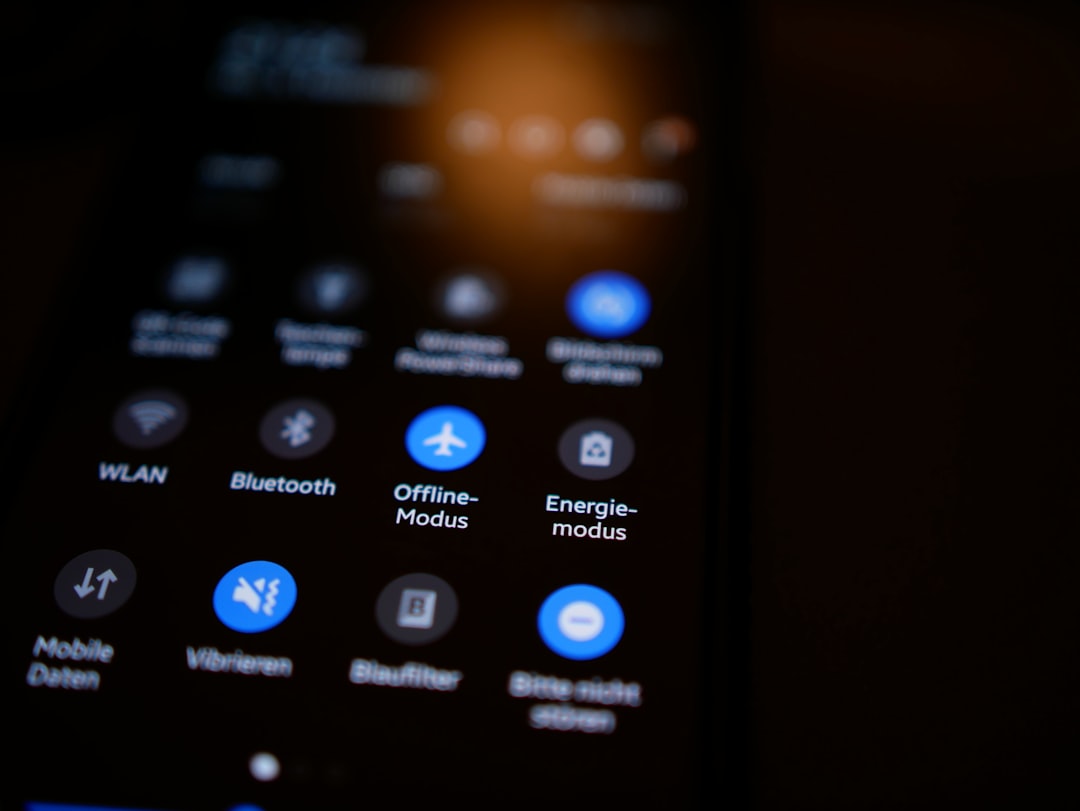
You’ve likely seen the little airplane icon on your phone, a constant reminder of a magical switch that renders your device seemingly inert in the sky. You tap it when you board, and you tap it again when you land, a ritual as ingrained as buckling your seatbelt. But have you ever truly stopped to wonder why airplane mode exists? What exactly does it do, and why is it so crucial for your flight? The science behind airplane mode isn’t about banishing you to a digital purgatory; it’s a fascinating interplay of radio waves, electromagnetic interference, and the safety of modern aviation.
When you activate airplane mode, you’re essentially performing a digital shutdown of your device’s most potent communication features. It’s not a complete power-off, but rather a targeted deactivation of anything that transmits or receives radio signals. Think of it as silencing your phone’s ability to shout into the ether.
The Silent Killers: Cellular Radios
Your smartphone is a marvel of wireless communication. Its primary function, of course, is to connect to cellular networks. This connection relies on radio waves transmitted and received by your phone’s cellular radio. When airplane mode is on, this radio is switched off. This means no more calls, no more text messages, and no more data streaming over your cellular connection.
How Cellular Networks Work (The Basics for Your Flight)
Cellular networks are complex webs of cell towers and your device. Your phone constantly communicates with the nearest tower, searching for the strongest signal. This communication involves transmitting and receiving radio frequency (RF) signals at specific frequencies designated for mobile communication. When you’re on the ground, this constant chatter is essential for keeping you connected. In the air, however, it can become a source of concern.
The Radio Frequency Spectrum: A Busy Highway
The entire world of wireless communication operates within the radio frequency (RF) spectrum. This spectrum is divided into various bands, each allocated for specific purposes: AM/FM radio, television broadcasting, Wi-Fi, Bluetooth, and of course, cellular communication. Each of these services operates at different frequencies, and it’s crucial that they don’t interfere with each other.
The Unsung Heroes: Wi-Fi and Bluetooth
Beyond cellular, your smartphone is equipped with other wireless communication tools: Wi-Fi and Bluetooth. Airplane mode also disables these. While seemingly less powerful than cellular signals, they still operate using radio waves and are therefore subject to the same restrictions in an aviation environment.
Wi-Fi: Your In-Flight Entertainment Lifeline
Many airlines now offer in-flight Wi-Fi, and the ability to reconnect to it after engaging airplane mode is a testament to its controlled nature. When airplane mode is on, your Wi-Fi radio is also deactivated. However, most devices allow you to re-enable Wi-Fi after airplane mode is activated. This is because in-flight Wi-Fi systems are specifically designed to operate on frequencies that are compatible with aviation regulations and are generally more directional and lower power than typical ground-based Wi-Fi.
Bluetooth: The Little Connector
Bluetooth is your go-to for wireless headphones, speakers, and other accessories. Like Wi-Fi and cellular, Bluetooth also uses radio waves to communicate. Therefore, it’s turned off when you engage airplane mode. This prevents any potential interference, however minor, from your personal devices.
If you’re curious about the science behind airplane mode and its effects on electronic devices, you might find the article on Freaky Science particularly enlightening. It delves into the reasons why airplane mode is essential during flights and how it impacts both your device’s performance and the aircraft’s communication systems. For more detailed insights, check out the article here: Freaky Science.
The Phantom Menace: Why Does it Matter in the Sky?
The question that lingers is: why is it so important to disable these seemingly innocuous devices when you’re miles above the earth? The answer lies in the potential for Electromagnetic Interference (EMI).
The Ghosts in the Machine: Understanding EMI
Electromagnetic interference occurs when one electromagnetic field affects another. Think of it like two people talking loudly in a quiet room – the sound of one can drown out or distort the other. In the context of an airplane, your electronic devices are tiny emitters of electromagnetic fields. While usually harmless on the ground, the sensitive avionics systems aboard an aircraft can be susceptible to interference.
The Sensitive Nature of Avionics
Airplane cockpits are a symphony of complex electronic systems. From navigation systems that guide the plane across vast oceans to communication systems that keep pilots in touch with air traffic control, these instruments are designed with incredible precision and sensitivity. They rely on radio waves to function, and their accuracy is paramount for safe flight.
The “What If” Scenario: A Chain Reaction
While the likelihood of a single smartphone causing a catastrophic failure is extremely low, aviation safety operates on the principle of minimizing all potential risks. The concern is that a multitude of devices, all transmitting radio waves simultaneously, could cumulatively create enough interference to disrupt critical avionics. This could manifest as:
- Navigation Errors: Disruption of GPS or other navigation systems, leading to inaccurate positioning.
- Communication Glitches: Interference with radio communication between the cockpit and air traffic control, potentially leading to misunderstandings or dropped calls.
- Instrument Malfunctions: Sporadic or inaccurate readings from various cockpit instruments.
The Historical Context: A Different Era of Technology
The origins of the strict “no electronics” rules during takeoff and landing can be traced back to a time when electronic devices were less sophisticated and aircraft avionics were more susceptible. In the early days of commercial aviation, electronics were bulkier, less shielded, and their signal strengths were less predictable. The protocols established then were designed for a different technological landscape.
Early Aviation Regulations: A Precautionary Principle
Early aviation regulations were built on a precautionary principle. When the potential for harm existed, even if the probability was low, the practice was to err on the side of caution. This meant prohibiting anything that could potentially interfere with the aircraft’s systems.
The Evolution of Avionics and Devices
Over the decades, both aircraft avionics and personal electronic devices have undergone significant advancements. Avionics are now far more robust and shielded against interference. Similarly, modern smartphones and other devices are designed with better signal management and filtering. This has led to a relaxation of some rules, allowing limited electronic use during certain phases of flight.
The In-Flight Reality: Reclaiming Your Digital Life

Once the aircraft has reached a safe altitude and speed, typically around 10,000 feet, you’re usually given the all-clear to switch out of airplane mode. This is when the magic of re-establishing connections begins.
The Safely Elevated Connection
The decision to allow devices to be used during flight is not arbitrary. It’s based on extensive testing and analysis by aviation authorities and airlines. They have determined that at cruising altitudes, the risk of interference is significantly reduced.
Altitude and Signal Strength: A Diminishing Threat
As an airplane climbs higher, the distance between your device and ground-based cell towers increases. This means your phone has to transmit at a higher power to maintain a connection, but the angle and distance also mean the signal’s impact on the aircraft’s systems is less direct and potent. Furthermore, the aircraft itself acts as a shield.
The Role of Air Traffic Control and Aviation Authorities
Aviation authorities like the Federal Aviation Administration (FAA) in the United States and the European Union Aviation Safety Agency (EASA) set the standards for electronic device usage. Airlines then implement these regulations, often with their own specific policies. This collaborative effort ensures that safety remains the top priority.
The Re-Emergence of Wi-Fi and Cellular
Once permitted, you can typically re-enable your device’s Wi-Fi and cellular radios. This allows you to connect to the airline’s in-flight Wi-Fi network or, if available and within range, potentially to a network that is specifically designed to support in-flight cellular communication.
The Perks of In-Flight Connectivity
The ability to use Wi-Fi in the air has revolutionized the travel experience. You can stream movies, catch up on emails, stay connected with loved ones, or even get some work done. This is made possible by sophisticated in-flight Wi-Fi systems that are engineered to coexist safely with the aircraft’s operations.
The Future of In-Flight Connectivity: Emerging Technologies
The aviation industry is continually exploring and implementing new technologies to enhance in-flight connectivity. This includes advancements in satellite-based Wi-Fi and the development of systems that allow for safe and reliable cellular communication at cruising altitudes. The goal is to provide a seamless and connected experience for passengers without compromising safety.
The Science of Signals: Radio Waves and Their Behavior
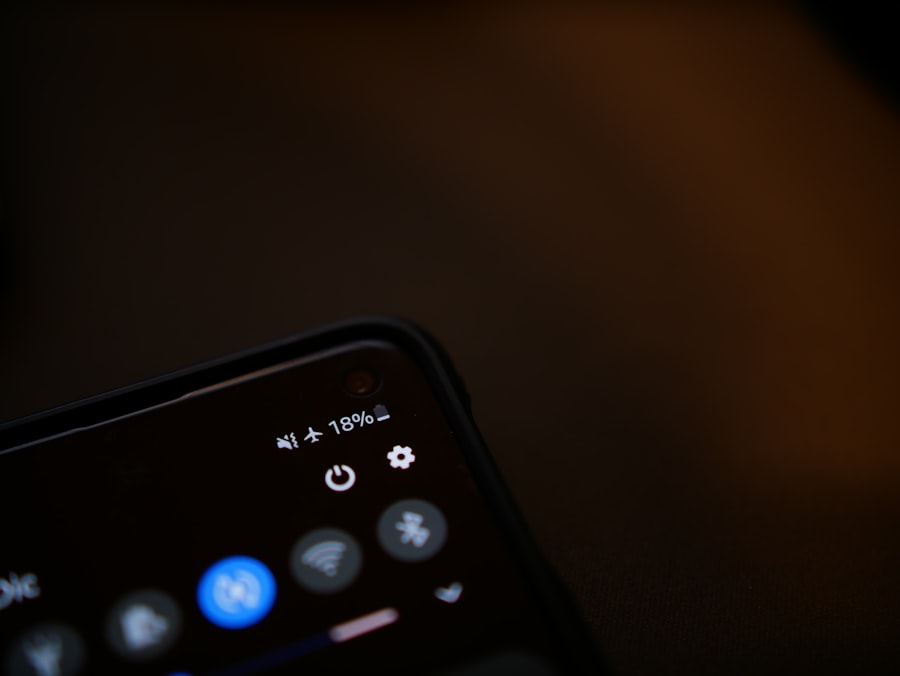
At its core, airplane mode is about managing radio waves. Understanding a little about how these waves behave is key to appreciating the science behind the switch.
What are Radio Waves?
Radio waves are a form of electromagnetic radiation, just like visible light, X-rays, and microwaves. They are characterized by their frequency (how many waves pass a point per second) and their wavelength (the distance between successive crests of a wave). Different frequencies have different properties and are used for different purposes.
Frequency and Wavelength: The Spectrum Explained
The radio frequency spectrum is a vast range of frequencies. Lower frequencies have longer wavelengths and can travel further and penetrate obstacles more easily. Higher frequencies have shorter wavelengths and are more directional. Your phone’s cellular radio operates in specific frequency bands, as does Wi-Fi and Bluetooth.
The Electromagnetic Spectrum: A Universe of Waves
The electromagnetic spectrum encompasses all forms of electromagnetic radiation, ordered by their frequency and wavelength. Radio waves occupy the lower end of this spectrum, while gamma rays occupy the highest. Understanding this spectrum helps explain why different technologies use different frequencies and how they are managed to avoid interference.
Transmission Power and Directionality
The power and directionality of a radio signal play a significant role in its potential for interference. Your smartphone, for example, is designed to transmit and receive signals in a relatively omnidirectional manner (meaning it sends signals in all directions).
The Omni-directional Nature of Your Phone
When your phone is searching for a cell tower or broadcasting a Wi-Fi signal, it’s sending out radio waves in all directions. This is efficient for finding a signal on the ground, but in the confined space of an aircraft, it increases the potential for those signals to reach and interact with sensitive aircraft systems.
The Shielding Effect of the Aircraft Body
The metal hull of an airplane actually acts as a Faraday cage, which can block or attenuate radio waves. However, this shielding is not perfect, and certain frequencies or powerful signals can still penetrate to some degree. The effectiveness of the shielding depends on the frequency of the radio waves and the design of the aircraft.
Airplane mode is a feature that many of us use while traveling, but have you ever wondered about the science behind it? Understanding how airplane mode works can shed light on its impact on your device’s connectivity and battery life. For a deeper dive into this topic, you might find the article on Freaky Science particularly enlightening, as it explains the principles of wireless communication and the reasons behind the regulations for electronic devices during flights.
The Future of In-Flight Electronics: A Constant Evolution
| Topic | Explanation |
|---|---|
| What is Airplane Mode? | Airplane mode is a setting available on most smartphones and other electronic devices that, when activated, suspends the device’s ability to send or receive calls and text messages, as well as access the internet. |
| Why is it called Airplane Mode? | It is called Airplane Mode because it was initially designed to prevent interference with the aircraft’s communication and navigation systems. It is a safety measure to ensure that electronic devices do not interfere with the airplane’s systems during flight. |
| Benefits of Airplane Mode | Using Airplane Mode can help conserve battery life, reduce distractions, and comply with airline regulations during flights. It can also be useful in areas with poor reception or when you need to focus on a task without interruptions. |
| How does Airplane Mode work? | When Airplane Mode is activated, the device disables its wireless communication functions, such as cellular, Wi-Fi, and Bluetooth. This prevents the device from transmitting signals that could interfere with sensitive equipment. |
The rules surrounding electronic device usage in airplanes are not static. They are constantly evolving as technology advances and our understanding of radio wave behavior deepens.
Research and Development: The Ongoing Quest for Safety
Aviation authorities and manufacturers are continuously conducting research to better understand the potential impacts of electronic devices. This research involves testing various devices under different flight conditions and analyzing their effects on avionics.
Advanced Shielding and Filtering
Newer aircraft are designed with advanced shielding and filtering techniques to further minimize the potential for EMI. This makes them more resilient to the radio signals emitted by personal electronic devices.
Collaborative Efforts: Airlines, Manufacturers, and Regulators
The evolution of in-flight electronics policy is a collaborative effort. Airlines work closely with device manufacturers and aviation regulators to establish guidelines that balance passenger convenience with paramount safety.
The Dream of Seamless Connectivity
The ultimate goal is a future where you can use all your electronic devices freely during all phases of flight, without any concern for interference. This may involve further advancements in device technology, aircraft design, and specialized in-flight communication systems.
The Potential for In-Flight Cellular Networks
While still in its early stages, there’s research and development into systems that could allow for safe and regulated cellular communication at cruising altitudes. This would require highly controlled and localized networks within the aircraft.
Beyond the Airplane Icon: A World of Wireless Possibilities
The airplane mode icon, while a familiar sight, represents a moment in time where our understanding of technology and aviation safety dictated caution. As we move forward, the science behind managing radio waves will continue to evolve, potentially making that little icon a relic of a bygone era, replaced by a seamless integration of our digital lives with the freedom of flight. The science behind airplane mode is not about fear, but about a deep understanding of physics and a commitment to ensuring you reach your destination safely, no matter how connected you are along the way.
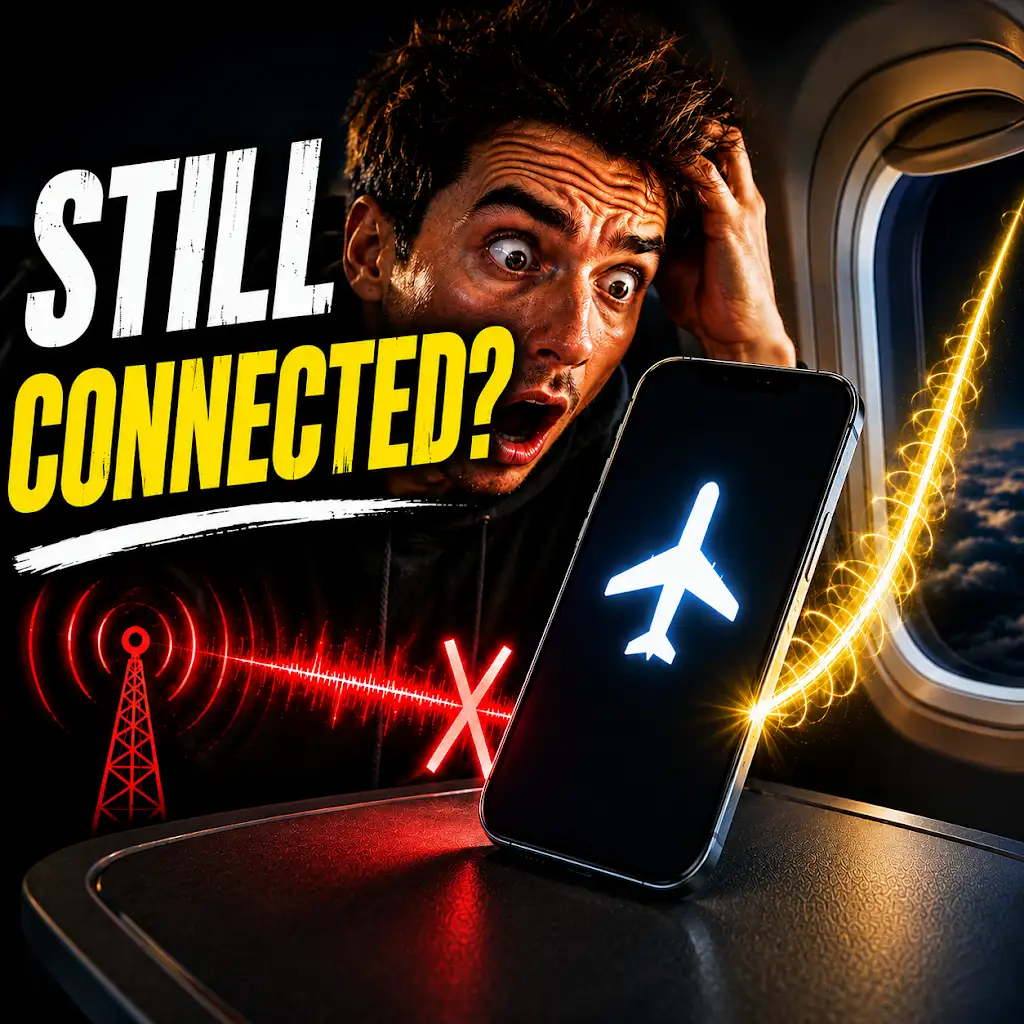
Your Phone Can Still Know Where You Are in Airplane Mode
FAQs
What is airplane mode?
Airplane mode is a setting available on most smartphones and other electronic devices that disables the device’s wireless communication functions. This includes disabling cellular, Wi-Fi, and Bluetooth connections.
Why is it called airplane mode?
The term “airplane mode” comes from the fact that it is commonly used during flights. When activated, it prevents the device from emitting signals that could potentially interfere with the aircraft’s communication and navigation systems.
What are the benefits of using airplane mode?
Using airplane mode can help conserve battery life, as the device is not constantly searching for and connecting to wireless networks. It also ensures compliance with airline regulations and helps prevent interference with aircraft systems.
Can I use airplane mode during takeoff and landing?
Yes, most airlines allow the use of airplane mode throughout the entire flight, including during takeoff and landing. However, it is important to follow the specific instructions provided by the airline crew.
Does airplane mode completely disable all communication functions?
While airplane mode disables most wireless communication functions, it typically allows the user to manually enable certain features, such as accessing stored files, using the camera, or playing games that do not require an internet connection.