
You’re settling into your seat, the cabin lights dimming, and a flight attendant’s voice is guiding you through the pre-flight safety check. Then comes the familiar announcement: “Please ensure all electronic devices are switched to airplane mode.” You tap your phone, maybe sigh internally, and engage the setting. But have you ever stopped to wonder why? What is this seemingly simple switch, and how does it actually contribute to your safety and the smooth operation of the aircraft? It’s not just a suggestion; it’s a scientifically grounded practice that plays a vital role in modern air travel.
Your smartphone, your tablet, your laptop – they’re all sophisticated communication devices. They’re constantly broadcasting and receiving radio waves, invisible signals that carry data for calls, texts, and internet access. These radio waves operate on specific frequencies, and in the controlled environment of an airplane, even the smallest, most seemingly innocuous emissions can have unintended consequences.
Understanding Radio Frequency Interference
The core of airplane mode’s safety lies in preventing radio frequency (RF) interference. Think of it like a crowded room where everyone is trying to speak at once. It becomes difficult to discern individual conversations. Similarly, the sensitive electronic systems on an aircraft are designed to communicate with each other and with ground control using very specific radio frequencies. When personal electronic devices emit their own radio waves, especially on frequencies that might overlap or be close to those used by the aircraft, it can create a cacophony of signals.
This interference isn’t about your phone “blowing up the plane,” as some exaggerated myths suggest. Instead, it’s about subtle disruptions that, in aggregate, can cause problems. Modern aircraft are incredibly complex, relying on a delicate dance of electronic signals for everything from navigation and communication to flight control and passenger comfort.
How Devices Communicate
Your mobile phone operates on a cellular network. It uses radio waves to connect to cell towers, sending and receiving signals for calls, data, and text messages. This communication requires a constant exchange of information, with your device broadcasting its presence and searching for the strongest signal.
Wi-Fi and Bluetooth operate on similar principles, using radio waves to create local networks or direct connections between devices. These technologies are designed for convenience, allowing you to browse the internet or connect your headphones wirelessly. However, the frequencies they use are licensed and managed, and their emissions are generally regulated.
The science behind airplane mode is a fascinating topic that explores how disabling wireless signals on devices can enhance safety during flights and reduce distractions. For a deeper understanding of this subject, you can read a related article that delves into the implications of using airplane mode and its effects on electronic devices. Check it out here: Freaky Science Article.
The Aircraft’s Electronic Ecosystem
An airplane is far more than just a metal tube with wings; it’s a flying hub of intricate technology. The cockpit, in particular, is a marvel of engineering, packed with systems that pilots rely on to navigate, communicate, and control the aircraft safely.
Navigation Systems: Your Pilot’s GPS
Modern aircraft utilize a suite of sophisticated navigation systems. While GPS (Global Positioning System) is a familiar technology, aircraft often employ a layered approach to ensure accuracy and redundancy.
GPS and its Role
GPS satellites transmit signals that allow receivers on the ground and in the air to determine precise location. While generally reliable, GPS signals can be susceptible to interference. Imagine trying to pinpoint your exact location on a map while someone is shouting random directions in your ear.
Inertial Navigation Systems (INS)
Complementing GPS are Inertial Navigation Systems (INS). These systems use gyroscopes and accelerometers to track the aircraft’s movement from a known starting point. They don’t rely on external signals, making them inherently resistant to RF interference. However, over long periods, they can accumulate small errors, which is why they are often cross-referenced with GPS.
Radio Navigation Aids
Airports and air traffic control rely on various ground-based radio navigation aids, such as VOR (VHF Omnidirectional Range) and ILS (Instrument Landing System). These systems provide pilots with directional and positional information, especially during approaches and landings. The precise frequencies used by these aids are critical for safe operations.
Communication Systems: Talking to the Ground and Each Other
Effective communication is paramount in aviation. Pilots need to be in constant contact with air traffic control (ATC) and other aircraft.
Air Traffic Control (ATC) Frequencies
ATC operates on specific radio frequencies, meticulously managed to ensure clear communication. When pilots are in communication with ATC, they need to be absolutely certain that the signals are clear and uncorrupted. Even a brief burst of static or a garbled transmission could have serious safety implications.
ACARS (Aircraft Communications Addressing and Reporting System)
ACARS is a digital datalink system used by airlines to transmit messages between aircraft and ground stations. This system is vital for operational information, flight plan updates, and passenger service messages. The reliability of ACARS is crucial for efficient flight management.
Flight Control Systems: The Brains of the Operation
Modern aircraft incorporate fly-by-wire systems, where pilot commands are transmitted electronically to the control surfaces. These systems offer enhanced precision and stability, but they are also highly reliant on the integrity of their electronic signals.
Fly-by-Wire Technology
Instead of mechanical cables and pulleys, fly-by-wire aircraft use electrical signals to move the ailerons, elevators, and rudder. This allows for more sophisticated flight control laws and automation. Any interference with these crucial signals could, in theory, lead to unexpected aircraft behavior.
The Science Behind Airplane Mode
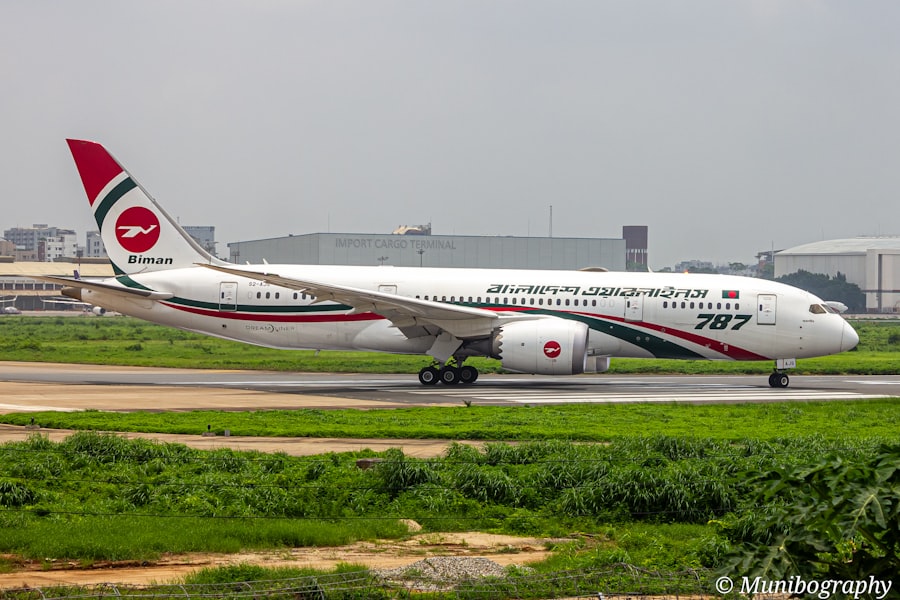
Airplane mode isn’t just a switch that magically turns off all your device’s radios. It’s a deliberate action to disable specific radio transmitters within your device, thereby minimizing potential interference.
What Happens When You Engage Airplane Mode
When you activate airplane mode, your device essentially enters a state of electronic hibernation regarding its wireless communication capabilities. It’s a bit like putting your phone on silent, but with a much more targeted effect.
Disabling Cellular Transmitters
The most significant action of airplane mode is to turn off the cellular radio. This means your phone can no longer connect to cell towers, effectively severing its connection to the mobile network. This is the primary reason you can’t make calls or access mobile data while in airplane mode.
Disabling Wi-Fi and Bluetooth Transmitters
In most modern devices, airplane mode also disables Wi-Fi and Bluetooth radios. While these frequencies are generally less likely to cause critical interference than cellular frequencies, they are still being shut down as a precautionary measure. This ensures a comprehensive approach to minimizing potential RF emissions.
Allowing for Wi-Fi and Bluetooth to be Re-enabled
Crucially, airplane mode is designed with flexibility. Once the aircraft has reached a safe altitude and the crew has given the all-clear, you can often re-enable Wi-Fi and Bluetooth. This is because the risk of interference is significantly reduced once the aircraft is no longer in its most critical phases of flight (takeoff and landing) and is at a higher altitude, further away from ground-based infrastructure. The aircraft’s systems are more robust at cruising altitudes, and the cabin environment is more controlled.
The Evolution of Aircraft and Device Technology
It’s important to note that the concern over electronic device interference isn’t static. Both aircraft and personal electronics have evolved considerably over the years.
Increased Sensitivity of Aircraft Systems
As aircraft become more technologically advanced, their electronic systems are often designed to be more sensitive. This means they can detect and be affected by even weaker RF signals than older systems. This increased sensitivity necessitates a more cautious approach to potential interference.
More Sophisticated Device Emission Control
Conversely, personal electronic devices are also becoming more sophisticated in how they manage their RF emissions. Manufacturers are working to ensure their devices emit signals within strict regulatory limits and with better signal integrity. However, the sheer volume of devices on a modern flight means that even well-behaved individual emissions could theoretically contribute to cumulative interference.
The Risk Assessment: Why It Matters
The decision to require airplane mode is based on a thorough risk assessment conducted by aviation authorities and airlines. It’s not an arbitrary rule but a calculated measure to maintain the highest safety standards.
The “What If” Scenario: Potential Consequences
While a single phone is unlikely to cause catastrophic failure, the aviation industry operates on the principle of minimizing all potential risks, no matter how small.
Minor Glitches and Distractions
In less severe cases, interference could manifest as minor glitches in cockpit displays or intermittent communication issues. While these might not immediately endanger the aircraft, they can be a distraction for pilots, who need to have clear and reliable information at all times.
Cumulative Interference
The real concern lies in the potential for cumulative interference. Imagine hundreds of devices emitting faint RF signals. Individually, these signals are negligible. However, when combined, they could potentially overwhelm or disrupt the sensitive communication and navigation channels that aircraft rely on.
Interference with Critical Systems
The most concerning “what if” scenario involves interference with critical flight control or navigation systems. While extremely rare, any disruption to these systems could have severe consequences. Airplane mode is a proactive measure to prevent even the slightest possibility of such an event.
The Role of Regulatory Bodies
Aviation safety is overseen by rigorous regulatory bodies worldwide, such as the FAA (Federal Aviation Administration) in the United States and EASA (European Union Aviation Safety Agency) in Europe. These organizations set the standards and guidelines for aircraft operations and passenger safety.
Setting the Standards for Electronic Device Usage
These bodies conduct extensive research and testing to determine the acceptable levels of RF emissions from personal electronic devices in an aviation environment. Their regulations are based on scientific evidence and real-world observations.
Continuous Re-evaluation of Guidelines
The guidelines for electronic device usage on aircraft are not set in stone. As technology advances and our understanding of RF interference evolves, these guidelines are continuously re-evaluated and updated. This ensures that aviation safety practices remain current and effective.
Understanding the science behind airplane mode can enhance our awareness of how our devices interact with the environment around us. When activated, airplane mode disables all wireless communication, which not only conserves battery life but also minimizes potential interference with aircraft systems. For a deeper dive into the fascinating effects of this feature and its implications on technology, you can explore a related article on the topic at Freaky Science. This resource provides insights into the electromagnetic waves emitted by our devices and the benefits of using airplane mode in various situations.
Beyond the Phone: Other Devices and Considerations
| Science Behind Airplane Mode | Explanation |
|---|---|
| Radio Signals | Disables the device’s ability to send or receive radio signals, which can interfere with aircraft communication systems. |
| Battery Conservation | Reduces power consumption by turning off wireless communication functions, extending battery life during flight. |
| Safety Regulations | Complies with aviation safety regulations and guidelines to minimize potential interference with aircraft systems. |
While smartphones are the most common concern, it’s worth noting that airplane mode applies to a range of electronic devices.
Laptops and Tablets
Similar to smartphones, laptops and tablets also contain Wi-Fi and Bluetooth transmitters that should be disabled when instructed. Many have integrated cellular modems as well, which would also be deactivated by airplane mode.
E-readers and Smartwatches
Even smaller devices like e-readers (if they have wireless capabilities) and smartwatches with Bluetooth connectivity can also emit RF signals. While their power output is generally lower than that of a smartphone, the principle of minimizing all potential sources of interference remains the same.
Medical Devices: A Special Case
For passengers who rely on essential medical devices, such as portable oxygen concentrators or certain types of pacemakers, there are specific guidelines and protocols. These devices are typically approved for use onboard aircraft and are designed to minimize RF emissions. Passengers with such devices are usually advised to inform the airline in advance to ensure all necessary arrangements are made. The airline will then assess the specific device and provide guidance.
In conclusion, engaging airplane mode is far more than a mere formality. It’s a scientifically validated practice that contributes to a layered safety net for air travel. By understanding the invisible symphony of radio waves and the intricate electronic ecosystem of an aircraft, you can appreciate the importance of this simple yet crucial step. So, the next time you’re asked to switch to airplane mode, you can do so with the knowledge that you’re actively participating in ensuring a safe and smooth flight for everyone onboard.
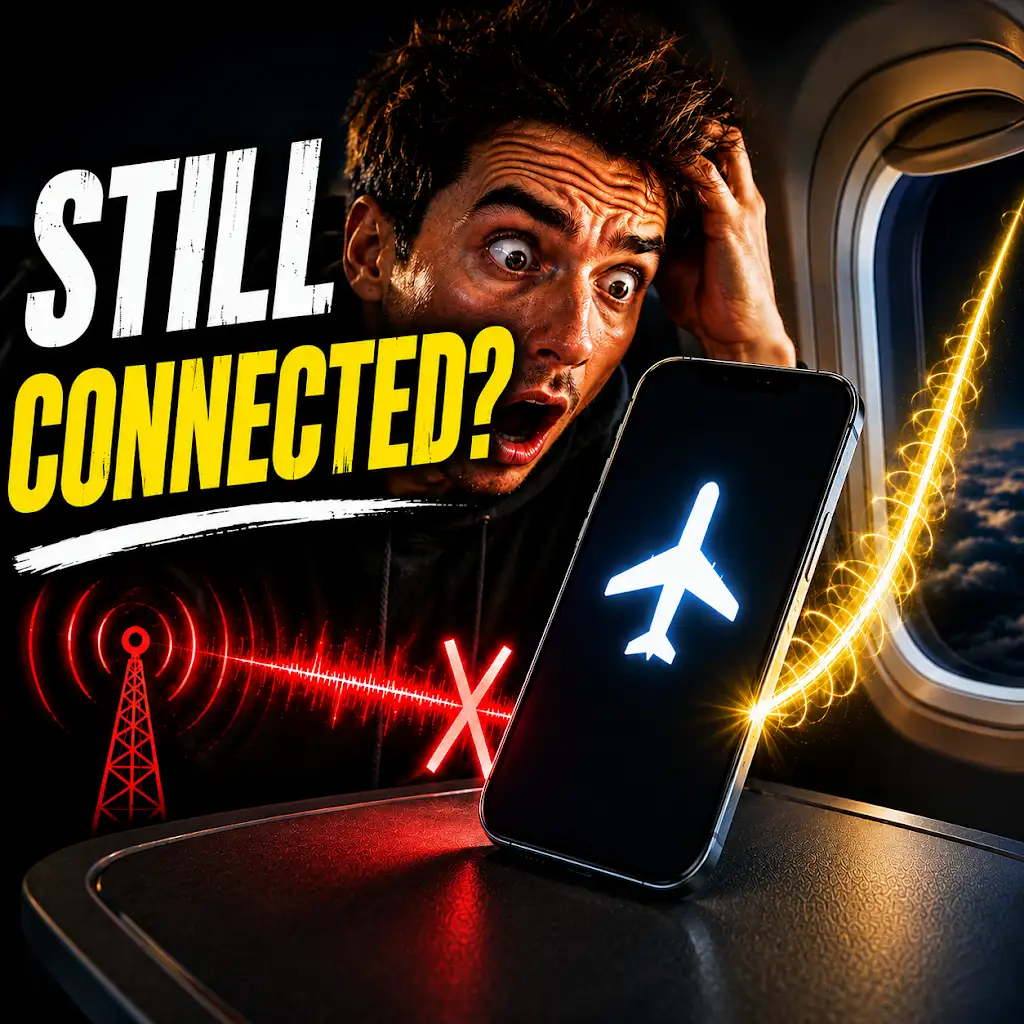
Your Phone Can Still Know Where You Are in Airplane Mode
FAQs
What is airplane mode?
Airplane mode is a setting available on most smartphones and other electronic devices that disables the device’s wireless communication functions. This includes disabling the device’s ability to make or receive calls, send or receive text messages, and connect to the internet via Wi-Fi or cellular data.
Why is it called airplane mode?
Airplane mode is called so because it was originally designed to be used during flights. When activated, it prevents the device from emitting radio frequency signals that could potentially interfere with the aircraft’s communication and navigation systems.
How does airplane mode work?
When airplane mode is activated, the device’s radio transmitters for cellular, Wi-Fi, and Bluetooth signals are turned off. This prevents the device from sending or receiving any wireless signals, effectively putting it in a state of radio silence.
What are the benefits of using airplane mode?
Using airplane mode can help conserve battery life, as the device is not constantly searching for and connecting to wireless networks. It also allows users to use their devices in areas with restricted wireless signal usage, such as during flights or in hospitals.
Can I use airplane mode for other purposes besides flying?
Yes, airplane mode can be used in various situations where you want to limit the use of wireless communication functions, such as in areas with poor reception, to reduce distractions, or to comply with regulations that restrict wireless signal usage.