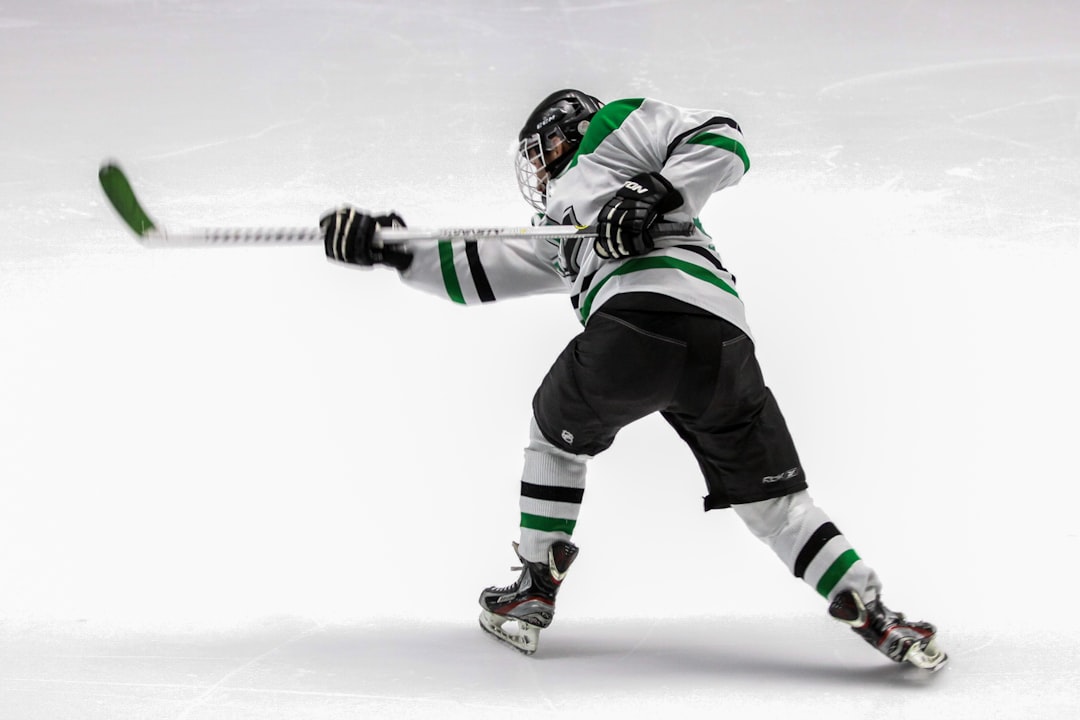
Beneath the shimmering, crystalline surface of the ice, a world of dedication, precision, and breathtaking athleticism unfolds. Ice skating, a sport that appears effortless and ethereal to the casual observer, is built upon a foundation of rigorous training, intricate technique, and a profound understanding of physics and biomechanics. The elegant glides, the gravity-defying jumps, and the intricate spins are not mere displays of talent; they are the culmination of countless hours spent perfecting every nuance. The secrets of ice skating lie not just in the visible spectacle but in the invisible architecture of skill and knowledge that underpins every performance.
The blade of an ice skate, a seemingly simple strip of metal, is the dancer’s most crucial instrument. Its sharp edges are the gateway to control, speed, and maneuverability. Understanding and mastering these edges is paramount, forming the bedrock upon which all other skating elements are built. Without a deep connection to the edges, a skater remains earthbound, unable to unlock the true potential of the sport.
Inside and Outside Edges: The Two Pillars of Control
Every skater learns early on to distinguish between the inside and outside edges of their skates. These two fundamental edges provide the skater with the ability to turn, glide, and generate momentum. The inside edge, where the skater leans inward, allows for tighter turns and more precise control. Conversely, the outside edge, with a lean away from the body, is crucial for generating speed and setting up for more complex maneuvers. The seamless transition between these edges, often imperceptible to the untrained eye, is a testament to years of practice. It’s in the subtle pressure applied, the precise angle of the ankle, and the minute shifts in body weight that the magic happens. A skater’s ability to hold a deep outside edge through a powerful turn is not just about balance; it’s about harnessing the friction and the curve of the blade against the ice to create a sustained force. Similarly, a crisp inside edge allows for intricate footwork and the ability to change direction instantaneously, a vital skill in both singles and pairs skating.
The Art of the Carving Turn: Beyond Mere Rotation
A simple turn on ice can be achieved by anyone with a pair of skates. However, a true carving turn is an art form. It involves using the edge to cut a smooth, consistent arc into the ice, creating a visible groove that speaks to the skater’s control and power. This is not about simply rotating; it’s about leaning into the turn, allowing the blade to dig in and guide the body through the arc. The depth of the carve, the consistency of the line, and the speed maintained throughout the turn all indicate a skater’s mastery. Advanced skaters can execute complex combinations of turns, linking them together in a fluid, unbroken sequence that seems to defy the limitations of physics. These turns are not just stylistic embellishments; they are essential for setting up jumps, maintaining flow, and demonstrating a deep understanding of the ice’s surface. The sound of a perfectly carved turn, a soft hiss of the blade, is a subtle indicator of elite technique.
Edge Work in Choreography: The Unseen Storytelling
While jumps and spins often grab the spotlight, the intricate edge work is the narrative thread that weaves through a skating program. The quality of the glides, the subtle changes in direction, and the power generated from the edges all contribute to the overall impression of the performance. Choreographers meticulously plan every movement, ensuring that the skater’s edge work complements the music and expresses the intended emotion. A skater who can execute a long, flowing glide on a single edge, their body extended and their arms gracefully positioned, tells a story of elegance and control. Conversely, sharp, rapid changes of direction using intricate footwork on the edges can convey urgency or excitement. The ability to “flow” across the ice, maintaining speed and grace, is directly tied to the skater’s command of their edges. It’s this seamless connection between the skater and the ice, facilitated by the perfect use of their edges, that allows them to draw the audience into their performance.
When exploring the fascinating physics of ice skating, it’s intriguing to consider what happens beneath the ice skate as it glides across the surface. The pressure exerted by the skate blade causes a thin layer of water to form, reducing friction and allowing for smooth movement. For a deeper understanding of this phenomenon and other related scientific principles, you can read more in this article on Freaky Science. Check it out here: Freaky Science.
The Science of the Ascent: Deconstructing the Jump
Ice skating jumps are arguably the most visually spectacular element of the sport. The incredible height, the rapid rotation, and the seemingly effortless landing are the result of a sophisticated interplay between physics, biomechanics, and years of dedicated practice. To understand a jump is to understand the fundamental forces at play and how a skater manipulates them.
The Take-Off: Generating Vertical Momentum
The secret to a successful jump begins long before the skater leaves the ice. The take-off is a carefully orchestrated explosion of energy. Skaters utilize a combination of powerful leg drive, arm momentum, and precise edge control to generate the necessary vertical velocity. Different jumps employ different take-off techniques, but the core principle remains the same: convert horizontal momentum and explosive leg power into upward force. For example, a toe loop jump uses a strong toe pick assist to launch the skater upwards, while a Salchow jump relies on a clean edge take-off. The transfer of energy from the legs through the core and into the arms is a complex kinetic chain. Skaters train to maximize this transfer, ensuring that no energy is wasted. The angle of their body, the timing of their arm swing, and the grip on the ice are all critical factors in maximizing their vertical lift.
The Air Position: The Art of Tight Rotation
Once in the air, the skater’s body undergoes a dramatic transformation. To achieve the required rotations (two, three, or even four turns in the air), skaters must quickly pull their arms and legs in towards their body, minimizing their moment of inertia. This is often described as “checking” out of the jump. The tighter the body is pulled in, the faster the rotation will be. The visual of a skater spinning like a top, arms and legs tucked in, is a direct illustration of this physics principle. The precise positioning of the arms, often held across the chest or clasped together, is crucial. Similarly, the legs are brought together, often with knees bent, to create a compact, aerodynamic form. The speed at which this air position is achieved dictates the success of completing the required revolutions before gravity begins its inevitable pull.
The Landing: Absorbing Impact and Maintaining Balance
The landing is often the most challenging part of a jump. Skaters must absorb a significant amount of impact force while maintaining their balance and continuing their glide. This requires incredible strength, flexibility, and precise control of their edges. The landing is typically executed on a backward outside edge, allowing the skater to use the curve of the blade to absorb the shock and transition smoothly into their next movement. The shock absorption is achieved through a controlled bend of the knees and ankles, acting as natural shock absorbers. The ability to land cleanly, without stumbling or falling, is a hallmark of a skilled skater. Advanced skaters can even use their landing edge to immediately transition into a turn or a spin, demonstrating a seamless flow of movement. The strength in their legs and core is vital for withstanding the rotational forces and the impact of hitting the ice at speed.
The Psychological Edge: Conquering the Fear of Falling
Beyond the physical and technical aspects, the psychological component of jumping is immense. The fear of falling is a constant companion, especially when attempting more complex and dangerous jumps. Skaters must develop a strong mental fortitude, a fearless attitude, and the ability to visualize success. They train their minds as rigorously as they train their bodies, employing techniques such as positive self-talk, visualization, and mental rehearsal. This mental resilience allows them to push through moments of doubt and execute jumps with confidence. The sheer bravery involved in launching oneself into the air, knowing the potential consequences of a miscalculation, is a testament to their mental strength.
The Symphony of the Spin: Unraveling the Vortex
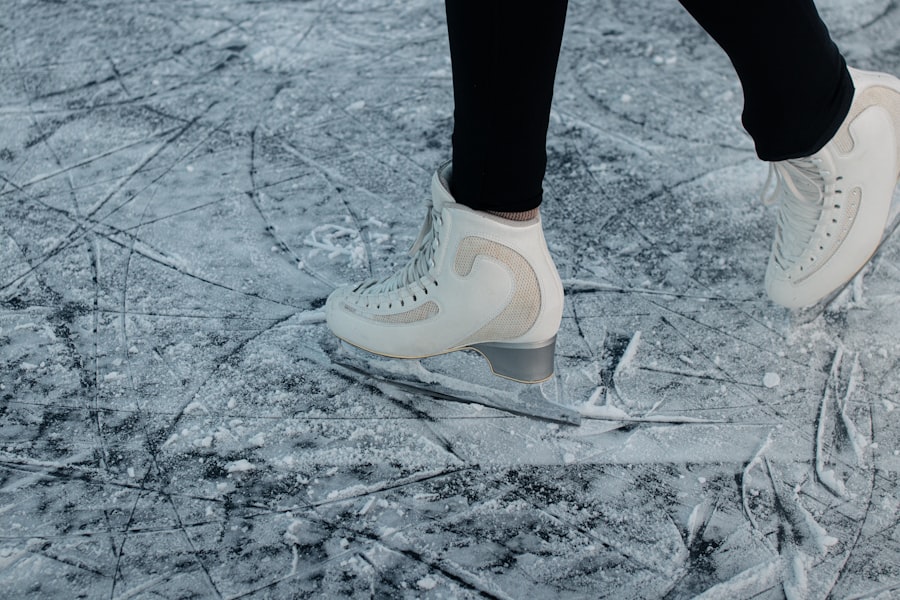
Ice skating spins are mesmerizing displays of balance, control, and speed. The effortless twirling on a single point of the blade, often at dizzying speeds, is achieved through a complex understanding of angular momentum and precise body positioning. The spin is not just about rotation; it’s about finding the perfect equilibrium.
The Entry: Setting the Stage for Rotation
A spin begins with a controlled entry, where the skater uses their edges and body momentum to initiate the rotation. Different types of spins have distinct entries, but the common thread is the creation of a stable rotational force. This might involve a deep edge, a quick change of direction, or a powerful push from the free leg. The entry needs to be efficient, generating sufficient rotational speed without compromising the skater’s ability to find their balance point quickly. The precision of the entry determines the speed and stability of the spin, setting the tone for the entire element. A clean entry often involves a controlled scrape of the blade to create initial rotation, followed by a seamless transition to a single-foot balance.
The Core of the Spin: The Upright Position and Balance
The true secret to a sustained spin lies in the upright position and the skater’s ability to find and maintain their center of gravity directly over the spinning blade. This requires immense core strength, a precise alignment of the body, and the ability to make minute adjustments to stay balanced. Skaters learn to feel the “sweet spot” on the blade where they can spin with maximum efficiency and minimal wobbling. The upright spin, with the body extended and arms held gracefully, is the most common. However, variations exist, such as the “layback” spin, where the skater arches their back, or the “sit” spin, where they lower their body closer to the ice. Maintaining balance on such a small surface at high speeds is a remarkable feat of proprioception and muscular control.
Changing Positions: Adding Complexity and Visual Appeal
To elevate a basic spin into a captivating element, skaters incorporate changes in position. These can include pulling legs in tighter, extending them, or even changing the orientation of the upper body. These changes not only add visual interest but also demonstrate the skater’s advanced control and ability to manipulate their angular momentum. Each change of position requires a precise adjustment of their body to maintain balance and continue spinning. For example, transitioning from an upright spin to a layback spin involves a controlled arching of the back and a shift in weight distribution, all while maintaining the rotational force. These transitions are often executed with remarkable fluidity, making them appear almost magical.
The Exit: A Controlled Return to Glide
Just as the entry is crucial, so too is the exit from a spin. A clean exit allows the skater to transition smoothly into their next movement, maintaining momentum and flow. This typically involves gradually extending the body, absorbing some of the rotational energy, and returning to a controlled glide on the ice. The exit should be as controlled and graceful as the spin itself, demonstrating the skater’s complete command of their movement. A well-executed exit can set up the skater for a powerful sequence of steps or even another jump, demonstrating the interconnectedness of all elements in a program.
The Artistry of Expression: Choreography and Presentation
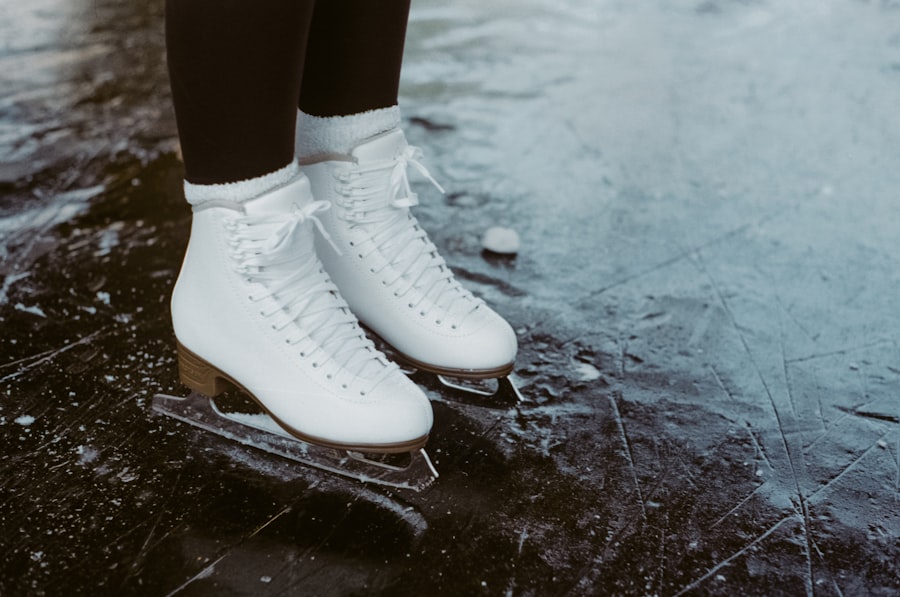
Beyond the technical prowess, ice skating is an artistic endeavor. Choreography and presentation are vital components, transforming raw athleticism into a compelling narrative that engages the audience on an emotional level. The skater becomes a storyteller, their movements conveying meaning and emotion.
Musical Interpretation: Connecting Movement to Melody
The relationship between the skater and the music is symbiotic. A skater must interpret the music, translating its rhythm, melody, and mood into their movements. This involves understanding the nuances of the music and finding ways to physically express its emotional content. A fast, energetic piece might inspire sharp, dynamic movements, while a slow, melancholic melody might call for flowing, lyrical expressions. The best skaters don’t just skate to the music; they skate with it, becoming one with its pulse and its soul. This involves carefully chosen steps, transitions, and body language that resonate with the musical phrases.
Choreographic Choices: Crafting the Narrative
Choreography is the roadmap of a skating program. It’s the strategic placement of technical elements, the creation of intricate footwork sequences, and the development of expressive body movements that tell a story. Choreographers work closely with skaters to develop programs that highlight their strengths and showcase their individual style. The goal is to create a seamless flow of movement that captivates the audience from beginning to end. This involves not only the technical execution of steps and jumps but also the artistic shaping of phrases and the creation of memorable visual moments.
Expression and Emotion: Connecting with the Audience
The ultimate goal of any performance is to connect with the audience. This is achieved through genuine expression and emotional authenticity. Skaters must convey the intended emotions of their program, whether it be joy, sorrow, passion, or power. Their facial expressions, their body language, and the intensity of their movements all contribute to this connection. A skater who can make the audience feel what they are portraying is a skater who has truly mastered the art of ice skating. This emotional connection is what elevates a technically perfect performance into something truly unforgettable, leaving a lasting impression on everyone who witnesses it.
Stage Presence: Owning the Ice
Stage presence is the intangible quality that allows a skater to command attention and captivate an audience. It’s the confidence, the charisma, and the ability to project their personality onto the ice. A skater with strong stage presence draws the audience in, making them feel as though they are part of the performance. This can be achieved through direct eye contact, powerful movements, and an undeniable aura of self-assurance. It’s the final layer that seals the deal, transforming a good skater into a star.
When ice skaters glide across the surface, they often wonder about the physics at play beneath their skates. A fascinating article explores the intricate dynamics of how pressure and temperature interact to create a thin layer of water, allowing for smooth movement. This phenomenon not only enhances performance but also raises questions about the sustainability of ice surfaces. To learn more about this captivating topic, you can read the full article here.
The Unseen Discipline: Training and Conditioning
| Aspect | Explanation |
|---|---|
| Friction | When an ice skate glides over ice, the pressure exerted by the skater’s weight causes a thin layer of ice to melt, reducing friction and allowing the skate to move smoothly. |
| Blade Edge | The sharpness and angle of the blade edge determine how easily the skate can grip the ice and make turns. |
| Ice Temperature | The temperature of the ice affects its hardness and slipperiness, which in turn impacts the performance of the skater. |
| Pressure | The distribution of pressure from the skater’s body weight onto the ice surface affects the melting point of the ice, creating a thin layer of water that reduces friction. |
Beneath the dazzling costumes and the roaring applause lies a world of relentless training, unwavering discipline, and meticulous conditioning. The physical and mental demands of ice skating are immense, requiring skaters to push their bodies to the limit day in and day out.
On-Ice Training: The Daily Grind
The vast majority of a skater’s time is spent on the ice, honing their technical skills. This includes countless repetitions of jumps, spins, footwork sequences, and power skating drills. Coaches guide them through every aspect of their training, providing feedback and pushing them to constantly improve. This relentless practice is what builds muscle memory, refines technique, and develops the stamina required for competition. The sheer volume of hours spent on the ice is staggering, often amounting to several hours per day, six days a week.
Off-Ice Conditioning: Building the Engine
To support their demanding on-ice routines, skaters engage in extensive off-ice conditioning. This includes strength training to build powerful legs and a strong core, flexibility exercises to improve range of motion and prevent injuries, and cardiovascular training to enhance stamina and endurance. Plyometrics, ballet, and yoga are often incorporated to develop explosiveness, grace, and body awareness. This holistic approach ensures that the skater’s body is a finely tuned instrument, capable of withstanding the rigors of the sport.
Nutrition and Recovery: Fueling the Performance
Proper nutrition and recovery are critical for any athlete, and ice skaters are no exception. They must fuel their bodies with a balanced diet that provides the necessary energy for training and supports muscle repair. Sleep is also paramount, allowing the body to recover and rebuild. Skaters often work with nutritionists and sports physiologists to optimize their diet and recovery strategies, understanding that these elements are just as important as their time on the ice.
Mental Toughness: The Ultimate Training
Perhaps the most crucial aspect of a skater’s training is the development of mental toughness. They must learn to cope with pressure, overcome setbacks, and maintain focus even when exhausted. This involves a combination of mental skills training, such as visualization and positive self-talk, and the sheer resilience developed through years of facing challenges. The ability to perform under pressure, to deliver their best when it matters most, is a testament to their mental fortitude. This mental discipline is what separates good skaters from champions, allowing them to rise above adversity and achieve their full potential. The secrets of ice skating are not just about what is seen on the surface; they are deeply rooted in the invisible dedication, the scientific understanding, and the artistic soul that lies beneath the shimmer of the ice.

Why Ice Is Slippery Is Stranger Than You Think
FAQs
1. What is the science behind ice skating?
Ice skating involves the interaction between the blade of the skate and the ice. When pressure is applied to the blade, it creates a thin layer of water on the ice, reducing friction and allowing the skater to glide smoothly.
2. How does the blade of an ice skate work?
The blade of an ice skate is designed with a sharp edge that cuts into the ice, creating a thin layer of water. This layer of water reduces friction, allowing the skater to move with less resistance.
3. What happens to the ice beneath an ice skate?
When an ice skate glides over the ice, the pressure and friction from the blade cause the ice to melt slightly, creating a thin layer of water. This water layer reduces friction and allows the skater to move more easily.
4. How does the temperature affect ice skating?
The temperature of the ice is crucial for ice skating. Warmer temperatures can cause the ice to melt, creating a rough surface that is more difficult to skate on. Colder temperatures create smoother ice, ideal for skating.
5. What are some key factors that affect the performance of an ice skate?
The sharpness of the blade, the skater’s weight and technique, and the condition of the ice surface all play a role in the performance of an ice skate. A well-maintained blade and smooth ice surface contribute to better skating performance.