The glint of polished steel on ice, the effortless glide, the breathtaking spins—these are the hallmarks of elite ice skating. For decades, enthusiasts and scientists alike have pondered the fundamental physics that allow skaters to move with such fluidity. While friction plays a role, a deeper, more fascinating phenomenon lies at the heart of this elegant dance: pressure melting. This article aims to unlock the secrets of pressure melting in ice skating, exploring the underlying science, its practical implications, and the ongoing quest for optimization.
Ice skating appears, at first glance, to defy conventional wisdom. We intuitively understand friction as a force that resists motion. Yet, on ice, the blades of a skate seem to facilitate it, allowing for speeds and maneuvers that would be impossible on many other surfaces. This apparent paradox has spurred extensive scientific inquiry, leading to the identification of several contributing factors. While the precise balance and interplay of these factors remain a subject of active research, pressure melting stands out as a crucial, and perhaps counterintuitive, element.
Understanding the Basics of Friction
Before delving into pressure melting, it’s essential to grasp the general principles of friction. Friction arises from the microscopic irregularities on the surfaces of two objects in contact. When these irregularities interlock, they create resistance to relative motion. The magnitude of this frictional force is typically proportional to the normal force pressing the surfaces together and the coefficient of friction, a property dependent on the materials in contact.
The Role of Kinetic Friction in Skating
In many scenarios, kinetic friction, the force that opposes motion between sliding surfaces, is the dominant factor. On dry surfaces, this friction generates heat, a direct consequence of energy dissipation. However, on ice, the situation becomes far more complex, and the traditional understanding of friction needs to be augmented to explain the skater’s remarkable glide.
Pressure melting plays a crucial role in the dynamics of ice skating, as the pressure exerted by a skater’s blade can lower the melting point of ice, creating a thin layer of water that facilitates smoother movement. For a deeper understanding of this phenomenon and its implications in sports and physics, you can read more in this related article: Freaky Science.
The Science of Pressure Melting: A Microscopic Perspective
The core of pressure melting lies in the ability of the skater’s blade to create localized pressure on the ice surface, thereby lowering its melting point. This phenomenon, while seemingly subtle, has profound implications for how ice skates function.
Why Does Pressure Melt Ice?
Water molecules in ice are arranged in a crystalline structure. This structure is maintained by hydrogen bonds between the molecules. Pressure acts to compress this structure. In the case of ice, the crystalline structure is less dense than liquid water. Therefore, applying pressure to ice forces the molecules closer together, requiring them to adopt a more compact arrangement. The solid, crystalline structure of ice requires more space than the liquid form. When sufficient pressure is applied, it becomes energetically more favorable for the ice to transition into the liquid state, thus melting. This effect is described by the Clausius-Clapeyron relation, a thermodynamic equation that quantifies the change in melting point with pressure.
The “Triple Point” and Its Relevance
The triple point of a substance is the temperature and pressure at which its solid, liquid, and gaseous phases can coexist in equilibrium. For water, the triple point occurs at a very low pressure (0.006 atmospheres) and a temperature slightly above its normal freezing point (0.01°C). While the pressures exerted by an ice skate are not typically at the triple point, the principle of pressure-induced phase change is directly applicable. The significant pressure applied by a skater’s blade, concentrated over a very small area, is sufficient to push the ice past its normal melting point.
The Influence of Blade Geometry and Weight Distribution
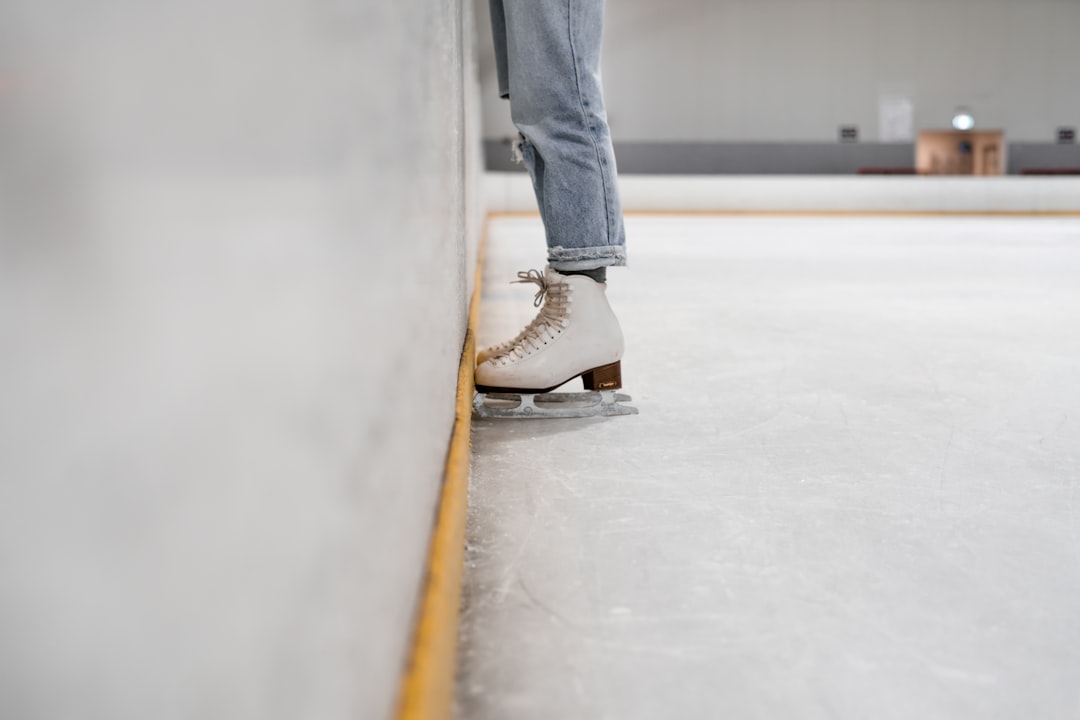
The narrowness of an ice skate blade is paramount to achieving significant pressure. By concentrating the skater’s weight onto such a fine edge, the pressure exerted per unit area becomes extremely high. Imagine the difference between standing on your two feet versus standing on stilts; the latter concentrates your weight and exerts much greater pressure on the ground. Similarly, a skater’s blade focuses their entire body weight (and often the forces generated during movement) onto a tiny sliver of ice.
The Critical Role of Blade Sharpness
The sharpness of the blade is another crucial factor. A sharper blade has a smaller radius of curvature at its edge, meaning the area of contact with the ice is even smaller. This further amplifies the pressure, making pressure melting more efficient. A dull blade will have a larger contact area, distributing the skater’s weight over a wider surface, thus reducing the pressure and the effectiveness of pressure melting.
The Interplay of Skater’s Mass and Blade Width
The pressure exerted by a skate is directly proportional to the skater’s mass and inversely proportional to the area of the blade in contact with the ice. Therefore, a heavier skater will exert more pressure than a lighter skater, assuming the same blade width. However, the blade width itself is a critical design parameter. Skaters often use blades that are significantly narrower than the soles of their shoes to maximize this pressure effect.
The Thin Film of Meltwater: The Lubricant’s Secret
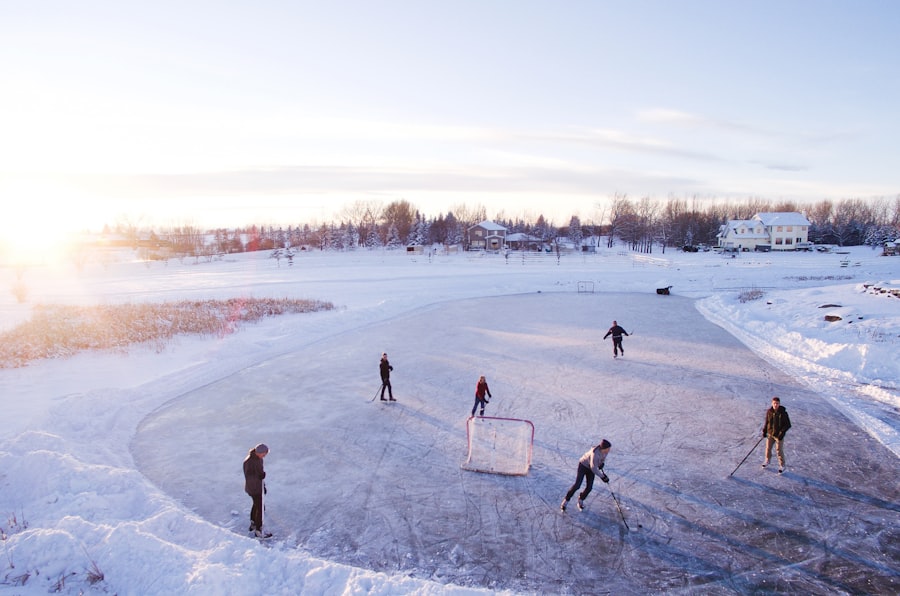
The melting of ice under pressure creates a thin film of liquid water between the blade and the ice. This water acts as a lubricant, drastically reducing the kinetic friction between the skate and the ice surface. It is this lubricating layer that allows for the smooth, low-resistance glide we associate with ice skating.
The Nature of the Lubricating Film
This meltwater film is not a thick layer of slush. Instead, it is a remarkably thin, often only a few molecules thick, layer of liquid. This thinness is key to maintaining efficient gliding. If the film were too thick, it could lead to drag and instability. The pressure continues to maintain this thin film throughout the glide.
Reducing Kinetic Friction to Near-Zero Levels
The presence of this water layer effectively reduces the coefficient of kinetic friction to values far lower than would be expected for ice on ice under normal conditions. This is why skaters can achieve such high speeds and perform intricate maneuvers without significant energy loss due to friction. The meltwater acts as a buffer, allowing the blade to slide almost unimpeded over the ice.
The Dynamic Equilibrium of Melting and Refreezing
It’s important to understand that pressure melting is a dynamic process. As the skate moves, the pressure is constantly applied, causing melting. However, as the blade moves forward, the pressure is relieved in the area behind it. In this region, the water cools and refreezes, reintegrating with the ice surface. This continuous cycle of melting and refreezing ensures a consistent lubricating layer.
The Cycle of Pressure and Release
The skater’s movement is a continuous application and release of pressure. As the blade pushes down, melting occurs. As the blade glides forward and pressure is lessened, the water refreezes. This dynamic equilibrium is what allows for sustained glide.
Re-establishing the Ice Surface
The refreezing process also plays a role in maintaining the integrity of the ice surface. By refreezing, the meltwater helps to seal any minor imperfections or grooves that might have been created by the blade, ensuring a smooth surface for subsequent glides.
Beyond Pressure Melting: Other Contributing Factors
While pressure melting is a cornerstone of understanding ice skating physics, it’s not the sole explanation. Several other factors contribute to the skater’s ability to glide.
Frictionless Heat Generation: A Counterintuitive Idea
This is perhaps the most counterintuitive aspect. While friction generally opposes motion and dissipates energy as heat, in the context of ice skating, a certain amount of heat generation is actually beneficial. This heat is generated not only by the melting of ice but also by the shearing of the thin water layer. This localized heating further contributes to the formation of the lubricating film.
The Role of Viscous Dissipation
The shearing of the water layer between the blade and the ice creates viscous dissipation. This is essentially internal friction within the fluid itself. As the water molecules slide past each other, they generate heat. This heat contributes to maintaining the meltwater layer and can even lead to slight increases in its temperature.
The Thin Film’s Thermal Properties
The thinness of the water film is also important from a thermal perspective. Heat can dissipate relatively quickly from such a thin layer, preventing excessive melting that could lead to a loss of control.
Surface Roughness and Its Nuances
The microscopic roughness of both the ice surface and the skate blade plays a more complex role than simple friction. While ideal smoothness would seem to be best, a certain degree of controlled roughness might actually aid in the formation and maintenance of the meltwater film.
Microscopic Imperfections as Water Reservoirs
Tiny imperfections in the ice surface can act as micro-reservoirs, holding small amounts of meltwater and ensuring its presence throughout the glide. Similarly, the microscopic texture of the blade can influence how the water film is formed and retained.
The Influence of Environmental Conditions
Temperature and humidity are not merely backdrop elements; they actively influence the dynamics of pressure melting and the properties of the ice surface.
Ambient Temperature and Ice Temperature
The ambient air temperature and the actual temperature of the ice are crucial. Colder ice might require higher pressure to melt effectively, while warmer ice melts more readily. The ideal ice temperature for skating is a carefully maintained balance.
Humidity’s Impact on Surface Freezing
High humidity can lead to increased condensation on the ice surface, potentially altering its properties. This can affect the ease with which the meltwater film forms and the overall glide.
Pressure melting plays a crucial role in the dynamics of ice skating, as the weight of the skater can create a thin layer of water beneath the blade, allowing for smoother gliding. This fascinating phenomenon is explored in detail in a related article that discusses the science behind ice and its unique properties. For those interested in learning more about this topic, you can read the article here: Freaky Science. Understanding pressure melting not only enhances the skating experience but also sheds light on the intricate relationship between physics and sports.
Optimizing the Skater’s Performance: Applying the Principles
| Temperature | Pressure Melting Point | Ice Skating |
|---|---|---|
| -1°C | 0.994 atm | Pure ice is too slippery for ice skating |
| -5°C | 1.004 atm | Ideal temperature for outdoor ice skating |
| -10°C | 1.018 atm | Indoor ice rinks maintain a temperature around this for ice skating |
Understanding the science behind pressure melting provides a foundation for optimizing ice skating performance, from equipment design to training techniques.
Blade Design and Maintenance: The Skater’s Tools
The shape, size, and sharpness of an ice skate blade are meticulously engineered to leverage the principles of pressure melting. Regular maintenance is crucial to ensure these blades perform optimally.
The Art of Blade Sharpening
Blade sharpening is not just about aesthetics; it’s about precision engineering. The radius of hollow in the blade (the concave curve on the underside) affects the edge contact. A sharper edge with a smaller radius of curvature creates higher pressure, but can also be more prone to damage. Skaters and their technicians meticulously choose and maintain this geometry.
Choosing the Right Blade Profile
Different skating disciplines (figure skating, speed skating, hockey) utilize blades with distinct profiles and hollows, tailored to the specific demands of their sport. A speed skater, for instance, will prioritize a long, straight blade for maximum efficiency, while a figure skater will opt for a blade with more rocker (curve) for maneuverability.
Training Regimens and Technique Refinement
Skating technique itself is a sophisticated application of these physical principles. Skaters consciously or unconsciously manipulate their weight, posture, and movements to maximize pressure and optimize glide.
Weight Distribution and Center of Gravity
Skating coaches emphasize proper weight distribution and maintaining a low center of gravity. This allows skaters to exert consistent and controlled pressure on the ice, facilitating efficient pressure melting.
The Mechanics of Pushing Off and Gliding
The powerful push-off in skating is designed to generate maximum force and thus maximum pressure. The subsequent glide is about minimizing resistance by maintaining the optimal meltwater film.
The Future of Ice Skating: Innovation and Research
Continued research into the intricacies of ice-surface interactions promises to unlock new avenues for improving skating performance and understanding.
Advanced Blade Materials and Coatings
Researchers are exploring novel materials and coatings for skate blades that could enhance lubrication, reduce friction, or even further influence the melting point of ice.
Computational Modeling and Simulation
Sophisticated computational models are being developed to simulate the complex interactions between skate blades and ice at the molecular level, providing deeper insights into the physics at play.
Conclusion: The Elegant Dance of Physics and Motion
Pressure melting in ice skating is a testament to the subtle yet powerful forces that govern our physical world. It is a phenomenon that transforms a seemingly solid barrier into a fluid medium, allowing for the breathtaking artistry and athleticism we witness on the ice. From the precise engineering of a skate blade to the refined technique of an elite skater, every element works in concert to harness the power of pressure to melt ice, creating the thin, lubricating film that enables effortless glide. As our understanding of this elegant dance between physics and motion continues to evolve, so too will the possibilities for human performance on the ice. The secrets of pressure melting are not fully revealed, but each discovery brings us closer to appreciating the profound scientific beauty underlying every graceful stride.

Why Ice Is Slippery Is Stranger Than You Think
FAQs
What is pressure melting?
Pressure melting is the process by which ice melts at a lower temperature than its normal melting point when pressure is applied to it. This occurs because the pressure lowers the freezing point of the ice, allowing it to melt even at temperatures below 0°C.
How does pressure melting relate to ice skating?
When a person skates on ice, the pressure exerted by the blade of the skate lowers the freezing point of the ice directly beneath it, causing a thin layer of ice to melt. This creates a thin layer of water that reduces friction, allowing the skater to glide smoothly across the ice.
What are some factors that affect pressure melting on ice?
The factors that affect pressure melting on ice include the weight and pressure exerted on the ice, the temperature of the ice, and the purity of the ice. Higher pressures, lower temperatures, and impurities in the ice can all affect the extent of pressure melting.
Can pressure melting affect the safety of ice skating rinks?
In some cases, pressure melting can affect the safety of ice skating rinks. If the pressure melting creates a layer of water that refreezes unevenly, it can lead to rough patches or uneven surfaces on the ice, increasing the risk of accidents for skaters.
How can pressure melting be managed in ice skating rinks?
Ice skating rinks can manage pressure melting by carefully monitoring the temperature and pressure on the ice, maintaining the quality and purity of the ice, and using techniques such as resurfacing to ensure a smooth and safe skating surface.