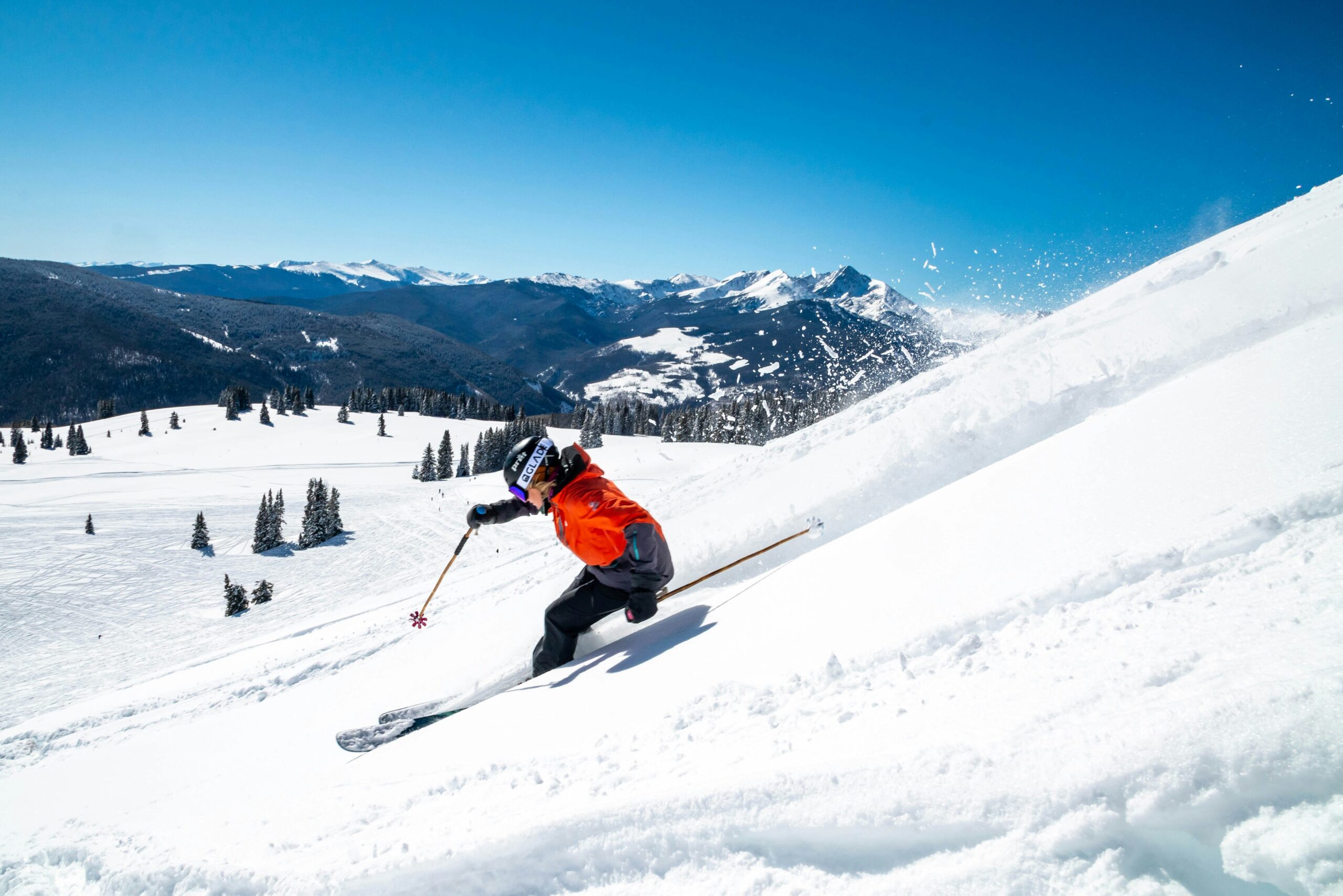
The rhythmic whisper of skis slicing through snow, the exhilarating rush of gravity pulling you down a pristine slope, the crisp bite of icy air on your cheeks – these are the sensory hallmarks of skiing. But beneath this thrilling experience lies a fascinating scientific interplay between the ski, the snow, and the skier. For centuries, the seemingly effortless glide of skis has puzzled observers and ignited scientific curiosity. Why, indeed, do these planks of wood, metal, or composite material not simply dig into the snow or ice? The answer, as it turns out, is a complex dance of friction, melting, and material science.
At the heart of skiing’s magic lies the unique crystalline structure of snow and ice. What appears to be a uniform white blanket is, in fact, a dynamic and intricate environment. Understanding its properties is the first step in unraveling the science of why skis slide.
The Allotrope of Water: Ice
Ice, in its purest form, is simply frozen water (H₂O). Its crystalline structure, when formed slowly and undisturbed, is known as Ice Ih, with a hexagonal lattice. This structure, however, is not as rigid as one might imagine. Even at temperatures well below freezing, the surface molecules of ice exhibit a degree of mobility.
Molecular Motion and Surface Fluidity
The protons within the water molecules are not fixed in place. They can “flip” between different orientations, a phenomenon known as proton tunneling or proton disorder. This dynamic movement, though subtle, contributes to a thin layer of less ordered, more fluid-like water molecules on the surface of even solid ice, even at sub-zero temperatures. This is a crucial concept often referred to as the “quasi-liquid layer.”
The Role of Pressure in Ice Melting
Pressure also plays a significant role in the melting point of ice. According to the Clausius-Clapeyron relation, an increase in pressure lowers the melting point of most substances. For water, this effect is particularly pronounced. The immense pressure exerted by a ski, even if it seems insignificant to us, can lower the melting point of ice considerably.
The Snowflake’s Story: The Nature of Snow
Snow is essentially frozen precipitation, composed of individual ice crystals that form in the atmosphere. The shape and structure of these crystals are famously diverse, influenced by temperature and humidity during their formation. However, when snow lands on the ground, it undergoes a transformation.
Snow as a Granular Material
Freshly fallen snow is not a solid block of ice. It’s a collection of individual ice crystals with air pockets trapped between them. This makes snow a granular material, a state of matter that exhibits properties of both solids and fluids. The interaction between these individual crystals is key to snow’s behavior.
Sintering and Snow Transformation
Over time, snow undergoes a process called sintering. This involves the gradual merging of adjacent ice crystals through molecular diffusion and the melting and refreezing of water at the contact points. Sintering leads to a densification of the snowpack, altering its friction properties. Older, more compacted snow tends to be harder and less forgiving for skiers than fresh powder.
The Impact of Temperature and Humidity on Snow
The temperature and humidity of the snowpack significantly influence its sliding properties. Colder, drier snow offers more resistance than warmer, wetter snow. This is because warmer temperatures lead to a more pronounced quasi-liquid layer on the ice crystals and can even cause some surface melting.
Understanding why skis slide on snow and ice involves delving into the physics of friction and the unique properties of snow. When skis glide over these surfaces, a thin layer of water can form due to pressure and temperature, reducing friction and allowing for smoother movement. For a more in-depth exploration of this fascinating topic, you can read the article available at Freaky Science.
The Physics of Friction: Why Things Stick (and Slide)
Friction is the force that opposes motion between two surfaces in contact. In skiing, friction is the enemy of effortless gliding. Understanding its principles is essential to comprehending why skis do slide.
Types of Friction at Play
Several types of friction are relevant to the interaction between a ski and snow.
Static Friction: The Initial Hurdle
Static friction is the force that must be overcome to initiate motion. If static friction were too high, the ski would simply dig into the snow, and skiing would be impossible. The force of static friction depends on the nature of the surfaces and the normal force pressing them together.
Kinetic Friction: The Resistive Force During Motion
Kinetic friction (or sliding friction) is the force that opposes motion once it has begun. This is the primary force skiers aim to minimize. Kinetic friction is generally lower than static friction.
Boundary Lubrication and the Quasi-Liquid Layer
The quasi-liquid layer on ice, as discussed earlier, acts as a lubricant. This phenomenon is related to boundary lubrication, where a thin film of fluid between two solid surfaces prevents direct contact and significantly reduces friction. The more pronounced this layer, the slipperier the surface.
Adhesion and Abrasion: The Damaging Forces
Beyond simple sliding friction, other forces can contribute to resistance. Adhesion occurs when the molecules of the ski base and the snow surface come into close enough contact to form temporary bonds. Abrasion, on the other hand, involves the scraping and breaking of ice crystals by the ski edges, leading to the formation of tiny ice particles that can further increase friction.
The Magic of Melting: Pressure and Heat

The primary reason skis glide, particularly on snow, is the creation of a thin layer of liquid water between the ski base and the snow surface. This melting is driven by two main factors: pressure and heat.
Pressure Melting: The Weight of the Skier
As mentioned earlier, the weight of the skier is distributed across the surface area of the skis. This distribution exerts significant pressure on the snow or ice. When this pressure exceeds a certain threshold, it lowers the melting point of the ice, causing it to melt even at temperatures below 0°C.
The Thermodynamics of Pressure Melting
The thermodynamic principle behind pressure melting is that a substance in a more disordered state (liquid water) is more energetically favorable than a substance in a more ordered state (solid ice) under increased pressure, provided the substance’s volume decreases upon melting. Water is a prime example of this.
Factors Influencing Pressure Melting
The effectiveness of pressure melting is influenced by several factors:
- Ski width: Wider skis distribute the skier’s weight over a larger area, potentially reducing pressure and thus pressure melting. This is why wider powder skis are favored for deep snow.
- Snow hardness: Denser, harder snow requires more pressure to initiate melting than soft, fresh powder.
- Skier weight: Heavier skiers will naturally exert more pressure.
Frictional Heating: The Energy of Motion
The act of skiing itself generates heat. As the skis slide over the snow, the work done against friction is converted into thermal energy. This frictional heat contributes to the melting of the ice at the interface between the ski and the snow.
The Coefficient of Friction and Heat Generation
The amount of heat generated is directly related to the coefficient of kinetic friction between the ski and the snow. A lower coefficient of friction means less heat is generated, but the heat that is generated is still crucial for creating the lubricating water layer.
The Role of Ski Base Materials
The material of the ski base plays a critical role in managing frictional heating. Modern ski bases are typically made of high-density polyethylene (HDPE). Different formulations of HDPE are used, each with varying wax-absorption properties and molecular structures that influence how they interact with snow and generate heat.
The Ski’s Design: Engineering for Glide
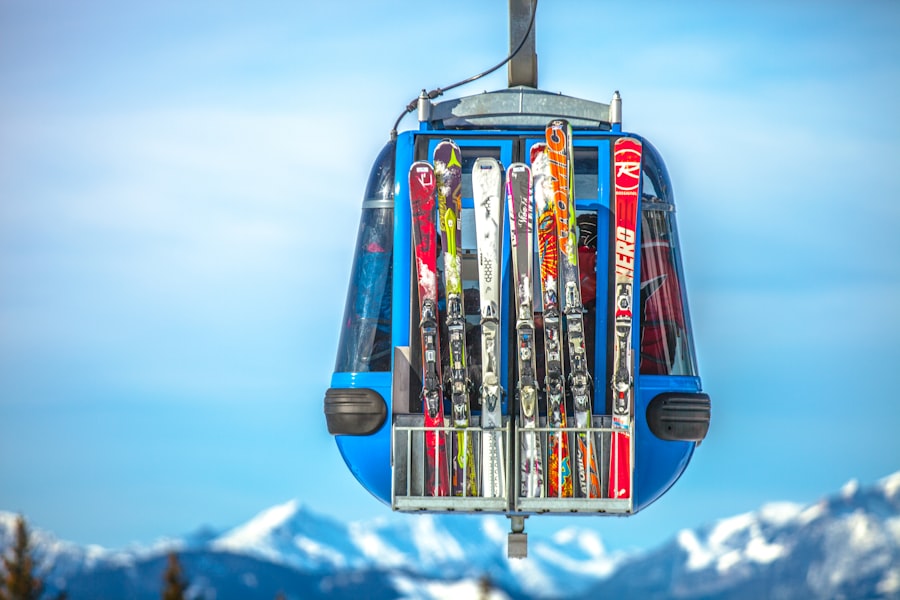
The design of the ski itself is a sophisticated piece of engineering aimed at optimizing the sliding experience. Every aspect, from the base material to the edge geometry, is considered.
The Ski Base: The Interface with Snow
The ski base is the primary contact point with the snow, and its properties are paramount for achieving a low coefficient of friction.
Polyethylene (PE) Bases: The Standard
Most modern skis feature bases made from Ultra-High Molecular Weight Polyethylene (UHMWPE). This material is chosen for its durability, its ability to absorb waxes, and its relatively low coefficient of friction against ice.
Waxing: Enhancing Glide
Ski waxes are applied to the base to further reduce friction. These waxes are typically fluorocarbon or hydrocarbon-based compounds. They work by creating a hydrophobic surface that repels water, allowing the ski to glide more freely. They also fill microscopic pores in the base, creating a smoother surface.
Hydrophobicity and Hydrophilicity
The interaction of the ski base with water is a key consideration. Hydrophobic bases (repelling water) tend to perform better in cold, dry conditions, while more hydrophilic (water-attracting) bases might offer advantages in wetter, warmer snow.
Ski Edges: For Control, Not Glide
While the base is designed for gliding, the ski edges are engineered for control and turning.
Steel Edges: Grip and Precision
Most skis have steel edges that can be sharpened to bite into the snow or ice, allowing skiers to carve turns and maintain stability. The angle and sharpness of the edge significantly impact grip.
The Edge-Snow Interaction
In a turn, the skier angles the skis, and the edges engage with the snow. The pressure on the edges causes localized melting and allows the ski to “cut” into the snow, enabling directional changes. This is a controlled application of friction and melting, rather than an attempt to minimize it.
Understanding why skis slide on snow and ice involves delving into the physics of friction and temperature. The design of skis, combined with the unique properties of snow and ice, creates a fascinating interaction that allows for smooth gliding. For a deeper exploration of this topic, you can check out this insightful article that discusses the science behind skiing and the factors that influence ski performance. If you’re curious about the mechanics of skiing, you can read more about it here.
The Role of the Skier: Technique and Balance
| Reason | Explanation |
|---|---|
| Low Friction | The smooth surface of snow and ice creates low friction, allowing skis to slide easily. |
| Pressure Melting | As the skis press down on the snow or ice, the pressure causes a thin layer to melt, reducing friction and allowing the skis to slide. |
| Microscopic Roughness | Even though snow and ice appear smooth, they have microscopic roughness that allows skis to grip and slide. |
| Temperature | Warmer temperatures can cause a thin layer of water to form on the surface of snow and ice, reducing friction and allowing skis to slide more easily. |
While physics and engineering are fundamental, the skier’s technique and balance are equally crucial to harnessing the science of skiing.
Weight Distribution and Balance
The skier’s ability to maintain balance and distribute their weight effectively is critical. Proper weight transfer allows for efficient pressure application to the skis, influencing the melting process and edge engagement.
Centrifugal and Gravitational Forces
During a turn, the skier experiences centrifugal forces pushing them outwards and gravitational forces pulling them downwards. The skier’s balance counteracts these forces, allowing them to maintain a controlled arc.
The Dynamics of Turning
Turning is a complex interplay of forces and ski mechanics.
Carving vs. Sliding Turns
In carving, the skier uses the edges to create a clean arc with minimal skidding. This relies on precise edge angle and pressure. In sliding turns, the skier deliberately allows the skis to skid, which increases friction and slows them down.
The Influence of Body Position
The skier’s body position – including their stance, hip angulation, and upper body posture – dictates how their weight is applied to the skis and how effectively they can control their movements.
Snow Conditions and Adaptation
Experienced skiers adapt their technique to different snow conditions.
Powder Skiing
In deep powder, the skier needs to maintain a more forward stance to prevent the tips from diving. The goal is to “float” on top of the snow, relying more on the ski base’s natural glide and less on edge grip.
Ice Skiing
On icy slopes, edge control is paramount. The skier must maintain precise edge angles and apply firm pressure to ensure the edges bite into the hard surface. The quasi-liquid layer is less significant on solid ice, and frictional heating becomes more critical.
In conclusion, the seemingly effortless glide of a skier is a testament to a sophisticated scientific dance. It is a harmonious blend of the unique properties of snow and ice, the fundamental laws of physics governing friction and melting, and the ingenious engineering of ski design, all orchestrated by the skier’s skillful technique and innate sense of balance. The next time one glides down a mountain, they can appreciate the intricate scientific principles that make this exhilarating sport possible.

Why Ice Is Slippery Is Stranger Than You Think
FAQs
1. Why do skis slide on snow and ice?
Skis slide on snow and ice due to a thin layer of water that forms between the ski base and the snow or ice surface. This layer of water reduces friction, allowing the skis to glide smoothly.
2. What causes the thin layer of water to form on the ski base?
The pressure and friction generated by the weight of the skier and the movement of the skis cause the snow or ice crystals to melt, creating a thin layer of water that facilitates sliding.
3. How does the design of ski bases contribute to sliding on snow and ice?
Ski bases are designed with a structure that helps to retain and distribute the thin layer of water evenly across the base, reducing friction and allowing for smoother gliding on snow and ice.
4. Can skis slide on snow and ice without the presence of the thin layer of water?
Skis can still slide on snow and ice without the presence of the thin layer of water, but the friction between the ski base and the snow or ice surface would be significantly higher, making it more difficult to glide smoothly.
5. How does temperature affect the sliding of skis on snow and ice?
Temperature plays a crucial role in the sliding of skis on snow and ice. Warmer temperatures can lead to the formation of a thicker layer of water, while colder temperatures can result in a thinner layer of water, affecting the skis’ ability to slide smoothly.