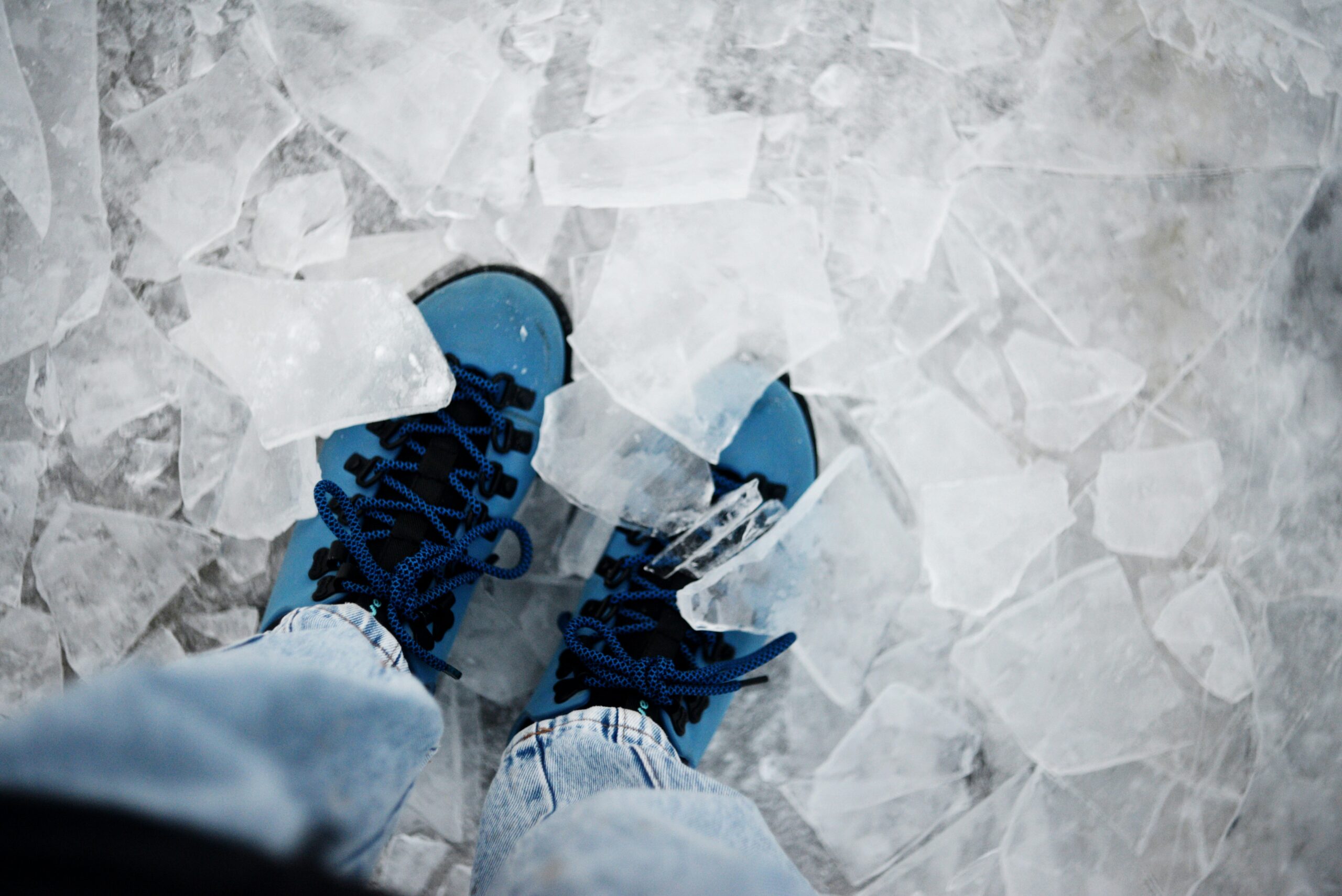
When winter’s icy grip takes hold, sidewalks and streets transform into treacherous landscapes. The simple act of walking becomes a perilous dance, with the ever-present threat of a sudden, unexpected fall. This phenomenon, so common yet often frustratingly unavoidable, is rooted in a fascinating interplay of physics, material science, and human physiology. Understanding the science behind why shoes slip on ice can equip individuals with the knowledge to navigate winter conditions more safely and perhaps even reduce the number of painful tumbles that plague the colder months.
The fundamental reason shoes lose their grip on ice boils down to a dramatic reduction in friction. Friction, the force that resists the relative motion of surfaces in contact, is essential for everyday activities, including walking. When we walk, our shoes push backward against the ground, and the ground pushes forward on our shoes, propelling us forward. This interaction relies on the microscopic irregularities of both surfaces interlocking and resisting movement. However, ice presents a unique challenge to this fundamental principle.
The Role of Microscopic Imperfections
While we perceive ice as a smooth, uniform surface, at a microscopic level, it is far from perfect. Even the most polished ice will have tiny ridges, valleys, and bumps. Similarly, the soles of our shoes, from the treads on hiking boots to the patterns on sneakers, are designed with intricate designs to maximize grip. These designs aim to interlock with the surface irregularities of the ground, creating a strong frictional force. On dry pavement, this interlocking is highly effective. However, on ice, these microscopic features can still interact, but the nature of the interaction is profoundly altered.
Pressure Melting: A Thin Lubricant Layer
One of the most significant factors contributing to ice’s slipperiness is a phenomenon known as pressure melting. When a shoe, or any object with a relatively small contact area, exerts pressure on ice, the ice’s melting point is lowered. This is a direct consequence of thermodynamics. The increased pressure at the points of contact forces the ice molecules into a less ordered, liquid state. Even at temperatures below the standard freezing point of water (0°C or 32°F), this pressure can create a thin, nearly invisible layer of water between the shoe sole and the ice surface. This water layer acts as a lubricant, drastically reducing the friction between the two surfaces. The greater the pressure applied by the shoe (e.g., during a sudden movement or a misplaced step), the more pronounced this pressure melting effect becomes, exacerbating the slipperiness.
Temperature’s Subtle Influence
While pressure melting is a primary culprit, ambient temperature also plays a crucial role. The closer the ice is to its melting point, the more susceptible it is to pressure melting. Even at temperatures slightly below freezing, a thin layer of water can form on the surface, especially if the ice has been exposed to recent sunlight or is slightly impure. Impurities within the ice, such as dirt or salt, can also lower its freezing point, making it melt more easily under pressure. Conversely, extremely cold ice, far below its melting point, can become harder and potentially offer slightly more resistance, although it is still significantly less grippy than asphalt or concrete.
Understanding why shoes slip on ice is crucial for safety during winter months. A related article that delves into the science behind this phenomenon can be found at Freaky Science. This article explores the factors that contribute to slipping, including the role of surface texture, temperature, and the materials used in shoe construction. By learning more about these elements, individuals can make informed choices about footwear to enhance their grip and stability on icy surfaces.
Shoe Sole Materials: The First Line of Defense (and Sometimes Failure)
The materials used in shoe soles are specifically engineered to provide traction. However, their effectiveness can vary wildly, especially when faced with the slick challenge of ice. Understanding the properties of these materials helps explain why some shoes are better suited for winter conditions than others.
Rubber: A Versatile but Variable Performer
Rubber is a ubiquitous material in shoe soles due to its flexibility, durability, and inherent grip. Different types of rubber compounds possess varying degrees of hardness and elasticity, which directly impact their frictional properties. Softer rubbers tend to deform more easily, conforming to surface irregularities and potentially offering better grip on dry surfaces. However, on ice, very soft rubbers can sometimes become overly compliant, allowing the ice to deform them rather than the rubber gripping the ice. Harder rubber compounds may offer more resistance to pressure melting, but they can also be more brittle in very cold temperatures, leading to a loss of flexibility and grip. The tread pattern is equally important; deep, aggressive treads are designed to channel away water and debris, but on sheer ice, they might offer minimal contact area.
Polymers and Synthetic Compounds: Tailored Performance
Beyond traditional rubber, many modern shoes utilize advanced polymer blends and synthetic compounds. These materials are engineered with specific properties in mind, such as resistance to abrasion, oil, and extreme temperatures. Some synthetic soles are formulated to remain flexible in cold weather, aiming to maintain good contact with the ice. Others incorporate special additives or designs to enhance grip. The effectiveness of these materials on ice is often a result of a careful balance between elasticity, hardness, and the microscopic surface texture of the sole itself.
The Importance of Tread Design
The pattern of grooves, ridges, and lugs on a shoe sole is not merely aesthetic. Tread designs are scientifically crafted to maximize grip. On ice, the ideal tread pattern aims to create as many points of contact as possible while also allowing for the expulsion of any melted water. Deep, widely spaced lugs can offer good grip on snow, but on smooth ice, a more intricate, siped pattern (small, thin slits) can be more effective, creating numerous biting edges that can, to some extent, grip the ice. The depth and sharpness of these features are critical. As treads wear down, the effectiveness of the grip diminishes significantly, making older, worn shoes particularly dangerous on icy surfaces.
The Physics of Walking on Ice: Forces in Play
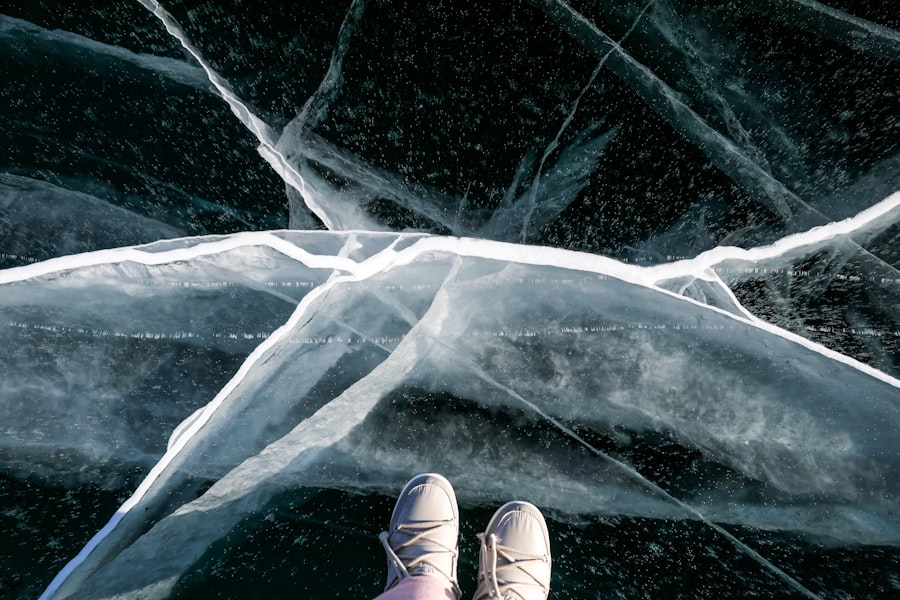
Walking is a complex biomechanical process involving a series of controlled forces. When these forces encounter a surface with significantly reduced friction, the results can be unpredictable and lead to falls.
The Propulsion Problem: Pushing Off the Ground
Every step involves pushing backward on the ground to propel oneself forward. This requires sufficient friction to transmit the force from the shoe to the ground. On ice, the reduced friction means that the force applied by the shoe to the ice is not effectively met with an equal and opposite reaction force from the ice. Instead, the shoe slides, and the intended propulsion is lost. This can result in a sudden lurch forward or an inability to move forward at all, often leading to an uncontrolled loss of balance.
The Braking and Stabilizing Effect: Preventing Slides
Similarly, friction is crucial for braking and maintaining stability. When walking, our feet make contact with the ground and then push off. The ability to arrest forward motion or to adjust our stance relies on friction. On ice, this braking action is severely compromised. The foot may slide forward, leading to a stumble, or the foot may slide out from under the body, resulting in a fall. The stabilizing forces that keep us upright are also dependent on friction, and their absence on ice makes it much harder to maintain equilibrium.
The Role of Center of Mass and Base of Support
Human balance is maintained by keeping our center of mass within our base of support. Our base of support is the area enclosed by our feet. When walking on a stable surface, we can make subtle adjustments to our posture and foot placement to ensure our center of mass remains over our base. However, on ice, these adjustments become much more difficult. A sudden slip can cause the center of mass to shift rapidly outside the base of support, leading to an inevitable fall. The narrower our base of support (e.g., when walking with feet close together), the more susceptible we are to losing balance on slippery surfaces.
Human Physiology and the Slippery Slope: Our Body’s Response
Our bodies have evolved to interact with relatively predictable surfaces. When confronted with the unpredictable nature of ice, our natural responses can sometimes contribute to falls.
The Reflexive Stumble: The Body’s Attempt to Recover
When we feel a slip, our body often reacts instinctively. This can involve a rapid, uncoordinated attempt to regain balance, which can sometimes exacerbate the situation. Muscles may tense up unexpectedly, or limbs may flail, further disrupting equilibrium. This reflexive stumble, while intended to prevent a fall, can, paradoxically, lead to a more severe loss of control and a harder impact.
The “Freezing” Response: A Paralyzing Fear
Fear of falling on ice can also play a role. In some individuals, this fear can lead to a “freezing” response, where they become stiff and hesitant, taking unnaturally small and rigid steps. While this might seem like a cautious approach, it can actually reduce their ability to make the quick, subtle adjustments needed to maintain balance. This rigidity can make them more prone to tipping over if a slip does occur.
Sensory Input and Proprioception Challenges
Our sense of balance relies on a complex interplay of sensory information, including vision, vestibular input from the inner ear, and proprioception (the sense of the relative position of one’s own parts of the body and strength of effort being employed in movement). On ice, the lack of tactile feedback from the ground can disrupt proprioception. We lose the familiar sensation of our foot pressing firmly against a surface, making it harder for our brain to accurately gauge our body’s position and make the necessary adjustments.
When it comes to understanding why shoes slip on ice, it’s essential to consider the role of traction and surface conditions. The material of the shoe’s sole, along with the texture of the ice, can significantly affect grip. For a deeper dive into this topic, you can explore a related article that discusses the science behind slipping and sliding on icy surfaces. This article provides valuable insights into how different shoe designs can either enhance or diminish stability in slippery conditions. You can read more about it here.
Strategies for Safer Winter Walking: Science-Backed Solutions
| Reasons Why Shoes Slip on Ice |
|---|
| Smooth or worn out soles |
| Lack of traction or grip |
| Presence of ice or snow on the ground |
| Improper weight distribution |
| Wrong type of footwear for icy conditions |
Understanding the science behind icy slips is the first step towards mitigating the risks. Fortunately, there are several practical strategies and products designed to improve traction and reduce the likelihood of winter falls.
Choosing the Right Footwear: The Foundation of Safety
The most critical factor in preventing icy slips is selecting appropriate footwear.
Winter-Specific Boots and Their Features
Boots designed for winter conditions often incorporate several features to enhance grip. These include:
- Aggressive Tread Patterns: Deeper, more widely spaced lugs are designed to provide better traction in snow and ice. Some treads are designed with biting edges that can help grip uneven ice surfaces.
- Rubber Compounds Optimized for Cold: Many winter boots use rubber compounds that remain flexible and grippy even in sub-zero temperatures, preventing them from becoming brittle and less effective.
- Water-Resistant Materials: Keeping feet dry is important for comfort and can indirectly contribute to better grip, as wet socks can reduce the friction between the foot and the inside of the boot.
The Efficacy of Ice Cleats and Traction Devices
For extreme conditions or for individuals who frequently encounter ice, specialized traction devices are invaluable. These devices attach to existing footwear and provide enhanced grip.
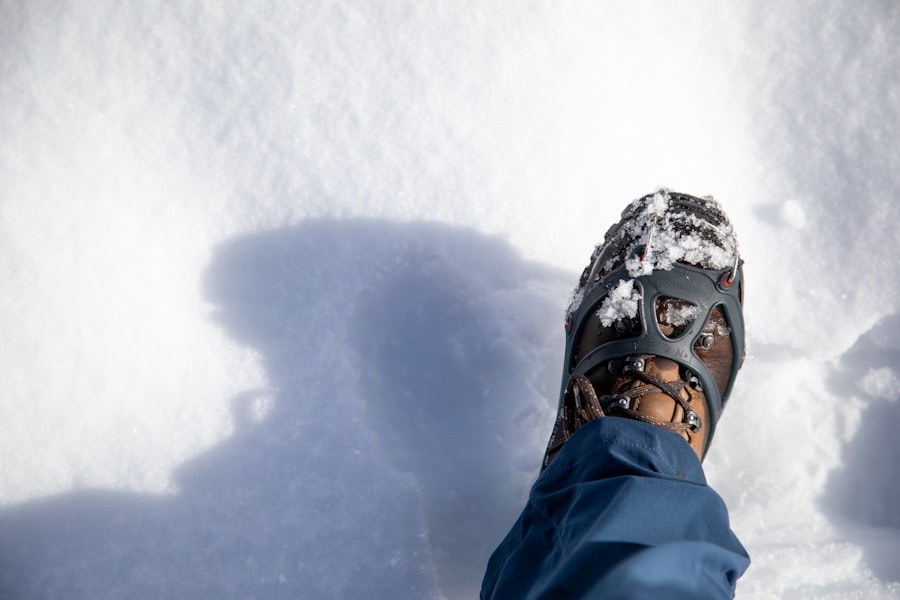
- Ice Cleats: These are metal spikes or studs that protrude from the sole of the shoe, digging into the ice to provide mechanical grip. They are highly effective on sheer ice and packed snow.
- Traction Over-Shoes: These are rubber or silicone sleeves with integrated metal coils or spikes that fit over regular shoes or boots. They offer a good balance of grip and convenience, as they can be easily put on and taken off.
- Coiled Traction Devices: These devices feature a series of metal coils that wrap around the sole, providing multiple points of contact and grip on ice. They are generally less aggressive than cleats but can offer a significant improvement in traction.
Walking Techniques for Icy Surfaces: A Smarter Approach
Even with the right footwear, adopting a smarter walking technique can significantly reduce the risk of falling.
The “Penguin Walk” and Other Gait Adjustments
Inspired by the way penguins navigate icy terrain, adopting a “penguin walk” involves:
- Shorter Steps: Taking smaller, more controlled steps reduces the distance your foot travels and the force exerted with each step, minimizing the chance of a significant slip.
- Wider Stance: Spreading your feet slightly wider apart increases your base of support, making you more stable and less prone to tipping.
- Keeping Your Center of Mass Low: Bending your knees slightly can lower your center of mass, improving your overall stability.
- Looking Ahead: Being aware of the icy patches and planning your route can help you avoid the most treacherous areas.
Using Handrails and Other Supports
When available, utilizing handrails on stairs or leaning on sturdy objects can provide crucial extra support and significantly reduce the risk of a fall.
Home and Sidewalk Maintenance: Proactive Prevention
For homeowners and property managers, proactive maintenance of outdoor surfaces is paramount in preventing ice-related falls.
Snow Removal and De-icing Strategies
- Timely Snow Removal: Clearing snow promptly after a snowfall prevents it from becoming compacted and icy.
- Application of De-icers: Using salt, calcium chloride, or other de-icing agents can lower the freezing point of water and prevent ice formation. It’s important to use these products judiciously and according to manufacturer instructions, as excessive use can damage surfaces and the environment.
- Grit and Sand: Spreading sand or grit on icy surfaces can provide a rougher texture, improving traction.
By understanding the underlying scientific principles that make ice so treacherous and by implementing these practical strategies, individuals can navigate the winter months with greater confidence and significantly reduce their risk of experiencing a painful and potentially serious fall. The science of friction, material properties, and biomechanics, when applied, can turn a slippery slope into a safer journey.

Why Ice Is Slippery Is Stranger Than You Think
FAQs
1. Why do shoes slip on ice?
Shoes slip on ice due to the lack of traction between the shoe sole and the icy surface. When the sole of the shoe comes into contact with ice, the smooth surface reduces friction, causing the shoe to slip.
2. What factors contribute to shoes slipping on ice?
Several factors contribute to shoes slipping on ice, including the type of shoe sole, the presence of ice melt or water on the surface, and the angle at which the foot makes contact with the ice.
3. How can shoe traction be improved on ice?
Shoe traction on ice can be improved by wearing shoes with a grippy sole pattern designed for icy conditions, adding ice grips or traction devices to the soles of the shoes, or using ice melt products to reduce the slipperiness of the surface.
4. Are there specific types of shoes that are less likely to slip on ice?
Yes, certain types of shoes, such as those with rubber soles with deep treads or shoes specifically designed for winter conditions, are less likely to slip on ice due to their enhanced traction and grip.
5. What precautions can be taken to prevent slipping on ice?
To prevent slipping on ice, individuals can walk carefully and deliberately, avoid sudden movements, wear shoes with good traction, use ice grips or traction devices, and be mindful of icy patches when walking or exercising outdoors.