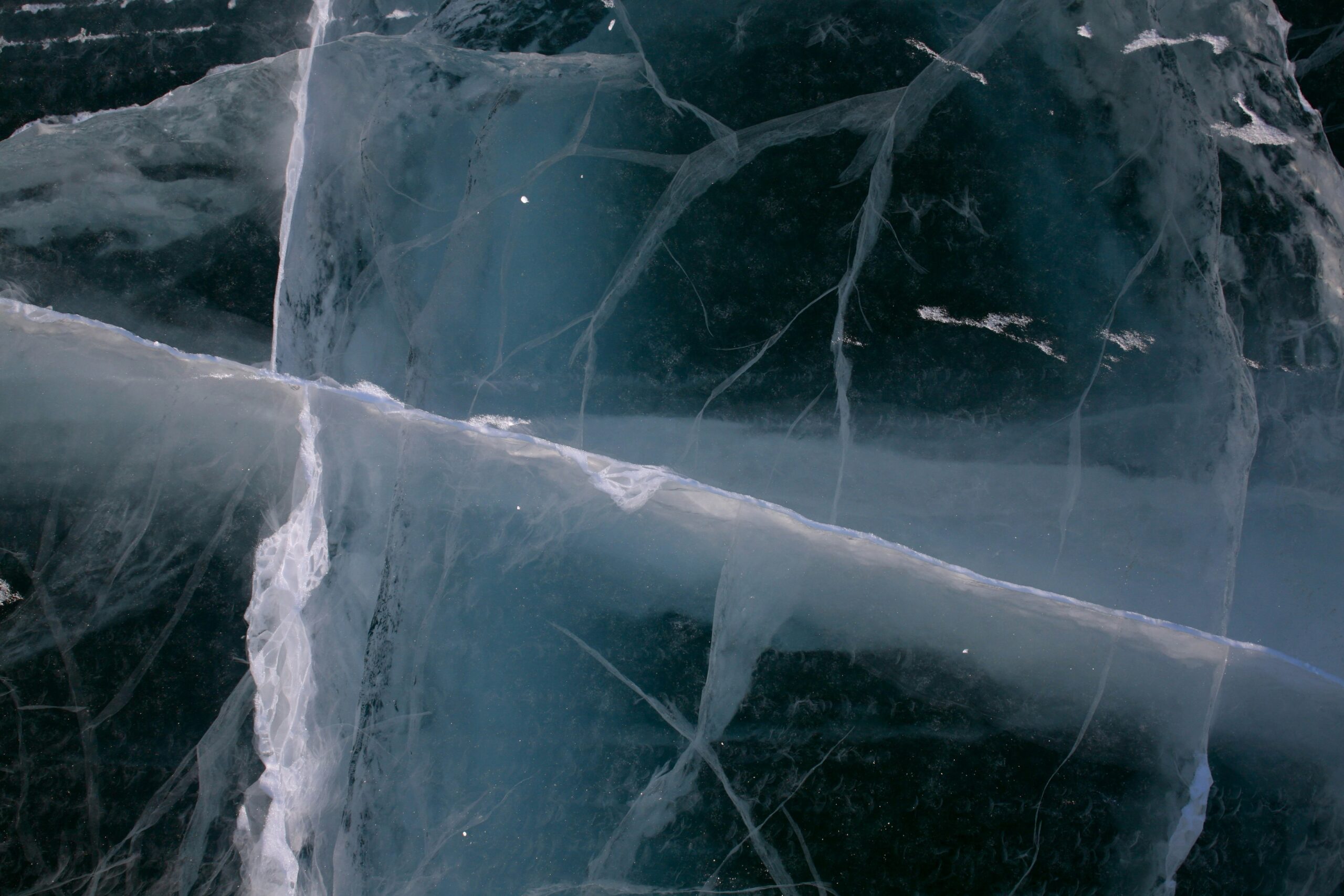
The adage that colder ice is less slippery is a common one, often invoked to explain why winter conditions can be more manageable than a freeze-thaw cycle. However, the reality of ice friction is far more nuanced than a simple temperature-dependent scale. While intuitively appealing, this notion requires a deeper dive into the physics of friction, the properties of water, and the intricate interactions between ice and solid surfaces. Understanding this phenomenon reveals that the relationship between ice slipperiness and temperature is not a straightforward linear correlation, but rather a complex interplay of multiple factors.
The common perception is that as ice gets colder, it becomes harder and therefore less prone to yielding under pressure, leading to increased friction. Conversely, warmer ice, closer to its melting point, is thought to be softer and more easily deformed, allowing for a lubricating layer of water to form, thus reducing friction. This intuitive understanding, however, is a simplification that overlooks the crucial role of how friction is generated on ice. The apparent paradox lies in the fact that while colder ice might seem harder, it can, in certain circumstances, exhibit less friction.
Conventional Friction Theory: A Starting Point
Classical friction theory, as described by Amontons’ Laws, posits that friction is proportional to the normal force and independent of the contact area. For most solid surfaces, this holds true. When two surfaces rub against each other, microscopic irregularities on their surfaces interlock, requiring force to overcome this interlocking. Furthermore, adhesive forces between the molecules of the two surfaces contribute to resistance. However, ice presents a unique challenge to this model.
The Unique Nature of Ice Friction
Unlike most solids, ice is a solid form of water, a substance with exceptional properties. When a solid object slides over ice, the pressure exerted by the object can lower the melting point of the ice beneath it. This phenomenon, known as pressure-induced melting, is a key factor in explaining how ice can be slippery. The slight melting creates a thin film of liquid water, which acts as a lubricant between the sliding object and the ice. This mechanism is particularly effective at temperatures near the melting point.
Pressure-Induced Melting: A Lubricating Layer
The pressure applied by a skate blade or a tire, for instance, can reduce the melting point of ice. According to the Clausius-Clapeyron relation, the melting point of ice decreases by approximately 0.0074 degrees Celsius for every atmosphere of pressure. While this might seem small, the concentrated pressure from a sharp blade or a tire tread can be significant enough to cause localized melting, even at temperatures well below 0°C. This thin layer of water effectively lubricates the interface, reducing the coefficient of friction.
Viscous Dissipation: Another Factor
Another significant contributor to ice friction, especially at higher speeds or with less sharp contact points, is viscous dissipation within the lubricating water layer. As the object slides, the water is sheared, and energy is lost through viscous forces. This energy dissipation generates heat, which can further enhance the melting process. The faster the object moves, the more viscous dissipation occurs, potentially leading to a more substantial lubricating layer and thus, paradoxically, less friction at higher speeds. This effect is often observed in competitive ice skating, where skaters achieve remarkable speeds due to the minimal friction created by this dynamic interplay of pressure melting and viscous dissipation.
In exploring the fascinating relationship between temperature and the slipperiness of ice, a related article delves into the science behind why colder ice can actually be less slippery than its warmer counterpart. This intriguing phenomenon is explained through the lens of molecular behavior and surface conditions. For a deeper understanding of this topic, you can read more in the article found here: Freaky Science.
Temperature’s Influence: A Non-Linear Relationship
The prevailing notion that colder ice is less slippery is an oversimplification. The actual relationship between temperature and ice slipperiness is more complex and exhibits non-linear behavior. It is not a simple case of “colder equals less slippery.” Instead, there are distinct temperature regimes where different mechanisms dominate the friction process.
Near the Melting Point: The Lubricated Regime
At temperatures close to 0°C, pressure-induced melting and viscous dissipation are highly effective. The ice surface readily forms a thin layer of water, significantly reducing friction. This is the regime where the intuitive understanding of “slippery ice” truly applies. Even moderate pressure can induce sufficient melting to create a slippery surface. This is why slushy conditions can be so treacherous, as the abundant water acts as a powerful lubricant.
Sub-Zero Temperatures: The Transition Zone
As the temperature drops further below freezing, the effectiveness of pressure-induced melting diminishes. The energy required to overcome the ice’s intermolecular forces increases, and the melting point depression due to pressure becomes less significant. In this transition zone, the water layer becomes thinner, and friction begins to increase. The surface might still feel somewhat slippery due to residual moisture or surface irregularities, but the lubricating effect is less pronounced.
Very Cold Temperatures: The “Dry” Friction Regime
At very low temperatures, far below 0°C, the ice surface behaves more like a conventional solid. Pressure-induced melting becomes negligible. Friction in this regime is primarily governed by the mechanical interlocking of surface asperities and adhesive forces between the object and the ice. The ice is harder and less yielding. While it might not exhibit the same “hydroplaning” effect as warmer ice, it can still be slippery due to the nature of the contact. In fact, in this very cold regime, the friction coefficient can become lower than in the warmer, lubricated regime.
The Role of Asperities
Even seemingly smooth ice surfaces have microscopic irregularities, known as asperities. When an object slides over ice at very low temperatures, these asperities come into contact. The friction generated is then a combination of the resistance to sliding over these asperities and the adhesive forces between the object and the ice at the points of contact.
Surface Roughness and Material Properties
The surface roughness of both the ice and the sliding object plays a critical role. A rougher ice surface can offer more points of interlocking, potentially increasing friction at very cold temperatures. Conversely, a smoother ice surface might reduce this interlocking. Similarly, the material properties of the sliding object influence the interaction. For example, the type of shoe sole or tire tread will affect how it grips or slides on the ice.
Beyond Temperature: Other Factors Affecting Slipperiness
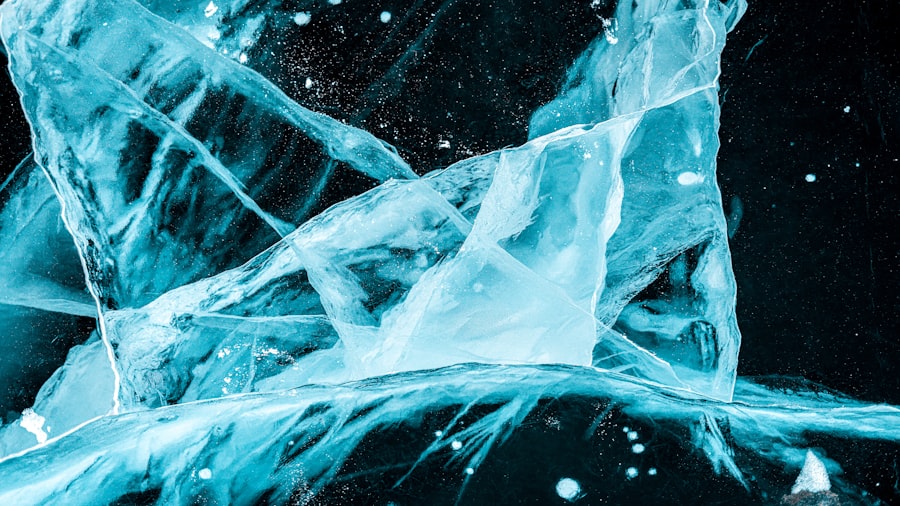
While temperature is a primary driver, several other factors contribute to the slipperiness of ice. These include the pressure applied, the speed of sliding, the surface roughness of both the ice and the object, and the presence of impurities or surface treatments. Ignoring these variables leads to an incomplete understanding of ice friction.
Pressure and Sliding Speed: Intertwined Effects
As previously discussed, pressure influences the melting of ice, and this effect is coupled with sliding speed through viscous dissipation. Higher pressures lead to more melting, and higher speeds can exacerbate this melting through viscous heating. The interplay between these two variables can lead to complex friction behaviors. For instance, at very low speeds, friction might be higher even at temperatures near freezing, as there isn’t enough speed to generate significant viscous dissipation.
Surface Properties: The Microscopic Landscape
The microscopic topography of the ice surface is crucial. Even freshly formed ice can have subtle variations in smoothness. The presence of frost, snow, or accumulated debris can drastically alter friction. Similarly, the material of the sliding object – whether it’s a rubber tire, a metal skate blade, or a fabric shoe sole – has unique interaction properties with ice. The design of tire treads, for example, is optimized to create channels for water and snow to escape, thereby increasing grip on icy surfaces.
The “Grip” of Tires on Ice
Tire manufacturers employ sophisticated tread designs to enhance grip on ice. These designs often incorporate sipes, which are small slits that create biting edges to grip the ice. They also feature channels to evacuate slush and water, preventing a complete loss of traction. The rubber compound itself is also formulated to remain flexible at low temperatures, providing better contact with the icy surface.
Skate Blade Design and Sharpening
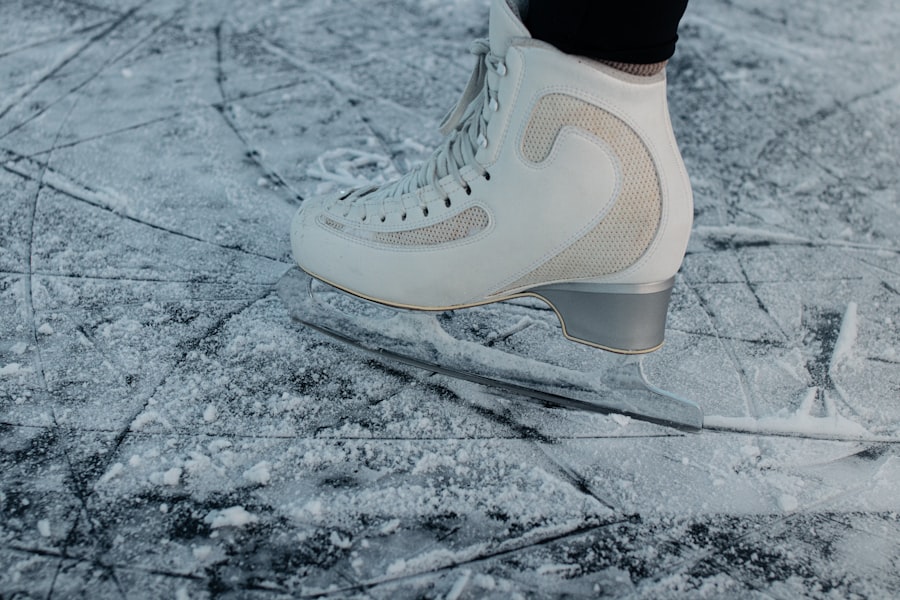
The sharp, thin blades of ice skates are designed to maximize pressure on the ice, promoting melting. The sharpness of the blade is critical; a dull blade distributes pressure over a larger area, reducing melting and increasing friction, making skating more difficult. Professional skaters meticulously maintain the sharpness of their blades.
Impurities and Contaminants: A Hidden Influence
The presence of impurities in ice, such as salt, dirt, or dissolved minerals, can significantly alter its properties. Salt, for example, lowers the freezing point of water, meaning that even at temperatures below 0°C, saltwater can exist in a liquid state. This is why salted roads become less icy. Dirt and grit can create abrasive interactions, increasing friction, while other contaminants might create slicker surfaces.
The Science of De-icing
The use of salt and other de-icing agents is a practical application of chemistry to mitigate ice slipperiness. These chemicals interfere with the hydrogen bonding of water molecules, preventing them from forming a solid ice lattice at typical ambient temperatures. This makes the roads safer by keeping them from freezing over.
Why Colder Ice Can Sometimes Feel Less Slippery: Explaining the Nuance
The apparent contradiction that colder ice can feel less slippery stems from a shift in the dominant friction mechanisms. When ice is very cold, the lubricating water layer is minimal or non-existent, and friction is governed by the more conventional, solid-on-solid interactions.
The Absence of Lubrication: When Ice Acts Like a Solid
At extremely low temperatures, the ice surface is essentially “dry.” There is no significant layer of liquid water to reduce friction. In this scenario, the friction between the sliding object and the ice is determined by the microscopic irregularities of both surfaces and the adhesive forces between them. This can lead to a higher coefficient of friction compared to the lubricated conditions experienced at temperatures closer to freezing.
Microscopic Interlocking and Adhesion
Imagine rubbing two very rough surfaces together. The more they interlock, the harder it is to move them. Similarly, on very cold ice, the microscopic bumps and valleys of the ice surface and the sliding object can snag on each other, creating resistance. Additionally, at the points of contact, there are attractive forces between the molecules of the ice and the object, contributing to adhesion.
The “Gritty” Feel of Very Cold Ice
When walking or driving on very cold ice, one might notice a different sensation compared to walking on a thin sheet of ice near freezing. Instead of a smooth, gliding sensation, there might be a slightly “gritty” feel. This is indicative of the absence of a substantial water layer and the dominance of solid-on-solid friction. This does not necessarily mean it is completely safe, as the ice is still a hard surface, but the type of slipperiness has changed.
The Importance of Traction Devices
Understanding this difference is crucial for choosing appropriate traction devices. For very cold, dry ice, devices that create sharp edges or abrasive surfaces, like crampons or studded tires, are more effective than those designed for wet, icy conditions.
Recent studies have shown that the temperature of ice can significantly affect its slipperiness, leading to intriguing discussions in the scientific community. For a deeper understanding of this phenomenon, you might find it interesting to read an article that explores the relationship between ice temperature and friction. This article delves into the mechanics of how colder ice can actually be less slippery, providing insights that challenge common assumptions. To learn more about this fascinating topic, check out the article here: Freaky Science.
Practical Implications and Everyday Experiences
| Temperature | Slipperiness |
|---|---|
| Below freezing | Ice is more slippery |
| Above freezing | Ice is less slippery |
The understanding of ice slipperiness has direct implications for everyday life, from driving and walking to sports and industrial applications. Recognizing the nuanced relationship between temperature and friction allows for better safety measures and improved performance.
Driving on Icy Roads: A Critical Concern
For drivers, understanding when ice is most treacherous is paramount. Black ice, often forming on clear, cold nights, is particularly dangerous because it is transparent and difficult to see. It is essentially frozen condensation or a thin glaze of ice. While it forms at temperatures below freezing, the underlying mechanism might still involve some residual moisture, making it deceptively slick. Understanding that the type of ice and the ambient temperature are key indicators of potential danger is vital for safe driving practices.
Black Ice: The Invisible Hazard
Black ice is a prime example of how deceptive ice can be. It forms when a thin layer of water freezes, and because it is so thin and transparent, it blends in with the dark pavement beneath. It often occurs when temperatures are just below freezing, but can also form at lower temperatures if there’s a source of moisture.
Winter Sports: Optimizing Performance and Safety
In sports like ice skating, hockey, and curling, the understanding of ice friction is essential for both performance and safety. Athletes and groundskeepers work to create optimal ice conditions. For figure skaters, a smooth, consistent surface is crucial for jumps and spins. For hockey players, speed and agility depend on minimizing friction for efficient gliding. Curling stones are designed to glide with minimal resistance, and the ice is meticulously prepared to ensure this.
The Art and Science of Ice Making
Ice rinks are not simply frozen bodies of water. They are carefully constructed and maintained environments. For hockey, the ice needs to be hard and smooth to allow for fast skating and quick stops. For figure skating, the ice might be slightly softer to allow for better edge control. The temperature of the ice is precisely controlled, and water is frequently added and scraped to maintain a pristine surface.
Footwear and Apparel: Choosing the Right Gear
The choice of footwear for winter conditions is heavily influenced by the expected ice conditions. For walking on sidewalks and roads, shoes with aggressive treads and slip-resistant materials are recommended. For hiking in icy wilderness, specialized footwear with crampons or microspikes might be necessary. The development of advanced materials for winter apparel also relies on an understanding of how they interact with cold and icy surfaces.
The Evolution of Winter Footwear
The design of winter boots has evolved significantly. Modern winter boots often incorporate advanced tread patterns, waterproof and insulated materials, and even heating elements. The goal is to provide optimal grip, warmth, and comfort in a wide range of icy conditions.
In conclusion, the question of whether colder ice is less slippery is not a simple yes or no answer. It is a question that delves into the intricate physics of friction, the peculiar properties of water, and the complex interactions that occur at the interface between two surfaces. While warmer ice near its melting point is generally more slippery due to pressure-induced melting and viscous dissipation, very cold ice, devoid of this lubricating water layer, can exhibit friction characteristics that are more akin to conventional solid-on-solid interactions. Understanding these nuances is crucial for navigating the challenges of winter safely and effectively, whether one is a driver, an athlete, or simply a pedestrian. The seemingly simple phenomenon of ice slipperiness is, in fact, a testament to the fascinating and often counterintuitive nature of the physical world.

Why Ice Is Slippery Is Stranger Than You Think
FAQs
1. What is the relationship between temperature and slipperiness of ice?
Colder ice is actually more slippery than warmer ice. When ice is colder, the molecules are more tightly packed together, creating a smoother surface that is more slippery.
2. Why does colder ice feel less slippery to the touch?
Colder ice may feel less slippery to the touch because it can cause a person’s skin to stick to the surface due to the cold temperature. This can create the sensation of less slipperiness, even though the ice is actually more slippery.
3. Does the temperature of ice affect its slipperiness for walking or driving?
Yes, the temperature of ice does affect its slipperiness for walking or driving. Colder ice is more slippery and can create hazardous conditions for walking and driving, especially if it is not properly treated or cleared.
4. How does temperature affect the formation of ice on surfaces?
Temperature affects the formation of ice on surfaces by influencing the rate at which water freezes. Colder temperatures cause water to freeze more quickly, leading to the formation of smoother and potentially more slippery ice surfaces.
5. What precautions should be taken when dealing with colder, more slippery ice?
When dealing with colder, more slippery ice, it is important to take precautions such as wearing appropriate footwear with good traction, using salt or ice melt to treat surfaces, and driving at reduced speeds with increased following distances to account for the slippery conditions.