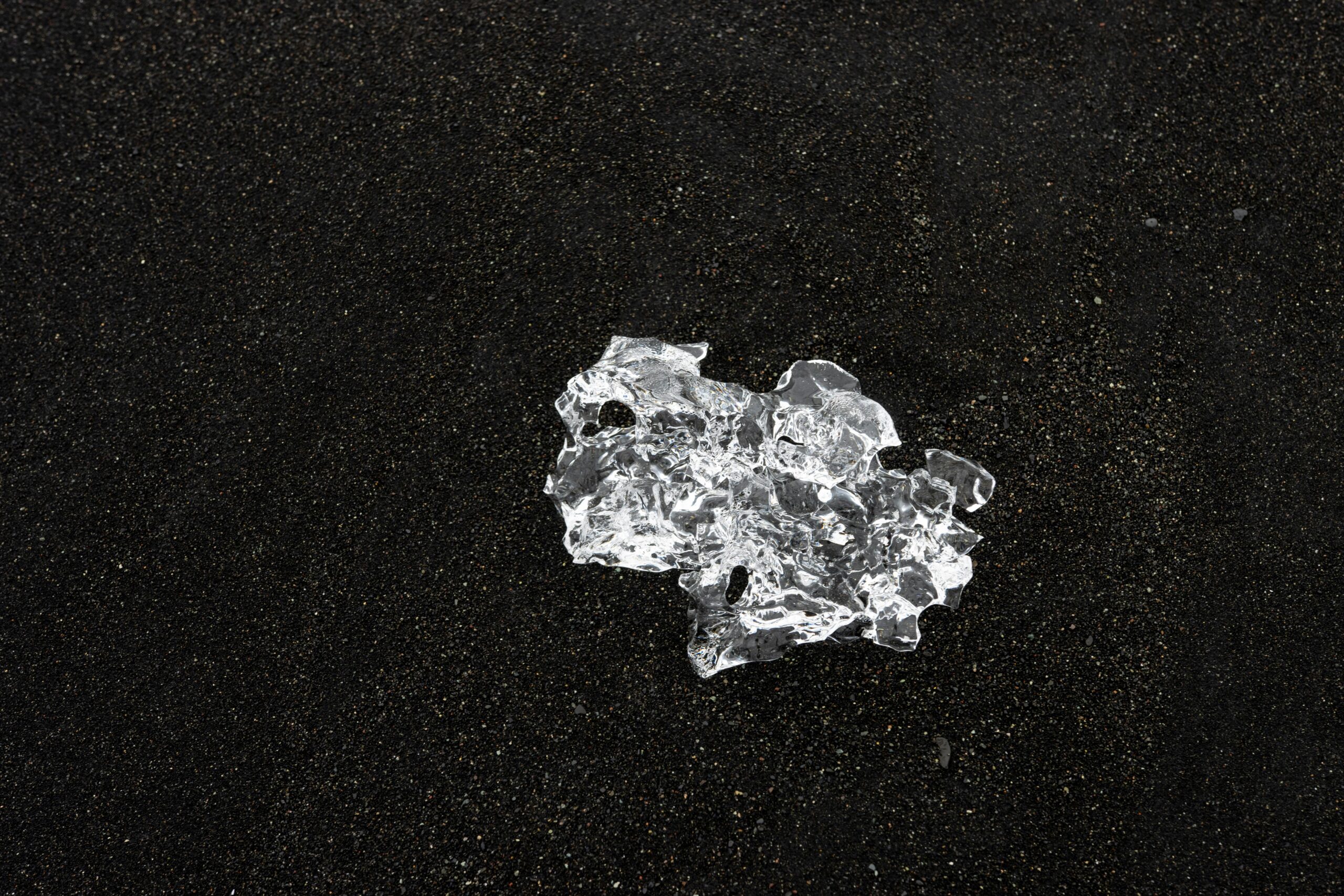
Sliding motion scrambles ice crystals, a phenomenon that challenges conventional understanding of friction and phase transitions. While intuitively, ice might be perceived as a solid block, its surface interactions are far more dynamic. The movement of one object over ice, whether it’s a skate blade, a car tire, or even a microscopic particle, initiates a complex interplay of forces that can dramatically alter the crystalline structure of the frozen water. This article delves into the intricate details of this “sliding motion scrambles ice crystals” phenomenon, exploring its underlying mechanisms, its implications across various scientific disciplines, and the ongoing research efforts to fully comprehend its multifaceted nature.
Ice, in its most familiar form, is a crystalline solid composed of water molecules arranged in a highly ordered hexagonal lattice. This structure, known as Ice Ih, is the most common and stable form of ice under ambient atmospheric pressure. However, the seemingly rigid nature of this lattice is deceptive. At the molecular level, water molecules are constantly in motion, even at temperatures far below freezing. This inherent mobility plays a crucial role in how ice interacts with its surroundings.
Molecular Vibration and Phonons
Within the ice crystal, water molecules are not stationary. They vibrate around their equilibrium positions. These vibrations propagate through the crystal as waves called phonons. The energy associated with these phonons can influence the bonds between molecules, leading to localized distortions and even temporary breaking and reforming of hydrogen bonds, the forces that hold the water molecules together.
Surface Amorphous Ice
Furthermore, the surface of ice is not identical to its bulk. Due to reduced interactions with neighboring molecules and increased exposure to the environment, the outermost layers of ice often exhibit a less ordered structure, sometimes referred to as amorphous ice. This amorphous layer, being inherently less stable than the crystalline bulk, is particularly susceptible to external stimuli like sliding motion. The dynamic nature of these surface layers is a key factor in understanding why ice can be so slippery.
The Role of Hydrogen Bonds
Hydrogen bonds are the backbone of the ice crystal. These weak attractive forces form between the hydrogen atom of one water molecule and the oxygen atom of another. While individually weak, the sheer number of these bonds creates a robust structure. However, these bonds are also dynamic, constantly forming, breaking, and reforming. The energy input from sliding motion can accelerate this process, leading to significant structural changes.
Recent studies have shown that the sliding of ice crystals can significantly affect their structural integrity and behavior, leading to fascinating implications in fields ranging from meteorology to materials science. For a deeper understanding of this phenomenon, you can explore the article on ice crystal dynamics at Freaky Science, which delves into the mechanisms behind the scrambling of ice crystals and its potential applications.
The Mechanics of Sliding Motion on Ice
When an object slides across an ice surface, several physical processes are initiated simultaneously, all contributing to the scrambling of the ice crystals. These processes, though often operating at high speeds and microscopic scales, collectively lead to the macroscopic phenomenon of slipperiness.
Pressure Melting
One of the primary mechanisms at play is pressure melting. When a force is applied to a small area, such as the edge of a skate blade, the pressure exerted on the ice surface increases significantly. According to the Clausius-Clapeyron relation, the melting point of ice decreases with increasing pressure. This means that under high pressure, ice can melt even at temperatures below its standard freezing point. The thin layer of liquid water formed at the interface significantly reduces friction.
Frictional Heating
Beyond pressure melting, the kinetic energy of the sliding object is dissipated through friction. This frictional force generates heat at the ice surface. Even though ice is already frozen, the localized increase in temperature due to friction can be sufficient to cause melting. This frictional heating is a direct consequence of the resistance encountered by the sliding object as it displaces ice molecules and disrupts their ordered arrangement.
Molecular Slipperiness and Lattice Defects
The sliding motion doesn’t just melt a uniform layer of ice. It actively disrupts the crystalline lattice. The applied shear stress can cause dislocations – linear defects in the crystal structure – to move. This movement, akin to a ripple effect, can lead to the breaking of hydrogen bonds and the displacement of molecules, effectively scrambling the ordered arrangement. The presence of these defects can make it easier for subsequent sliding to occur.
The Impact of Surface Roughness
The initial roughness of the ice surface also plays a role. Microscopic imperfections can act as stress concentration points, exacerbating both pressure melting and frictional heating. As the sliding motion progresses, these initial imperfections can be smoothed out, or in some cases, new ones can be created as the ice crystals are disrupted.
Scrambling the Crystal Lattice: A Microscopic Perspective
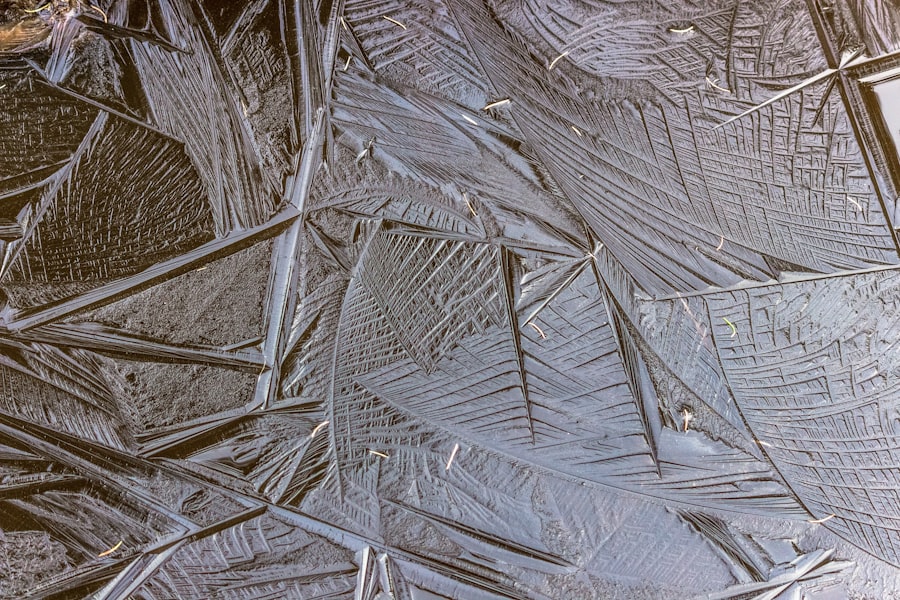
The term “scrambling” in this context refers to the disruption of the highly ordered crystalline structure of ice. This scrambling is not a wholesale destruction but rather a localized and dynamic rearrangement of water molecules.
Phonon Amplification and Disruption
The mechanical energy input from sliding motion can amplify existing phonon modes within the ice crystal. These amplified vibrations can overcome the energy barriers required to break hydrogen bonds, leading to a cascade of molecular rearrangements. This process is not uniform; it tends to be more pronounced in regions experiencing higher stress or strain.
Dislocation Motion and Glide
Crystals, including ice, are not perfect. They contain various types of defects, such as dislocations. Sliding motion provides the energy for these dislocations to move. When dislocations glide, they drag the surrounding lattice with them, causing localized deformation and disrupting the ordered arrangement of water molecules. This movement is a direct manifestation of the ice crystal being “scrambled.”
Grain Boundary Effects (in Polycrystalline Ice)
While the discussion often focuses on single crystals, ice encountered in nature is frequently polycrystalline, meaning it’s composed of many smaller crystals (grains) with different orientations. The interfaces between these grains, known as grain boundaries, are regions of higher disorder. Sliding motion can lead to increased activity at these grain boundaries, facilitating larger-scale rearrangements and further scrambling of the overall ice structure.
Thermal Fluctuations and Bond Breaking
Even without direct mechanical force, thermal fluctuations are constantly breaking and reforming hydrogen bonds. Sliding motion significantly enhances these fluctuations, providing the necessary energy for bonds to break more readily and for molecules to move into less ordered configurations. The scrambling is, in essence, a facilitated process of molecular disordering.
Observational Evidence and Experimental Insights
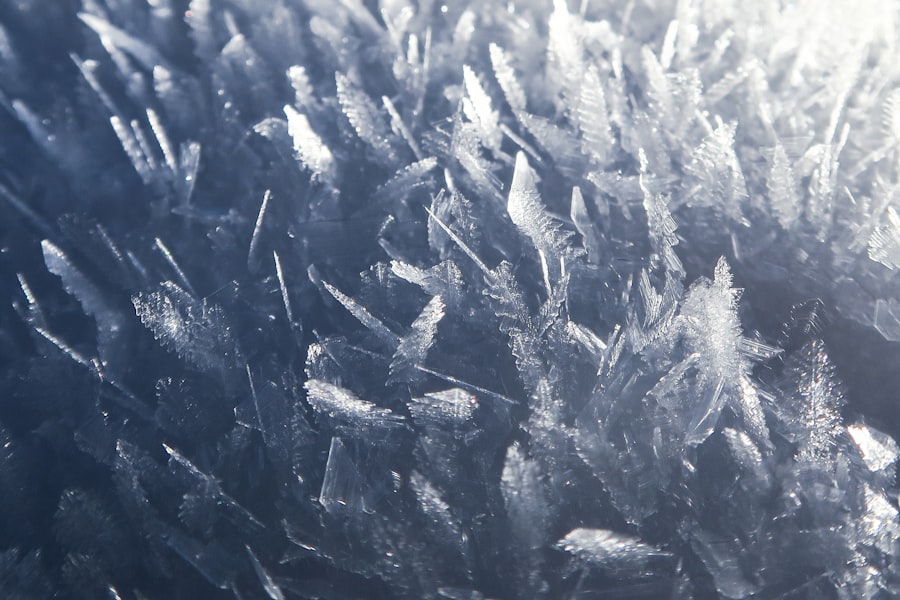
Directly observing the microscopic scrambling of ice crystals during sliding is challenging. However, a combination of indirect measurements and advanced imaging techniques has provided compelling evidence for this phenomenon.
Tribology Studies and Friction Measurements
The field of tribology, which studies friction, wear, and lubrication, has long investigated the slipperiness of ice. Precise measurements of friction coefficients for various materials sliding on ice under different conditions (temperature, pressure, velocity) have revealed complex behaviors that cannot be explained by simple melting alone. These deviations suggest the involvement of more intricate processes like lattice disruption.
Spectroscopic Analysis
Techniques like Raman spectroscopy and infrared spectroscopy can probe the vibrational modes of water molecules. By analyzing the spectral changes during sliding, researchers can infer alterations in the hydrogen bond network and the degree of molecular ordering, providing direct evidence of scrambling. Changes in peak positions and widths in these spectra can indicate changes in bond strength and the presence of less ordered structures.
Atomic Force Microscopy (AFM)
AFM can provide nanoscale imaging of the ice surface. While not directly observing the dynamic scrambling, AFM can reveal changes in surface morphology and structure after sliding, such as the formation of rougher patches or altered molecular arrangements, consistent with a scrambling process. Researchers have used AFM to visualize the formation of nanometer-scale features on ice surfaces after sliding experiments.
Molecular Dynamics Simulations
Computational techniques like molecular dynamics simulations are invaluable tools for understanding these microscopic processes. By simulating the interactions of millions of water molecules under applied forces, researchers can visualize the formation and propagation of dislocations, the breaking of hydrogen bonds, and the emergence of amorphous or less ordered regions on the ice surface during sliding. These simulations can replicate and explain many of the experimental observations.
Recent studies have shown that the process of sliding can significantly scramble ice crystals, affecting their structure and properties. This phenomenon is particularly intriguing in the context of understanding how ice behaves under different conditions, which has implications for various fields, including climate science and materials engineering. For a deeper dive into the fascinating world of ice and its unique characteristics, you can read more in this related article on Freaky Science.
Implications and Applications of Sliding Motion Scrambling Ice Crystals
| Temperature | Ice Crystal Formation |
|---|---|
| Below 32°F (0°C) | Sliding can cause ice crystals to form on the surface |
| Above 32°F (0°C) | Less likely to form ice crystals when sliding |
The phenomenon of sliding motion scrambling ice crystals has far-reaching implications across various scientific and engineering disciplines, influencing everything from sports performance to materials science.
Sports and Recreation
The most intuitive application lies in sports. The slipperiness of ice is crucial for activities like ice skating, curling, and ice hockey. Understanding how sliding motion alters the ice surface allows for optimization of equipment and ice preparation techniques to achieve desired performance levels. For example, the subtle differences in how skate blades interact with ice can significantly impact speed and maneuverability.
Transportation and Automotive Engineering
On a larger scale, the interaction between tires and icy roads is a critical concern for road safety. The scrambling of ice crystals contributes to the low friction encountered on icy surfaces. Research into this phenomenon can lead to the development of tire designs and tread compounds that improve grip and braking on ice, enhancing vehicle safety. Understanding the dynamic changes in the ice surface under tire contact is vital for designing more effective winter tires.
Materials Science and Nanotechnology
The principles governing the scrambling of ice crystals can be extrapolated to other crystalline materials. Understanding how external forces induce structural changes at the nanoscale can inform the design of new materials with tunable properties. In nanotechnology, controlling the interaction of nanoscale objects with solid surfaces, including ice, is paramount for the development of advanced devices.
Glaciology and Climate Science
On a global scale, the sliding of glaciers and ice sheets is a fundamental process in Earth’s climate system. The mechanisms by which ice deforms and flows, influenced by the interplay between pressure, temperature, and internal friction, are directly related to the scrambling of ice crystals. A deeper understanding of these processes is crucial for predicting sea-level rise and modeling climate change. The basal conditions of glaciers, where sliding occurs, are heavily influenced by the thermal and mechanical state of the ice.
Fundamental Physics and Chemistry
At its core, the scrambling of ice crystals is a fascinating problem in condensed matter physics and physical chemistry. It highlights the dynamic nature of solids at the molecular level and the complex interplay between mechanical forces and phase transitions. Continued research contributes to a fundamental understanding of matter and its behavior under extreme conditions. The study of how ordered structures transition to disordered states under stress is a fundamental area of research in physics.
In conclusion, the simple act of sliding over ice initiates a complex cascade of molecular events that fundamentally alter its crystalline structure. This “sliding motion scrambles ice crystals” phenomenon, driven by pressure melting, frictional heating, and the disruption of the hydrogen bond network, is a testament to the dynamic and often counterintuitive nature of frozen water. From enhancing athletic performance to ensuring road safety and understanding the Earth’s climate, the implications of this seemingly simple interaction are profound and continue to be an active area of scientific inquiry. Future research promises to unravel even more intricate details of this fascinating surface phenomenon, leading to novel applications and a deeper appreciation for the complex world of ice.

Why Ice Is Slippery Is Stranger Than You Think
FAQs
What causes ice crystals to form during sliding?
Ice crystals form during sliding due to the friction and pressure between the sliding surface and the ice. This causes the ice to melt slightly, and when the pressure is released, the water refreezes into ice crystals.
How do ice crystals affect the sliding surface?
Ice crystals can affect the sliding surface by creating a rough and uneven texture, which can reduce the smoothness and speed of the slide. This can also lead to increased friction and potential safety hazards.
Can ice crystals be prevented during sliding?
Ice crystals can be prevented during sliding by using materials that reduce friction and heat, such as lubricants or coatings. Additionally, maintaining the sliding surface at a consistent temperature can help prevent the formation of ice crystals.
What are the potential dangers of sliding on surfaces with ice crystals?
Sliding on surfaces with ice crystals can increase the risk of accidents and injuries due to the reduced smoothness and increased friction. This can lead to loss of control and potential collisions or falls.
How can ice crystals be removed from a sliding surface?
Ice crystals can be removed from a sliding surface by using tools such as scrapers or brushes to physically remove the crystals. Additionally, applying heat or using de-icing solutions can help melt and remove the ice crystals.