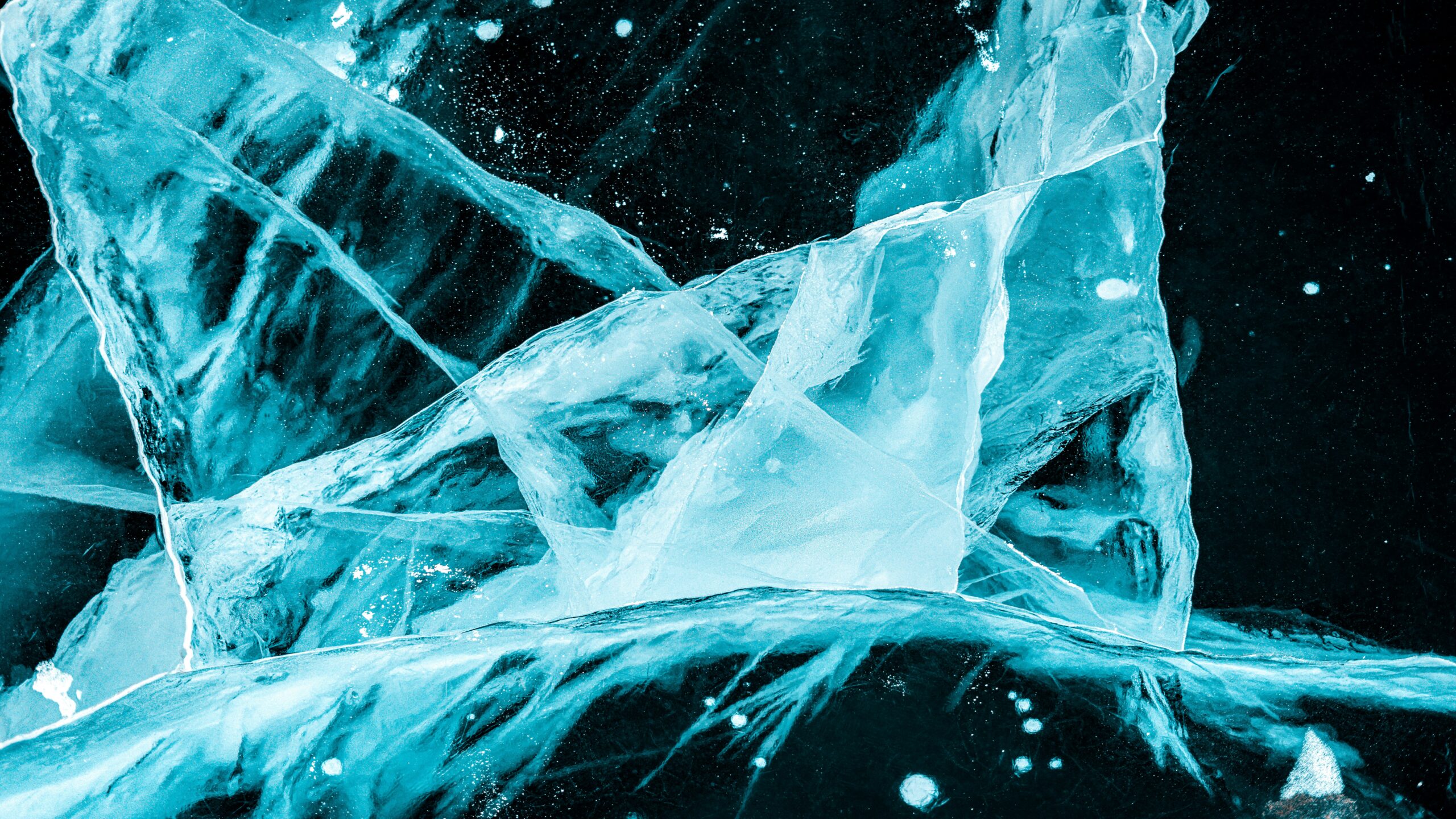
The familiar sensation of an icy surface, whether it’s a treacherous patch of sidewalk in winter or the perfectly groomed rink for a hockey game, is a testament to a complex interplay of physics and chemistry. While seemingly simple, the slipperiness of ice is a phenomenon that has intrigued scientists for centuries, leading to a deep dive into its molecular behavior and the forces at play. Understanding “The Science of Slippery Ice” involves unraveling the mysteries of surface tension, friction, pressure, and the unique properties of water molecules.
Water, that ubiquitous substance essential for life, possesses a remarkable set of properties that set it apart from most other liquids. Its molecular structure, with its characteristic bent shape and the polarity of its hydrogen and oxygen atoms, is the root of many of these unusual traits, including the slipperiness of ice.
Hydrogen Bonding: The Glue of Water
The key to water’s peculiar behavior lies in hydrogen bonding. Oxygen atoms are more electronegative than hydrogen atoms, meaning they attract electrons more strongly. This creates a partial negative charge on the oxygen atom and partial positive charges on the hydrogen atoms within a water molecule (H₂O). These partial charges allow neighboring water molecules to form weak attractions, known as hydrogen bonds.
When water freezes into ice, these hydrogen bonds become more ordered and rigid. In liquid water, hydrogen bonds are constantly forming, breaking, and reforming, allowing the molecules to move past each other. However, in ice, they arrange themselves into a crystalline lattice structure. This tetrahedral arrangement is crucial for the expansion of water upon freezing – a property that has profound implications for the natural world, from the bursting of pipes in winter to the survival of aquatic life. The open, cage-like structure of the ice lattice, stabilized by these hydrogen bonds, is less dense than liquid water.
Polarity and Adhesion
The polar nature of water molecules also leads to strong adhesive forces between water and other polar surfaces. This adhesion plays a role in how water interacts with surfaces, influencing the formation of thin liquid layers on ice, which is central to its slipperiness.
The fascinating science behind slippery ice has intrigued researchers and outdoor enthusiasts alike, as it plays a crucial role in various activities, from winter sports to transportation. For a deeper understanding of the mechanisms that make ice slippery, you can explore a related article that delves into the physics and chemistry involved. To learn more, visit this article on Freaky Science.
The Mystery of the Slippery Surface
For a long time, the explanation for why ice is slippery was relatively straightforward, focusing primarily on the presence of a thin layer of liquid water on its surface. However, modern scientific understanding reveals a more nuanced and complex picture, involving multiple contributing factors that create this seemingly effortless glide.
The Surface Melting Theory: A Lingering Explanation
The most enduring explanation for ice slipperiness is the “surface melting theory.” This theory posits that even at temperatures below the freezing point of water, a thin film of liquid water exists on the surface of ice. This liquid layer, only a few nanometers thick, acts as a lubricant, drastically reducing friction between the ice and any object in contact with it.
Mechanisms of Surface Melting
Several mechanisms are proposed to explain how this surface layer forms and persists:
- Melting Point Depression due to Pressure: When an object exerts pressure on ice, the ice’s melting point is lowered. This is a fundamental thermodynamic principle. As an object slides across ice, the localized pressure beneath it can be significant enough to cause a thin layer of ice to melt, even if the ambient temperature is well below 0°C. This is particularly relevant in activities like ice skating, where the blade exerts considerable pressure.
- Van der Waals Forces: Even at temperatures below the freezing point, weak intermolecular forces, known as Van der Waals forces, can contribute to a disordered surface layer. These forces, present between all molecules, can weaken the hydrogen bonds in the ice lattice near the surface, leading to a more fluid state.
- Kinetic Energy of Molecules: The molecules at the surface of the ice are constantly vibrating. Some of this kinetic energy can be transferred to neighboring molecules, leading to a localized increase in thermal energy that promotes melting, even without external pressure or a rise in ambient temperature.
Beyond Surface Melting: Other Contributing Factors
While surface melting remains a crucial component, it’s not the sole explanation. Other factors contribute significantly to the low friction observed on ice.
Friction-Induced Heating
When two surfaces rub against each other, friction generates heat. On ice, this friction-induced heating can be particularly effective due to the excellent thermal conductivity of ice compared to many other solids.
The Role of Contact Area and Velocity
The amount of heat generated is dependent on the coefficient of friction, the normal force, and the distance of sliding. As an object slides, the friction converts mechanical energy into thermal energy. This heat can then contribute to melting the surface layer of ice. The velocity of sliding also plays a role; at higher speeds, more friction is generated, leading to more heating.
Adsorption of Impurities
The presence of impurities on the ice surface, such as dirt, salt, or even dissolved gases, can significantly alter its slipperiness.
Salt and De-icing
Salt, when applied to ice, works by lowering the freezing point of water. This creates a brine solution, which has a much lower freezing point than pure water. This brine acts as an even more effective lubricant than a layer of pure water. This is why salt is so effective at de-icing roads and sidewalks.
Other Contaminants
Other contaminants can also affect slipperiness in various ways. For instance, fine dust particles might create microscopic roughness that increases friction, while certain organic compounds could form a slicker layer.
The Physics of Friction on Ice
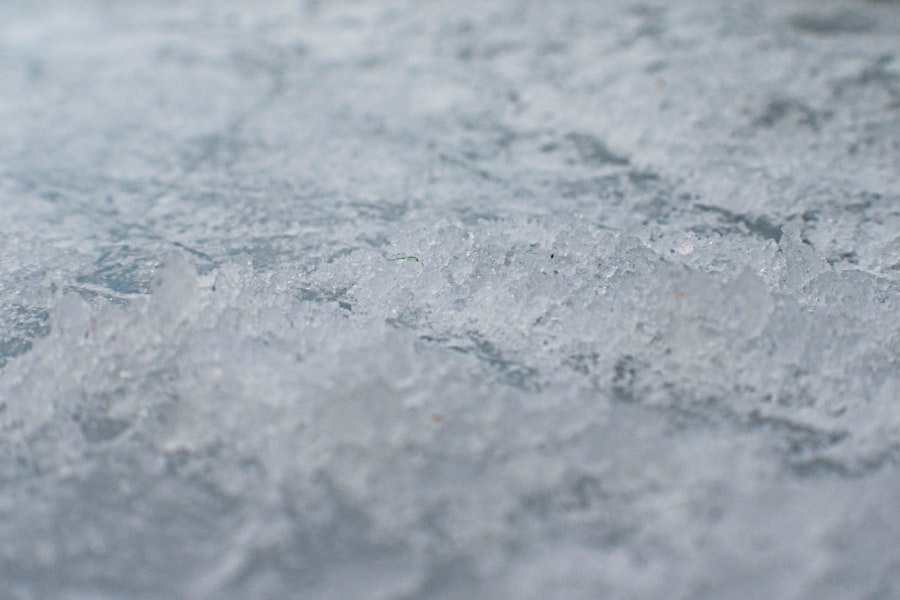
Friction, the force that opposes motion between two surfaces in contact, is a fundamental concept in understanding slipperiness. On ice, the nature of friction is intricately linked to the ice’s unique properties.
Static vs. Kinetic Friction
When considering friction, it’s important to distinguish between static friction and kinetic friction.
Static Friction: The Force of Restraint
Static friction is the force that prevents an object from starting to move when a force is applied. It is the force you need to overcome to initiate sliding. On ice, static friction is generally very low, which is why it can be difficult to get a foothold on an icy surface.
Kinetic Friction: The Force of Motion
Kinetic friction is the force that opposes motion when an object is already sliding. It is typically lower than static friction. The kinetic friction between an object and ice is what determines how easily it slides once it’s in motion. The very low kinetic friction is the primary reason for ice’s slipperiness.
The Coefficient of Friction
The coefficient of friction is a dimensionless number that represents the ratio of the frictional force to the normal force pressing the two surfaces together.
Factors Influencing the Coefficient
The coefficient of friction for ice is remarkably low, often in the range of 0.02 to 0.1. This low value is a result of the combination of factors discussed earlier, including the thin liquid water layer, friction-induced heating, and the surface structure of ice. The exact coefficient can vary depending on the temperature, the pressure applied, the speed of sliding, and the presence of any contaminants on the ice surface.
The Role of Surface Structure
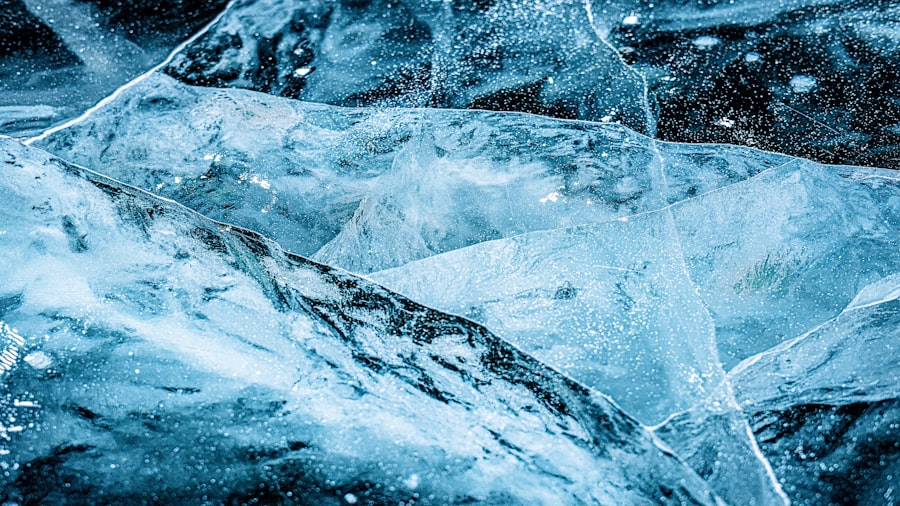
The crystalline structure of ice, while seemingly uniform, also contributes to its slipperiness at a microscopic level. The arrangement of water molecules in the ice lattice creates specific surface planes with varying degrees of roughness and bonding.
Crystal Planes and Slipperiness
Ice has different crystal planes, and the way these planes are exposed on the surface can influence friction. Some planes might have a more ordered and smoother arrangement of molecules, leading to lower friction.
Anisotropy of Ice Friction
Studies have shown that the friction on ice can be anisotropic, meaning it can vary depending on the direction of sliding relative to the ice crystal structure. This suggests that the arrangement of molecules on the surface plays a significant role.
Surface Roughness at the Nanoscale
While ice might appear smooth to the naked eye, at the nanoscale, its surface is not perfectly flat. Microscopic imperfections and variations in the arrangement of water molecules can influence how other surfaces interact with it.
Microscopic Interactions
The interaction between the asperities (microscopic high points) of the sliding object and the ice surface is a key determinant of friction. On a slippery surface like ice, these asperities are less likely to get caught or abrade the surface, contributing to the smooth glide.
Understanding the science behind slippery ice can be quite fascinating, as it involves the interplay of temperature, pressure, and the properties of water. For those interested in exploring this topic further, an insightful article can be found at Freaky Science, which delves into the mechanisms that make ice so slick and the implications for activities like skating and driving. This exploration not only highlights the physical principles at work but also emphasizes the importance of safety in icy conditions.
Applications and Implications of Slippery Ice
| Aspect | Explanation |
|---|---|
| Surface Tension | Water molecules have a strong attraction to each other, creating a thin layer of liquid on the surface of ice, making it slippery. |
| Pressure Melting Point | When pressure is applied to ice, it melts slightly, creating a thin layer of water that makes it slippery. |
| Friction Reduction | Ice has a low coefficient of friction, causing objects to slide easily on its surface. |
The science of slippery ice has far-reaching practical applications, influencing everything from winter sports to road safety. Understanding these principles allows for innovation and the development of strategies to manage or exploit this unique property.
Winter Sports and Recreation
The low friction of ice is the very foundation of many popular winter sports.
Ice Skating and Hockey
Ice skaters and hockey players rely on the minimal resistance offered by the ice to achieve high speeds and execute complex maneuvers. The design of skates, with their sharp blades, is optimized to interact with the ice surface in a way that maximizes this low-friction glide.
Curling and Bobsledding
Sports like curling and bobsledding also leverage the slipperiness of ice, with strategy and technique often revolving around manipulating the forces and interactions with the icy surface to achieve desired outcomes.
Road Safety and De-icing
In colder climates, managing slippery ice on roads is a critical aspect of public safety.
Winter Road Maintenance
The principles of friction and surface melting are central to effective winter road maintenance. Techniques like salting, sanding, and plowing are designed to mitigate the hazards posed by ice.
Chemical De-icers
The use of chemical de-icers, such as sodium chloride, calcium chloride, and potassium acetate, is a common method for preventing ice formation or melting existing ice. These chemicals work by lowering the freezing point of water, creating a brine that remains liquid at lower temperatures.
Abrasive Materials
In some cases, abrasive materials like sand or cinders are used to increase traction on icy surfaces. These materials create a rougher surface, increasing the coefficient of friction between tires and the ice.
Engineering and Material Science
The understanding of ice friction has also influenced material science and engineering.
Ice-Resistant Materials
Researchers are exploring the development of materials that are less prone to ice adhesion or that can maintain lower friction even in icy conditions. This is crucial for applications such as aircraft wings, wind turbine blades, and marine structures.
Hydrophobic Coatings
The application of hydrophobic (water-repelling) coatings can reduce the tendency for water to adhere to a surface, potentially minimizing the formation of ice layers and the associated slipperiness.
Ice-Breaking Technologies
The science behind ice formation and slipperiness also informs the design of ice-breaking vessels and other technologies used to navigate icy waters. Understanding the forces involved in breaking ice and the properties of the ice itself is essential for efficient operation.
In conclusion, the slipperiness of ice is not a simple matter of a wet surface. It is a captivating scientific phenomenon that arises from a complex interplay of molecular forces, thermodynamic principles, and physical interactions. From the fundamental nature of hydrogen bonds in water to the subtle effects of pressure, temperature, and impurities on the ice surface, each factor contributes to the characteristic glide that defines this ubiquitous winter element. As scientific inquiry continues, our understanding of “The Science of Slippery Ice” deepens, offering new insights and innovative solutions for both the challenges and opportunities it presents.

Why Ice Is Slippery Is Stranger Than You Think
FAQs
What is the science behind slippery ice?
Ice is slippery because the pressure of an object on the ice causes a thin layer of the ice to melt, creating a thin layer of water. This layer of water reduces the friction between the object and the ice, making it slippery.
Why does ice feel slippery even when it’s not melting?
Even at temperatures below freezing, the surface of ice can still have a thin layer of liquid water due to a phenomenon called surface melting. This thin layer of liquid water reduces the friction between the ice and objects, making it feel slippery.
What role does pressure play in making ice slippery?
When pressure is applied to ice, it lowers the melting point of the ice, causing a thin layer to melt and form liquid water. This liquid water reduces the friction between the object and the ice, making it slippery.
Can different types of ice have different slipperiness?
Yes, different types of ice can have different slipperiness depending on factors such as temperature, pressure, and impurities in the ice. For example, ice with a higher concentration of impurities may be less slippery than pure ice.
How does the slipperiness of ice affect everyday activities?
The slipperiness of ice can have a significant impact on everyday activities, especially during winter months. It can affect transportation, outdoor activities, and safety, leading to the need for precautions such as salt or sand on icy surfaces and special footwear for traction.