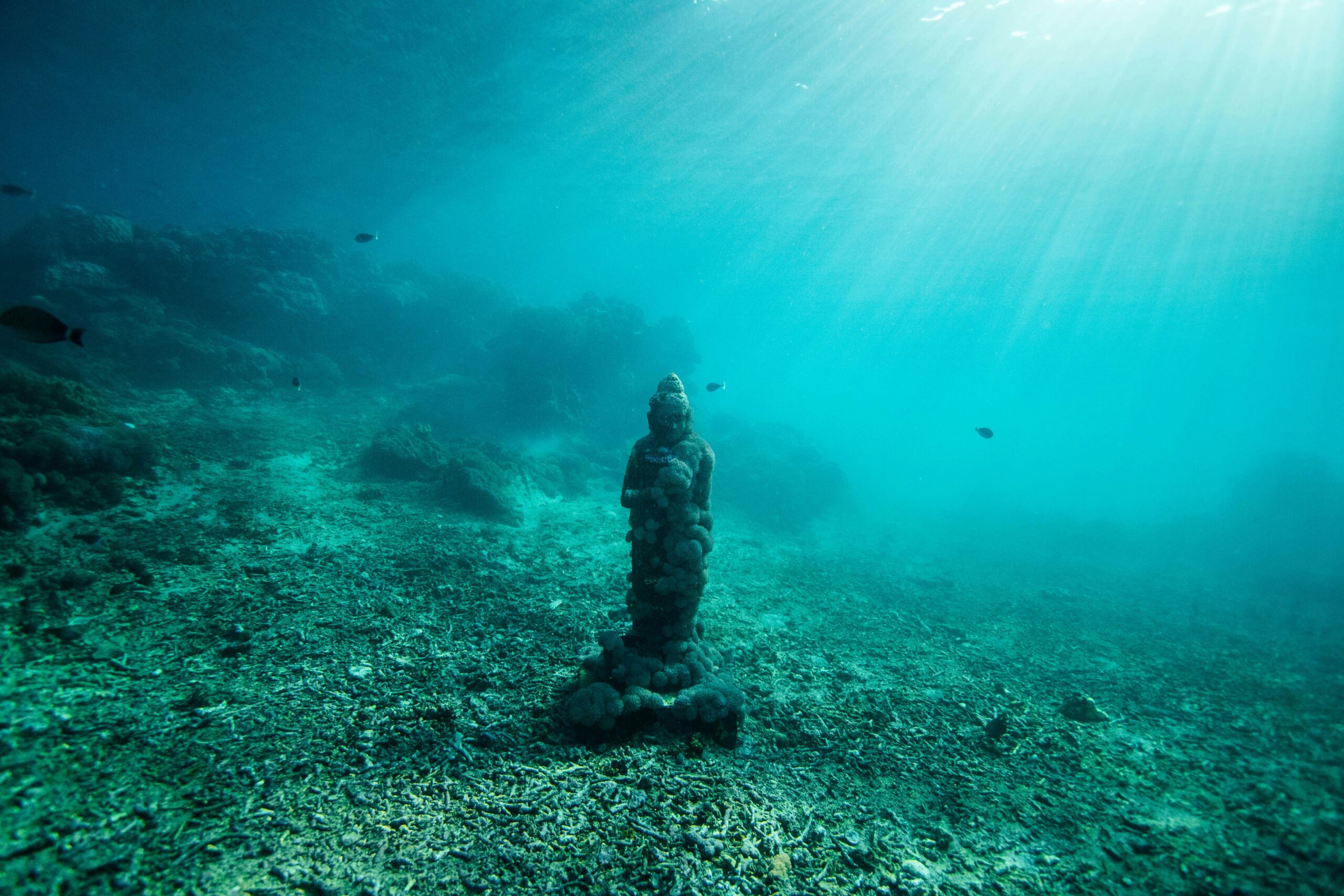
The ocean floor, a realm of perpetual darkness and immense pressure, has long been a source of scientific fascination. While much of our understanding focuses on its geological formations and the unique life forms that inhabit its depths, recent discoveries have revealed a far more dynamic and energy-rich environment. Beneath the crushing weight of water and sediment, a natural phenomenon akin to a colossal battery is quietly generating power, offering a glimpse into an extraordinary and previously unappreciated aspect of our planet’s natural processes.
The concept of the ocean floor acting as a natural battery stems from a remarkable convergence of geological conditions and chemical reactions. This subterranean power generator is not a single, monolithic entity, but rather a distributed network of electrochemical cells, meticulously crafted by billions of years of Earth’s internal processes. The fundamental components of this natural battery lie within the very rocks and fluids that constitute the ocean crust and the mantle beneath it.
Seafloor Hydrothermal Vents: The Engine of the System
At the heart of this oceanic power generation are seafloor hydrothermal vents. These are fissures in the Earth’s crust where superheated, mineral-rich water, heated by magma deep within the planet, erupts into the frigid ocean water. These vents, often found along mid-ocean ridges where tectonic plates are pulling apart, are not merely geological curiosities; they are active chemical reactors. The extreme temperatures and pressures create an environment conducive to a complex interplay of oxidation and reduction reactions, the very bedrock of electrochemical energy generation.
The Chemical Cocktail: Dissolved Minerals and Gases
The water circulating through the Earth’s crust beneath the vents dissolves a remarkable array of minerals and gases. As this water encounters the intense heat of magma chambers, it undergoes significant chemical transformations. Key among these are the dissolution of metallic ions, such as iron, copper, and sulfur compounds. These dissolved species, when brought into contact with the oxygen-rich seawater that permeates the surrounding seabed, initiate a series of redox (reduction-oxidation) reactions.
The Role of Sulfides and Metals
Sulfur compounds, particularly hydrogen sulfide (H₂S), are abundant in the fluids emanating from hydrothermal vents. These compounds are highly reactive and readily undergo oxidation in the presence of oxidizing agents. Similarly, dissolved metallic ions, such as iron (Fe²⁺), can be oxidized to their higher valence states (e.g., Fe³⁺). These oxidation processes release electrons, which are the fundamental currency of electrical energy.
The Seabed as an Electrolyte and Electrode
The ocean floor itself plays a crucial role in facilitating these electrochemical reactions. The porous nature of the seafloor rocks, combined with the interstitial seawater that saturates them, acts as an electrolyte. An electrolyte is a substance that contains free ions and can conduct electricity. In this context, the dissolved ions within the seawater, along with those released from the rocks, provide the necessary medium for ionic movement.
Porous Rock Structures: Facilitating Ion Flow
The volcanic rocks that form the oceanic crust are not solid, impermeable barriers. Instead, they are riddled with pores, cracks, and fractures. These interconnected spaces allow seawater to penetrate deep into the seafloor, coming into close proximity with the mineral-rich fluids from the hydrothermal vents. This complex network of pathways ensures efficient mixing of the reacting substances and facilitates the movement of ions necessary for the electrochemical process.
Mineral Deposits: The Natural Electrodes
The minerals that precipitate out of the superheated vent fluids as they cool upon contact with seawater also play a critical role. These mineral deposits, often forming chimneys and mounds around the vents, are rich in metallic sulfides and oxides. These compounds can act as natural electrodes, providing surfaces for the oxidation and reduction reactions to occur. Electrons released during oxidation can flow through these conductive mineral structures, while ions migrate through the surrounding electrolyte.
Recent advancements in renewable energy sources have led to intriguing developments in the concept of natural batteries found on the ocean floor. These underwater energy systems harness the unique properties of marine environments to generate electricity sustainably. For more insights into this fascinating topic, you can read the related article on this subject at Freaky Science.
Unveiling the Electrochemical Reactions
The generation of electrical potential in this oceanic setting is a direct consequence of specific electrochemical reactions occurring at the interface between the vent fluids and the surrounding seawater, mediated by the mineral composition of the seafloor. These reactions are analogous to those occurring in a man-made battery, albeit on a vastly larger and more geologically driven scale.
The Dominant Redox Couples
Several redox couples are believed to be primarily responsible for the electrical potential observed on the ocean floor. The most prominent among these involve the oxidation of reduced species from the vent fluids and the reduction of oxidized species present in seawater.
Sulfide Oxidation: A Powerful Electron Donor
Hydrogen sulfide (H₂S) is a potent reducing agent and a readily oxidized species. In the presence of dissolved oxygen or other oxidizing agents in seawater, H₂S can be oxidized to elemental sulfur (S) or sulfate (SO₄²⁻). This oxidation process releases electrons, contributing to the overall electrical potential. The reaction can be broadly represented as:
H₂S → S + 2H⁺ + 2e⁻
or
H₂S + 2O₂ → SO₄²⁻ + 2H⁺
Metal Ion Oxidation: Contributing to the Potential
Dissolved metallic ions, particularly ferrous iron (Fe²⁺), also act as electron donors. As these ions encounter oxygenated seawater, they are oxidized to their ferric (Fe³⁺) forms. This process also releases electrons, further fueling the electrochemical activity. A simplified representation is:
Fe²⁺ → Fe³⁺ + e⁻
Oxygen Reduction: The Electron Acceptor
In many of these reactions, dissolved oxygen (O₂) in the surrounding seawater acts as the primary electron acceptor. Oxygen is a strong oxidizing agent and readily accepts electrons to form water or other oxygenated species. The reduction of oxygen is crucial for sustaining the continuous flow of electrons and thus the generation of electrical current. A common reaction is:
O₂ + 4H⁺ + 4e⁻ → 2H₂O
The Magnitude of the Potential
While the precise voltage generated at any given location can vary significantly depending on local conditions, studies have indicated that the electrochemical potential differences across these seafloor systems can be substantial. Researchers have measured potential gradients of tens to hundreds of millivolts per meter in the vicinity of hydrothermal vents. While this may seem small compared to a typical household battery, the sheer scale of these systems, spanning vast areas of the ocean floor, suggests that the cumulative electrical power generated could be enormous.
Variations Across Different Vent Types
The type and composition of hydrothermal vents can influence the electrochemical potential. Black smokers, characterized by high temperatures and the precipitation of sulfide minerals, are often associated with the strongest electrical signals. Conversely, cooler, diffuse flow vents might exhibit different redox couples and lower potentials. Understanding these variations is crucial for assessing the overall energy budget of these oceanic power sources.
The Influence of Seawater Chemistry
The chemistry of the surrounding seawater, including its oxygen content and the concentration of dissolved ions, also plays a significant role. Areas with higher oxygen levels are likely to support more robust oxygen reduction, thereby driving the electrochemical reactions more efficiently.
Evidence and Measurement of Oceanic Power
The discovery and characterization of this natural oceanic battery have been a gradual process, driven by advancements in oceanographic instrumentation and a deeper understanding of seafloor geochemistry. Direct measurement of electrical currents and potential differences on the deep seafloor presents significant technological challenges, but researchers have employed innovative methods to gather compelling evidence.
In-Situ Measurements: Probing the Depths
Direct in-situ measurements have been pivotal in confirming the existence and quantifying the electrical activity of these natural batteries. Specialized equipment designed to withstand the extreme pressures and corrosive environments of the deep sea has been deployed to probe the electrical fields and currents emanating from the seafloor.
Deploying Electrodes and Sensors
Researchers have deployed arrays of electrodes on the seafloor in proximity to hydrothermal vent fields. These electrodes are designed to measure potential differences between various points. By analyzing the patterns of these potential differences, scientists can infer the presence and direction of electrical currents. Additionally, specialized sensors are used to measure the chemical composition of the vent fluids and surrounding seawater, providing context for the observed electrochemical activity.
Utilizing Remotely Operated Vehicles (ROVs) and Autonomous Underwater Vehicles (AUVs)
ROVs and AUVs have been instrumental in these endeavors. These robotic platforms can carry and deploy sophisticated sensor packages to the precise locations of hydrothermal vents. They also allow for real-time data acquisition and the ability to make adjustments to sensor placement and sampling strategies based on initial findings. The ability to observe and measure directly in these remote environments has revolutionized our understanding.
Indirect Evidence and Geochemical Signatures
Beyond direct electrical measurements, a wealth of indirect evidence supports the existence of widespread electrochemical activity on the ocean floor. Geochemical anomalies and the mineralogical composition of seafloor sediments provide strong clues about ongoing redox processes.
Mineral Precipitation Patterns
The unique mineral deposits found around hydrothermal vents, such as iron sulfides and manganese oxides, are direct byproducts of the electrochemical reactions. The precise mineralogy and distribution of these precipitates can offer insights into the types of redox reactions that have occurred and the electrical potentials involved. For instance, the formation of certain metallic sulfide minerals requires specific reducing conditions and electron flow.
Isotopic Signatures
Isotopic analysis of elements like sulfur and iron found in seafloor sediments and rocks can provide further evidence. The fractionation of isotopes during redox reactions can leave distinct signatures that are indicative of the electrochemical processes that have been at play over geological timescales. This allows scientists to reconstruct past geological and chemical events.
The Scale of the Phenomenon
The crucial aspect of this oceanic battery is its immense scale. Hydrothermal vent systems are found along all active mid-ocean ridges, which collectively span tens of thousands of kilometers. While not every meter of the seafloor hosts active venting, the interconnectedness of these systems and the widespread presence of subsurface fluid circulation suggest that the cumulative electrical power generation is significant and potentially far-reaching.
Global Distribution of Vent Fields
Mid-ocean ridges, where plate tectonics are most active, are dotted with numerous hydrothermal vent fields. The Mid-Atlantic Ridge, the East Pacific Rise, and the Southwest Indian Ridge are just a few examples of locations where these dynamic geological features are found. The global distribution of these vents implies a widespread natural energy generation process.
Subsurface Fluid Flow Networks
Beyond the visible vents, it is believed that extensive networks of subsurface fluid circulation exist within the oceanic crust. These networks can facilitate the transport of chemical reactants and the generation of electrical potential even in areas where direct venting is not observed at the surface.
Implications of the Oceanic Battery
The realization that the ocean floor harbors a vast natural battery carries profound implications, extending from our fundamental understanding of Earth’s geological and biogeochemical cycles to potential future applications. This discovery opens new avenues for scientific inquiry and may even inspire innovative technological solutions.
Understanding Earth’s Energy Budget
The electrical energy generated by these seafloor processes contributes to the overall energy budget of the Earth. While the precise contribution is still being quantified, it is likely a significant, albeit often overlooked, component of global energy transfer. This energy influences the chemical gradients in the ocean and plays a role in the cycling of essential elements.
Driving Geochemical Cycles
The continuous flow of electrons and ions associated with these electrochemical reactions plays a vital role in driving various geochemical cycles. For instance, the oxidation of sulfides and metals influences the availability of these elements for biological processes and their subsequent incorporation into sediments. This interconnectedness highlights the complex feedback loops within Earth’s systems.
Influence on Marine Chemistry
The electrochemical activity can influence the local and regional chemistry of the ocean. The release of reduced species and the consumption of oxygen can create unique chemical environments that support specialized microbial communities. This localized impact can have broader consequences for marine ecosystems.
Potential for Bioenergetic Processes
The electrical energy generated on the ocean floor may also be a source of energy for microbial life. While the direct utilization of electrical currents by organisms is a complex area of research, it is plausible that some chemosynthetic microbes may be able to harness these electrochemical gradients for their metabolic needs.
Chemosynthesis on the Seafloor
Many microorganisms thrive in the dark, energy-limited environment of the deep sea by utilizing chemical energy, a process known as chemosynthesis. The electrochemical gradients present at hydrothermal vents could provide a direct or indirect energy source for such microbes, potentially fueling entire ecosystems.
Microbial Electrochemical Cells (MECs)
The concept of Microbial Electrochemical Cells (MECs) is gaining traction in research. These are systems where microorganisms facilitate electron transfer in electrochemical reactions. It is possible that natural systems on the ocean floor function as analogous, large-scale MECs, supporting unique microbial metabolisms.
Future Technological and Energy Prospects
While the current focus is on scientific understanding, the concept of a natural oceanic battery naturally sparks questions about potential technological applications, particularly in the realm of energy. Harnessing this naturally occurring power source, even in a limited capacity, could be revolutionary.
Subsea Power Generation
The prospect of tapping into this naturally occurring energy source for subsea power generation is tantalizing. Imagine powering remote underwater observatories, autonomous vehicles, or even offshore infrastructure directly from the ocean floor. This could significantly reduce the reliance on surface-based power sources and complex cabling.
Challenges and Opportunities for Harvesting
The challenges associated with harvesting this energy are immense. The extreme depths, pressures, and corrosive environments require robust and specialized engineering solutions. However, the potential benefits of a clean, renewable, and geographically widespread energy source are significant enough to warrant continued investigation and innovation. Research into novel electrode materials and energy conversion technologies tailored for these conditions will be crucial.
Recent advancements in renewable energy have sparked interest in innovative solutions, such as the development of natural batteries found on the ocean floor. These unique systems harness the power of marine organisms and minerals to generate electricity sustainably. For a deeper understanding of this fascinating topic, you can explore a related article that discusses the potential of these underwater energy sources further. Check it out here to learn more about how these natural batteries could revolutionize our approach to energy production.
Research Challenges and Future Directions
| Location | Depth | Energy Output |
|---|---|---|
| Ocean Floor | Varies | Dependent on natural processes |
Despite the groundbreaking discoveries, many questions remain regarding the full extent and implications of the ocean floor’s natural battery. Continued research is essential to refine our understanding and explore the full potential of this remarkable phenomenon.
Quantifying Global Energy Output
One of the primary challenges is to accurately quantify the total electrical energy output from hydrothermal vent systems globally. This requires extensive mapping of vent fields, detailed characterization of their electrochemical properties, and sophisticated modeling to extrapolate findings to the broader ocean floor.
Developing Advanced Geophysical and Geochemical Models
Developing more sophisticated geophysical and geochemical models is crucial for understanding the spatial and temporal variability of electrical generation. These models will need to incorporate factors such as magma chamber activity, fluid flow rates, rock permeability, and seawater chemistry to accurately predict energy output.
Long-Term Monitoring and Data Collection
Establishing long-term monitoring stations at various hydrothermal vent sites is essential for collecting continuous data on electrical signals, chemical fluxes, and environmental parameters. This long-term perspective will help to understand the dynamic nature of these systems and identify any trends or variations over time.
Understanding the Ecosystemic Impact
Further research is needed to fully understand the impact of these electrochemical processes on deep-sea ecosystems. How do these electrical gradients influence microbial community structure and function? What are the specific metabolic pathways involved in the utilization of this energy?
Investigating Microbial Adaptations
Detailed studies of microbial communities found near hydrothermal vents are required to identify specific adaptations that allow them to thrive in these electrochemically active environments. This could involve examining gene expression, metabolic pathways, and the presence of specialized electron transport mechanisms.
Impact on Food Webs
Understanding how the energy generated by these natural batteries trickles up through the food web is another important area of research. Are there organisms that directly or indirectly benefit from this energy source, and how does it shape the biodiversity and productivity of deep-sea ecosystems?
Exploring Sustainable Energy Harvesting Technologies
The ultimate goal for some researchers is to develop sustainable technologies for harvesting this energy. This involves overcoming significant engineering hurdles and ensuring that any harvesting efforts are environmentally responsible and do not disrupt the delicate balance of deep-sea ecosystems.
Designing Novel Energy Conversion Devices
The development of new materials and designs for energy conversion devices that can operate efficiently and reliably in the extreme deep-sea environment is a critical area for future innovation. This might involve exploring bio-inspired designs or novel electrochemical architectures.
Environmental Impact Assessments
Before any large-scale energy harvesting can be considered, comprehensive environmental impact assessments will be crucial. Understanding potential risks to marine life, sediment stability, and water chemistry is paramount to ensure that any exploitation of this natural resource is sustainable and responsible.
In conclusion, the ocean floor, once perceived as a passive and inert landscape, is now understood to be a vibrant and dynamic arena of natural energy generation. The intricate interplay of geological processes, chemical reactions, and fluid dynamics creates a vast, subterranean battery, silently powering a hidden world. As scientific inquiry continues to delve into the mysteries of this deep-sea phenomenon, it not only expands our fundamental understanding of our planet but also offers a tantalizing glimpse into the potential for harnessing nature’s own extraordinary power. The ongoing exploration of this oceanic battery promises to be a frontier of scientific discovery for years to come.

Scientists Found Oxygen Where It Should Be Impossible
FAQs
What is a natural battery on the ocean floor?
A natural battery on the ocean floor is a phenomenon where certain geological formations and chemical reactions create electrical currents. These currents can be harnessed and used as a source of energy.
How are natural batteries formed on the ocean floor?
Natural batteries on the ocean floor are formed through a process called redox reactions, where different chemical compounds in the seabed interact with each other and create a flow of electrons. This flow of electrons generates an electrical current.
What are the potential applications of natural batteries on the ocean floor?
The electrical currents generated by natural batteries on the ocean floor have the potential to be used as a source of renewable energy. They could be harnessed to power underwater sensors, monitoring equipment, or even provide electricity for underwater research stations.
Where are natural batteries on the ocean floor typically found?
Natural batteries on the ocean floor are typically found in areas with high concentrations of certain minerals and chemical compounds, such as manganese nodules or hydrothermal vent systems. These areas provide the necessary conditions for the formation of electrical currents.
What are the environmental implications of harnessing natural batteries on the ocean floor?
While natural batteries on the ocean floor have the potential to provide renewable energy, there are also concerns about the environmental impact of extracting and harnessing this energy. It is important to carefully consider the potential effects on marine ecosystems before pursuing large-scale exploitation of natural batteries.