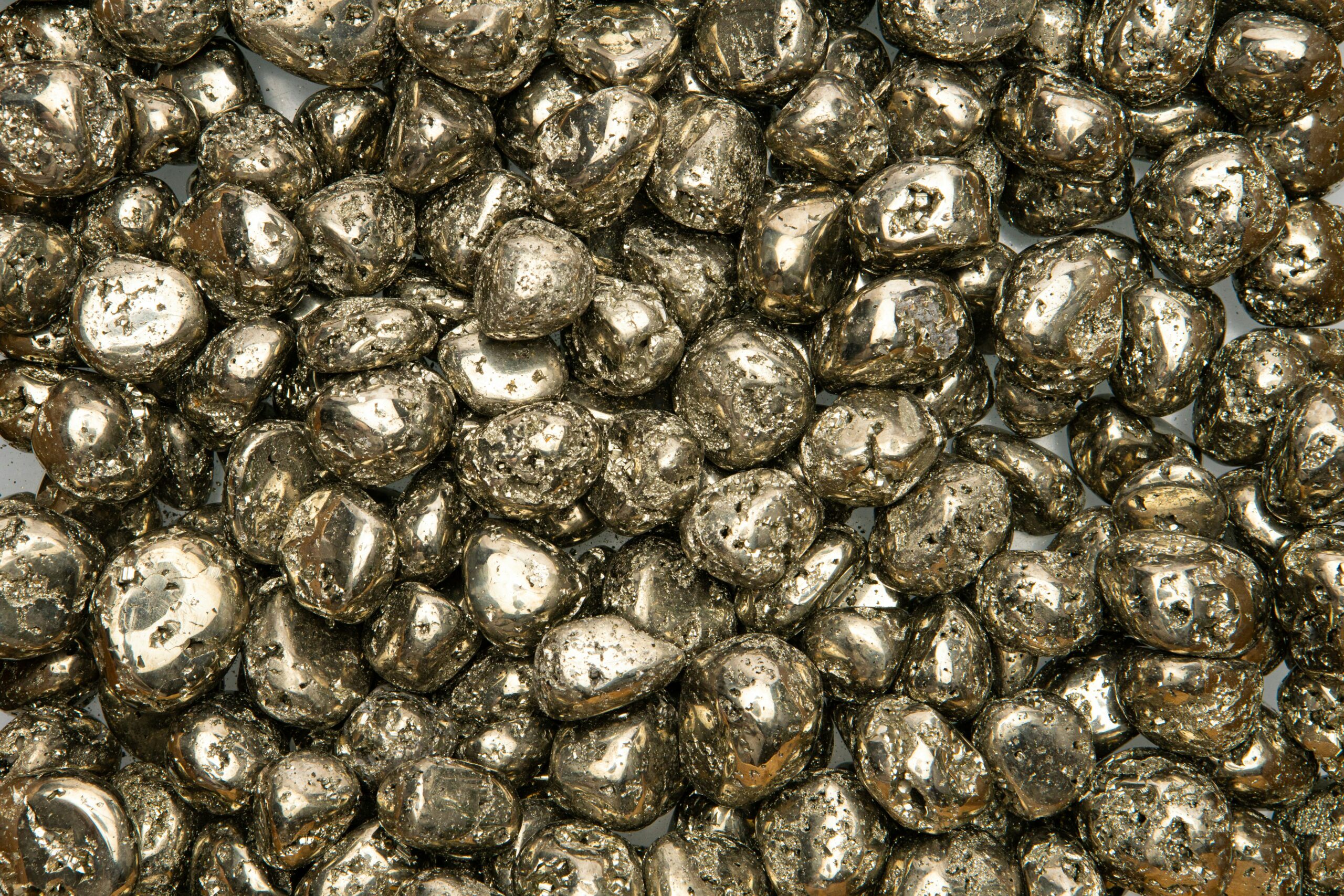
The Earth’s oceans, vast and enigmatic, hold secrets that continue to astound scientists. Among these wonders are peculiar geological formations known as underwater metallic rocks, whose unassuming appearance belies an extraordinary ability: they can produce oxygen. This revelation has profound implications, not only for understanding ancient Earth environments but also for potentially revolutionizing future life support systems and even the search for extraterrestrial life. The intricate dance of chemistry and geology beneath the waves reveals a surprisingly active and vital process that has, for eons, contributed to the very breath we take.
Deep within the ocean’s embrace, far from the sunlit surface where photosynthesis reigns supreme, lies a remarkable phenomenon. Certain metallic rocks, often found in hydrothermal vent systems and around volcanic activity, possess the uncanny ability to generate oxygen. These are not inert stones; they are dynamic chemical engines, powered by the Earth’s internal heat and the unique chemical composition of their surroundings. For a long time, the prevailing understanding of oxygen production was solely linked to biological processes, primarily plants and algae. However, the discovery of abiotic oxygen generation within these metallic rock formations challenges this paradigm, opening up new avenues of scientific inquiry and offering a glimpse into the planet’s early, pre-oxygenated atmosphere. The sheer scale of this geological oxygen production, though potentially less abundant than biological sources, is significant enough to rewrite our understanding of Earth’s atmospheric evolution and the potential for life to arise in seemingly hostile environments.
What Constitutes These Metallic Rocks?
The term “metallic rocks” in this context refers to a diverse array of mineral assemblages, often rich in iron, sulfur, and other transition metals. They are not pure metals but rather complex compounds formed under specific geological conditions. Their formation is intimately linked to the high temperatures and pressures found in the Earth’s crust, particularly in areas where molten rock is close to the surface. The presence of dissolved gases and minerals in the surrounding seawater plays a crucial role in their genesis and their subsequent oxygen-producing capabilities. These rocks often exhibit a porous structure, which is vital for facilitating the chemical reactions that lead to oxygen generation. The interplay between the rock’s mineralogy, the chemistry of the surrounding fluids, and the thermal gradient is the key to their function as miniature oxygen factories.
Iron Sulfides: A Common Component
A significant component of these oxygen-producing rocks are iron sulfides, such as pyrite (FeS₂) and pyrrhotite (Fe₁₋ₓS). These minerals are commonly found in hydrothermal deposits and can form under anaerobic (oxygen-free) conditions. Their abundance in these formations is not coincidental; iron and sulfur are readily available in the Earth’s mantle and are leached out by superheated water circulating through the crust. The specific ratios of iron to sulfur, along with other trace elements, can influence the rock’s reactivity and its potential for oxygen production. The intricate crystalline structures of these sulfides provide surfaces upon which complex chemical reactions can occur, acting as catalysts in the process.
Other Metallic Oxides and Hydroxides
Beyond sulfides, other metallic compounds also contribute to the oxygen-producing capacity of these rocks. Oxides and hydroxides of metals like manganese, iron, and nickel can be present, often as secondary precipitates formed as hydrothermal fluids cool and interact with the surrounding seawater. These compounds can also participate in redox reactions, where electrons are transferred, leading to the release of oxygen. The diversity of metallic species within these rocks is a testament to the complex geochemical processes at play and highlights that oxygen production is not confined to a single mineral type but rather a collective effort of various metallic components.
Recent research has highlighted the fascinating role of metallic rocks in producing oxygen underwater, shedding light on their potential impact on marine ecosystems. For a deeper understanding of this phenomenon, you can explore the related article that discusses the intricate processes involved in this oxygen production and its implications for underwater life. To read more about it, visit this article.
The Geochemical Engine: How Oxygen is Produced Abiotically
The production of oxygen by these metallic rocks is a fascinating example of abiotic chemical processes, meaning it occurs without the direct involvement of living organisms. This process is driven by a series of redox reactions, where electron transfer between different chemical species results in the liberation of oxygen molecules. Understanding these reactions is crucial to appreciating the unique nature of these geological oxygen factories. The high temperatures and pressures associated with hydrothermal vents and volcanic activity provide the necessary energy to drive these otherwise thermodynamically unfavorable reactions. The dissolved gases in the seawater, particularly carbon dioxide and water itself, are the primary sources of the oxygen atoms that are eventually released.
Redox Reactions in Action
At the heart of this oxygen production are redox reactions. These reactions involve the transfer of electrons. In the context of these metallic rocks, metal ions within the rock can act as electron donors or acceptors, facilitating the breakdown of water molecules or the oxidation of other inorganic compounds. The specific pathways can vary depending on the mineral composition of the rock and the surrounding fluid chemistry, but the fundamental principle remains the same: the rearrangement of electrons leads to the formation of oxygen. This is a far cry from photosynthesis, where light energy is used to split water molecules, but the end result – oxygen – is the same.
Water Oxidation: The Primary Pathway
A key reaction involves the oxidation of water (H₂O). In the presence of suitable catalysts (the metallic minerals in the rock) and under specific temperature and pressure conditions, water molecules can be split, yielding oxygen (O₂) and hydrogen ions (H⁺). The electrons released from the water molecule are then transferred to the metallic species within the rock, effectively “reducing” the metal. Conversely, some metallic species might be oxidized, releasing electrons that can then be used to oxidize other compounds, ultimately leading to oxygen. The high concentration of dissolved species in hydrothermal fluids provides the necessary reactants and also helps to buffer the chemical environment, ensuring the sustained operation of these reactions.
Dissolved Gases as Oxygen Sources
While water is a direct source of oxygen atoms, dissolved gases in the seawater also play a role. For instance, the oxidation of reduced sulfur compounds, abundant in hydrothermal environments, can contribute to the overall redox balance and indirectly facilitate oxygen production. Similarly, dissolved carbon dioxide can be involved in complex reactions that, under specific conditions, might lead to the release of oxygen. The intricate interplay between water, dissolved gases, and the metallic rock matrix creates a complex but efficient system for generating oxygen.
The Role of Temperature and Pressure
The extreme conditions found at hydrothermal vents and volcanic areas are not just incidental; they are essential for driving the abiotic oxygen production. High temperatures provide the activation energy needed for the chemical reactions to occur at a significant rate. Similarly, high pressures help to maintain the dissolved state of gases and facilitate the dissolution of minerals, ensuring a continuous supply of reactants. These conditions mimic environments that may have existed on early Earth, before the widespread establishment of oxygen-producing life.
Hydrothermal Vent Systems: Laboratories of Abiotic Oxygen
Hydrothermal vents, where superheated, mineral-rich water erupts from the seafloor, are prime locations for these metallic oxygen producers. The constant flow of heated water through the Earth’s crust leaches metals and minerals, creating the ideal conditions for the formation of these reactive rocks. The resulting chimney-like structures, known as black smokers and white smokers, are often encrusted with these metallic deposits, silently generating oxygen within their porous interiors. The chemical gradients created by the mixing of vent fluids with cold seawater further drive the redox reactions.
Submarine Volcanoes: More Than Just Lava
Submarine volcanoes, both active and dormant, also harbor these oxygen-producing metallic rocks. The intense heat and the presence of molten rock can catalyze similar reactions. As volcanic activity alters the surrounding seafloor, it creates new mineral deposits and alters existing ones, potentially seeding areas with new oxygen-generating capabilities. The interaction of volcanic gases with seawater can also contribute to the chemical environment that favors abiotic oxygen production.
Implications for Early Earth and Astrobiology

The discovery of abiotic oxygen production by metallic rocks has profound implications for our understanding of Earth’s early history. It suggests that oxygen, the very gas that underpins most life on our planet today, could have been present in significant amounts even before the evolution of photosynthesis. This revises our models of the early atmosphere and the conditions under which life may have first emerged. Furthermore, it offers tantalizing possibilities for the search for life beyond Earth.
Reimagining the Archean Atmosphere
For decades, the prevailing theory for the origin of atmospheric oxygen has been biological photosynthesis. However, the existence of abiotic oxygen producers suggests that the Archean atmosphere, a period from about 4 to 2.5 billion years ago, might have been more complex than previously thought. While biological oxygen production was undoubtedly the dominant force in later geological eras, these metallic rocks could have provided a background level of oxygen, potentially influencing the evolution of early microbial life. This could have created niches for anaerobic life to adapt and eventually thrive in oxygen-rich environments.
The “Great Oxidation Event” Re-evaluated
The “Great Oxidation Event,” a period around 2.4 billion years ago when atmospheric oxygen levels dramatically increased, is largely attributed to the proliferation of photosynthetic organisms. However, the presence of abiotic oxygen sources may mean this event was not solely driven by biology but also by geological processes that had been occurring for eons. This doesn’t diminish the importance of photosynthetic life, but it adds another layer of complexity to the narrative of Earth’s oxygenation. It suggests a more gradual and multi-faceted approach to atmospheric oxygen accumulation.
The Search for Extraterrestrial Life
The discovery of abiotic oxygen production has significant ramifications for astrobiology. If oxygen can be generated geochemically on Earth, then similar processes could be occurring on other planets and moons. This expands the potential habitability of exoplanets and offers new targets in the search for extraterrestrial life. A planet might not need to host photosynthetic organisms to possess an oxygen-rich atmosphere, thereby widening the net of potential life-bearing worlds.
Mars: A Potential Candidate for Abiotic Oxygen
Mars, with its geological history and the presence of iron-rich minerals, is a compelling candidate for abiotic oxygen production. While current atmospheric oxygen levels on Mars are very low, past geological activity and the presence of subsurface water could have facilitated similar processes. If these rocks are widespread on Mars, they could have contributed to localized pockets of higher oxygen concentrations in the past, or even currently, which could be exploited by microbial life. Understanding these geological processes on Earth could therefore inform our interpretation of Martian atmospheric data and guide future exploration efforts.
Icy Moons and Their Hidden Potential
Beyond rocky planets, even icy moons like Europa and Enceladus, with their subsurface oceans and potential geological activity, could harbor environments capable of abiotic oxygen production. While the mineralogy might differ, the fundamental principles of water-rock interactions under hydrothermal conditions could still lead to oxygen generation. This opens up a vast and exciting frontier in the search for life, suggesting that oxygen, a key indicator of biological activity on Earth, might not always be a direct biosignature.
Technological Applications and Future Innovations

The understanding of how these metallic rocks produce oxygen has sparked considerable interest in developing artificial systems that mimic this natural process. This could have revolutionary implications for life support systems in space exploration, underwater habitats, and even for environmental remediation. The ability to generate oxygen efficiently and sustainably from readily available resources is a highly sought-after goal.
Closed-Loop Life Support Systems
In the context of long-duration space missions, closed-loop life support systems are essential. These systems aim to recycle air, water, and waste to minimize the need for resupply from Earth. Abiotic oxygen production offers a promising avenue for creating such systems. By simulating the conditions found around hydrothermal vents, spacecraft could potentially generate oxygen from water and minerals, reducing the reliance on bulky oxygen tanks.
Mimicking Hydrothermal Vent Chemistry
Researchers are actively working on engineering systems that replicate the electrochemical reactions observed in metallic rocks. This involves designing reactors that can utilize electric currents or chemical catalysts to drive the oxidation of water. The key challenges lie in achieving efficiency, scalability, and long-term durability in these artificial systems.
Underwater Habitats and Resource Utilization
For future underwater habitats and exploration efforts, on-site oxygen generation is crucial. Metallic rocks could provide a natural source of oxygen, reducing the logistical burden of transporting oxygen from the surface. Furthermore, the minerals and metals extracted from these rocks could be used for construction and other purposes, creating self-sufficient underwater bases.
In-Situ Resource Utilization (ISRU)
The concept of In-Situ Resource Utilization (ISRU) is particularly relevant here. If humans are to establish a sustainable presence underwater or on other celestial bodies, they will need to utilize local resources. Abiotic oxygen production from readily available metallic minerals represents a prime example of ISRU, allowing for the creation of essential resources directly at the location of need.
Environmental Remediation and Industrial Processes
Beyond life support, the principles of abiotic oxygen production could be applied to environmental remediation. For instance, in polluted water bodies, engineered systems could be designed to oxidize harmful contaminants and simultaneously produce oxygen. Similarly, industrial processes that require oxygen could potentially be made more sustainable by adopting these geochemically inspired methods.
Catalytic Converters of the Deep Sea
One can envision a future where engineered catalysts, inspired by the structure and function of these underwater metallic rocks, are used to purify air and water. These catalysts would facilitate redox reactions, breaking down pollutants and releasing oxygen, creating cleaner and healthier environments. The efficiency and robustness of natural systems offer a valuable blueprint for designing such technologies.
Recent studies have highlighted the fascinating role of metallic rocks in producing oxygen underwater, shedding light on their potential impact on marine ecosystems. For a deeper understanding of this phenomenon, you can explore an insightful article that discusses the intricate processes involved in underwater oxygen production. This research not only emphasizes the importance of these geological formations but also opens up new avenues for exploring sustainable solutions to environmental challenges. To read more about this topic, check out the article on Freaky Science.
Ongoing Research and Future Frontiers
| Location | Oxygen Production | Depth |
|---|---|---|
| Mid-Atlantic Ridge | Significant | 2,500 meters |
| Hydrothermal Vents | High | 3,800 meters |
| Black Smokers | Abundant | 4,000 meters |
The field of abiotic oxygen production by metallic rocks is still in its nascent stages, with much research yet to be done. Scientists are continuously exploring new locations, analyzing the mineral composition of different rock formations, and refining their understanding of the underlying chemical processes. The future promises even more exciting discoveries and potential applications.
Exploring New Hydrothermal and Volcanic Environments
The vastness of the oceans means that many hydrothermal vent systems and submarine volcanic areas remain unexplored. Continued geological surveys and deep-sea expeditions are crucial for identifying new sites with significant abiotic oxygen production capabilities. The diversity of these environments likely harbors a wide range of mineral compositions and geological conditions, leading to a spectrum of oxygen-generating efficiencies.
The Role of Microbes in Abiotic Processes
While this article focuses on abiotic production, it is important to acknowledge that microbes often colonize these metallic rock formations. The interaction between these microbes and the mineral surfaces is an area of active research. Some microbes might even play a role in catalyzing or enhancing the abiotic oxygen production, blurring the lines between biological and geological processes. This interdependency is a hallmark of many Earth systems.
Advancing Geochemical Modeling and Simulation
Sophisticated geochemical modeling and simulations are essential tools for understanding the complex reactions occurring within these rocks. By creating virtual models, scientists can test hypotheses, predict the behavior of different mineral assemblages under various conditions, and design more efficient artificial systems. These models can also help in identifying potential oxygen-producing regions on other planets.
Predicting Oxygen Yields and Sustainability
Accurate modeling allows for predictions of the potential oxygen yield from specific geological formations and the long-term sustainability of these processes. This information is vital for assessing the viability of technological applications and for understanding the broader impact of these geological features on planetary atmospheres.
The Quest for Unconventional Oxygen Sources
The discovery of metallic rocks as oxygen producers is just one example of the Earth’s ability to generate this vital gas through unconventional means. The ongoing quest to identify and understand these processes will undoubtedly lead to further revelations, expanding our knowledge of planetary science and opening up new avenues for technological innovation. The deep sea, in particular, remains a treasure trove of natural wonders, and the secrets held within its metallic rocks are only just beginning to be unveiled.

Scientists Found Oxygen Where It Should Be Impossible
FAQs
What are metallic rocks producing oxygen underwater?
Metallic rocks producing oxygen underwater are a type of mineral deposit that has the ability to generate oxygen when exposed to water. These rocks contain compounds that react with water to release oxygen gas.
How do metallic rocks produce oxygen underwater?
When metallic rocks come into contact with water, a chemical reaction occurs between the minerals in the rocks and the water molecules. This reaction releases oxygen gas as a byproduct, which can then be utilized by aquatic organisms.
Where are metallic rocks producing oxygen found?
Metallic rocks producing oxygen are typically found in underwater environments such as deep-sea hydrothermal vents, where high temperatures and pressure create the conditions for the formation of these unique mineral deposits.
What are the potential applications of metallic rocks producing oxygen underwater?
The ability of metallic rocks to produce oxygen underwater has potential applications in the field of underwater oxygen generation for use in aquaculture, underwater habitats, and life support systems for deep-sea exploration.
How do metallic rocks producing oxygen contribute to underwater ecosystems?
The oxygen produced by metallic rocks underwater can contribute to the overall oxygen levels in underwater ecosystems, supporting the survival of marine life and contributing to the overall health of underwater environments.