
The crushing pressure, the absolute darkness, the biting cold – these are the hallmarks of the abyss, a realm that has long captivated the human imagination. For centuries, the deep ocean was a realm of myth and speculation, a place where monstrous creatures were believed to lurk. Today, thanks to advancements in technology and our relentless scientific curiosity, we are beginning to peel back the layers of this enigmatic environment, revealing not just alien landscapes but also the astonishingly resilient forms of life that call it home. More than that, the abyss is a vibrant laboratory of chemistry, where unique reactions and biological processes unfold, offering profound insights into the very nature of life and its potential adaptability.
The abyssal zone, typically defined as lying between 4,000 and 6,000 meters (approximately 13,000 to 20,000 feet) below the surface, is characterized by extreme conditions that would be utterly lethal to most surface-dwelling organisms. Understanding these fundamental challenges is crucial to appreciating the adaptations that have arisen in the abyss.
Immense Hydrostatic Pressure
The most obvious and defining characteristic of the abyss is the overwhelming hydrostatic pressure. For every 10 meters of water depth, the pressure increases by approximately one atmosphere. At the bottom of the abyss, this pressure can exceed 600 atmospheres, the equivalent of having dozens of elephants standing on a postage stamp. This immense force compresses biological tissues and membranes, posing a significant challenge to cellular integrity and function. Organisms living here have evolved remarkable physiological and biochemical mechanisms to counteract this pressure. Their cell membranes are often more fluid, and their proteins are structured in ways that prevent denaturation under extreme compression. The very biochemistry of life in the abyss is sculpted by the relentless squeeze of the deep.
Perpetual Darkness and the Absence of Sunlight
Sunlight, the primary energy source for most of Earth’s ecosystems, cannot penetrate the immense depths of the abyss. This perpetual darkness has profound implications for life. Photosynthesis, the foundation of food webs in sunlit regions, is impossible. Consequently, life in the abyss relies on alternative energy sources, primarily chemosynthesis, or on organic matter that drifts down from shallower waters, a phenomenon known as marine snow. The lack of light has also driven the evolution of specialized sensory organs and behaviors. Many abyssal creatures have lost their eyes entirely, while others have developed large, highly sensitive eyes capable of detecting even the faintest bioluminescent flickers.
Extreme Cold and Limited Oxygen
Temperatures in the abyss typically hover just above freezing, around 2-4 degrees Celsius (35-39 degrees Fahrenheit). While this extreme cold might seem detrimental to life, it actually plays a role in maintaining the stability of certain molecules and slows down metabolic processes, which can be advantageous in an environment where food is scarce. However, the cold also limits the solubility of gases, including oxygen. While oxygen is present in the abyss, its concentration can be lower than in surface waters, presenting another challenge for respiration. Organisms have developed efficient oxygen-binding proteins and reduced metabolic rates to cope with these conditions.
Sparse and Patchy Food Availability
The abundance of life in the abyss is dictated by the availability of food. As mentioned, the absence of photosynthesis means that the base of the food web is not powered by sunlight. Instead, abyssal ecosystems are largely fueled by the slow, steady rain of organic detritus from the upper ocean – marine snow. This can include dead plankton, fecal pellets, and fragments of larger organisms. In some areas, however, localized sources of nutrients can support surprisingly dense communities. The most dramatic examples are hydrothermal vents and cold seeps, which will be explored in more detail later. The scarcity of food often leads to a low population density of abyssal organisms, with individuals spread thinly across vast expanses of the seafloor.
In exploring the intricate relationship between life and chemistry in the abyss, one can gain valuable insights from the article available at Freaky Science. This article delves into the unique biochemical processes that enable organisms to thrive in extreme underwater environments, highlighting the fascinating adaptations that allow life to persist in such harsh conditions. By understanding these chemical interactions, we can better appreciate the resilience of life and the complex ecosystems that exist in the depths of our oceans.
Life’s Ingenious Adaptations in the Abyssal Realm
Despite the formidable challenges, life has not only survived but thrived in the abyss, showcasing a breathtaking array of adaptations that highlight the extraordinary plasticity of biological systems. These adaptations span morphology, physiology, and behavior, all finely tuned to the demands of this extreme environment.
Exploring the depths of the ocean reveals not only breathtaking landscapes but also fascinating insights into the chemistry of life in extreme environments. An intriguing article discusses how organisms adapt to survive in the abyss, showcasing the unique biochemical processes that enable them to thrive under immense pressure and darkness. For more information on this captivating topic, you can read the full article here. These adaptations highlight the resilience of life and the intricate connections between biology and chemistry in some of the most inhospitable places on Earth.
Morphological Marvels: Forms Shaped by Pressure and Scarcity
The physical forms of abyssal creatures are often startlingly different from their shallow-water counterparts. Many are gelatinous, lacking the rigid structures that might be crushed under pressure. The anglerfish, for example, with its bioluminescent lure dangling in the darkness, is a classic example of a predator adapted to the lightless depths. Its expandable stomach allows it to consume prey that might be larger than itself, a crucial adaptation in an environment where meals are infrequent.
The Transparency and Gelatinous Nature of Abyssal Fauna
Many deep-sea organisms possess transparent or translucent bodies. This lack of pigmentation serves as a form of camouflage in the dim light, making them less visible to both predators and prey. Their gelatinous composition also helps them to withstand the immense pressure. Instead of being filled with air or gas, which would be compressed, their bodies are primarily composed of water, which is virtually incompressible. This allows them to maintain their form and function in an environment where buoyancy and structural integrity are paramount.
Bioluminescence: A Beacon in the Darkness
Bioluminescence, the production of light by living organisms, is a common and vital adaptation in the abyss. It serves a multitude of purposes, from attracting prey and mates to deterring predators and communication. Different species produce light in different colors and patterns, creating a mesmerizing underwater light show. Some fish use bioluminescent lures, while others have photophores (light-producing organs) scattered across their bodies. The chemical reactions that produce this light are a testament to the intricate biochemistry that underpins life in the deep.
Physiological Prowess: Surviving the Extremes
Beyond their physical forms, abyssal organisms possess remarkable physiological adaptations that allow them to function in this challenging environment. Their metabolic rates are often significantly lower than those of surface-dwelling animals, conserving energy in a food-scarce world.
Slow Metabolism and Energy Conservation
The low temperatures and limited food availability of the abyss have driven the evolution of extremely slow metabolic rates in many of its inhabitants. This means that they consume less energy and require fewer resources to survive. Their digestive systems are often adapted to extract maximum nutrients from sparse meals, and they may have long periods of inactivity interspersed with bursts of activity when hunting or reproducing. This conservation of energy is a cornerstone of survival in the deep.
Specialized Respiration and Oxygen Uptake
While oxygen is present in the abyss, its availability can be limited. Abyssal organisms have developed specialized respiratory systems and efficient oxygen-binding proteins, such as hemocyanin, which is more efficient in cold, low-oxygen environments than hemoglobin. Some species may also have larger gills or more surface area for gas exchange to maximize their uptake of oxygen from the surrounding water.
Behavioral Strategies: Navigating the Dark
The lack of light and vastness of the abyssal environment necessitate unique behavioral strategies for survival, reproduction, and resource acquisition.
Predatory Tactics in the Absence of Light
Hunting in perpetual darkness requires specialized techniques. Many predators rely on their highly developed senses of smell, touch, or the detection of vibrations to locate prey. Others use bioluminescence as a lure or to illuminate their surroundings momentarily. Some ambush predators lie in wait, conserving energy until an unsuspecting meal comes within striking distance. The slow-moving nature of many abyssal creatures also means that effective predation often involves patience and strategic positioning.
Reproduction in a Sparse World
Reproduction in the abyss is a significant challenge. The low population densities and vast distances make finding a mate difficult. Some species have evolved hermaphroditism or the ability to store sperm for extended periods. The anglerfish famously exhibits extreme sexual dimorphism, where the tiny male fuses with the much larger female, becoming a permanent parasite and sperm provider. This ensures reproductive success in a world where encounters are rare.
The Chemistry of the Abyss: Unveiling Unique Reactions
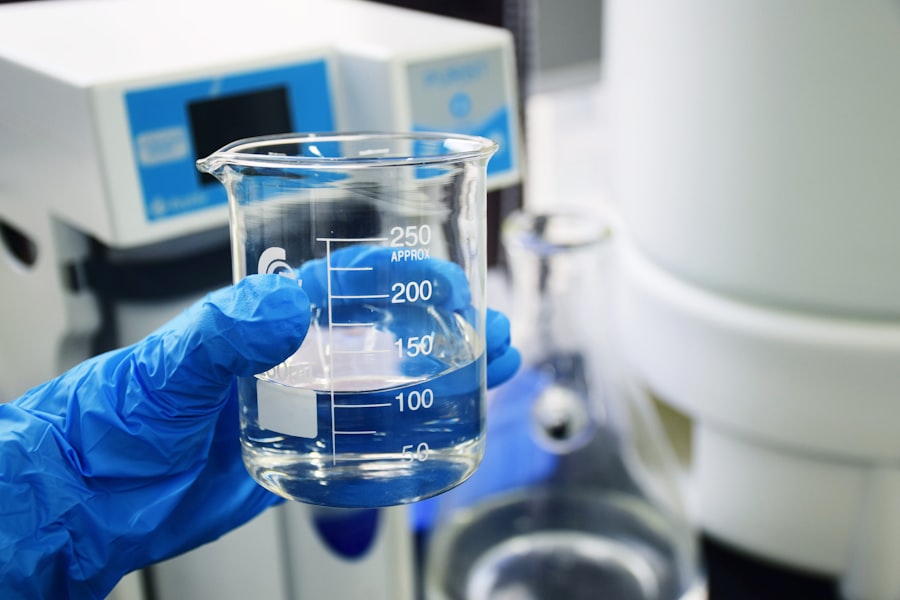
The extreme conditions of the abyss are not just a challenge for life; they are also a crucible for chemistry. Unique geological features and the biological processes of abyssal organisms give rise to chemical environments unlike any other on Earth, driving novel reactions and forming the basis of entire ecosystems.
Hydrothermal Vents: Oases of Chemical Energy
Hydrothermal vents, often found along mid-ocean ridges, are fissures in the seafloor that spew superheated, mineral-rich water into the frigid ocean. These vents are extraordinary ecosystems, teeming with life that thrives on chemical energy rather than sunlight. The hot, chemically charged fluids emanating from the vents are rich in compounds like hydrogen sulfide, methane, and iron, which are toxic to most life forms.
Chemosynthesis: Life Powered by Chemicals
At hydrothermal vents, the foundation of the food web is chemosynthesis, a process where microorganisms convert chemical energy into organic matter. Bacteria and archaea utilize compounds like hydrogen sulfide as an energy source, forming the base of the food chain for a diverse community of vent animals, including giant tube worms, mussels, and crabs. This process bypasses photosynthesis entirely, demonstrating an alternative pathway for life’s origin and sustenance.
The Role of Sulfide and Methane
Hydrogen sulfide (H₂S) is a key molecule in chemosynthetic processes at hydrothermal vents. Microbes oxidize sulfide to gain energy, and this forms the basis of their metabolism. Methane (CH₄) is another important energy source, utilized by methanotrophic bacteria. The constant flux of these reduced chemical compounds from the Earth’s interior creates localized pockets of high chemical energy, fueling these unique ecosystems. The chemistry here is directly linked to the planet’s internal geological activity.
Cold Seeps: Methane and the Deep Biosphere
Similar to hydrothermal vents, cold seeps are areas where fluids rich in hydrocarbons, primarily methane and other hydrocarbons, seep out of the seafloor. Unlike vents, the fluids are not significantly heated. These seeps also support chemosynthetic communities, though often with different species than those found at hot vents.
Microbial Mats and Dense Communities
Cold seeps are characterized by extensive microbial mats, formed by dense populations of chemosynthetic bacteria and archaea. These mats can support surprisingly dense communities of larger organisms, including mussels, clams, and specialized worms that graze on the microbes or host symbiotic chemosynthetic bacteria within their tissues. The stable, continuous supply of methane provides a reliable energy source for these communities.
The Impact of Hydrocarbon Fluid Chemistry
The chemical composition of the seeping fluids dictates the types of chemosynthetic communities that can thrive. The availability of methane and other hydrocarbons, along with the presence of electron acceptors like sulfate, are crucial for the microbial metabolism. Variations in the seep fluid chemistry can lead to distinct communities of organisms, showcasing the intricate relationship between geochemistry and biology.
The Chemistry of Bioluminescence: Nature’s Light Show
The chemical reactions that produce bioluminescence are a fascinating aspect of deep-sea chemistry. While the specific molecules and pathways vary between species, they generally involve the oxidation of a light-emitting molecule called a luciferin, catalyzed by an enzyme called a luciferase.
Luciferin-Luciferase Systems
The luciferin-luciferase system is the biochemical engine behind most bioluminescence. Luciferin is the substrate that emits light when oxidized, and luciferase is the enzyme that facilitates this oxidation. The energy released during this reaction is channeled into producing photons of light. Different luciferin and luciferase variants produce light of different colors, from blue and green to yellow and red, depending on the specific molecular structure.
The Diversity of Bioluminescent Chemistry
The diversity of bioluminescent chemistry in the abyss is remarkable. Some organisms produce their own luciferin, while others obtain it from their diet or through symbiotic relationships with bacteria. The evolutionary pressures of the deep sea have driven the development of a wide array of bioluminescent systems, each adapted to a specific ecological niche and function. Understanding these chemical pathways can provide insights into enzyme function, energy transfer, and the potential for novel applications in medicine and technology.
Unlocking the Secrets: Research and Exploration of the Abyss

Exploring the abyss is a technologically demanding endeavor, requiring specialized equipment and innovative approaches. Scientists are constantly pushing the boundaries of what is possible to unveil the mysteries of this vast and largely unexplored frontier.
Submersibles and ROVs: Eyes and Hands in the Deep
To observe and sample the abyssal environment, researchers rely on advanced technologies like human-occupied submersibles and remotely operated vehicles (ROVs). Submersibles allow scientists to directly experience the deep sea, providing an unparalleled perspective. ROVs, tethered to a surface ship, can operate for extended periods, equipped with cameras, manipulators, and sampling tools.
The Role of Deep-Sea Exploration Vessels
Dedicated research vessels equipped with advanced sonar, winches, and laboratories are essential for abyssal exploration. These vessels serve as floating bases of operation, supporting the deployment and recovery of submersibles and ROVs, and providing the infrastructure for processing samples and analyzing data. The engineering feats required to operate in such extreme conditions are considerable.
Sampling and Observation Techniques
Collecting samples from the abyss presents unique challenges. Specialized tools are needed to collect water, sediment, and biological specimens without damaging them or altering their chemical composition. High-definition cameras and video recorders capture the behavior of abyssal organisms and the intricate details of their habitats. Acoustic sensors and chemical sensors provide valuable data on the physical and chemical properties of the deep-sea environment.
The Importance of Genomics and Molecular Biology
In recent decades, advancements in genomics and molecular biology have revolutionized our understanding of life in the abyss. By studying the DNA and proteins of abyssal organisms, scientists can unravel their evolutionary history, understand their adaptations at a molecular level, and identify novel biochemical pathways.
Understanding Evolutionary Adaptations
Genetic analysis allows researchers to trace the evolutionary relationships between abyssal species and their shallow-water relatives, revealing how life has adapted to extreme conditions over millions of years. By comparing the genomes of deep-sea creatures with those of surface organisms, scientists can identify genes responsible for traits like pressure tolerance, cold adaptation, and efficient nutrient utilization.
Discovering Novel Biomolecules and Enzymes
The unique chemistry of the abyss has led to the discovery of novel biomolecules and enzymes with potential applications in medicine, industry, and biotechnology. Enzymes that function at high pressure and low temperatures, for example, could be valuable in various industrial processes. The study of bioluminescent compounds also holds promise for diagnostic tools and imaging techniques.
The Future of Abyssal Research: Challenges and Opportunities
The exploration of the abyss is far from complete. Vast areas remain unexplored, and many fundamental questions about its ecosystems, biodiversity, and the limits of life remain unanswered. Continued research is crucial for understanding our planet and for identifying potential resources and solutions to global challenges.
Protecting the Deep-Sea Ecosystems
As human activities increasingly impact the oceans, understanding and protecting these fragile deep-sea ecosystems is paramount. Deep-sea mining, pollution, and climate change pose significant threats to the abyss. Scientific research provides the data needed to inform conservation efforts and sustainable management practices.
The Potential for Astrobiology
The extreme environments of the abyss have also become a focus for astrobiology, the study of life in the universe. The discovery of life thriving in the absence of sunlight and under immense pressure on Earth has important implications for the search for life on other planets and moons, such as Jupiter’s moon Europa or Saturn’s moon Enceladus, which are believed to harbor subsurface oceans. The chemistry of the abyss offers a terrestrial analogue for potential extraterrestrial life.
The abyss, with its crushing pressure, eternal darkness, and unique chemistry, continues to be a frontier of discovery. From the astonishing resilience of its inhabitants to the intricate chemical reactions that power its ecosystems, the deep sea offers a profound glimpse into the boundless possibilities of life. Each expedition, each sample, and each genetic sequence brings us closer to understanding this alien world and its vital role in the grand tapestry of our planet. The chemistry of the abyss is not just about survival; it is about innovation, adaptation, and the very essence of what it means to be alive in the most challenging of environments.

Scientists Found Oxygen Where It Should Be Impossible
FAQs
What is the abyss and how does it relate to life and chemistry?
The abyss refers to the deep ocean, specifically the depths below 2,000 meters. Life and chemistry in the abyss are of particular interest to scientists because of the extreme conditions, such as high pressure, low temperatures, and lack of sunlight, which can have unique effects on biological and chemical processes.
What are some examples of life in the abyss and how do they survive?
Life in the abyss includes various species of fish, invertebrates, and microbes. These organisms have adapted to the harsh conditions by developing special physiological and biochemical mechanisms, such as bioluminescence, pressure-resistant enzymes, and efficient energy utilization, to thrive in this environment.
How does chemistry play a role in the abyss and what are some unique chemical processes that occur there?
Chemistry in the abyss is influenced by factors such as high pressure, low temperatures, and the presence of unique minerals and compounds. Some unique chemical processes that occur in the abyss include the formation of methane hydrates, the cycling of nutrients and organic matter, and the production of specialized compounds by deep-sea organisms.
What are the potential applications of studying life and chemistry in the abyss?
Studying life and chemistry in the abyss can provide valuable insights into the adaptation of organisms to extreme environments, the discovery of novel biochemical processes and compounds, and the development of biotechnological and pharmaceutical applications. Additionally, understanding the abyss can also inform conservation efforts and the sustainable use of deep-sea resources.
What are some ongoing research efforts and future directions in the study of life and chemistry in the abyss?
Ongoing research efforts in the study of life and chemistry in the abyss include the exploration of deep-sea ecosystems, the development of advanced sampling and analytical techniques, and the investigation of the potential impacts of human activities on deep-sea environments. Future directions may involve interdisciplinary collaborations, technological innovations, and the integration of data from multiple deep-sea expeditions to further our understanding of this unique and mysterious realm.