
The rhythmic hum of the deep-sea submersible was a constant companion to Dr. Aris Thorne. For weeks, he and his team had navigated the crushing pressures and perpetual darkness of the Mariana Trench, their mission an ambitious exploration into the very limits of life. Their target: the abyssal plains, a region long considered a desolate wasteland, devoid of the oxygen necessary to sustain complex organisms. Yet, whispers of anomalies, of oxygen signatures that defied conventional understanding, had drawn Thorne and his crew to this formidable frontier. Their primary objective was to deploy an experimental artifact, a sophisticated sensor array designed to probe the ocean’s depths with unprecedented sensitivity and capture data previously unattainable. This artifact, a culmination of years of theoretical work and meticulous engineering, was their key to unlocking the secrets of a seemingly inhospitable environment.
For decades, the scientific consensus painted a stark picture of the deep ocean. Beyond the photic zone, where sunlight penetrates, oxygen levels were understood to decline steadily with increasing depth. This decline was attributed to a combination of factors: the slow diffusion of oxygen from the surface, its consumption by a vast array of marine life, and the limited mixing of oceanic waters. The abyssal plains, lying at depths exceeding 4,000 meters, were presumed to be oxygen minimum zones, characterized by dissolved oxygen concentrations too low to support anything more than the most resilient microbes. This understanding formed the bedrock of oceanographic models and shaped our perception of marine biodiversity. However, recent advancements in sensor technology and unexpected findings from reconnaissance missions began to sow seeds of doubt. Fleeting, localized spikes in dissolved oxygen, initially dismissed as sensor malfunctions or localized upwelling phenomena, started to appear in the data. These anomalies, while infrequent and difficult to pinpoint, hinted at a more complex reality than previously imagined.
The Conventional Wisdom: A Foundation of Observation
The prevailing theory of deep-sea oxygen distribution was built upon a robust foundation of observational data collected over a century. Early oceanographic expeditions, utilizing rudimentary sampling techniques, established a general trend of oxygen depletion with depth. These observations were corroborated by more sophisticated instrumentation in later years, solidifying the understanding that the vast majority of the ocean’s volume was characterized by relatively low oxygen levels. The biological pump, a crucial process where organic matter sinks from surface waters, carrying oxygen with it, was understood to be a primary driver of this depletion. As organic material decomposed, it consumed oxygen, creating oxygen minimum zones. Furthermore, the thermohaline circulation, the global oceanic conveyor belt, was known to be slow in its abyssal currents, limiting the replenishment of oxygen from oxygen-rich surface waters.
Whispers of Anomaly: Early Indications of Discrepancy
Despite the strong theoretical framework, a growing body of anecdotal evidence began to challenge the established order. Researchers operating advanced deep-sea instruments at various locations reported transient, yet significant, readings of higher dissolved oxygen than expected. These “blips” were often dismissed as artifacts of data acquisition, instrument calibration errors, or localized upwelling events that brought slightly more oxygenated water from shallower depths. However, the persistence and, in some cases, the geographical clustering of these anomalous readings across different expeditions and research groups suggested a pattern that could no longer be ignored. These early indications, though fragmented and lacking definitive proof, ignited a spark of curiosity and spurred the development of more robust methodologies to investigate this potential oxygen paradox.
Recent studies on deep-sea oxygen levels have revealed intriguing insights into the effects of climate change on marine ecosystems. An article discussing the implications of experimental artifacts in deep-sea oxygen research can be found at Freaky Science. This piece highlights the importance of accurate measurements and the potential biases introduced by experimental conditions, shedding light on how these factors can influence our understanding of ocean health and biodiversity.
The Experimental Artifact: A Sentinel in the Abyss
The ‘Uncovering Deep Sea Oxygen: Experimental Artifact,’ or UDSO-EA as it was internally codenamed, was not merely a sensor; it was a meticulously designed ecosystem of instruments, each engineered to overcome the extreme challenges of the deep sea. Its primary component was a suite of hypersensitive dissolved oxygen sensors, capable of detecting minute variations in oxygen concentration with unparalleled accuracy. These sensors were coupled with advanced chemical analyzers to identify potential sources of oxygen production or consumption, and sophisticated acoustic monitors to map the surrounding environment and detect any biological activity. The artifact’s power source was a novel, long-duration fuel cell designed to withstand immense pressure, ensuring continuous operation for the duration of the mission. Its deployment mechanism allowed for controlled descent and precise positioning, ensuring that it could be placed in areas identified as potentially anomalous.
Hypersensitive Oxygen Detection: Pushing the Boundaries of Measurement
At the heart of the UDSO-EA lay its suite of dissolved oxygen sensors. Traditional sensors, while adequate for shallower waters, struggled with the low concentrations and extreme pressures of the abyssal zone. Thorne’s team collaborated with leading material scientists and electrical engineers to develop sensors utilizing novel electrochemical principles and advanced semiconductor materials. These sensors were designed to operate with minimal drift, high linearity, and an extraordinary signal-to-noise ratio. They were also equipped with self-cleaning mechanisms to prevent fouling by marine growth, a common issue in prolonged deep-sea deployments. The goal was to capture not just the general oxygen level, but also the subtle fluctuations that might indicate localized oxygen production or localized pockets of oxygenated water.
Environmental Contextualization: Beyond Simple Readings
Understanding dissolved oxygen levels in isolation was insufficient. The UDSO-EA was therefore equipped with a comprehensive suite of environmental sensors. These included high-resolution conductivity, temperature, and depth (CTD) sensors to precisely map the physical properties of the water column. Pressure sensors were crucial not only for the artifact’s integrity but also for understanding the hydrostatic effects on oxygen solubility. Additionally, acoustic transponders and sonar systems were integrated to provide a detailed three-dimensional map of the surrounding seafloor and water column, allowing researchers to correlate oxygen readings with geological features and any detected biological aggregations. Spectrometers were also included to analyze the chemical composition of the water, searching for potential biomarkers or signatures of unusual chemical processes.
Data Acquisition and Transmission: A Lifeline to the Surface
The sheer volume of data generated by the UDSO-EA necessitated a robust data acquisition and transmission system. Onboard solid-state memory, capable of storing terabytes of information, was essential for periods of communication blackout. For real-time monitoring and immediate analysis, the artifact employed a sophisticated acoustic modem system. This system utilized a complex array of modulated sound waves to transmit data through the water column to a surface vessel. The signal processing algorithms were specifically designed to overcome the challenges of signal attenuation, multipath interference, and ambient noise inherent in deep-sea communication. Redundant data transmission protocols ensured the integrity and reliability of the information reaching the research vessel.
The Deployment: A Risky Descent into the Unknown
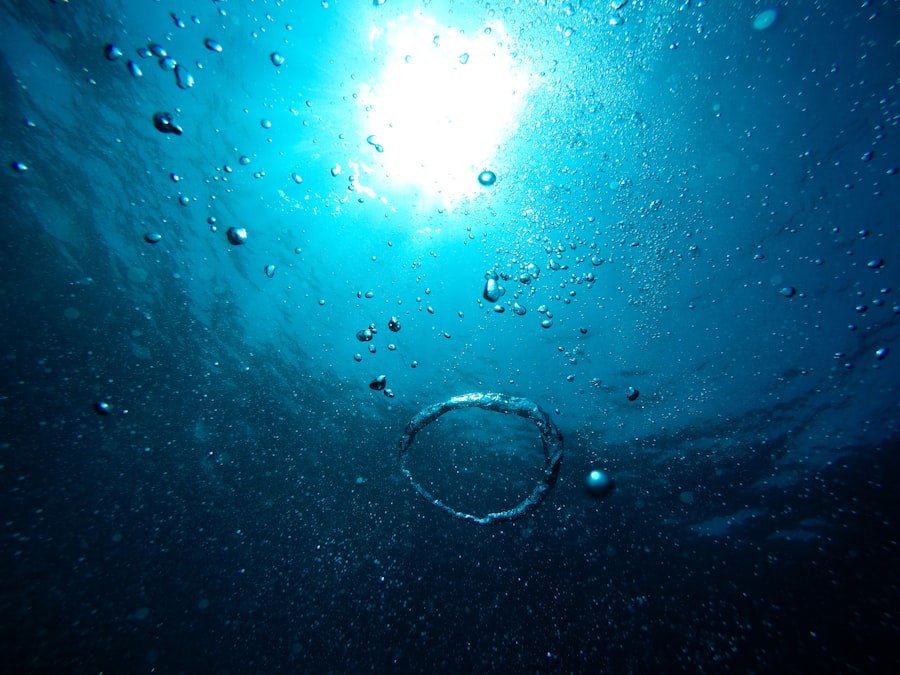
The journey of the UDSO-EA to its operational depth was a testament to human ingenuity and the dedication of the research team. The submersible, a marvel of engineering itself, carried the artifact to the designated abyssal plain. The deployment process was meticulous, requiring precise navigation and careful maneuvering to avoid any damage to the delicate instrumentation. The descent was slow, each meter of depth bringing new challenges and increasing the pressure on the submersible and its precious cargo. The team monitored every parameter, their anticipation building with every kilometer conquered. The moment of release was a quiet triumph, the artifact gently detached and began its independent journey into the crushing darkness.
Navigating the Abyssal Plains: Challenges of Pressure and Darkness
The abyssal plains, while seemingly flat, present a formidable navigational challenge. The lack of visual cues and the extreme hydrostatic pressure make precise maneuvering difficult. The submersible’s advanced sonar systems and inertial navigation were critical in guiding the vehicle through this featureless expanse. The perpetual darkness, broken only by the submersible’s powerful lights, created an alien landscape, demanding constant vigilance from the pilot and the science team. The psychological toll of operating in such an extreme environment cannot be overstated, yet the pursuit of knowledge propelled them forward.
Precision Placement: Targeting the Anomalous Zones
The selection of the deployment site was based on sophisticated predictive modeling and analysis of previous, albeit limited, deep-sea oxygen data. Thorne’s team had identified specific regions where the anomalous oxygen signatures had been most frequently, though intermittently, detected. The UDSO-EA was designed to be carefully positioned within these target zones, ensuring that any future readings would be directly attributable to the conditions in these particular areas, rather than being influenced by general oceanographic currents. The artifact was deployed with a slight negative buoyancy, allowing it to settle gently onto the seafloor, its sensors oriented to capture the surrounding water column.
The Moment of Release: A Leap of Faith
The actual release of the UDSO-EA from the submersible was a moment of profound significance. After weeks of preparation and a perilous journey, the artifact was entrusted to the deep ocean. The umbilical tether was disconnected, and the submersible ascended slowly, leaving the artifact to begin its solitary vigil. The team watched on their monitors, a mixture of anxiety and exhilaration coursing through them. The success of the entire mission hinged on the artifact’s ability to withstand the immense pressure and to reliably transmit the data that held the key to their scientific pursuit.
Unforeseen Findings: Oxygen Where None Was Expected
The initial data streamed back from the UDSO-EA were met with a mixture of disbelief and profound excitement. The artifact was functioning flawlessly, its sensors recording oxygen concentrations that defied all prevailing theories. Instead of the expected near-zero readings, the UDSO-EA began to register significant, albeit localized, pockets of dissolved oxygen. These readings were not fleeting anomalies but appeared to be persistent features within specific microhabitats on the abyssal plain. The implications were staggering, suggesting a previously unknown mechanism for oxygen generation or retention in one of the planet’s most seemingly oxygen-limited environments.
Localized Oxygen Pockets: A Phenomenon Beyond Prediction
The most startling discovery was the presence of discrete pockets of water with demonstrably higher dissolved oxygen levels than the surrounding abyssal water. These pockets were not uniformly distributed but appeared to be concentrated in specific geological formations, such as hydrothermal vent peripheries and around deep-sea canyons. The oxygen concentrations within these pockets were, in some instances, comparable to those found in much shallower oceanic waters. This phenomenon directly contradicted the established understanding that oxygen is uniformly depleted with depth in the abyss. The UDSO-EA’s detailed mapping capabilities allowed Thorne’s team to correlate these oxygen-rich zones with specific geological features.
Chemical Signatures: Clues to the Oxygen Source
Accompanying the elevated oxygen readings were subtle but distinct chemical signatures. Analysis of the water samples collected by the UDSO-EA revealed the presence of specific dissolved gases and trace elements that hinted at active geochemical processes occurring within these oxygen-rich pockets. While the exact mechanisms were still under investigation, preliminary findings suggested the possibility of localized chemosynthesis, where certain microbes might be utilizing chemical compounds to produce oxygen, or perhaps a novel form of oxygen dissociation from dissolved minerals. The presence of specific sulfur compounds and methane was particularly noteworthy, suggesting a link to deep-sea geological activity.
Biological Correlations: Life in Unexpected Places
Perhaps the most profound aspect of the discovery was the observation of surprisingly complex biological communities thriving within these oxygenated pockets. Instead of the sparse, microbial life expected in the deep abyss, Thorne’s team detected the presence of small crustaceans, specialized amphipods, and even sessile filter feeders. These organisms were clearly adapted to utilize the higher oxygen concentrations, a stark contrast to the expected anaerobic or microaerobic life forms of the abyssal plains. This suggested that the availability of oxygen, even in these localized pockets, could support a more diverse and complex food web than previously imagined. The UDSO-EA’s acoustic monitoring also picked up subtle biological sounds, indicating activity within these previously thought barren zones.
Recent studies on deep sea oxygen levels have revealed intriguing insights into the effects of climate change on marine ecosystems. For a deeper understanding of the experimental artifacts associated with these findings, you can explore a related article that discusses the methodologies and implications of such research. This article provides valuable context and highlights the importance of accurate measurements in understanding deep sea environments. To read more, check out this informative piece on Freaky Science.
Implications and Future Research: Redefining Our Understanding of the Deep
| Depth (m) | Oxygen Level (mg/L) | Temperature (°C) |
|---|---|---|
| 0-200 | 5.8-6.2 | 2-4 |
| 200-500 | 4.5-5.0 | 1-3 |
| 500-1000 | 3.2-3.8 | 0-2 |
The findings from the UDSO-EA represent a paradigm shift in our understanding of deep-sea ecosystems. The existence of significant, persistent oxygen sources in the abyssal plains opens up a wealth of new research avenues and challenges long-held assumptions about the limits of life on Earth. This discovery has far-reaching implications for fields ranging from astrobiology to climate science, prompting a reevaluation of how we search for life beyond our planet and how we model the Earth’s oceanic carbon cycle. The experimental artifact, though its primary mission was observational, has become the catalyst for a scientific revolution.
Rethinking Oceanic Circulation Models: The Missing Oxygen Link
The presence of localized oxygen-rich zones in the deep ocean necessitates a reevaluation of current oceanic circulation models. If oxygen is being generated or retained in these abyssal regions, it implies that the slow diffusion and consumption model is incomplete. Thorne’s team suspects that previously uncharacterized or underestimated deep-sea currents, or perhaps specific geological features that act as oxygen traps, might be playing a more significant role in oxygen distribution than currently understood. Future research will focus on mapping these oxygen anomalies more extensively and investigating the dynamics of water movement within these regions. The data from the UDSO-EA will be crucial for calibrating and refining these models.
The Search for Extraterrestrial Life: New Avenues for Exploration
The discovery of life thriving in an environment previously considered uninhabitable due to oxygen scarcity has profound implications for the search for extraterrestrial life. Many celestial bodies within our solar system, such as the moons of Jupiter and Saturn, are believed to harbor subsurface oceans that are dark and may have limited oxygen. The UDSO-EA’s findings suggest that life could potentially exist in such environments, even with very low overall oxygen levels, provided that localized oxygen sources, similar to those discovered on Earth, are present. This discovery provides new targets and strategies for future astrobiological missions, broadening the scope of where we look for life beyond Earth.
Investigating Novel Biological Pathways: Adaptations to Extreme Environments
The unique organisms found within the oxygenated pockets represent a treasure trove for biological research. Their adaptations to survival and thriving in an environment that is otherwise hostile to complex life offer invaluable insights into the resilience and diversity of biological systems. Understanding the biochemical pathways these organisms utilize to access and utilize oxygen, and how they have evolved in isolation, could lead to breakthroughs in fields such as biotechnology and medicine. Future research will involve the careful collection and study of these organisms, utilizing advanced genomic and proteomic techniques. The UDSO-EA’s ability to pinpoint these rare habitats is crucial for such endeavors.
The Legacy of the Artifact: A Glimpse into a Hidden World
The UDSO-EA, though an inanimate object, has become a pivotal figure in marine science. Its successful deployment and the groundbreaking data it has returned have irrevocably altered our perception of the deep ocean. It stands as a testament to human curiosity, scientific rigor, and the persistent drive to explore the unknown. The artifact’s journey into the abyssal depths has not only unveiled a hidden world but has also laid the foundation for a new era of deep-sea exploration, one that promises to reveal even more of the ocean’s profound secrets. The legacy of this experimental artifact will continue to inspire generations of scientists to push the boundaries of what we believe is possible.
From Experimental Design to Scientific Revolution: A Testament to Innovation
The journey of the UDSO-EA from a conceptual design to a revolutionary scientific instrument is a remarkable story of innovation. The challenges of the deep sea demanded novel solutions, pushing the limits of engineering and material science. The collaborative effort, spanning multiple disciplines, was essential to its success. The artifact’s ability to function reliably under immense pressure and to transmit invaluable data has cemented its place in scientific history. It serves as a powerful example of how dedicated research and development can unlock profound secrets about our planet and beyond.
Inspiring Future Explorations: A New Era of Deep-Sea Research
The discoveries made by the UDSO-EA have ignited a renewed interest in deep-sea exploration. Funding for new expeditions and the development of even more advanced technologies are likely to follow. Thorne’s team is already planning for follow-up missions, aiming to map these oxygen-rich zones more extensively and to conduct detailed biological and geological studies. The artifact has not only provided answers but has also generated a multitude of new questions, propelling the field of oceanography into an exciting and transformative period. The deep sea, once thought to be largely understood, is now revealed to be a frontier teeming with undiscovered phenomena.
A Symbol of Human Endeavor: Reaching the Unreachable
The UDSO-EA’s success is a powerful symbol of human endeavor and our innate drive to explore the unknown. The challenges of reaching and operating in the deepest parts of our oceans are immense, requiring immense courage, technical prowess, and unwavering dedication. The artifact’s silent vigil in the crushing darkness of the Mariana Trench represents a triumph of human ingenuity over the most extreme environments our planet has to offer. It is a reminder that even in the most seemingly desolate places, there are wonders waiting to be discovered.

Scientists Found Oxygen Where It Should Be Impossible
FAQs
What is the experimental artifact deep sea oxygen?
The experimental artifact deep sea oxygen refers to the potential for oxygen levels to be altered during the process of collecting and analyzing deep sea samples, leading to inaccurate measurements and conclusions.
How does the experimental artifact deep sea oxygen occur?
The experimental artifact deep sea oxygen can occur through a variety of mechanisms, including contamination of samples with surface oxygen, changes in pressure during sample collection, and chemical reactions between the sample and the surrounding environment.
What are the implications of the experimental artifact deep sea oxygen?
The implications of the experimental artifact deep sea oxygen are significant, as it can lead to erroneous conclusions about the oxygen levels in deep sea environments, which in turn can impact our understanding of oceanic processes and the potential effects of climate change.
How do scientists account for the experimental artifact deep sea oxygen?
Scientists account for the experimental artifact deep sea oxygen by employing rigorous sampling and analysis techniques, including using specialized equipment to collect samples at the appropriate pressure, conducting thorough quality control measures, and comparing results with other independent measurements.
What are the ongoing research efforts to address the experimental artifact deep sea oxygen?
Ongoing research efforts to address the experimental artifact deep sea oxygen include developing new sampling and analysis techniques, conducting field studies to better understand the factors influencing oxygen levels in deep sea environments, and collaborating with experts in related fields to improve our understanding of potential artifacts.