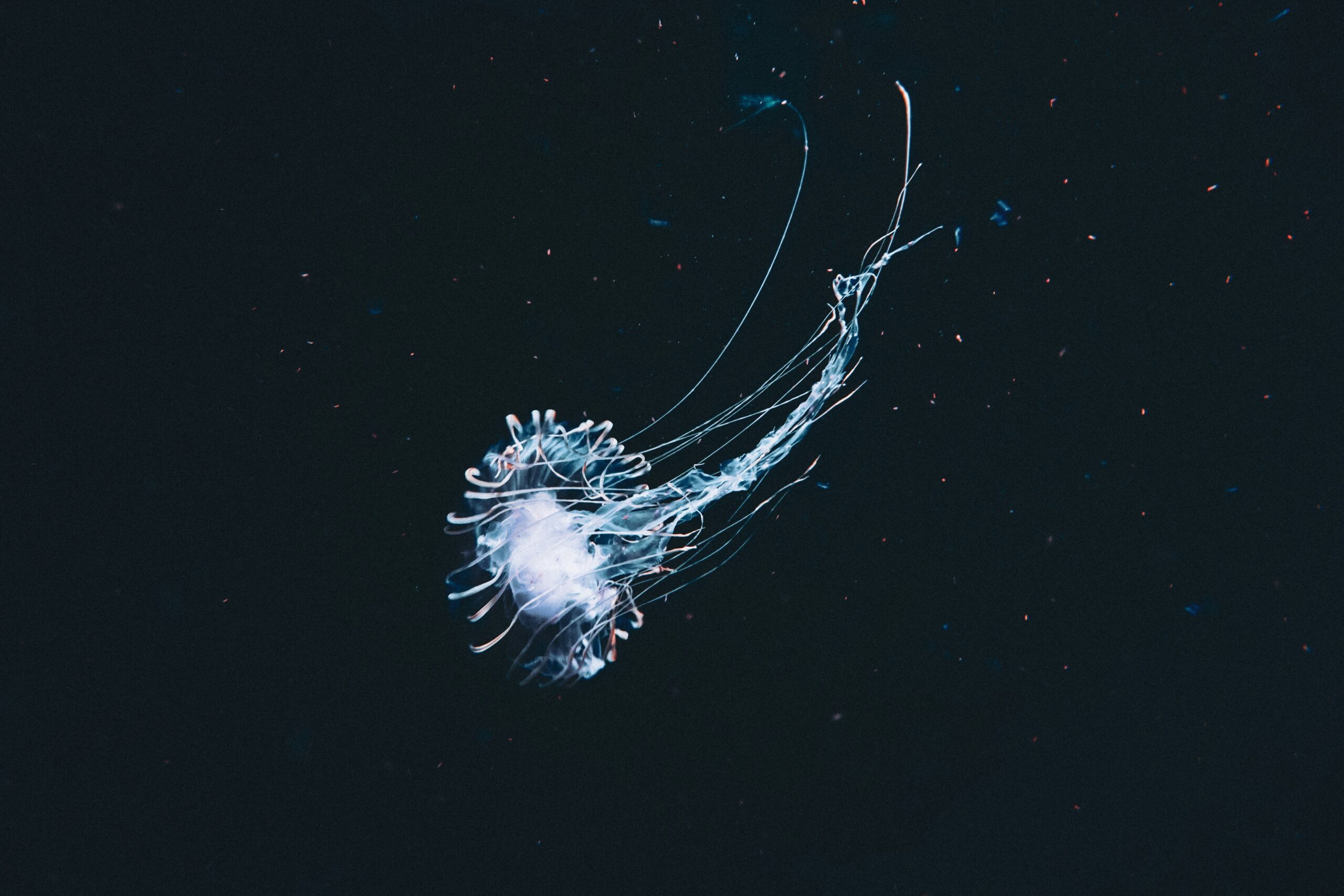
The vast, inky expanse of the ocean’s deep sea remains one of Earth’s last great frontiers, a realm shrouded in mystery and brimming with the potential for astonishing discoveries. For centuries, humanity’s gaze has been largely fixed upon the stars, yet the very planet we inhabit harbors an alien world beneath the waves, a realm of crushing pressures, perpetual darkness, and life forms that defy imagination. Recent advancements in submersible technology and autonomous exploration vehicles have allowed scientists to peer further into these abyssal trenches and volcanic vents, unearthing secrets that are not only reshaping our understanding of biology but also offering clues about the origins of life and the planet’s geological processes. The ongoing exploration of the deep sea is a testament to human curiosity and our persistent drive to unravel the unknown, revealing a vibrant, albeit alien, ecosystem that thrives in conditions that would be utterly lethal to most terrestrial life.
The deep sea, generally defined as oceanic waters below 200 meters, is a challenging environment for exploration. The immense hydrostatic pressure, the absence of sunlight, and the frigid temperatures present significant obstacles. However, a new generation of sophisticated technologies is revolutionizing our ability to access and study these depths. These innovations are not merely incremental improvements; they represent a paradigm shift in deep-sea research, enabling scientists to venture further, stay longer, and collect more comprehensive data than ever before. The successful exploration of these previously inaccessible zones is crucial for a holistic understanding of our planet and its intricate biological and geological systems.
The Rise of Advanced Submersibles
Human-occupied vehicles (HOVs) have long been the workhorses of deep-sea exploration, but they are now reaching unprecedented depths and capabilities. Modern submersibles are equipped with advanced life support systems, high-definition cameras, powerful lighting arrays, and dexterous robotic arms capable of manipulating delicate samples. These vessels allow for direct observation and interaction with deep-sea environments, offering a unique perspective that automated systems cannot fully replicate. The ability of humans to make real-time decisions and adapt to unexpected findings is invaluable in the unpredictable deep-sea setting.
Innovations in Pressure Resistance and Navigation
The design of submersibles has undergone significant evolution to withstand the immense pressures of the abyss. Advanced materials, such as titanium alloys and specialized ceramics, are employed to construct pressure hulls that can endure pressures thousands of times greater than those at the surface. Furthermore, sophisticated navigation systems, including inertial navigation, Doppler velocity logs, and acoustic positioning systems, are essential for precise maneuvering in the featureless and dark deep-sea environment. These technologies ensure that researchers can confidently explore targeted areas and return safely to the surface.
The Dominance of Unmanned Vehicles
While human-occupied submersibles offer unparalleled insight, unmanned vehicles, particularly remotely operated vehicles (ROVs) and autonomous underwater vehicles (AUVs), are becoming increasingly vital for deep-sea exploration. ROVs, tethered to a surface vessel, provide real-time video feeds and allow for direct control of manipulators and sampling equipment. AUVs, on the other hand, are programmed to execute pre-defined missions autonomously, collecting vast amounts of data on physical, chemical, and biological parameters without constant human intervention. Their ability to operate for extended periods and in areas too dangerous for manned missions makes them indispensable tools.
Autonomous Exploration and Data Collection
AUVs are equipped with an array of sensors, including sonar, cameras, conductivity-temperature-depth (CTD) sensors, and chemical analyzers. Their pre-programmed missions can cover vast swathes of the seafloor, mapping topography, measuring water properties, and identifying areas of biological interest. The data collected by AUVs is then analyzed to identify patterns, anomalies, and potential sites for further investigation. This autonomous approach is crucial for efficiently surveying large and remote deep-sea regions.
Sampling and Analysis: Bringing the Abyss to the Lab
The ability to collect samples from the deep sea is paramount for detailed scientific study. Specialized sampling tools, deployed from submersibles and ROVs, can collect geological specimens, water samples, and biological specimens. Once brought to the surface, these samples undergo rigorous analysis in state-of-the-art laboratories. This includes genetic sequencing, chemical analysis, and microscopic examination to understand the unique adaptations of deep-sea organisms and the geological processes at play.
Genetic Sequencing and the Tree of Life
The genetic makeup of deep-sea organisms often reveals surprising evolutionary pathways and adaptations. DNA sequencing is a powerful tool for understanding the relationships between different species, their evolutionary history, and how they have adapted to extreme conditions. These analyses are constantly expanding our understanding of the tree of life, revealing novel lineages and challenging existing taxonomic classifications.
Recent advancements in deep sea exploration have led to groundbreaking discoveries that challenge our understanding of marine ecosystems. A fascinating article discussing these developments can be found at Freaky Science, where researchers reveal new species and unique geological formations that thrive in the depths of the ocean. This research not only highlights the importance of deep sea habitats but also emphasizes the need for conservation efforts as human activities increasingly threaten these fragile environments.
The Unveiling of New Life Forms: Biodiversity in the Extreme
The deep sea is a treasure trove of biodiversity, with countless species yet to be discovered. These organisms have evolved remarkable adaptations to survive in a world of crushing pressure, eternal darkness, and limited food resources. Recent expeditions have yielded a steady stream of new species, each offering a unique glimpse into the resilience and ingenuity of life. The identification and study of these novel creatures are not just about cataloging biodiversity; they provide insights into the fundamental processes of life and evolution.
Hydrothermal Vent Ecosystems: Oases of Life
Hydrothermal vents, fissures in the seafloor that spew superheated, mineral-rich water, are among the most dynamic and biologically productive environments in the deep sea. Here, life thrives in the absence of sunlight, powered by chemosynthesis, a process where microorganisms utilize chemical energy from the vent fluids to produce organic matter. These vents support a unique community of specialized organisms, many of which are found nowhere else on Earth.
Vent Fauna: Giants and Extremophiles
Recent explorations of hydrothermal vents have revealed astonishing new species, including giant tube worms with vibrant red plumes, bizarre-looking mollusks, and an array of unique crustaceans and fish. These creatures have developed specialized symbiotic relationships with chemosynthetic bacteria, allowing them to thrive in this otherwise inhospitable environment. The study of these extremophiles offers clues about the potential for life on other planets and the early origins of life on Earth.
Seamounts: Islands in the Deep
Seamounts, underwater mountains that rise from the seafloor, are biodiversity hotspots in the deep ocean. Their complex topography creates a variety of habitats, attracting diverse marine life, from corals and sponges to fish and cephalopods. These isolated underwater ecosystems often harbor endemic species, meaning they are found only in that specific location.
Deep-Sea Corals and the Importance of Habitat
Deep-sea corals, in particular, are remarkable organisms that form intricate structures providing essential habitat for a multitude of other species. Recent studies have highlighted the vulnerability of these coral reefs to human activities, such as deep-sea trawling, underscoring the importance of protecting these fragile ecosystems. Discoveries of new coral species and their associated fauna are crucial for understanding the health and functioning of these deep-sea habitats.
The Mariana Trench and Beyond: Exploring the Ultimate Depths
The Mariana Trench, the deepest known part of the Earth’s oceans, represents the ultimate frontier of deep-sea exploration. Despite the extreme conditions, life has been found to exist even in these crushing depths. Expeditions to the trench have revealed unique and resilient organisms, adapted to pressures that would instantly obliterate most life forms.
Adaptations to Extreme Pressure and Cold
Organisms found in the deepest parts of the ocean exhibit remarkable physiological and biochemical adaptations to survive extreme pressure and near-freezing temperatures. These adaptations include the presence of piezolytes, molecules that stabilize proteins under pressure, and specialized enzymes that function efficiently in cold environments. Studying these adaptations can have implications for biotechnology and medicine.
Unraveling Geological Mysteries: The Earth’s Dynamic Underbelly

The deep sea is not just a realm of biological wonders; it is also a critical window into the Earth’s geological processes. The seafloor is a dynamic landscape, shaped by plate tectonics, volcanic activity, and hydrothermal circulation. Recent explorations are providing unprecedented insights into these processes, helping scientists understand the planet’s internal structure and its role in global systems.
Mid-Ocean Ridges: The Birthplace of New Crust
Mid-ocean ridges are vast underwater mountain ranges where new oceanic crust is continuously being formed as tectonic plates diverge. These areas are characterized by intense volcanic activity and the presence of hydrothermal vents. Studying these regions allows scientists to observe the fundamental processes of plate tectonics and the creation of new seafloor.
Volcanic Activity and Seafloor Spreading
Explorations of mid-ocean ridges have provided detailed observations of volcanic eruptions, lava flows, and the formation of new seafloor. These studies help refine models of plate tectonics and understand the exchange of heat and chemicals between the Earth’s interior and the ocean. The sheer scale of these geological processes is awe-inspiring.
Subduction Zones: The Recycling of Oceanic Crust
Subduction zones are areas where one tectonic plate slides beneath another, leading to the recycling of oceanic crust back into the Earth’s mantle. These zones are associated with deep ocean trenches and are responsible for many of the world’s earthquakes and volcanic arcs. Understanding these processes is crucial for seismic hazard assessment and understanding the Earth’s long-term geological evolution.
The Role of Deep-Sea Sediments
Deep-sea sediments, accumulated over millions of years, hold a wealth of information about past oceanographic conditions, climate change, and geological events. Coring expeditions into these sediments provide valuable archives, allowing scientists to reconstruct Earth’s history and understand long-term environmental trends.
Submarine Volcanoes and Their Impact
The deep sea is home to a significant number of submarine volcanoes, which play a crucial role in shaping the seafloor and influencing ocean chemistry. Eruptions from these volcanoes can create new islands, release vast amounts of heat and gases into the ocean, and provide habitats for specialized life forms. Understanding their activity is important for monitoring geological hazards and studying oceanographic processes.
Studying Volcanic Plumes and Their Chemistry
The analysis of volcanic plumes rising from submarine volcanoes provides insights into the composition of the Earth’s mantle and the chemical processes occurring beneath the seafloor. These plumes can also influence oceanographic conditions and support unique microbial communities.
The Deep Sea as a Reservoir of Biochemical Secrets
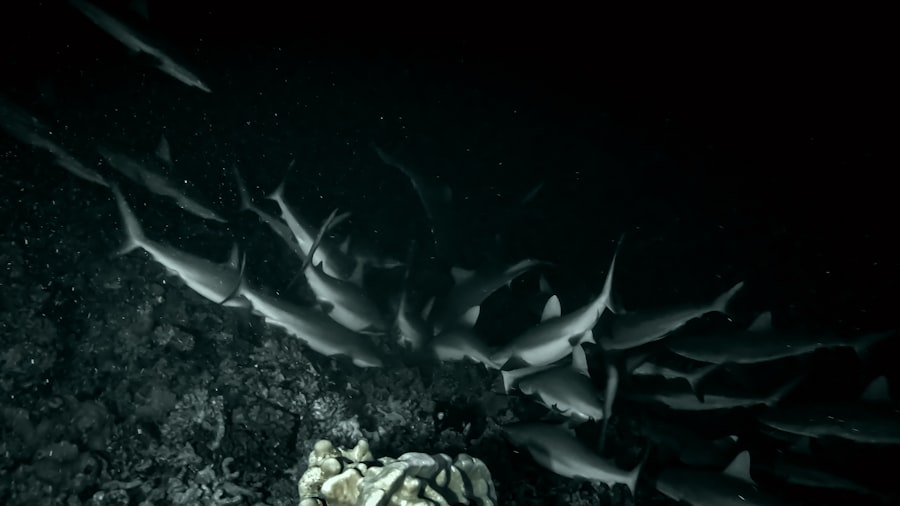
Beyond its biological and geological significance, the deep sea is also a vast repository of novel biochemical compounds with immense potential for pharmaceutical and industrial applications. Organisms that have evolved in extreme environments often possess unique enzymes, peptides, and other molecules that have evolved to cope with their harsh surroundings. These compounds can have incredible properties, such as resistance to extreme temperatures, pressures, or pH levels.
Marine Microbes: A Source of New Drugs
Microorganisms living in the deep sea, particularly those associated with hydrothermal vents and deep-sea sediments, are proving to be a rich source of novel bioactive compounds. These microbes have developed unique metabolic pathways and defense mechanisms, leading to the production of antibiotics, anti-cancer agents, and other potentially valuable pharmaceuticals.
Extremophiles and Their Industrial Applications
The enzymes produced by extremophilic microorganisms are of particular interest for industrial applications. These enzymes can function under conditions that would denature most conventional enzymes, making them ideal for use in processes such as bioremediation, food processing, and the production of biofuels. The exploration of these organisms is leading to innovative solutions for various industries.
Marine Sponges and Their Medicinal Properties
Marine sponges, sessile filter feeders found in various deep-sea environments, have long been recognized for their potential as a source of medicinal compounds. Many sponge species produce complex organic molecules that have shown promising anti-cancer, anti-viral, and anti-inflammatory properties. Recent discoveries continue to highlight the pharmaceutical potential of these seemingly simple organisms.
The Search for Novel Bioactive Compounds
Ongoing research focuses on isolating and characterizing new bioactive compounds from deep-sea organisms. This involves sophisticated screening techniques and the development of methods for sustainable harvesting or synthesis of these valuable molecules, ensuring that we can benefit from nature’s innovations without depleting fragile ecosystems.
Recent advancements in deep sea exploration have unveiled astonishing discoveries that challenge our understanding of marine ecosystems. A fascinating article on this topic can be found at Freaky Science, where researchers discuss the implications of these findings on biodiversity and climate change. As scientists delve deeper into the ocean’s depths, they are uncovering unique species and geological formations that could hold the key to future innovations.
The Future of Deep-Sea Exploration: Challenges and Opportunities
| Discovery | Location | Depth | Species Found |
|---|---|---|---|
| Hydrothermal Vent Field | Mid-Atlantic Ridge | 3,000 meters | New species of tube worms, shrimp, and bacteria |
| Underwater Volcano | Pacific Ocean | 4,000 meters | New species of deep-sea fish and microbes |
The deep sea continues to hold a vast number of unanswered questions, and the future of its exploration is both exciting and challenging. As technology advances, our ability to explore these depths will only increase, leading to more profound discoveries about our planet and the life it sustains. However, increased exploration also brings increased responsibility to ensure that these activities are conducted sustainably and ethically.
Conservation and Sustainable Exploration
As we learn more about the deep sea, the importance of its conservation becomes increasingly apparent. Many deep-sea ecosystems are fragile and slow to recover from disturbance. Therefore, future exploration must prioritize minimizing human impact and protecting these unique environments from potential harm, such as pollution and unsustainable resource extraction.
Protecting Vulnerable Ecosystems
The identification and protection of vulnerable deep-sea ecosystems, such as deep-sea coral reefs and hydrothermal vent communities, are critical. Establishing marine protected areas and implementing regulations to prevent destructive practices are essential steps in ensuring the long-term health of the deep ocean.
The Quest for Astrobiological Clues
The extreme environments of the deep sea, particularly hydrothermal vents, are considered analogues for conditions on other planets and moons where life might exist. Studying the origins and evolution of life in these deep-sea settings can provide valuable insights into the potential for extraterrestrial life and guide future astrobiological research.
Deep Sea as a Model for Extraterrestrial Life
The discovery of life thriving in the absence of sunlight, powered by chemosynthesis, has profound implications for astrobiology. It suggests that life may not be limited to environments with sunlight and could potentially exist in subsurface oceans or on other celestial bodies with similar energy sources.
International Collaboration and Data Sharing
The vastness and complexity of the deep sea necessitate international collaboration and open data sharing among researchers. By pooling resources, expertise, and data, scientists can accelerate discovery and address complex challenges more effectively, fostering a global understanding of this vital part of our planet.
The ongoing exploration of the deep sea is a testament to humanity’s insatiable curiosity and our drive to understand the world around us. Each new discovery, whether it be a bizarre new species, a hidden geological feature, or a novel biochemical compound, adds another piece to the intricate puzzle of our planet. As we continue to push the boundaries of exploration, the mysterious depths of the ocean promise to yield even more astonishing revelations, forever shaping our perception of Earth and our place within it. The continued investment in deep-sea research and conservation is not merely a scientific endeavor; it is an investment in our future, unlocking secrets that could benefit humanity in ways we are only just beginning to imagine.

Scientists Found Oxygen Where It Should Be Impossible
FAQs
What is the new deep sea science discovery?
The new deep sea science discovery refers to the recent findings and research conducted in the deep sea that have led to new insights and understanding of the ocean’s ecosystems, biodiversity, and geological features.
What are some key findings of the new deep sea science discovery?
Some key findings of the new deep sea science discovery may include the discovery of new species, insights into deep sea ecosystems and food webs, understanding of deep sea geological processes, and potential applications for biotechnology and medicine.
How was the new deep sea science discovery conducted?
The new deep sea science discovery may have been conducted using advanced deep sea exploration technologies such as remotely operated vehicles (ROVs), autonomous underwater vehicles (AUVs), deep sea submersibles, and specialized sampling equipment to collect data, samples, and images from the deep sea.
What are the implications of the new deep sea science discovery?
The implications of the new deep sea science discovery may include a better understanding of the deep sea environment, potential conservation and management strategies for deep sea resources, and the development of new technologies and innovations inspired by deep sea organisms and processes.
Where can I learn more about the new deep sea science discovery?
You can learn more about the new deep sea science discovery by accessing scientific journals, research publications, and news articles related to deep sea exploration and discoveries. Additionally, academic institutions, research organizations, and museums may also provide information and resources on the topic.