
The abyss, that vast and largely unexplored frontier beneath the ocean’s surface, has long captivated the human imagination. More than just a dark void, it is a realm teeming with unique life, bizarre geological formations, and mysteries that continue to challenge our understanding of Earth and the potential for life beyond our planet. The deep ocean, stretching from 200 meters down to the deepest trenches, represents the largest contiguous habitat on our planet, yet less than 5% of it has been scientifically surveyed. This immense unknown, the “Abyss,” is a frontier of scientific discovery, a testament to the power of nature’s resilience, and a crucial area for research that promises to unlock secrets about our planet’s history, its ongoing processes, and its future. Unraveling these deep-ocean scientific mysteries is not merely an academic pursuit; it holds profound implications for medicine, technology, climate science, and our very perception of life itself.
The sheer scale of the deep ocean is staggering. Imagine a volume of water so vast that it dwarfs all the landmasses on Earth combined. This is the reality of the deep sea. It begins where sunlight struggles to penetrate, a twilight zone that gradually gives way to absolute darkness. Pressure increases dramatically with depth, reaching levels that would instantly crush most conventional submersibles, let alone human explorers. Temperatures plummet to near-freezing, and life, if it exists, must be adapted to conditions that would be lethal to surface dwellers.
Defining the Zones of the Deep Sea
Scientifically, the deep ocean is divided into distinct zones, each with its own unique characteristics and inhabitants.
The Mesopelagic Zone: The Twilight Realm
The mesopelagic zone, also known as the “twilight zone,” extends from about 200 to 1,000 meters deep. Here, sunlight is faint, barely enough for some forms of vision. Many creatures in this zone have developed bioluminescence – the ability to produce their own light – for communication, predation, or defense. This is the upper boundary of the deep sea, a transition zone where familiar marine life begins to give way to the truly alien.
The Bathyal Zone: The Midnight Zone
Below the mesopelagic lies the bathyal zone, stretching from 1,000 to 4,000 meters. This is where true darkness reigns. Sunlight is completely absent, and the pressure is immense. Life here is scarce and highly specialized, with organisms often possessing large eyes to capture any faint bioluminescent signals or relying entirely on other senses.
The Abyssal Zone: The Vast Plains
The abyssal zone encompasses the vast, flat plains of the ocean floor, typically between 4,000 and 6,000 meters. These seemingly barren expanses are home to a surprising array of life, often characterized by slow metabolisms and strategies for surviving on scarce food sources that drift down from above.
The Hadal Zone: The Deepest Trenches
The deepest parts of the ocean are the hadal zones, found within oceanic trenches that plunge below 6,000 meters, with the Mariana Trench reaching nearly 11,000 meters. The pressures here are extreme, exceeding 1,000 times atmospheric pressure. Despite these crushing forces, life has been found even in these seemingly impossible environments, pushing the boundaries of our understanding of biological resilience.
The Scale of Exploration
Despite the advancements in submersible technology and remotely operated vehicles (ROVs), the vast majority of the deep ocean remains a mystery. Surveys are often limited in scope and duration, focusing on specific areas of interest. This means that entire ecosystems, species, and geological features likely await discovery. The challenges of exploration – immense pressure, darkness, cold, and vast distances – make it an incredibly resource-intensive endeavor.
In exploring the enigmatic depths of our planet’s oceans, the documentary on deep ocean scientific mysteries unveils the secrets hidden beneath the waves. For those intrigued by the wonders of marine science, a related article can be found at Freaky Science, which delves into the latest discoveries and ongoing research in oceanography. This article complements the documentary by providing insights into the technologies used to explore these uncharted territories and the fascinating life forms that inhabit them.
Life in the Extreme: Adaptations of Deep-Sea Organisms
The organisms that inhabit the abyss are a testament to the extraordinary adaptability of life. They have evolved remarkable strategies to survive in an environment characterized by extreme pressure, perpetual darkness, freezing temperatures, and limited food resources. Studying these adaptations offers profound insights into the fundamental principles of biology.
Bioluminescence: The Language of Light
One of the most striking adaptations of deep-sea life is bioluminescence. In the absence of sunlight, many organisms produce their own light for a variety of purposes.
Communication and Mating Signals
Some species use bioluminescent flashes to attract mates, creating intricate patterns of light that are species-specific. This “language of light” allows them to find each other in the vast darkness.
Predation and Defense
Bioluminescence can also be used to lure prey or to startle and confuse predators. Some fish have light organs on their bellies to blend in with the faint light filtering from above, a technique called counter-illumination. Others use bright flashes to momentarily blind an attacker, allowing them to escape.
Illumination for Hunting
Certain deep-sea predators possess bioluminescent lures that dangle in front of their mouths, mimicking small prey and attracting unsuspecting victims. The anglerfish, with its iconic esca (lure), is a prime example.
Pressure Resistance: A Biological Marvel
The immense pressure of the deep sea is a significant challenge for life. Deep-sea organisms have evolved specialized cellular structures and biochemical processes to withstand these forces.
Protein Stability
Their proteins are often more stable and less prone to unfolding under high pressure compared to their surface-dwelling counterparts. This is achieved through a variety of molecular mechanisms.
Membrane Fluidity
Cell membranes need to maintain their fluidity to function properly. Deep-sea organisms have adapted their cell membranes with specific lipid compositions that allow them to remain fluid even under crushing pressure.
Specialized Enzymes
Enzymes in deep-sea organisms are often adapted to function optimally under high pressure, a remarkable feat of biochemical engineering.
Nutrient Acquisition: Survival on Scarcity
Food is a precious commodity in the deep ocean. Organisms have developed diverse strategies to maximize their chances of survival.
Filter Feeding and Detritus Consumption
Many deep-sea inhabitants are filter feeders, straining small particles of organic matter from the water column. Others are scavengers, feeding on the carcasses of animals that sink from shallower waters.
Chemoautotrophy: Life Without Sunlight
At hydrothermal vents, communities of organisms thrive in the absence of sunlight, relying on chemosynthesis. Bacteria here convert chemicals released from the Earth’s interior into energy, forming the base of a unique food web.
Slow Metabolism and Long Lifespans
Many deep-sea creatures exhibit incredibly slow metabolisms, allowing them to survive for extended periods between meals. This also contributes to their unusually long lifespans, with some species living for centuries.
Geological Wonders and Mysteries of the Deep

The deep ocean floor is not a featureless expanse; it is a dynamic landscape sculpted by geological forces and punctuated by extraordinary formations that hold clues to Earth’s past and present.
Hydrothermal Vents: Oases of Life
Hydrothermal vents are fissures on the ocean floor where superheated, mineral-rich water erupts. These vents were once thought to be barren, but their discovery revolutionized our understanding of where and how life can exist.
The Chemistry of the Vents
The vent fluid is rich in dissolved minerals and chemicals, including hydrogen sulfide, methane, and iron. These chemicals are toxic to most surface life but are the energy source for chemosynthetic bacteria.
Unique Ecosystems
These bacteria form the base of complex ecosystems, supporting communities of tubeworms, mussels, shrimp, and other specialized organisms that have never been seen anywhere else on Earth.
Implications for Astrobiology
The existence of life thriving in such extreme conditions, independent of sunlight, has significant implications for the search for extraterrestrial life. It suggests that similar environments on other planets or moons could also harbor life.
Underwater Volcanoes and Seamounts
The ocean floor is dotted with countless volcanoes and seamounts, many of which are active and continue to shape the marine environment.
Formation and Biodiversity
These underwater mountains can act as islands in the deep sea, creating unique habitats and attracting diverse marine life. They are also important sites for nutrient upwelling, supporting more productive ecosystems.
Geological Research
Studying these volcanic features provides valuable insights into plate tectonics, seafloor spreading, and the Earth’s internal heat flow.
Deep-Sea Trenches: The Earth’s Deepest Scars
The deepest parts of the ocean are the trenches, formed by the subduction of one tectonic plate beneath another. These are areas of intense geological activity.
Extreme Pressure Environments
The hadal zones within these trenches represent some of the most extreme pressure environments on Earth, yet life persists.
Sedimentation and Erosion
The study of sediments within trenches can provide a historical record of oceanic processes and continental erosion.
The Deep Ocean as a Climate Regulator and Carbon Sink
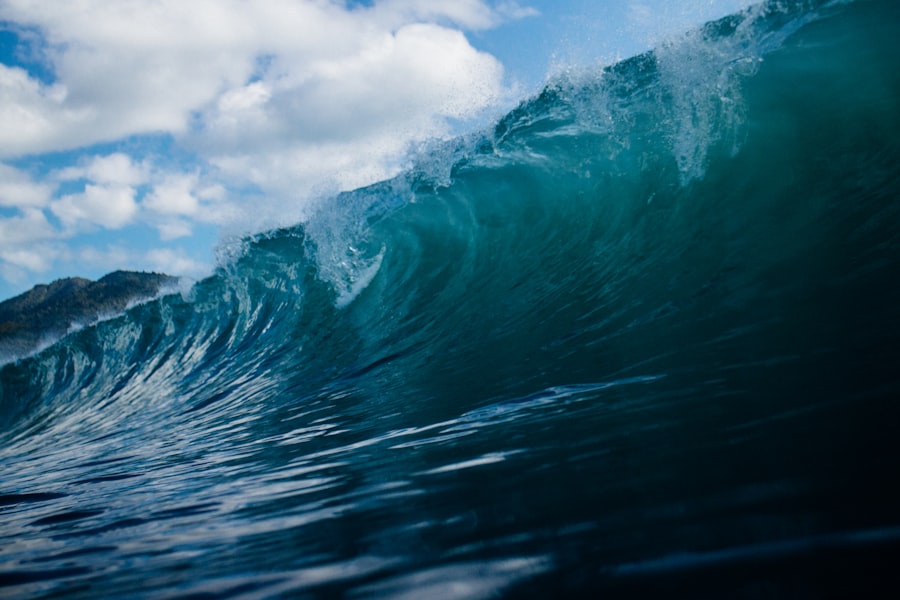
The deep ocean plays a critical, yet often overlooked, role in regulating Earth’s climate and acting as a massive carbon sink. Understanding these processes is vital for predicting future climate change.
The Biological Pump: Transporting Carbon to the Depths
The biological pump is a key mechanism by which carbon dioxide is transferred from the atmosphere to the deep ocean.
Phytoplankton and Photosynthesis
Phytoplankton in the surface waters absorb CO2 from the atmosphere through photosynthesis.
Sinking Organic Matter
When these organisms die or are consumed by other organisms, their organic matter sinks to the deep ocean. This process effectively removes carbon from the surface and sequers it in the deep sea for centuries, or even millennia.
Ocean Circulation: Distributing Heat and Nutrients
Ocean currents, driven by temperature and salinity differences, play a crucial role in distributing heat around the globe and transporting nutrients.
Thermohaline Circulation
The thermohaline circulation, a global conveyor belt of ocean currents, is particularly important. It moves vast amounts of heat, influencing weather patterns and moderating global temperatures.
Nutrient Upwelling
Upwelling zones, where deep, nutrient-rich waters rise to the surface, support highly productive marine ecosystems.
The Impact of Climate Change on the Deep Ocean
Rising global temperatures and increased atmospheric CO2 are having profound effects on the deep ocean.
Ocean Acidification
As the ocean absorbs more CO2, its pH decreases, leading to ocean acidification. This poses a significant threat to marine organisms, particularly those with calcium carbonate shells and skeletons.
Deoxygenation
Warming waters hold less dissolved oxygen, and changes in ocean circulation patterns can exacerbate deoxygenation in some areas, creating “dead zones” where life struggles to survive.
Altered Carbon Sequestration
Changes in the biological pump due to warming and acidification could affect the ocean’s ability to sequester carbon, potentially leading to a feedback loop that accelerates climate change.
In exploring the enigmatic depths of the ocean, the documentary on deep ocean scientific mysteries uncovers astonishing phenomena that challenge our understanding of marine life and geology. For those intrigued by the wonders of the sea, a related article can be found at Freaky Science, which delves into the latest discoveries and theories surrounding underwater ecosystems. This resource complements the documentary by providing additional insights into the complexities of oceanic research and the secrets that lie beneath the waves.
Untapped Resources and Future Potential
| Topic | Metrics |
|---|---|
| Depth of the ocean | 10,994 meters (Mariana Trench) |
| Unexplored areas | 95% of the ocean floor |
| Marine life | Estimated 2 million species |
| Scientific mysteries | Bioluminescent creatures, deep-sea vents |
The deep ocean holds a wealth of untapped resources, from novel compounds with medicinal properties to potential sources of energy and minerals. Responsible exploration and exploitation are crucial.
Biomedical Discoveries: A Pharmaceutical Frontier
Many deep-sea organisms have evolved unique biochemical compounds to survive in their extreme environments. These compounds are of great interest to the pharmaceutical industry.
Novel Antibiotics and Antivirals
Researchers have discovered bacteria and sponges in the deep sea that produce compounds with potent antibiotic and antiviral properties, offering hope for combating drug-resistant infections.
Anti-cancer Agents and Other Therapeutics
The unique chemical defenses of deep-sea organisms have also yielded potential anti-cancer agents, anti-inflammatory drugs, and other therapeutic compounds.
Minerals and Metals: The Seabed’s Riches
The deep ocean floor contains vast deposits of valuable minerals and metals, such as manganese nodules, cobalt-rich crusts, and polymetallic sulfides.
Strategic Resources
These deposits are rich in elements crucial for modern technologies, including rare earth elements used in electronics and batteries.
Environmental Concerns
However, deep-sea mining poses significant environmental risks, including habitat destruction, sediment plumes, and potential disruption of deep-sea ecosystems. Careful consideration and strict regulations are necessary.
Energy Production: Geothermal and Tidal Power
The immense energy of the ocean, both geothermal and tidal, represents a potential source of renewable energy.
Geothermal Energy from Vents
The heat from hydrothermal vents could potentially be harnessed for energy production, though this is a complex and nascent field of research.
Tidal Energy Technologies
The consistent power of deep-sea tides could also be tapped with advanced turbine technologies.
Conclusion: The Imperative of Deep-Sea Exploration and Conservation
The abyss, once a realm of pure speculation, is increasingly revealing its secrets through scientific endeavor. Each new discovery in the deep ocean – from the extraordinary resilience of its inhabitants to the intricate geological processes shaping its floor – underscores the vastness of our ignorance and the immense potential for further understanding. The deep ocean is not merely a repository of mysteries; it is a vital component of Earth’s interconnected systems, influencing climate, supporting biodiversity, and holding potential solutions to human challenges.
The challenges of exploring this frontier are immense, requiring cutting-edge technology, international collaboration, and a commitment to sustained research. However, the rewards are equally profound. Understanding the unique adaptations of deep-sea life can inform our understanding of life’s fundamental principles and inspire innovation. Unraveling the geological history of the ocean floor provides crucial insights into our planet’s evolution. Recognizing the deep ocean’s role in climate regulation highlights its indispensable importance in mitigating the impacts of climate change.
As we continue to push the boundaries of exploration, we must also embrace the imperative of conservation. The deep ocean, with its slow-moving ecosystems and unique inhabitants, is particularly vulnerable to human impacts, including pollution, overfishing, and the burgeoning threat of deep-sea mining. Protecting these fragile environments is not just an ethical responsibility; it is essential for safeguarding the planet’s health and ensuring that the profound scientific mysteries of the abyss can be unraveled for generations to come. The future of deep-sea scientific discovery and its potential benefits for humanity hinges on our collective commitment to both exploration and rigorous, responsible stewardship of this last great frontier on Earth.

Scientists Found Oxygen Where It Should Be Impossible
FAQs
What is the deep ocean scientific mystery documentary about?
The deep ocean scientific mystery documentary explores the uncharted depths of the ocean and the various scientific mysteries that still remain unsolved. It delves into the exploration of the deep sea and the fascinating discoveries made by scientists.
What are some of the scientific mysteries discussed in the documentary?
The documentary discusses a range of scientific mysteries such as the existence of unknown species, the behavior of deep-sea creatures, the impact of ocean currents on marine life, and the potential for undiscovered ecosystems in the deep ocean.
Who are the experts featured in the documentary?
The documentary features interviews and insights from leading marine biologists, oceanographers, deep-sea explorers, and other experts in the field of ocean science. These experts provide valuable knowledge and perspectives on the mysteries of the deep ocean.
How was the documentary filmed?
The documentary was filmed using state-of-the-art deep-sea exploration technology, including underwater drones, submersibles, and high-definition cameras. This allowed the filmmakers to capture stunning footage of the deep ocean and its inhabitants.
Where can I watch the deep ocean scientific mystery documentary?
The documentary is available for streaming on various platforms, including online streaming services, educational websites, and through select television networks. Check local listings or online platforms to find the documentary for viewing.