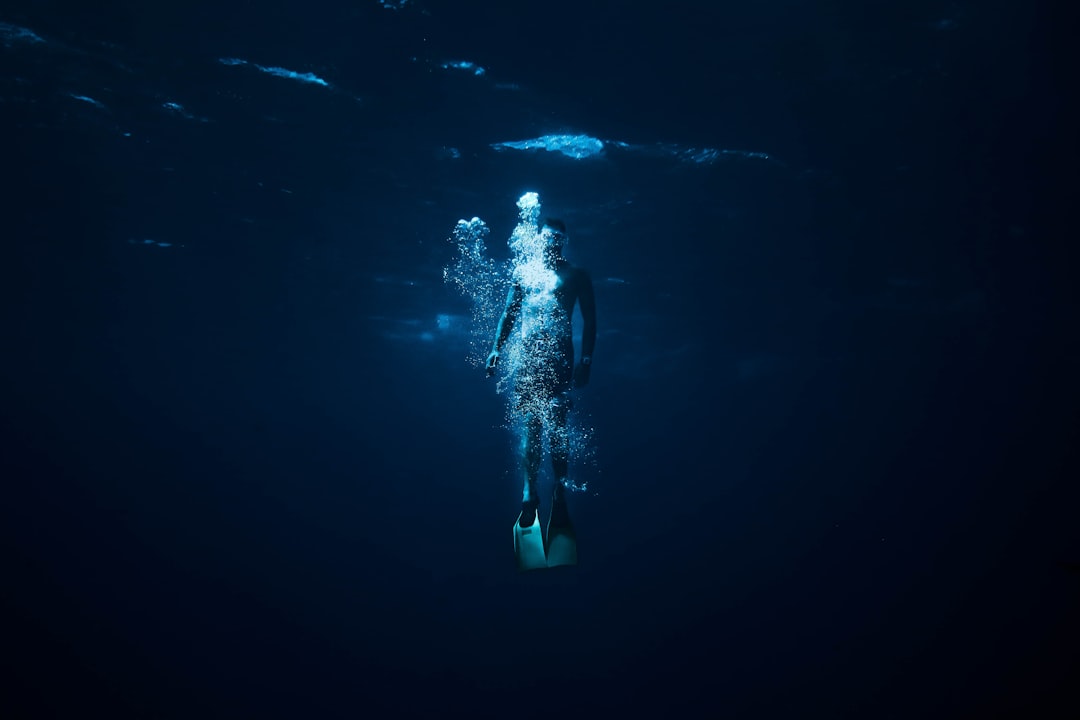
Life in the abyss, a realm of perpetual darkness and crushing pressure, presents a profound challenge to the very definition of existence. For eons, the dominant paradigm of life on Earth has been inextricably linked to the sun’s embrace. Photosynthesis, the remarkable process by which plants and algae convert light energy into chemical energy, fuels the vast majority of Earth’s ecosystems. Yet, deep beneath the waves, in environments utterly devoid of sunlight, life has not only found a way but has thrived, forging entirely unique and astonishing strategies for survival. This is life without photosynthesis, a testament to nature’s boundless ingenuity in the face of extreme adversity.
The deep sea, a vast and largely unexplored expanse, begins where sunlight ceases to penetrate effectively – typically below 200 meters. This transition zone, known as the twilight zone, gives way to the midnight zone, and then to the abyssal plains and ultimately the hadal zones of ocean trenches. These environments are characterized by a suite of extreme conditions that would be utterly lethal to most surface-dwelling organisms.
Perpetual Darkness and its Implications
The absence of sunlight is the defining feature of the deep sea. Photosynthetic organisms, forming the base of most food webs, simply cannot exist. This means that the energy input for these ecosystems must originate from elsewhere. The darkness also impacts sensory perception. Vision, as we understand it, is largely useless in the midnight zone and beyond. Instead, deep-sea creatures have evolved specialized senses to navigate, locate prey, and avoid predators in the inky blackness. Bioluminescence, the production of light by living organisms, becomes a crucial tool for communication, predation, and defense, offering a localized and controlled illumination in a world of pervasive gloom.
Immense Pressure: The Crushing Weight of the Ocean
Pressure increases dramatically with depth. At the surface, we experience one atmosphere of pressure. By 100 meters deep, this pressure doubles, and it continues to increase by one atmosphere for every subsequent 10 meters. In the deepest ocean trenches, pressures can exceed 1,000 atmospheres – equivalent to the weight of 50 jumbo jets stacked on top of each other. This extreme pressure would instantly crush any organism lacking specialized adaptations. Deep-sea life has evolved cellular structures and biochemical processes that are remarkably resilient to these forces, preventing cell membranes from collapsing and internal fluids from being squeezed out.
Extreme Cold and Limited Food Availability
Temperatures in the deep sea are consistently low, often hovering just above freezing. This metabolic constraint means that life processes are generally slower. Furthermore, the lack of primary production means that food is scarce. Most of the organic matter that reaches the deep sea originates from the surface – a phenomenon known as “marine snow.” This constant, albeit limited, rain of organic detritus is the primary energy source for many deep-sea organisms. However, this food is often patchy and unpredictable, requiring organisms to be highly efficient in their feeding and energy utilization.
Recent research has highlighted the importance of deep-sea oxygen levels and their relationship to marine ecosystems, particularly in areas where photosynthesis is not a viable process due to the absence of sunlight. An insightful article discussing these dynamics can be found at Freaky Science, where the implications of oxygen fluctuations on deep-sea life are explored in detail. Understanding these factors is crucial for comprehending how deep-sea organisms adapt to their environments and the overall health of oceanic ecosystems.
Chemosynthesis: Life’s Alternative Energy Source
In the absence of sunlight, a remarkable process called chemosynthesis takes center stage, providing the foundational energy for many deep-sea ecosystems. Unlike photosynthesis, which utilizes light energy, chemosynthesis harnesses chemical energy released from inorganic compounds. This process is particularly vital in hydrothermal vent ecosystems, oases of life that flourish in the deep ocean.
Hydrothermal Vents: Islands of Life in the Abyss
Hydrothermal vents are fissures in the ocean floor where superheated, mineral-rich water erupts from the Earth’s crust. These plumes of hot fluid, laden with compounds like hydrogen sulfide, methane, and ammonia, create localized environments that are remarkably hospitable to chemosynthetic bacteria. These bacteria are the primary producers in these ecosystems, analogous to plants on land.
The Role of Sulfur-Reducing Bacteria
One of the most common and important chemosynthetic pathways involves sulfur-reducing bacteria. These microbes oxidize hydrogen sulfide (H₂S), a gas abundant in vent fluids, to produce energy. This process can be represented by simplified equations such as:
CO₂ + 4H₂S + O₂ → CH₂O + 4S + 3H₂O (for aerobic respiration)
or
CO₂ + 2H₂S → CH₂O + H₂O + S (for anaerobic respiration)
In these reactions, the chemical energy released from breaking the bonds of hydrogen sulfide is used to fix inorganic carbon (like carbon dioxide) into organic molecules, forming the building blocks of life.
Methane Oxidation: Another Key Pathway
Methane (CH₄) is another prevalent compound in vent fluids and seep sites. Methane-oxidizing bacteria can utilize this gas as an energy source, often in conjunction with oxygen or sulfate. A simplified representation of methane oxidation coupled with sulfate reduction is:
CH₄ + SO₄²⁻ → HCO₃⁻ + HS⁻ + H₂O
This process also generates organic matter, supporting a diverse array of consumers.
Symbiotic Relationships: A Deep-Sea Partnership
The success of chemosynthesis in deep-sea environments is often facilitated by intricate symbiotic relationships. Many larger organisms, such as tube worms, mussels, and clams, do not directly perform chemosynthesis themselves. Instead, they host chemosynthetic bacteria within specialized organs.
The Giant Tube Worm: A Model of Symbiosis
The iconic giant tube worm, Riftia pachyptila, found at hydrothermal vents, is a prime example. These worms lack a mouth and digestive system. Instead, they possess a plume-like organ called the trophosome, which is packed with symbiotic bacteria. The worm’s circulatory system delivers hydrogen sulfide and carbon dioxide from the vent fluid to the bacteria, while the bacteria, in turn, provide the worm with essential organic nutrients produced through chemosynthesis. This mutualistic relationship allows Riftia to thrive in an environment where it would otherwise be unable to feed.
Mussels and Clams: Living Food Factories
Similarly, deep-sea mussels and clams living near vents or cold seeps often harbor chemosynthetic bacteria within their gills. These bivalves filter water, providing the bacteria with the necessary chemical substrates, and in return, receive a steady supply of nourishment from their microbial partners.
Predation and Scavenging: Surviving on What Remains
For the vast majority of deep-sea inhabitants, chemosynthesis is not a direct option. Instead, they rely on a food web that is ultimately fueled by either chemosynthetic production or by organic matter that drifts down from the sunlit surface. Predation and scavenging are therefore fundamental survival strategies.
Marine Snow: The Bounty from Above
As mentioned earlier, marine snow – the constant rain of dead plankton, fecal pellets, and other organic debris from the upper ocean – forms the base of the food web for many deep-sea animals. This seemingly meager offering sustains a surprising diversity of life.
Detritivores: The Clean-up Crew
Detritivores, organisms that feed on dead organic matter, are abundant in the deep sea. This includes a variety of invertebrates like sea cucumbers, brittle stars, and amphipods. They patiently sift through the sediment or filter the water, extracting every available nutrient from the descending organic particles. Their slow metabolism and efficient digestion allow them to eke out an existence on this sparse but consistent food source.
Deposit Feeders: Sifting Through the Sediments
Many deep-sea organisms are deposit feeders, actively consuming sediment and extracting organic material. Their specialized mouthparts and digestive systems are adapted to process large volumes of sediment, obtaining nourishment from the embedded organic matter.
Predatory Adaptations: Hunting in the Dark
The deep sea is also home to a host of ingenious predators that have evolved specialized adaptations to hunt in the perpetual darkness and high-pressure environment.
Lures and Lights: Attracting the Unwary
Many deep-sea predators, particularly fish, employ bioluminescent lures to attract unsuspecting prey. Anglerfish, with their characteristic bioluminescent esca (a modified fin ray) dangling in front of their mouths, are a classic example. The glowing lure mimics small prey, drawing curious smaller fish or invertebrates within striking distance.
Sensory Acuity: Feeling the Way
In the absence of light, other senses become paramount. Many deep-sea predators have highly developed lateral line systems, which detect vibrations and pressure changes in the water, allowing them to sense the movement of prey. Others possess exceptional chemosensory abilities, able to detect the faintest chemical trails left by potential meals.
Ambush and Stealth: The Patient Hunter
Ambush predation is a common strategy. Many deep-sea creatures remain motionless, camouflaged against the seabed or suspended in the water column, waiting for an unsuspecting victim to pass by. Their slow metabolism allows them to conserve energy while waiting for the opportune moment to strike.
Scavenging: The Opportunistic Feasts
When a larger organism dies, its carcass becomes a significant food source for scavengers. Deep-sea scavengers, such as hagfish and some species of sharks, are highly adept at locating these rare and valuable meals. They often possess keen senses of smell and can travel considerable distances to find a carcass. These scavenging events can support entire communities for weeks or even months.
Adaptations for Extreme Conditions: More Than Just Food

Survival in the deep sea extends beyond simply finding food. The crushing pressures, extreme cold, and unique chemical environments necessitate a remarkable array of physiological and morphological adaptations.
Pressure Tolerance: The Molecular Machinery of Resilience
Organisms living at extreme depths have evolved intricate molecular mechanisms to withstand immense hydrostatic pressure.
Piezolytes: Stabilizing Biomolecules
One key adaptation involves the accumulation of organic molecules known as piezolytes. These small molecules, such as trimethylamine N-oxide (TMAO) and glycine betaine, bind to proteins and cell membranes, stabilizing their structures and preventing them from being deformed or denatured by pressure. TMAO, for instance, counteracts the pressure-induced destabilization of protein function.
Membrane Fluidity: Adapting to the Squeeze
Cell membranes must maintain their fluidity to function correctly. At high pressures, membranes can become more rigid. Deep-sea organisms achieve appropriate membrane fluidity by altering the fatty acid composition of their membranes, incorporating more unsaturated fatty acids which have lower melting points and thus remain fluid at lower temperatures and higher pressures.
Metabolic Strategies: Conserving Energy in a Cold, Dark World
The low temperatures and limited food availability have shaped the metabolic strategies of deep-sea life.
Slow Metabolism: The Art of Patience
Many deep-sea animals have exceptionally slow metabolic rates. This allows them to survive for long periods between meals and to conserve energy in the cold environment. Their growth rates are often slow, and their lifespans can be remarkably long.
Efficient Energy Utilization: Making Every Calorie Count
Every calorie of energy is precious in the deep sea. Organisms have evolved highly efficient digestive systems to extract maximum nutrients from their food. Their movements are often deliberate and energy-saving, avoiding unnecessary expenditure.
Sensory Adaptations: Perceiving a World Without Light
The absence of light has driven the evolution of a diverse range of sensory adaptations.
Bioluminescence: A Symphony of Light
As discussed, bioluminescence is a widespread phenomenon in the deep sea. It serves a multitude of purposes: attracting prey, deterring predators, communication between individuals, and even camouflage through counter-illumination. The precise mechanisms and functions of bioluminescence vary greatly across different species, showcasing the incredible diversity of this adaptation.
Enhanced Non-Visual Senses: Feeling, Smelling, and Hearing
For many deep-sea creatures, non-visual senses are paramount. The lateral line system in fish is highly developed, enabling them to detect subtle water movements and vibrations. Olfactory senses are often extremely acute, allowing animals to track prey or locate mates from significant distances. Some organisms also possess excellent hearing, able to detect the faint sounds produced by other creatures.
Morphological Adaptations: Form Follows Function
The physical forms of deep-sea creatures are often striking and highly adapted to their environment.
Gigantism and Miniaturism: Extreme Variations in Size
While not a universal rule, the deep sea exhibits notable instances of both gigantism and miniaturism. Some species, like the giant squid and giant isopod, are significantly larger than their shallow-water relatives. The reasons for this are debated, but may relate to efficient energy storage, slower metabolism allowing for growth over longer periods, or reduced predation pressure. Conversely, other organisms are exceptionally small, minimizing their metabolic needs and resource requirements.
Specialized Mouthparts and Feeding Appendages: Forging Food Chains
The specialized feeding structures of deep-sea animals are a testament to their unique diets. Many have large mouths and sharp, inwardly-curving teeth to prevent prey from escaping. Others possess elongated appendages for sensing prey in the dark or for scooping food from the seabed.
Recent studies have highlighted the importance of deep sea oxygen levels, particularly in areas where photosynthesis is not a viable process due to the absence of sunlight. This phenomenon raises questions about how marine life adapts to such extreme conditions. For a deeper understanding of this topic, you can explore a related article that discusses the intricate balance of oxygen in the ocean’s depths and its implications for marine ecosystems. To read more about this fascinating subject, visit Freaky Science.
The Future of Deep-Sea Exploration and Conservation
| Depth | Oxygen Level | Location |
|---|---|---|
| 1000m | Low | Mid-ocean ridges |
| 2000m | Very Low | Abyssal plains |
| 3000m | Extremely Low | Trenches |
The deep sea, despite its extreme nature, harbors an astonishing diversity of life and plays a crucial role in global ocean processes. As our understanding of these environments grows, so too does the realization of their vulnerability.
Unveiling the Unknown: A Frontier of Discovery
The vast majority of the deep sea remains unexplored. Each expedition yields new species, new behaviors, and new insights into the resilience and adaptability of life. Technologies like remotely operated vehicles (ROVs) and autonomous underwater vehicles (AUVs) are pushing the boundaries of our exploration, allowing us to access previously unreachable depths and observe organisms in their natural habitats. The discovery of novel biochemical compounds with potential pharmaceutical or industrial applications is also a significant driver of deep-sea research.
Threats to a Fragile Ecosystem: Human Impact Reaches the Abyss
Despite their remoteness, deep-sea ecosystems are not immune to human impact. Activities such as deep-sea mining, trawling, and the deposition of pollution are posing significant threats to these fragile environments.
Deep-Sea Mining: A Double-Edged Sword
The potential extraction of valuable minerals from the deep seafloor, such as polymetallic nodules and massive sulfides, presents a complex dilemma. While offering potential economic benefits, these activities carry the risk of irreversible habitat destruction, sediment plumes that can smother benthic communities, and noise pollution that can disrupt marine life. The long recovery times of deep-sea ecosystems mean that damage can be permanent.
Bottom Trawling: Collateral Damage in the Abyss
Bottom trawling, a fishing method that involves dragging heavy nets across the seafloor, can cause widespread destruction of deep-sea habitats, including fragile coral gardens and sponge fields that have taken centuries to form. This indiscriminate method can decimate slow-growing benthic communities and disrupt intricate food webs.
Pollution: An Unseen Invader
Plastic debris, chemical pollutants, and excess nutrients from land-based sources are increasingly found even in the deepest parts of the ocean. These contaminants can have toxic effects on deep-sea organisms, and the persistence of plastic in these cold, dark environments means it can accumulate over long periods.
Conservation Imperatives: Protecting the Unseen World
The unique nature and vulnerability of deep-sea ecosystems demand proactive conservation efforts.
Marine Protected Areas: Safeguarding Hotspots
Establishing and effectively managing marine protected areas (MPAs) in deep-sea environments is crucial for safeguarding biodiversity and allowing ecosystems to recover from disturbance. These areas can protect critical habitats and species, serving as refuges from human activities.
Sustainable Practices: Minimizing Our Footprint
Promoting sustainable fishing practices that avoid bottom trawling and reducing pollution from all sources are essential steps towards minimizing our impact on the deep sea. International cooperation and robust regulatory frameworks are vital for ensuring the long-term health of these global commons.
Public Awareness and Education: The Voice for the Deep
Raising public awareness about the importance of deep-sea ecosystems and the threats they face is critical for fostering support for conservation initiatives. Educating future generations about the wonders of life without photosynthesis can inspire a sense of stewardship for this extraordinary realm. The deep sea, a world apart, continues to reveal its secrets, reminding us of the incredible adaptability of life and the profound responsibility we have to protect its most extreme and awe-inspiring frontiers.

Scientists Found Oxygen Where It Should Be Impossible
FAQs
What is deep sea oxygen without photosynthesis?
Deep sea oxygen without photosynthesis refers to the process of oxygen production in the deep sea that does not rely on photosynthetic organisms such as phytoplankton or algae. Instead, it is produced through chemical reactions and processes such as hydrothermal vents, methane seeps, and other geological and biological processes.
How is oxygen produced in the deep sea without photosynthesis?
Oxygen in the deep sea can be produced through a variety of processes such as hydrothermal vents, where water heated by volcanic activity reacts with minerals to produce oxygen. Methane seeps also contribute to oxygen production through the microbial oxidation of methane, releasing oxygen as a byproduct.
What are the implications of deep sea oxygen production without photosynthesis?
Understanding deep sea oxygen production without photosynthesis is important for understanding the overall oxygen balance in the ocean and its impact on marine life. It also provides insights into the potential for life in extreme environments and the cycling of nutrients and gases in the deep sea.
How does deep sea oxygen without photosynthesis impact marine ecosystems?
Deep sea oxygen production without photosynthesis can support unique ecosystems that rely on chemosynthetic organisms, such as tube worms and giant clams, which form the basis of food webs in these environments. These ecosystems are often found in extreme conditions and provide valuable insights into the adaptability of life on Earth.
What are the current research efforts focused on deep sea oxygen without photosynthesis?
Current research efforts are focused on understanding the mechanisms and processes of deep sea oxygen production without photosynthesis, as well as its role in global biogeochemical cycles. Scientists are also exploring the potential for applications in fields such as astrobiology and biotechnology.