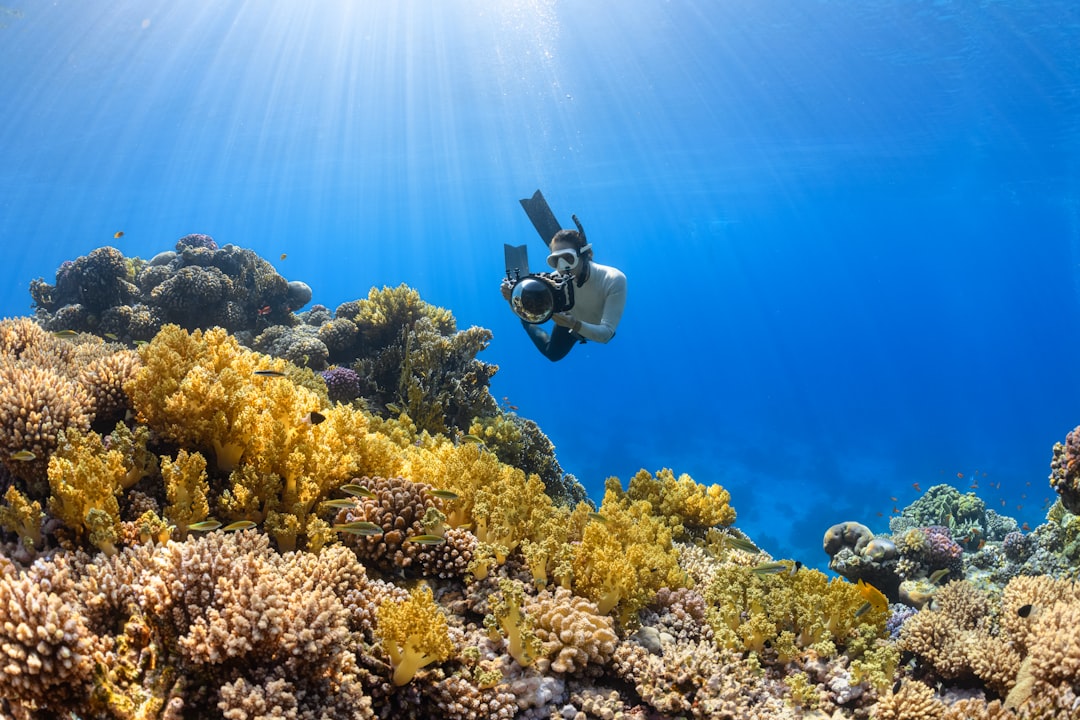
The deep ocean, a realm of perpetual darkness and immense pressure, holds secrets that have long puzzled scientists. Among these enigmas, the distribution and variability of oxygen in its abyssal depths represent a particularly profound mystery. For decades, researchers have observed surprising pockets of low oxygen, often referred to as oxygen minimum zones (OMZs), and fluctuations that defy simple explanations. Uncovering the deep ocean oxygen mystery is not merely an academic pursuit; it is crucial for understanding marine life, predicting climate change impacts, and ensuring the health of our planet’s largest ecosystem.
The deep ocean, generally defined as waters below 200 meters, constitutes the largest biome on Earth, covering over 60% of the planet’s surface. Its sheer scale and inaccessibility have made comprehensive exploration a formidable challenge. Within this vast expanse, the chemical composition of the water plays a critical role in supporting life, and oxygen is paramount.
What is Oxygen?
Oxygen (O2) is a fundamental element essential for aerobic respiration, the process by which most organisms, including marine life, extract energy from food. In the ocean, oxygen is primarily supplied from the atmosphere through gas exchange at the surface and from photosynthesis by marine plants, predominantly phytoplankton, in the sunlit upper layers.
Oxygen’s Journey to the Depths
The journey of oxygen from the surface to the deep ocean is a complex interplay of physical and biological processes.
Surface Production and Exchange
Phytoplankton, the microscopic marine algae, are the primary producers of oxygen in the ocean. Through photosynthesis, they convert carbon dioxide and sunlight into organic matter, releasing oxygen as a byproduct. This oxygen is then dissolved into the surface waters. The ocean surface also acts as a direct interface for atmospheric oxygen to diffuse into the water, a process influenced by wind, waves, and temperature.
Thermohaline Circulation: The Ocean’s Conveyor Belt
A critical mechanism for transporting oxygen to the deep sea is the thermohaline circulation, often referred to as the global ocean conveyor belt. This circulation is driven by differences in water temperature and salinity. In polar regions, surface waters become cold and dense, causing them to sink. As they sink, they carry dissolved oxygen with them. This dense, oxygen-rich water then flows along the ocean floor, distributing oxygen to the abyssal plains.
Biological Consumption: The Downward Pull
As organic matter, originating from the surface, sinks to the deep ocean, it is decomposed by bacteria and other microorganisms. This decomposition process consumes oxygen, creating areas of lower oxygen concentration. This biological respiration is a significant factor in shaping the oxygen profile of the deep sea.
Recent discoveries about deep ocean oxygen levels have shed light on the complex interactions between climate change and marine ecosystems. For a deeper understanding of this topic, you can explore a related article that delves into the implications of these findings on ocean life and global climate patterns. To read more, visit this article.
The Puzzle of Oxygen Minimum Zones (OMZs)
The existence of OMZs, regions where oxygen levels are significantly depleted, is one of the most striking aspects of the deep ocean oxygen mystery. These zones are not static but dynamic and can vary in size and intensity.
Defining Oxygen Minimum Zones
OMZs are typically defined as areas where dissolved oxygen concentrations fall below 2 milligrams per liter (mg/L). In some extreme cases, these zones can approach anoxic conditions, meaning virtually no oxygen is present. These areas are found at various depths, but are particularly prevalent in the midwater column, between about 100 and 1,000 meters.
Geographical Distribution of OMZs
OMZs are not uniformly distributed across the globe. They are particularly prominent in several key areas:
Equatorial Upwelling Regions
Regions where prevailing winds drive surface water away from the coast, causing deeper, nutrient-rich water to upwell, often harbor OMZs. This upwelling brings nutrient-rich water to the surface, fueling phytoplankton blooms. When this organic matter sinks, it leads to intense biological respiration and oxygen depletion. Examples include the eastern Pacific Ocean off the coasts of Peru and California, and the Arabian Sea.
Semi-Enclosed Basins
Certain semi-enclosed ocean basins, where water circulation is more restricted, can also develop OMZs. The Black Sea, for instance, is famously anoxic below a certain depth due to limited exchange with the open ocean and high rates of decomposition.
Tropical and Subtropical Oxygen Minimum Zones
OMZs are also common in the tropical and subtropical regions of the world’s oceans. These areas often experience high rates of primary production in the surface layers, leading to a substantial flux of organic matter to the deep.
The Impact of OMZs on Marine Life
The low oxygen conditions within OMZs create significant challenges for marine organisms.
Physiological Adaptations of Deep-Sea Creatures
Many species that inhabit OMZs have evolved remarkable physiological adaptations to survive in these oxygen-deprived environments. These can include enhanced oxygen-carrying capacity in their blood, reduced metabolic rates, and the ability to utilize alternative metabolic pathways that require less oxygen. Some organisms can even tolerate periods of near-anoxia.
Biodiversity Loss and Species Shifts
However, not all species are equipped to survive in OMZs. As oxygen levels decline, sensitive species are forced to migrate or perish. This can lead to a significant reduction in biodiversity within these zones and a shift in community structure towards more tolerant species. This has profound implications for the overall functioning of marine ecosystems.
Factors Influencing Deep Ocean Oxygen Levels

The distribution and variability of oxygen in the deep ocean are influenced by a complex interplay of physical, chemical, and biological factors. Understanding these drivers is key to unraveling the mystery.
Ocean Circulation Patterns
As previously mentioned, ocean circulation, particularly the thermohaline circulation, plays a vital role in transporting oxygenated water to the deep sea. Changes in these circulation patterns, whether natural or anthropogenic, can have profound impacts on oxygen levels.
Strength and Pathways of Global Conveyor Belt
The strength and precise pathways of the global conveyor belt are not constant. Variations in polar ice melt, surface water temperatures, and wind patterns can alter the rate at which dense, oxygenated water sinks and is transported. This can lead to localized deoxygenation or reoxygenation events in the deep ocean.
Localized Upwelling and Downwelling
Beyond global circulation, regional upwelling and downwelling events can also significantly influence oxygen levels in the deep. Upwelling brings oxygen-poor water from intermediate depths to the surface, while downwelling can deliver oxygenated surface waters to greater depths.
Biological Productivity and Respiration
The balance between oxygen production through photosynthesis at the surface and oxygen consumption through respiration in the water column and at the seafloor is a critical determinant of oxygen levels.
Phytoplankton Bloom Dynamics
The intensity and duration of phytoplankton blooms at the surface directly influence the amount of organic matter that sinks to the deep. Massive blooms can lead to a surge in decomposition and oxygen depletion, especially if the sinking organic matter is not efficiently processed in the upper layers.
Benthic Respiration Rates
The rate at which organisms living on the seafloor (benthos) respire and decompose organic matter also contributes to oxygen consumption. This can be particularly significant in areas with high organic matter flux from the surface.
Ocean Stratification and Mixing
The degree to which the ocean is stratified (layered) or mixed significantly affects the exchange of oxygen between different water masses.
Density-Driven Stratification
Warmer, less salty surface waters are less dense and tend to form a stable layer above colder, saltier, and denser deep waters. This stratification can inhibit vertical mixing, preventing oxygen-rich surface waters from reaching the deep ocean and trapping oxygen-poor waters at depth.
Wind-Driven Mixing and Wave Action
Surface winds and wave action can induce mixing in the upper layers of the ocean, facilitating the exchange of gases with the atmosphere and potentially driving some oxygen to deeper layers. However, this effect is generally limited to the upper water column.
Riverine Input and Nutrient Loading
Rivers carry nutrients and organic matter from land into the ocean. In coastal areas, increased nutrient loading from human activities can fuel excessive phytoplankton growth, leading to subsequent oxygen depletion when the organic matter decomposes.
Eutrophication in Coastal Zones
Eutrophication, the excessive enrichment of water bodies with nutrients, is a major driver of oxygen depletion in coastal OMZs. This phenomenon is often exacerbated by agricultural runoff, sewage discharge, and industrial pollution.
The Unseen Chemical Reactions

Beyond the major physical and biological drivers, subtle chemical processes also contribute to the complex oxygen dynamics in the deep ocean.
Redox Reactions in Sediments
The seafloor sediments are teeming with microbial life that drives a variety of redox (reduction-oxidation) reactions. These reactions, particularly those involving sulfur and nitrogen compounds, can consume or produce oxygen, albeit on a smaller scale compared to respiration in the water column.
Microbial Activity at the Sediment-Water Interface
The boundary between the ocean water and the sediment is a zone of intense microbial activity. Here, organic matter is decomposed, and various chemical transformations occur, some of which can impact dissolved oxygen levels in the overlying water.
Dissolved Organic Matter (DOM) Decomposition
Not all organic matter sinks as particulate matter. Dissolved organic matter is also present in the ocean and can be decomposed by microbes, contributing to oxygen consumption throughout the water column.
Microbial Utilization of Dissolved Substances
Microorganisms are adept at utilizing dissolved organic compounds as a source of energy. This process of DOM decomposition can occur at all depths and contributes to the overall oxygen demand in the deep ocean.
Recent discoveries regarding deep ocean oxygen levels have sparked significant interest in the scientific community, shedding light on the complex dynamics of marine ecosystems. For a deeper understanding of this topic, you can explore a related article that delves into the implications of these findings and their impact on ocean life. This insightful piece can be found here, providing a comprehensive overview of the ongoing research in this critical area of study.
The Accelerating Mystery: Climate Change and Deoxygenation
| Researcher | Discovery | Depth |
|---|---|---|
| Dr. Daniele Bianchi | Deep ocean oxygen variability | 200-1000 meters |
| Dr. Taka Ito | Oxygen minimum zones | 1000-2000 meters |
| Dr. Curtis Deutsch | Global oxygen distribution | Below 2000 meters |
Perhaps the most pressing aspect of the deep ocean oxygen mystery is its potential exacerbation by climate change. Scientists are increasingly concerned about a global trend of ocean deoxygenation.
Warming Oceans and Reduced Oxygen Solubility
As ocean temperatures rise due to climate change, the solubility of oxygen in seawater decreases. This means warmer waters can hold less dissolved oxygen.
The “Warm Water Holds Less Gas” Principle
This fundamental physical principle directly impacts the oxygen content of the ocean. Even if oxygen production remains constant, a warmer ocean will inherently have lower dissolved oxygen concentrations.
Intensified Stratification
Climate change is also predicted to further intensify ocean stratification. Increased warming of the surface layers, combined with potential changes in freshwater input from melting ice and altered precipitation patterns, can lead to a more stable, layered ocean, hindering the replenishment of deep-sea oxygen.
Barriers to Vertical Exchange
The increased stability of the water column acts as a barrier to vertical mixing, making it more difficult for oxygen-rich surface waters to reach the oxygen-depleted deep.
Altered Ocean Circulation Patterns
The influx of freshwater from melting glaciers and ice sheets can disrupt the density-driven processes that power thermohaline circulation. Changes in this global conveyor belt could significantly alter the distribution of oxygen to the deep ocean.
Impacts on Deep Water Formation
The sinking of dense, cold, oxygenated water, a key process in deep water formation, could be weakened or altered by these changes, leading to reduced oxygen supply to the deep sea.
Shifting Biological Productivity
Climate change can also influence marine biological productivity, potentially leading to changes in the amount of organic matter sinking to the deep and thus altering oxygen consumption rates.
Changes in Phytoplankton Communities
Changes in ocean temperature, acidity, and nutrient availability can alter the composition and productivity of phytoplankton communities, with cascading effects on the oxygen cycle.
The Quest for Answers: Tools and Techniques
Unraveling the deep ocean oxygen mystery requires a multi-faceted approach, employing a range of sophisticated tools and techniques.
Autonomous Underwater Vehicles (AUVs) and Gliders
These robotic platforms are revolutionizing deep-sea exploration by enabling long-term, broad-scale measurements of oceanographic parameters.
Mapping Oxygen Distribution with High Resolution
AUVs equipped with sensors can traverse vast areas of the deep ocean, collecting continuous data on oxygen levels, temperature, salinity, and other vital parameters. This allows for detailed mapping of OMZs and the detection of subtle changes over time.
Long-Term Monitoring of Oxygen Trends
Gliders, in particular, are designed for long-duration missions, allowing scientists to monitor oxygen trends in remote and challenging deep-sea environments for extended periods, providing invaluable insights into seasonal and interannual variability.
Moored Observatories and Profilers
Fixed observatories anchored to the seafloor and profiling instruments that repeatedly descend into the water column provide continuous, high-frequency data at specific locations.
Continuous Data Streams from the Abyss
Moored observatories act as sentinels in the deep, transmitting real-time data that can capture rapid changes in oxygen levels due to events like internal waves or localized biological activity.
Detailed Vertical Oxygen Profiles
Profiling instruments offer detailed vertical snapshots of oxygen concentration, revealing the intricate layering and variability of oxygen within the water column.
Advanced Sensor Technology
The development of highly sensitive and robust sensors is critical for accurately measuring oxygen in the extreme conditions of the deep ocean.
Electrochemical and Optical Oxygen Sensors
Modern oxygen sensors utilize a range of technologies, including electrochemical and optical methods, to provide precise and reliable measurements, even under high pressure and in the presence of other dissolved substances.
In-Situ Measurement Capabilities
These sensors are often deployed in situ, meaning they measure oxygen directly in the ocean environment, minimizing potential errors associated with sample collection and laboratory analysis.
Numerical Modeling and Data Assimilation
Sophisticated computer models are essential for integrating observational data and simulating the complex processes that govern deep ocean oxygen dynamics.
Simulating Oceanographic Processes
These models can simulate ocean circulation, biological productivity, and chemical reactions to understand how different factors influence oxygen distribution and variability.
Forecasting Future Deoxygenation Scenarios
By assimilating observational data, models can be used to forecast future trends in ocean deoxygenation and assess the potential impacts of climate change on deep-sea oxygen levels.
Conclusion: A Call for Continued Exploration and Action
The deep ocean oxygen mystery is far from fully unraveled. The sheer scale and complexity of the deep ocean, coupled with the ongoing impacts of climate change, present a continuous challenge to scientific understanding. However, the progress made through technological advancements and dedicated research has illuminated critical aspects of this enigma.
The observed trends of deoxygenation, particularly in OMZs, raise significant concerns for marine ecosystems, fisheries, and the overall health of the planet. Understanding these changes is not just an academic exercise; it is a crucial step towards informed policymaking and effective conservation strategies. Continued investment in deep-sea research, the development of innovative observational tools, and robust climate modeling are essential to decipher the remaining layers of this vital mystery. As humanity continues to impact the global ocean, a deeper understanding of its oxygen dynamics is paramount for safeguarding its future and the myriad life it sustains.

Scientists Found Oxygen Where It Should Be Impossible
FAQs
What is the recent discovery about deep ocean oxygen?
Scientists have recently discovered that oxygen is being produced in the deep ocean through a process called “slow biological oxygen cycling.” This process involves the sinking of organic matter from the surface ocean, which is then broken down by bacteria in the deep ocean, releasing oxygen in the process.
How does this discovery impact our understanding of ocean ecosystems?
This discovery challenges the traditional understanding that the deep ocean is a “oxygen desert” and highlights the importance of microbial activity in sustaining oxygen levels in the deep ocean. It also sheds light on the interconnectedness of different parts of the ocean and the role of deep-sea ecosystems in global biogeochemical cycles.
What are the implications of this discovery for climate change research?
The discovery of deep ocean oxygen production has implications for climate change research as it provides new insights into the ocean’s role in regulating global oxygen levels. Understanding the processes that contribute to oxygen production in the deep ocean is crucial for predicting how ocean ecosystems will respond to climate change.
How was this discovery made?
The discovery was made through a combination of field observations, laboratory experiments, and mathematical modeling. Researchers used cutting-edge technology to study microbial activity and oxygen production in the deep ocean, allowing them to uncover the mechanisms behind the previously unknown process of slow biological oxygen cycling.
What are the next steps for research in this area?
Moving forward, researchers plan to further investigate the factors that influence deep ocean oxygen production, such as nutrient availability and microbial diversity. They also aim to assess the potential impacts of human activities, such as ocean warming and pollution, on deep ocean oxygen levels. This research will contribute to a more comprehensive understanding of the ocean’s role in the Earth’s biogeochemical cycles.