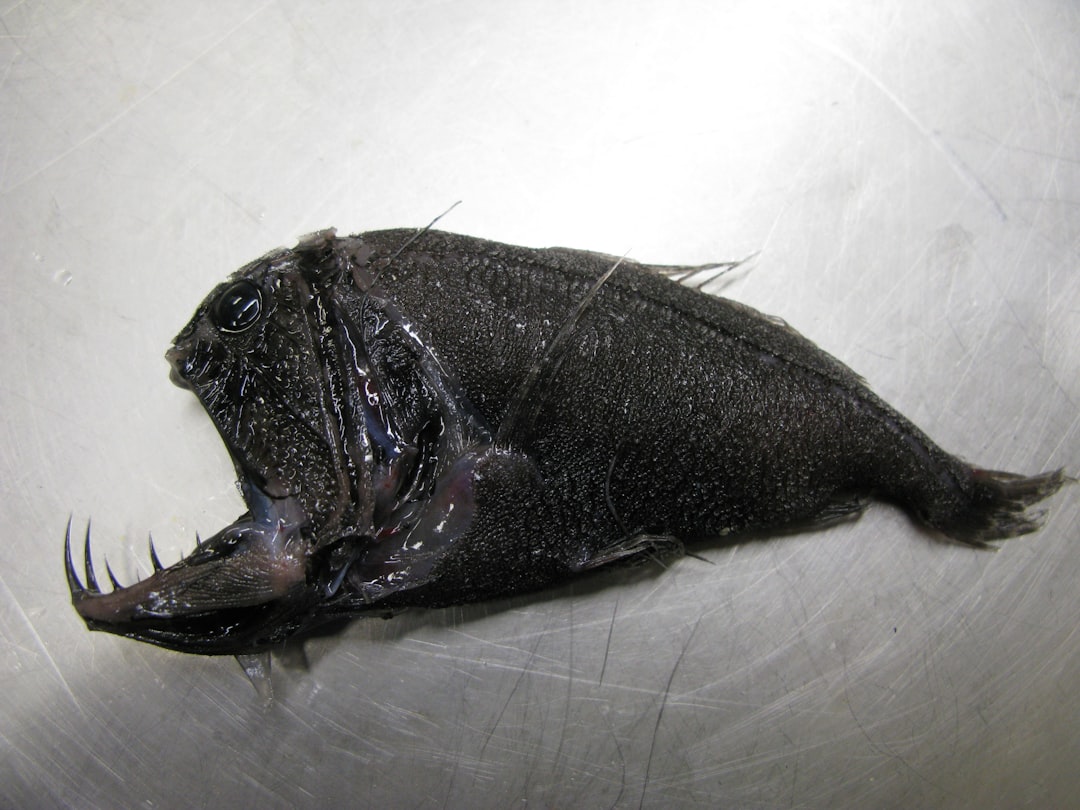
The inky abyss, a realm largely unexplored and cloaked in perpetual darkness, harbors a menagerie of creatures that defy imagination. These deep-sea denizens, shaped by immense pressure, frigid temperatures, and the absolute absence of sunlight, have evolved into forms so alien they often appear as figments of science fiction. The quest to discover these strangest deep-sea fish is an ongoing testament to humanity’s insatiable curiosity and the enduring mysteries of our own planet. Each expedition into these crushing depths, equipped with advanced submersibles and remotely operated vehicles, pulls back the curtain on a world where survival has sculpted beings into truly astonishing and often bizarre shapes.
The deep sea, generally defined as the ocean below 200 meters, is a vast and largely inaccessible frontier. Its immense pressure, which increases by one atmosphere for every ten meters of depth, would instantly crush any terrestrial organism. The frigid temperatures, often hovering just above freezing, further restrict the types of life that can survive. Perhaps the most profound challenge is the complete absence of sunlight. Photosynthesis, the basis of most life on Earth, is impossible. Instead, deep-sea ecosystems rely on chemosynthesis, where microbes convert chemicals from hydrothermal vents into energy, or on “marine snow,” organic matter that drifts down from shallower waters.
The Lure of the Abyss: Why We Explore
The allure of the deep sea lies in its sheer otherworldliness. It is a reminder that even on our own planet, there are vast regions that remain as enigmatic as outer space. Scientists are driven by a fundamental desire to understand the limits of life and the evolutionary pathways that have led to such remarkable adaptations. The discovery of new species in the deep sea can offer insights into fundamental biological processes, potentially leading to breakthroughs in medicine and biotechnology. Furthermore, understanding these unique ecosystems is crucial for their conservation, as they are increasingly threatened by human activities like deep-sea mining and pollution.
Technological Triumphs: The Tools of Discovery
Unveiling the secrets of the deep sea would be impossible without the remarkable technological advancements of recent decades. Submersibles, both manned and unmanned, are the eyes and hands of explorers. These vehicles are built to withstand immense pressures, equipped with powerful lights to pierce the darkness, and sophisticated cameras to capture the fleeting glimpses of life. Remotely Operated Vehicles (ROVs) and Autonomous Underwater Vehicles (AUVs) allow scientists to survey vast areas and collect samples without the inherent risks and limitations of human presence. The development of advanced sonar systems and sampling equipment further enhances our ability to study these remote environments.
The deep sea is home to some of the most bizarre and fascinating creatures on the planet, and one particularly intriguing article explores the strangest deep sea fish. From the otherworldly anglerfish to the ethereal gulper eel, these fish have adapted to extreme conditions in ways that defy imagination. To learn more about these extraordinary beings, check out this insightful article on the topic at Freaky Science.
Masters of the Darkness: Adaptations for an Alien World
The extreme conditions of the deep sea have forced its inhabitants to develop an array of extraordinary adaptations. These modifications are not merely cosmetic; they are fundamental to survival in an environment where light is absent, food is scarce, and pressure is crushing.
Bioluminescence: The Living Lights of the Deep
One of the most captivating adaptations found in deep-sea fish is bioluminescence, the ability to produce and emit light. This living light serves a multitude of purposes, from attracting prey and deterring predators to communication and reproduction. The chemical reactions that produce light vary, but they generally involve an enzyme called luciferase acting on a substrate called luciferin, often requiring oxygen. The colors of bioluminescence can range from blue and green, which travel furthest in water, to red, which is largely invisible to many deep-sea creatures, offering a unique advantage.
The Anglerfish’s Deceptive Lure
Perhaps the most iconic example of bioluminescence is the anglerfish. These formidable predators possess a modified dorsal fin spine that extends forward over their mouths, tipped with a fleshy esca that contains bioluminescent bacteria. This glowing lure dangles in the darkness, mimicking a small, enticing prey item. Unsuspecting smaller fish or invertebrates are drawn to the light, swimming directly into the anglerfish’s gaping, tooth-filled maw. The anglerfish’s relatively small body and enormous mouth are perfectly suited for engulfing prey, as the chances of encountering a meal are so low that they must make the most of every opportunity.
The Vampire Squid’s Fiery Defense
The vampire squid, despite its name and appearance, is not a true squid. This enigmatic cephalopod, found in temperate and tropical oceans, possesses photophores, light-producing organs, scattered across its body. When threatened, it can expel a cloud of bioluminescent mucus, creating a dazzling display that disorients predators and allows the squid to escape. This “fireworks” defense is a stark contrast to the more subtle uses of bioluminescence seen in other deep-sea creatures.
Pressurized Existence: Surviving the Crushing Depths
The immense pressure of the deep sea is a constant, unyielding force. Deep-sea fish have evolved to not only withstand this pressure but to thrive under it, often utilizing it to their advantage.
The Snailfish: Lords of the Extreme Pressure
The Mariana snailfish (Pseudoliparis swirei) holds the record for the deepest-living fish, observed at depths exceeding 8,000 meters in the Mariana Trench. These delicate-looking creatures are masters of pressure adaptation. Their bodies are largely gelatinous, lacking gas-filled swim bladders that would collapse under such extreme forces. Instead, their cellular structures are reinforced with molecules called piezolytes, which help to stabilize proteins and membranes against pressure-induced damage. Their slow metabolism and reliance on small invertebrates found on the seabed are key to their survival in this desolate environment.
The Blobfish: A Misunderstood Marvel of Density
The blobfish (Psychrolutes marcidus) has gained notoriety for its seemingly gelatinous, anthropomorphic appearance when brought to the surface. In its natural habitat, however, this deep-sea inhabitant of the Australian and New Zealand coasts lives under immense pressure, which keeps its body firm and functional. Its flesh is a gelatinous mass with a density slightly less than water, allowing it to float above the seabed without expending much energy. Its large, protruding nose and downturned mouth give it a melancholic expression, but this is merely a consequence of decompression rather than its typical appearance.
Sensory Adaptations: Navigating the Blackness
With no sunlight to guide them, deep-sea fish have developed a remarkable array of sensory adaptations to perceive their surroundings.
The Barreleye Fish: A Transparent Head with Forward-Facing Eyes
The barreleye fish (Macropinna microstoma) is perhaps one of the most visually stunning examples of deep-sea adaptation. Its most remarkable feature is its transparent, fluid-filled head, which allows it to see upwards through its own skull. Within this transparent dome are its highly sensitive, tubular eyes, which can rotate and are specifically adapted to detect the faint silhouettes of prey against the dim light filtering down from above. The green lenses are believed to filter out the sunlight, allowing the fish to spot the bioluminescent signals of prey.
The Viperfish: A Jaw-Dropping Predatory Design
The viperfish (Chauliodus sloani) is another terrifyingly beautiful predator of the deep. Its most striking feature is its enormous, gaping jaw, equipped with needle-like, hinged teeth that are so long they cannot be fully retracted and actually point backward into its own throat. These teeth are designed to ensnare any prey that ventures too close. Its body is also equipped with rows of photophores, which it uses for a variety of purposes, including attracting prey and communicating with others of its species. Its large, forward-facing eyes are designed to detect the faintest flickers of light in the perpetual darkness.
The Unseen Predators: Masters of Ambush and Deception
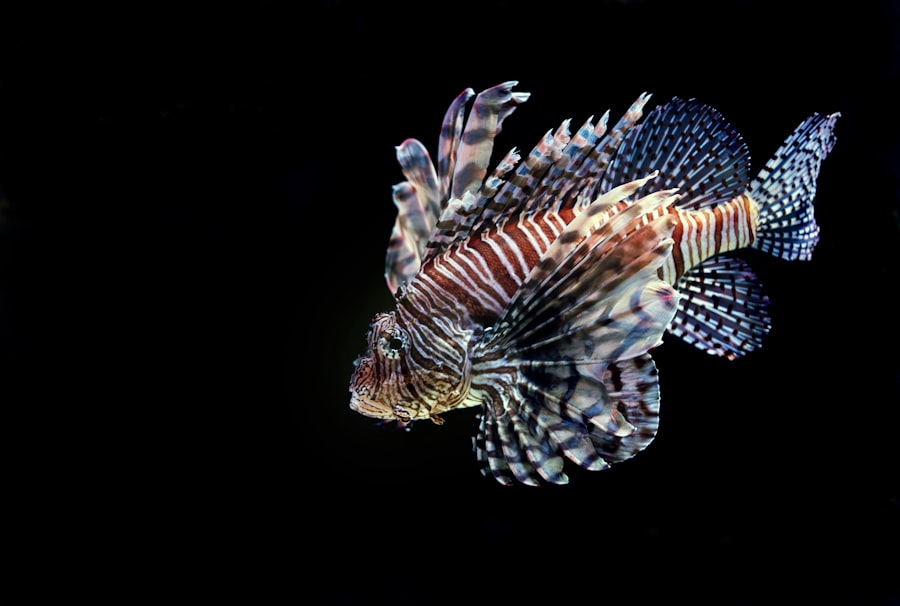
The deep sea is a challenging environment for predators. Food is scarce, and energy expenditure must be minimized. This has led to the evolution of incredibly effective ambush and deceptive hunting strategies.
The Gulper Eel: A Stomach for All Seasons
The gulper eel, or pelican eel (Eurypharynx pelecanoides), is a bizarre sight with its enormous, gaping mouth, reminiscent of a pelican’s beak. Its capacious stomach can expand to accommodate prey much larger than its own body, a crucial adaptation in an environment where meals are infrequent. Its bioluminescent lure, located at the tip of its tail, likely serves to attract prey. Despite its fearsome appearance, it is a relatively passive predator, relying on the serendipity of encountering food.
The Fangtooth: A Dental Nightmare
The fangtooth (Anoplogaster cornuta) possesses disproportionately large teeth, the largest relative to its body size of any fish. These terrifying fangs, however, are not as menacing as they appear. They are surprisingly delicate and are used to snag small prey rather than tear flesh. Like many deep-sea fish, it utilizes bioluminescence for hunting and communication. Its large eyes are adapted to detect the faint light sources in its environment.
The Unsung Heroes: Tiny Wonders of the Deep
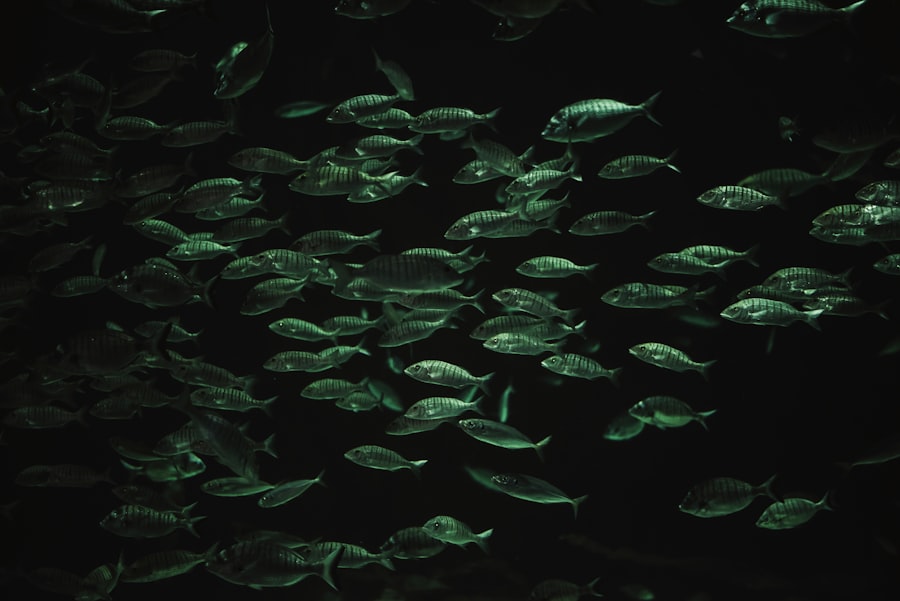
While the large and fearsome predators often steal the spotlight, the deep sea is also home to a myriad of smaller, yet equally fascinating, creatures that play vital roles in the ecosystem.
The Cookiecutter Shark: A Parasitic Powerhouse
The cookiecutter shark (Isistius brasiliensis) is a small, cigar-shaped shark with a voracious appetite and a unique feeding strategy. It uses its bioluminescent lure to attract larger prey, and then latches onto them with its specialized circular lips, carving out a perfectly circular plug of flesh. Its distinctive bite marks are often found on whales, dolphins, and even submarines. This parasitic behavior allows it to obtain a substantial meal with minimal energy expenditure.
The Bristlemouths: The Most Abundant Vertebrates?
Bristlemouths (family Gonostomatidae) are small, bioluminescent fish that are thought to be among the most abundant vertebrates on Earth. They are found in mesopelagic and bathypelagic zones worldwide. These schooling fish are crucial to the deep-sea food web, serving as a food source for larger predators. Their bioluminescent organs are thought to be used for counter-illumination, helping them blend in with the faint light from above to avoid detection.
The deep sea is home to some of the most bizarre creatures on the planet, showcasing nature’s creativity in the most unexpected ways. Among these strange inhabitants, the anglerfish stands out with its bioluminescent lure that attracts prey in the dark depths of the ocean. If you’re intrigued by the oddities of marine life, you might enjoy reading a related article that delves into the strangest deep sea fish. You can find it here: strangest deep sea fish. This fascinating exploration reveals not only the unique adaptations of these creatures but also the mysteries that still surround our oceans.
The Future of Discovery: Unlocking the Ocean’s Last Frontier
| Fish Name | Depth Range | Size | Distinctive Feature |
|---|---|---|---|
| Gulper Eel | 300 to 6,000 feet | Up to 3 feet long | Large mouth for swallowing prey whole |
| Fangtooth Fish | 16,000 to 20,000 feet | Up to 6 inches long | Large, fang-like teeth relative to body size |
| Viperfish | 2,000 to 5,000 feet | Up to 12 inches long | Bioluminescent lure on its dorsal fin |
The exploration of the deep sea is a field that continues to evolve, driven by technological advancements and an unyielding thirst for knowledge. Each new expedition brings with it the promise of uncovering even more extraordinary life forms and understanding the intricate web of life that thrives in this extreme environment.
The Role of AI and Robotics
Artificial intelligence and advanced robotics are poised to revolutionize deep-sea exploration. AI-powered systems can analyze vast amounts of data collected by submersibles, identifying patterns and anomalies that human researchers might miss. Swarms of autonomous underwater vehicles could be deployed to survey large areas more efficiently, collecting data on everything from ocean currents to the distribution of marine life. These technologies will enable us to explore deeper and for longer periods, pushing the boundaries of our understanding.
Conservation Imperatives: Protecting the Unknown
As our knowledge of the deep sea expands, so too does our responsibility to protect it. The unique and fragile ecosystems of the deep are increasingly threatened by human activities. Deep-sea mining, for example, poses a significant risk of habitat destruction and the release of toxic substances. Overfishing and pollution also have far-reaching consequences. Scientific discovery must go hand-in-hand with robust conservation efforts to ensure that these remarkable creatures and their habitats are preserved for future generations. The strangest deep-sea fish are not just curiosities; they are vital components of a complex and interconnected planet, and their continued existence depends on our vigilance and commitment. The silent, crushing darkness of the abyss still holds countless secrets, waiting to be discovered, understood, and ultimately, protected.

The Deeper You Go, the Less Life Looks Like Life
FAQs
What are some examples of the strangest deep sea fish?
Some examples of the strangest deep sea fish include the anglerfish, which has a bioluminescent lure on its head to attract prey, the gulper eel, which has a large mouth and expandable stomach, and the barreleye fish, which has a transparent head.
How do deep sea fish survive in such extreme environments?
Deep sea fish have adapted to survive in extreme environments by having specialized organs to withstand high pressure, bioluminescent features to attract prey or mates, and unique body shapes and sizes to navigate the dark and cold waters.
What are some unique characteristics of deep sea fish?
Some unique characteristics of deep sea fish include bioluminescence, transparent or gelatinous bodies, elongated or bizarre body shapes, and specialized sensory organs to detect prey and navigate in the dark depths.
How do deep sea fish differ from shallow water fish?
Deep sea fish differ from shallow water fish in that they have adapted to survive in high pressure, cold temperatures, and darkness. They often have unique features such as bioluminescence, transparent bodies, and specialized sensory organs.
Why are deep sea fish important to the marine ecosystem?
Deep sea fish play a crucial role in the marine ecosystem by serving as prey for larger predators, contributing to the biodiversity of the ocean, and helping to regulate the food chain in the deep sea environment.