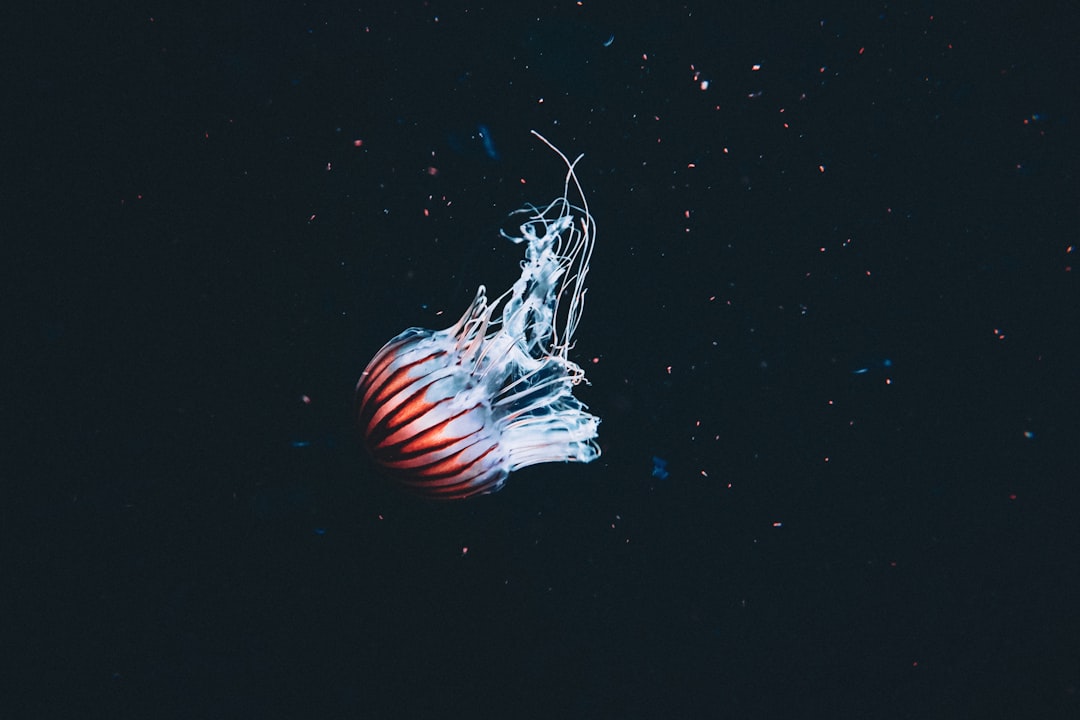
The abyssal plains, the hadal trenches, the hydrothermal vents – these are the vast, unseen realms that dominate our planet, stretching far beyond the sunlit shallows of the ocean. Here, in an environment of crushing pressure, absolute darkness, and frigid temperatures, life has evolved in ways that defy imagination. Exploring the mysterious creatures of the deep ocean is not merely a scientific endeavor; it is a journey into a realm of alien landscapes and beings that whisper tales of evolutionary ingenuity and the enduring power of life.
The deep ocean, generally defined as the zone below 200 meters (656 feet), is a world perpetually shrouded in darkness. Sunlight, the very engine of life in the upper layers, cannot penetrate these depths. This absence of light has profoundly shaped the organisms that call this realm home, leading to remarkable adaptations in their sensory organs, physiology, and even their very appearance. The immense pressure, increasing by one atmosphere for every 10 meters of depth, is another formidable challenge. Life here has developed specialized cellular structures and biochemical processes to withstand these crushing forces.
The Twilight Zone: A Transition to Darkness
The mesopelagic zone, also known as the twilight zone, extends from 200 to 1,000 meters (656 to 3,281 feet). Here, a faint, diffuse twilight filters down, allowing for some limited visibility. Many creatures of this zone undertake daily vertical migrations, ascending to shallower waters at night to feed and descending back into the twilight zone to escape predation.
Bioluminescence: The Language of Light in the Dark
Perhaps the most striking adaptation to the deep ocean is bioluminescence – the ability to produce light. This phenomenon is not a mere byproduct of metabolism but a sophisticated tool for survival. It is employed for a dazzling array of purposes, from attracting prey to evading predators and communicating with conspecifics.
Hunting with Light: Lures and Illumination
Many deep-sea predators utilize bioluminescent lures to entice unsuspecting prey. The anglerfish, perhaps the most iconic example, possesses a modified dorsal fin spine that dangles a fleshy, glowing esca, or lure, in front of its cavernous mouth. This shimmering beacon, often mimicking the movement of small prey, draws curious fish and invertebrates into the anglerfish’s deadly embrace. Other species use bioluminescent flashes to startle or disorient their prey, creating a momentary advantage before striking.
Defense Against the Dark: Counter-illumination and Distraction
Bioluminescence also serves as a powerful defense mechanism. Counter-illumination, a common strategy, involves the emission of light from the ventral (underside) surface of an organism. This light matches the faint downwelling light from the surface, effectively camouflaging the creature from predators lurking below. When threatened, some animals will release clouds of bioluminescent particles, creating a dazzling spectacle that distracts and confuses attackers, allowing the prey to escape into the darkness.
Communication in the Void: Mating and Social Signals
Beyond hunting and defense, bioluminescence plays a crucial role in communication, particularly for mating. Many species have evolved species-specific bioluminescent patterns, flashes, and colors that allow them to recognize and attract mates in the vast expanse of the deep. The intricate flashing sequences of certain squid and shrimp are akin to complex Morse code, conveying vital information about species, sex, and readiness to reproduce.
The Midnight Zone: Absolute Darkness and Extreme Adaptations
Below the twilight zone lies the bathyal zone, or midnight zone, extending from 1,000 to 4,000 meters (3,281 to 13,123 feet). Here, the light from the surface is completely absent, and the environment is characterized by near-freezing temperatures and immense pressure. The creatures that inhabit this zone have undergone even more radical evolutionary transformations.
Sensory Superspecialization: Eyesight and Beyond
In the absence of light, vision often becomes either highly specialized or completely obsolete. Some deep-sea fish have evolved enormous, tubular eyes that are highly sensitive to the faint bioluminescence of other organisms. These eyes are often fixed, allowing for a wider field of vision but limiting their ability to track moving objects. Others, like the viperfish, possess specialized lenses that can focus light from bioluminescent sources.
Conversely, many creatures have lost the need for sight altogether. Their sensory world is dominated by other senses, such as chemoreception (the ability to detect chemicals in the water) and mechanoreception (the ability to detect vibrations and water movement). Highly developed lateral lines, sensitive barbels, and an acute sense of smell help them navigate, locate prey, and avoid predators in their lightless domain.
Energy Scarcity: The Economy of the Deep
Food is a precious commodity in the deep ocean. Unlike the sun-drenched surface waters, there is no photosynthesis to fuel a vast food web. The primary source of organic matter is detritus – decaying organic material that drifts down from the upper layers, often referred to as “marine snow.” This scarcity has driven remarkable adaptations for energy conservation and efficient feeding.
Predatory Strategies: Ambush and Opportunism
Many deep-sea predators are sit-and-wait hunters, conserving energy by remaining still and relying on their lures or a keen sense of vibration to detect approaching prey. The gulper eel, with its enormous mouth and distensible stomach, is a prime example of an opportunistic predator, capable of swallowing prey much larger than itself. Other species have developed specialized mouths and digestive systems to efficiently process the scarce and often tough food sources available.
Symbiosis: A Partnership for Survival
Symbiotic relationships are prevalent in the deep ocean, where organisms often rely on each other for survival. This is particularly evident in the communities that surround hydrothermal vents.
The mysteries of the deep ocean continue to captivate scientists and enthusiasts alike, as new discoveries reveal the astonishing adaptations of its unique inhabitants. For those interested in learning more about these fascinating creatures and their extraordinary environments, a related article can be found at Freaky Science, which delves into the bizarre and often surreal life forms that thrive in the darkest depths of our planet’s oceans.
Hydrothermal Vents: Oases of Life in the Abyss
Hydrothermal vents, often called “black smokers” or “white smokers,” are fissures in the ocean floor where superheated, mineral-rich water erupts from the Earth’s crust. These seemingly inhospitable environments, characterized by extreme temperatures, high concentrations of toxic chemicals like hydrogen sulfide, and a complete absence of sunlight, harbor some of the most unique and abundant ecosystems on the planet.
Chemosynthesis: Life Without Sunlight
The foundation of life at hydrothermal vents is not photosynthesis but chemosynthesis. Specialized bacteria and archaea thrive in these vent fluids, utilizing the chemical energy released from hydrogen sulfide and other inorganic compounds to produce organic matter. These chemosynthetic microbes form the base of a complex food web, supporting a diverse array of macro-organisms.
The Vent Ecosystems: Unique and Abundant
The creatures that inhabit these vent communities are unlike anything found elsewhere. Giant tube worms, some reaching over two meters (6.5 feet) in length, are a hallmark of vent ecosystems. These worms, lacking mouths and digestive tracts, host symbiotic bacteria within their bodies that chemosynthesize nutrients. Other inhabitants include specialized mussels, clams, shrimp, crabs, and fish, all uniquely adapted to survive in this chemically rich and often scalding environment.
Giant Tube Worms: A Symbiotic Marvel
The Riftia pachyptila, or giant tube worm, is a prime example of the extraordinary adaptations found at hydrothermal vents. Its vibrant red plumes, used for gas exchange, are a stark contrast to its otherwise white, leathery body. The internal symbiotic bacteria, housed in a specialized organ called the trophosome, are the worm’s sole source of nutrition, converting hydrogen sulfide into energy.
Vent Shrimp and Crabs: Navigating the Chemical Soup
Vent shrimp and crabs are often seen in large numbers, scuttling across the vent chimneys and feeding on the bacterial mats or other organic debris. These crustaceans possess adaptations to tolerate high concentrations of hydrogen sulfide and other toxic chemicals present in the vent fluids.
The Hadal Zone: The Deepest Trenches of Earth
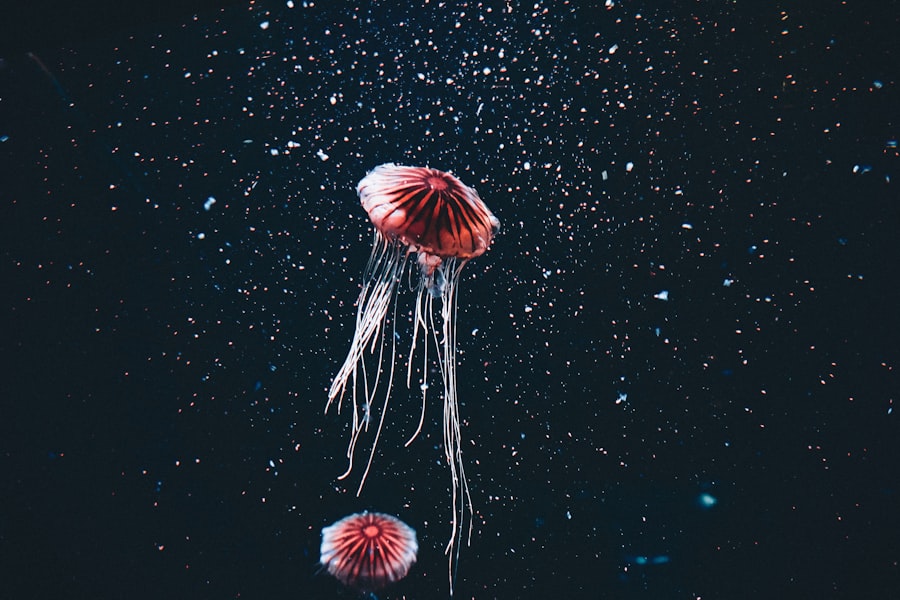
The deepest parts of the ocean, the hadal trenches, plunge to depths exceeding 6,000 meters (19,685 feet). These are the ultimate frontiers of exploration, regions of immense pressure, perpetual darkness, and extreme cold. Until recently, it was thought that life could not exist in such crushing environments. However, exploration with submersibles and remotely operated vehicles (ROVs) has revealed that even these extreme depths harbor life, albeit in a specialized and often sparse form.
Life Under Immense Pressure: Cellular Resilience
The pressures in the hadal zone are staggering, capable of crushing conventional submarines. Organisms living here have developed remarkable biochemical and structural adaptations to withstand these forces. Their cell membranes are more fluid, and their proteins are more stable, preventing them from denaturing under pressure.
Hadal Amphipods and Fish: Surviving the Extremes
Hadal amphipods, small, shrimp-like crustaceans, are among the most common inhabitants of the trenches. They scavenge for organic matter that settles on the trench floor. In some trenches, specialized fish, such as snailfish, have been observed, demonstrating an incredible ability to thrive under pressures exceeding 1,000 atmospheres.
Snailfish: The Deepest Vertebrates
The pink snailfish, discovered in the Mariana Trench, is one of the deepest-living vertebrates known. Its gelatinous body and lack of a swim bladder are adaptations that help it survive the immense pressure. These creatures feed on small invertebrates and scavenge for food, demonstrating the resilience of life even in the most extreme environments.
The mysterious world of deep ocean creatures continues to captivate scientists and enthusiasts alike, revealing astonishing adaptations and behaviors that challenge our understanding of life in extreme environments. For those interested in exploring this fascinating subject further, an insightful article on the topic can be found at Freaky Science, which delves into the unique characteristics of these enigmatic beings and their crucial role in the ocean ecosystem.
Scavengers of the Abyss: The Importance of Detritus
In the hadal zone, as in much of the deep ocean, the primary food source is detritus. This organic “snow” that drifts down from shallower waters provides the energy for these sparse ecosystems. Organisms here are often scavengers, patiently waiting for a meal to arrive.
The Future of Deep-Sea Exploration: Challenges and Discoveries

Despite significant advances in technology, the exploration of the deep ocean remains a daunting and expensive undertaking. The immense pressures, the vastness of the environment, and the logistical challenges of operating in such remote locations mean that much of the deep sea remains unexplored.
Technological Innovations: Pushing the Boundaries
The development of advanced submersibles, remotely operated vehicles (ROVs), autonomous underwater vehicles (AUVs), and sophisticated sampling equipment has been crucial in unveiling the mysteries of the deep. These technologies allow scientists to observe, collect data, and retrieve specimens from depths previously inaccessible.
Challenges of Sampling and Observation
Collecting delicate deep-sea organisms without damaging them is a significant challenge. The rapid pressure changes can be fatal, and the sheer remoteness of many deep-sea habitats makes frequent observation difficult. Researchers are constantly developing new techniques and equipment to overcome these hurdles.
The Uncharted Frontier: Biodiversity and Scientific Potential
The vast majority of the deep ocean remains unexplored, holding untold secrets about biodiversity, evolution, and potentially even novel biochemical compounds with pharmaceutical or industrial applications. Each new expedition brings the promise of discovering new species and understanding previously unknown ecological interactions.
Unveiling New Species and Ecosystems
The rate of discovery of new species in the deep sea is astonishing. From bizarre-looking fish with bioluminescent organs to unique microbial communities, the deep ocean is a treasure trove of evolutionary novelty. Understanding these new species and their roles in their respective ecosystems is a key goal of deep-sea research.
Potential for Biomedical and Industrial Applications
The unique biochemistry of deep-sea organisms, honed by millions of years of adaptation to extreme conditions, holds immense potential for scientific and commercial applications. Compounds found in deep-sea sponges, bacteria, and other organisms have already shown promise as antibiotics, anti-cancer agents, and industrial enzymes. The deep ocean may well hold the key to future medical breakthroughs and technological innovations.
The exploration of the mysterious creatures of the deep ocean is an ongoing testament to the resilience, adaptability, and sheer ingenuity of life on Earth. With each dive, each retrieved sample, and each new observation, humanity inches closer to understanding these alien worlds and the extraordinary beings that call them home. The deep sea remains a frontier, a place of wonder and discovery, beckoning us to continue our quest to unravel its profound and captivating secrets.

The Deeper You Go, the Less Life Looks Like Life
FAQs
What are some examples of creatures found in the deep ocean?
Some examples of creatures found in the deep ocean include anglerfish, gulper eels, vampire squids, giant isopods, and deep-sea jellyfish.
How do creatures in the deep ocean survive in such extreme conditions?
Creatures in the deep ocean have adapted to survive in extreme conditions by developing unique features such as bioluminescence, pressure-resistant bodies, and specialized feeding mechanisms.
What are some of the challenges faced by creatures in the deep ocean?
Some of the challenges faced by creatures in the deep ocean include extreme pressure, lack of sunlight for photosynthesis, and scarcity of food sources.
How do scientists study creatures in the deep ocean?
Scientists study creatures in the deep ocean using remotely operated vehicles (ROVs), deep-sea submersibles, and specialized equipment such as cameras and sensors designed for deep-sea exploration.
Why is it important to study creatures in the deep ocean?
Studying creatures in the deep ocean is important for understanding biodiversity, evolution, and the impact of human activities on deep-sea ecosystems. It also has potential applications in medicine, technology, and environmental conservation.