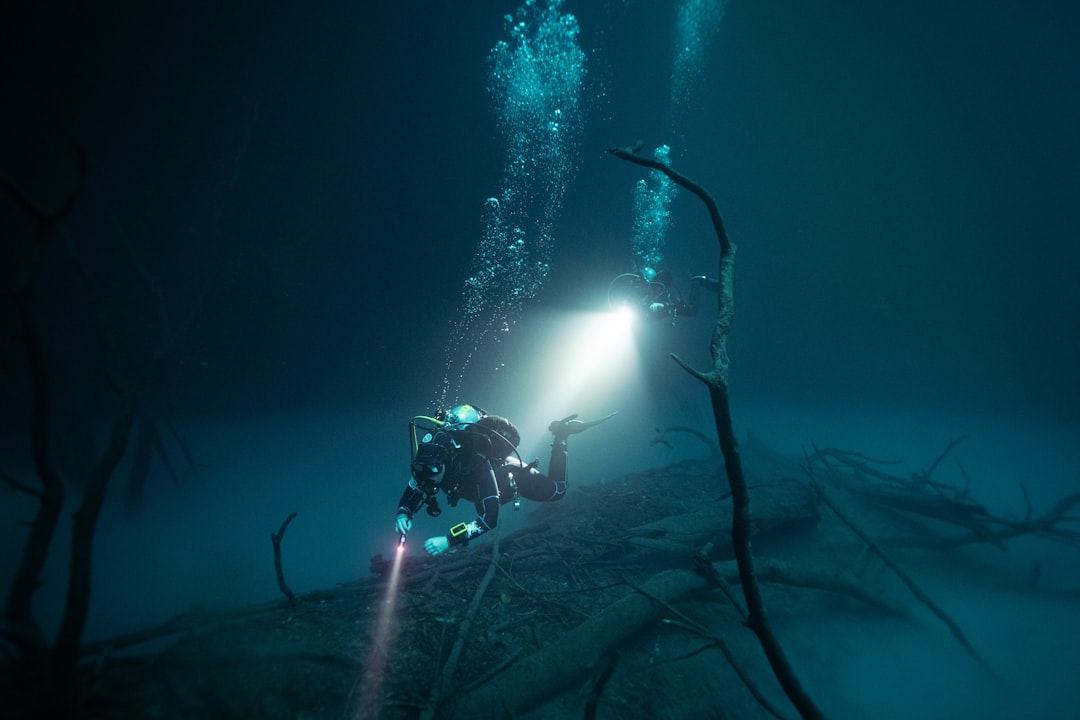
The crushing pressure, the absolute darkness, the frigid temperatures – these are the hallmarks of the abyss, a realm far beneath the sunlit surface of our oceans. Yet, life, in its extraordinary tenacity, not only endures but thrives in these extreme depths. Creatures of the abyss are not merely survivors; they are masters of a world that would instantaneously obliterate most terrestrial life. Their adaptations are testaments to the relentless power of evolution, shaping them into beings as alien as they are wondrous. This article delves into the captivating world of these deep-sea inhabitants, exploring their unique environments and the remarkable strategies they employ to navigate and conquer the planet’s most formidable frontier.
The abyss, generally considered to be the ocean depths below 2,000 meters (6,560 feet), is a vast and largely unexplored frontier. It is a realm characterized by extreme conditions that demand highly specialized adaptations for survival. Understanding these environmental pressures is crucial to appreciating the marvels of abyssal life.
Crushing Pressure: A Constant Embrace
One of the most defining features of the abyss is the immense hydrostatic pressure. For every 10 meters of water depth, pressure increases by approximately one atmosphere (atm). At 4,000 meters, the pressure can be over 400 times that at sea level. This is equivalent to having a large elephant standing on every square inch of an organism’s body.
Cellular and Biochemical Adaptations
For a long time, it was believed that life at such pressures was impossible due to the denaturation of proteins and the disruption of cellular membranes. However, abyssal creatures have evolved sophisticated biochemical and cellular mechanisms to counteract these effects.
Piezolytes and Protein Stability
A key adaptation involves the production of organic molecules known as piezolytes. These small, water-soluble compounds, such as trimethylamine N-oxide (TMAO), accumulate within cells. TMAO acts as a stabilizer, counteracting the pressure-induced destabilization of proteins and enzymes, allowing them to function normally. Without TMAO, the enzymes of deep-sea organisms would become inactive under pressure.
Membrane Fluidity
Cellular membranes, composed of lipids, can become too rigid under extreme pressure, impairing their function. Abyssal creatures have adapted by altering the fatty acid composition of their cell membranes. They incorporate a higher proportion of unsaturated fatty acids, which have kinks in their molecular structure, preventing them from packing too tightly and maintaining membrane fluidity even at immense pressures.
Perpetual Darkness: A World Without Light
Sunlight, the primary energy source for most life on Earth, penetrates only the uppermost layers of the ocean. Below the photic zone, which extends to about 200 meters, lies a realm of perpetual darkness. This lack of light has profound implications for the senses, feeding strategies, and communication of abyssal organisms.
Sensory Specializations: Seeing in the Dark
In the absence of sunlight, vision as we know it is largely irrelevant. However, many abyssal creatures have developed specialized sensory organs to detect their surroundings and prey.
Enhanced Vision for Faint Light
Some deep-sea fish, like the Barreleye fish (Macropinna microstoma), possess incredibly sensitive eyes capable of detecting faint bioluminescent flashes from prey or other organisms. Their tubular eyes, often pointing upwards, are designed to capture the maximum amount of available light, even the dim glow of bioluminescence.
Non-Visual Sensory Perception
For many abyssal inhabitants, the dominant senses are not visual. They rely heavily on other sensory modalities to navigate, find food, and avoid predators.
Mechanoreception: Feeling the Vibrations
Lateral lines, sensitive organs found along the sides of fish, are highly developed in deep-sea species. These systems detect subtle changes in water pressure and movement, allowing them to sense the presence of prey, predators, or currents in the darkness.
Chemosensation: Tasting the Water
The sense of smell and taste (chemosensation) is crucial for locating food sources that may be far away. Many abyssal predators have an exceptional ability to detect minute traces of chemicals released by potential meals, guiding them through the dark waters.
Frigid Temperatures: The Cold Embrace
The abyss is characterized by extremely low temperatures, typically ranging from 0°C to 4°C (32°F to 39°F). These near-freezing conditions require organisms to adapt their metabolic processes and cellular functions.
Metabolic Adaptations: Slowing Down to Survive
Metabolic rates in abyssal creatures are generally much slower than those of their shallower counterparts. This allows them to conserve energy in a food-scarce environment.
Low Basal Metabolic Rates
Reduced metabolic rates mean that these animals require less energy to maintain their bodily functions. This is advantageous in an environment where food is often patchy and difficult to find.
Enzyme Efficiency at Low Temperatures
Enzymes, the workhorses of cellular processes, can become sluggish at low temperatures. Abyssal organisms have evolved enzymes that are highly efficient and functional even in the cold, ensuring that essential biochemical reactions can still occur.
Food Scarcity: The Eternal Challenge
The deep sea is a food-limited environment. Unlike surface waters where photosynthesis fuels a vibrant ecosystem, the abyss relies on organic matter that sinks from above – a phenomenon known as “marine snow.” This sparse and unpredictable food source has shaped the feeding strategies and overall biology of abyssal life.
Efficient Feeding Strategies
Abyssal creatures have evolved a variety of ingenious methods to maximize their chances of finding and consuming food.
Opportunistic Predation
Many deep-sea predators are opportunistic, consuming whatever they can find. They may have large mouths and expandable stomachs to accommodate infrequent but substantial meals.
Lures and Deception
Bioluminescence plays a critical role in luring prey in the darkness. The anglerfish, perhaps the most iconic example, uses a bioluminescent lure that dangles in front of its mouth, attracting unsuspecting smaller fish.
Scavenging and Detritivory
A significant portion of the abyssal ecosystem relies on scavengers and detritivores that feed on the sinking organic matter and carcasses. These organisms are essential for recycling nutrients in the deep sea.
In exploring the fascinating world of deep-sea creatures, one can learn about the unique adaptations that allow animals to thrive in extreme depths where pressure is immense and light is scarce. For a deeper understanding of these remarkable organisms, you can read an insightful article on this topic at Freaky Science, which delves into the biology and ecology of life in the ocean’s abyss.
Masters of Bioluminescence: The Living Lights of the Deep
Bioluminescence, the production of light by living organisms, is a pervasive and vital phenomenon in the abyss. In a world devoid of sunlight, these living lights serve a multitude of purposes, from communication and camouflage to predation and defense.
Functions of Bioluminescence: A Symphony of Light
The diversity of bioluminescent displays and their applications is staggering, reflecting the varied needs of different abyssal species.
Predatory Strategies: Attracting and Capturing Prey
Bioluminescence is a powerful tool for the hunter in the darkness.
Luring Prey with Light
As mentioned, the anglerfish’s esca, a fleshy appendage filled with bioluminescent bacteria, is a classic example of a bioluminescent lure. Other deep-sea fish employ glowing filaments or internal lights to attract curious smaller organisms.
Illuminating Prey
Some predators, like the dragonfish, have photophores (light-producing organs) near their eyes that can illuminate their surroundings, allowing them to spot prey in the otherwise impenetrable darkness.
Defensive Mechanisms: Evading Predators
Bioluminescence is also a crucial defense mechanism for survival in the deep sea.
Startling and Confusing Predators
A sudden flash of light can momentarily startle or disorient a predator, giving the prey a chance to escape. Some species, like certain squid and shrimp, can release clouds of bioluminescent fluid, creating a dazzling diversion.
Counterillumination: Blending In
Counterillumination is a remarkable form of camouflage. Many mesopelagic and bathyal organisms have photophores on their undersides that emit light matching the faint downwelling light from the surface. This effectively erases their silhouette, making them invisible to predators hunting from below.
Communication and Recognition: The Language of Light
Bioluminescence also plays a role in social interactions and species recognition.
Signaling to Mates
Specific patterns and flashes of light can be used to attract mates, especially in species where visual cues are otherwise limited.
Species Identification
The unique patterns of photophores can help individuals recognize members of their own species, facilitating schooling or reproductive behaviors.
The Chemistry of Light: Cold Fire
The production of light in living organisms is a chemical reaction. Bioluminescence typically involves an enzyme called luciferase, which catalyzes the oxidation of a light-emitting molecule called luciferin.
Luciferin and Luciferase: The Essential Duo
The specific chemical structures of luciferin and luciferase vary between species, leading to different colors and intensities of light. The reactions are remarkably efficient, producing “cold light” with very little heat loss.
Symbiotic Bacteria: Nature’s Light Bulbs
In many cases, deep-sea organisms do not produce light themselves but host bioluminescent bacteria in specialized organs. These bacteria live in a symbiotic relationship, providing light in exchange for a safe haven and nutrients.
Remarkable Adaptations of Deep-Sea Fauna: Beyond the Familiar

The creatures of the abyss exhibit a breathtaking array of adaptations that allow them to thrive in their extreme environment. These adaptations extend beyond the basic principles of pressure, darkness, and cold, encompassing unique anatomical, physiological, and behavioral modifications.
Anatomical Wonders: Forms Shaped by Extremes
The physical forms of abyssal animals are often a direct consequence of the pressures and resources available in their habitat.
Gigantism and Dwarfism: An Evolutionary Paradox
The deep sea is home to examples of both extreme gigantism and dwarfism. Giant isopods, relatives of common terrestrial woodlice, can reach over 30 cm in length, while some deep-sea anglerfish species exhibit extreme sexual dimorphism, with the males being tiny parasites on the females.
The Enigma of Deep-Sea Gigantism
The exact reasons for gigantism in some deep-sea species are still debated. Theories include increased oxygen availability in colder waters, slower metabolism allowing for larger growth, and reduced predation pressure favoring larger individuals.
Sexual Parasitism in Anglerfish
In many anglerfish species, the males are dwarfed and fuse themselves to the much larger females. They become reliant on the female’s blood supply for nutrients, their sole purpose being to provide sperm when the female is ready to reproduce. This adaptation ensures reproduction in a sparsely populated environment.
Specialized Mouths and Digestive Systems: Maximizing Nutrient Intake
Given the scarcity of food, abyssal creatures have evolved highly efficient feeding apparatus.
Huge Jaws and Teeth
Many deep-sea predators possess enormous mouths, often lined with needle-sharp, inward-pointing teeth. This design prevents prey from escaping once captured and allows them to swallow prey larger than their own heads.
Expandable Stomachs
To accommodate infrequent large meals, some deep-sea fish have highly expandable stomachs, allowing them to consume prey that could be many times their own size.
Transparency and Red Pigmentation: Blending with the Void
Coloration plays a critical role in camouflage in the deep sea.
Transparent Bodies
Many gelatinous or soft-bodied invertebrates are transparent, making them virtually invisible in the water column. This adaptation is a form of camouflage that helps them avoid both predators and prey.
Red Pigmentation
While many deep-sea creatures appear black or dark red, the latter color is particularly effective for camouflage. Red light is absorbed and scattered by the water column at relatively shallow depths. Therefore, red-colored animals appear black in the deep sea, effectively disappearing against the dark background.
Physiological Strategies: Surviving the Stressors
Beyond anatomical features, deep-sea animals employ sophisticated physiological adaptations to survive their challenging habitat.
Low Metabolic Rates and Energy Conservation
As previously mentioned, low metabolic rates are crucial for energy conservation in food-scarce environments. This is achieved through various physiological mechanisms.
Reduced Growth Rates
Slower growth rates help to minimize energy expenditure, as less energy is required for development and maintenance.
Extended Lifespans
Some deep-sea organisms are believed to have remarkably long lifespans, potentially due to their slow metabolisms and reduced exposure to predation.
Efficient Respiration: Extracting Oxygen from Thin Air (of Water)
Even in the cold, oxygen-rich waters of the abyss, efficient respiration is vital.
Large Gill Surface Areas
Some deep-sea fish have evolved large gill surface areas to maximize oxygen extraction from the water.
Specialized Hemoglobin
Certain species may have hemoglobin with a higher affinity for oxygen, allowing them to efficiently bind and transport oxygen even at low concentrations.
Navigating the Abyss: Locomotion and Sensory Perception

Moving and finding one’s way in the three-dimensional, lightless environment of the abyss presents unique challenges that have led to specialized forms of locomotion and sensory perception.
Locomotion in the Deep: Slow and Steady Wins the Race
Movement in the abyss is often characterized by energy efficiency and deliberate action.
Buoyancy Control: Staying Afloat with Ease
Many abyssal creatures, particularly fish, have adaptations to control their buoyancy without relying on swim bladders, which can collapse under extreme pressure.
Fatty Tissues and Reduced Skeletal Density
Some fish possess large amounts of low-density lipids (fats) in their bodies, which provide natural buoyancy. Others have reduced skeletal mass and cartilaginous structures that are less dense than bone.
Slow and Deliberate Swimming
Many deep-sea animals move slowly and deliberately, conserving energy and minimizing disturbance that might attract predators. They may drift with currents for long distances.
Specialized Appendages: Tools for the Deep
The fins and appendages of abyssal creatures are often adapted for their specific lifestyles.
Elongated Fins for Sensing and Stability
Some fish have greatly elongated fins, which can be used for sensing their surroundings, providing stability, or even as a means of slow propulsion.
Modified Appendages for Walking and Grasping
Certain benthic (bottom-dwelling) creatures have modified appendages that allow them to walk along the seabed or grasp onto substrates.
Sensory Systems: Perceiving a World of Echoes and Scents
In the absence of light, the senses of touch, smell, taste, and hearing become paramount.
Mechanosensation: The Art of Feeling Water
The lateral line system, a series of sensory pores that detect water movement, is highly developed in abyssal fish.
Detecting Prey and Predators
These systems can detect the subtle vibrations caused by swimming prey or the approach of a predator, even at considerable distances.
Sensing Currents and Orientation
The lateral line can also help organisms orient themselves within currents and navigate their environment.
Chemoreception: Tasting the Invisible
The ability to detect chemical cues is essential for finding food and mates in the vastness of the abyss.
Highly Developed Olfactory Organs
Many deep-sea animals have enlarged olfactory organs, allowing them to detect minute concentrations of pheromones or the scent of decaying organic matter from afar.
Specialized Taste Receptors
Taste receptors are also important for identifying suitable food sources.
Echolocation (in a few cases): Sound as a Sixth Sense
While not as common as in marine mammals, some deep-sea organisms may employ rudimentary forms of echolocation, using sound to navigate and detect objects.
Deep beneath the ocean’s surface, a fascinating array of creatures thrive in extreme depths, showcasing the incredible adaptability of life. These organisms have evolved unique features to survive in such harsh environments, where pressure is immense and light is scarce. For a deeper understanding of these remarkable animals, you can explore an insightful article on the subject at Freaky Science, which delves into the adaptations and behaviors of deep-sea dwellers.
The Unveiling Frontier: Research and Future Discoveries
| Animal | Depth (meters) | Adaptations |
|---|---|---|
| Giant Tube Worm | Up to 2,500 | Chemical energy from deep-sea vents |
| Anglerfish | Up to 1,000 | Bioluminescent lure to attract prey |
| Goblin Shark | Up to 1,300 | Extendable jaws for catching prey |
| Deep-Sea Hatchetfish | Up to 1,000 | Bioluminescent organs for camouflage |
The study of abyssal creatures is a relatively young field, with vast expanses of the deep sea remaining unexplored. Our understanding of these enigmatic life forms is constantly evolving as new technologies and research methods emerge.
The Challenges of Deep-Sea Exploration: Pushing the Boundaries of Technology
Exploring the abyss requires specialized equipment and techniques capable of withstanding immense pressures and operating in complete darkness.
Remotely Operated Vehicles (ROVs) and Autonomous Underwater Vehicles (AUVs)
ROVs, tethered to a surface vessel, and AUVs, operating independently, are indispensable tools for deep-sea exploration. They are equipped with cameras, lights, sampling arms, and sensors, allowing scientists to observe, collect specimens, and gather data from depths that were once inaccessible.
Submersibles: Manned Missions to the Depths
Human-occupied submersibles offer a unique perspective, allowing scientists to directly witness the abyssal environment. However, these missions are complex and expensive.
Challenges of Sample Collection and Preservation
Bringing delicate deep-sea organisms to the surface and preserving their biological integrity poses significant challenges due to the drastic changes in pressure and temperature. Specialized collection and preservation techniques are essential.
Insights from the Abyss: Understanding Life’s Extremes
The study of abyssal life offers invaluable insights into the fundamental principles of biology and the potential for life in other extreme environments, both on Earth and beyond.
Astrobiological Implications: Searching for Life Beyond Earth
The ability of life to thrive in the harsh conditions of the abyss has profound implications for astrobiology. It suggests that life might exist in similar extreme environments on other planets or moons within our solar system, such as the subsurface oceans of Europa or Enceladus.
Biomedical and Pharmaceutical Potential
The unique biochemical compounds and enzymes found in abyssal organisms, evolved to function under extreme pressure and temperature, hold immense potential for biomedical and pharmaceutical applications. These could include novel antibiotics, enzymes for industrial processes, or compounds with anti-cancer properties.
Conservation Concerns: Protecting a Fragile Ecosystem
As human activities, such as deep-sea mining and bottom trawling, increasingly impact the deep ocean, understanding and protecting these unique ecosystems becomes paramount. Many abyssal species are likely slow-growing and have long lifespans, making them particularly vulnerable to disturbance.
The Future of Abyssal Research: A World of Untold Discoveries
The abyss remains one of the last true frontiers on Earth. As technology advances, we can expect a continuous stream of new discoveries that will further illuminate the lives of these extraordinary creatures and expand our understanding of life itself. The ongoing exploration of the abyss promises to reveal even more wonders, challenging our perceptions of what is possible and inspiring awe at the resilience and ingenuity of life in its most extreme forms.

The Deeper You Go, the Less Life Looks Like Life
FAQs
What are some examples of animals that live in extreme depths?
Some examples of animals that live in extreme depths include the anglerfish, gulper eel, vampire squid, and deep-sea hatchetfish. These creatures have adapted to survive in the extreme pressure, darkness, and cold temperatures of the deep ocean.
How do animals that live in extreme depths survive?
Animals that live in extreme depths have evolved unique adaptations to survive in their harsh environment. These adaptations may include bioluminescence for communication and hunting, specialized body shapes for conserving energy and capturing prey, and the ability to withstand high pressure and low oxygen levels.
What are some challenges faced by animals living in extreme depths?
Animals living in extreme depths face numerous challenges, including extreme pressure, lack of sunlight for photosynthesis, scarcity of food, and low oxygen levels. These challenges have led to the evolution of specialized adaptations in deep-sea creatures.
How do animals in extreme depths find food?
Animals in extreme depths find food through a variety of methods, including scavenging, hunting using bioluminescence to attract prey, and filter-feeding on particles in the water. Some deep-sea creatures have developed unique feeding strategies to capture prey in the darkness of the deep ocean.
Why is it important to study animals that live in extreme depths?
Studying animals that live in extreme depths provides valuable insights into the adaptations and survival strategies of organisms in extreme environments. This knowledge can inform conservation efforts, inspire biomimicry for technological advancements, and contribute to our understanding of the diversity of life on Earth.