Survival in the Depths: Deep Sea Animal Adaptations
The crushing pressures, the absolute darkness, and the frigid temperatures of the deep sea represent one of Earth’s most extreme environments. Yet, life not only persists here, but thrives, a testament to the remarkable power of adaptation. For creatures dwelling in these abyssal realms, survival is a constant, ingenious negotiation with the unforgiving conditions. These organisms have evolved a breathtaking array of specialized features, from bioluminescent lures to gelatinous bodies, allowing them to find food, avoid predators, and reproduce in a world few humans can even comprehend. This article delves into the extraordinary adaptations that enable deep-sea animals to conquer the darkness and the pressure, transforming the seemingly inhospitable depths into a vibrant, albeit alien, ecosystem.
The sheer weight of the water column exerts unimaginable pressure on deep-sea inhabitants. For every ten meters descended, the pressure increases by one atmosphere. At the deepest oceanic trenches, such as the Mariana Trench, pressures can exceed 1,000 atmospheres, equivalent to having 50 jumbo jets stacked on top of a person. For a surface-dwelling creature, this would instantly obliterate all internal organs. Deep-sea animals, however, have developed sophisticated physiological and anatomical solutions to this crushing force.
Buoyancy and Structural Integrity
Many deep-sea organisms have evolved to have a body composition that is nearly neutral in buoyancy, minimizing their need for active swimming and reducing the strain of buoyancy control under immense pressure. This often involves a high water content in their tissues.
Gelatinous and Flabby Forms
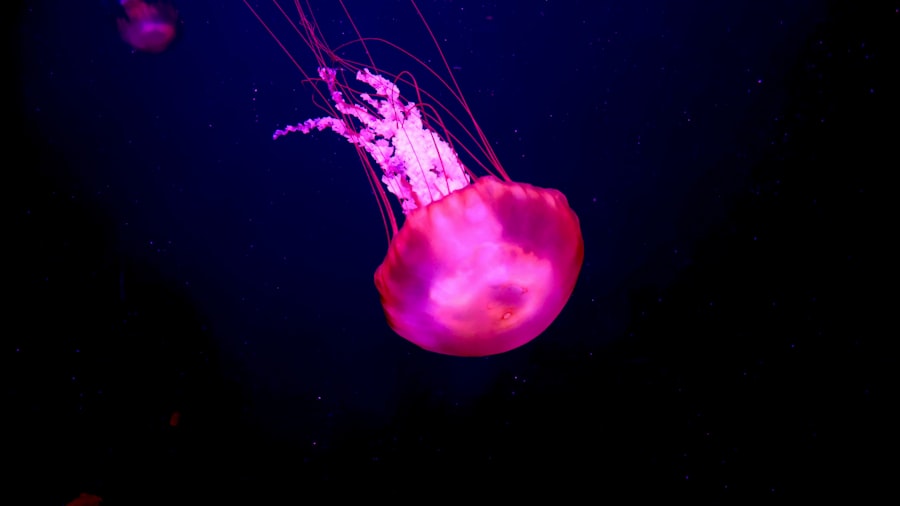
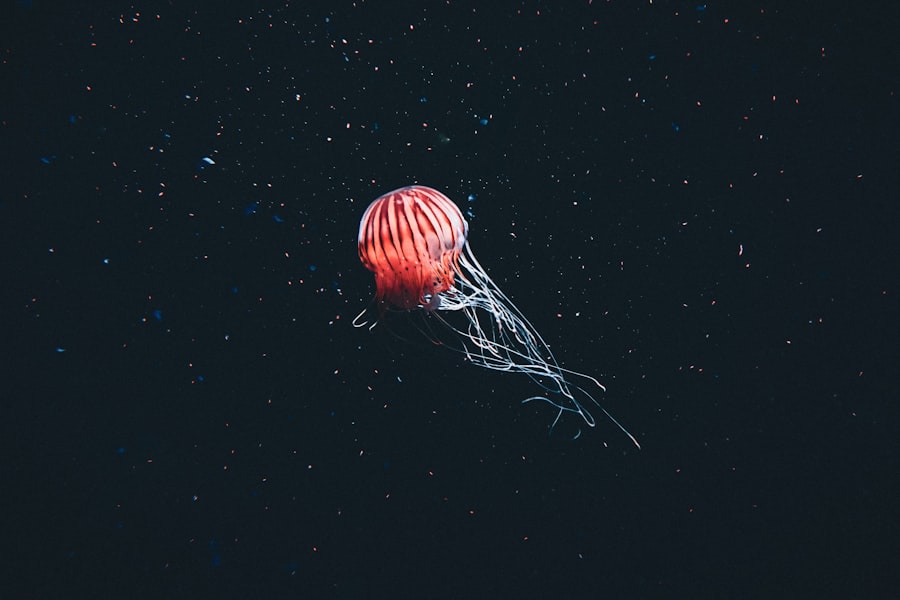
A significant number of deep-sea invertebrates and fish possess gelatinous or flabby bodies. This soft, watery tissue is far more compressible than bone or muscle, allowing it to withstand pressure without being crushed. Many jellyfish, siphonophores, and certain species of fish, like the blobfish, exemplify this adaptation. Their lack of rigid skeletal structures means that when brought to the surface, they often appear as shapeless blobs because the pressure differential causes their tissues to expand and lose their characteristic form. However, in their natural environment, this seemingly vulnerable state is a key to their survival.
Reduced or Absent Swim Bladders
For fish that live in shallower waters, swim bladders filled with gas are crucial for maintaining neutral buoyancy. However, in the deep sea, these gas-filled organs would be compressed to an unusable size by the extreme pressure, or worse, would collapse violently. Many deep-sea fish have either greatly reduced swim bladders or have lost them entirely. They achieve buoyancy through other means, such as having low-density tissues, high fat content, or specialized bone structures.
Biochemical Adaptations for Pressure Resistance
Beyond structural adaptations, deep-sea animals have also evolved biochemical mechanisms to maintain cellular function under high pressure.
Accumulation of Osmolytes
High hydrostatic pressure can disrupt the normal functioning of proteins and enzymes by altering their three-dimensional structures. To counteract this, many deep-sea organisms accumulate high concentrations of specific organic molecules, known as osmolytes, within their cells. These osmolytes, such as trimethylamine N-oxide (TMAO), act as piezolytes, stabilizing protein structures and maintaining enzyme activity in the face of extreme pressure. TMAO essentially buffers the effects of pressure, allowing essential biochemical processes to continue unimpeded.
Flexible Cell Membranes
The fluidity of cell membranes is critical for their function, but high pressure can reduce membrane fluidity, hindering nutrient transport and signal transduction. Deep-sea animals often possess cell membranes with a higher proportion of unsaturated fatty acids. These unsaturated fatty acids have kinks in their molecular structure, preventing them from packing together as tightly, thus maintaining membrane fluidity even under immense pressure.
Deep sea animals have evolved a fascinating array of adaptations that enable them to thrive in one of the most extreme environments on Earth. From bioluminescence to unique feeding strategies, these creatures showcase the incredible diversity of life beneath the ocean’s surface. For a deeper understanding of these adaptations and their significance, you can explore a related article at Freaky Science. This resource delves into the various survival mechanisms employed by deep sea organisms, highlighting the wonders of marine biology.
The Everlasting Night: Vision and Bioluminescence
The surface light penetrates only a few hundred meters into the ocean, creating a twilight zone. Below this, the perpetual darkness of the deep sea reigns. For animals in this environment, vision is either highly specialized or entirely absent, with many relying on their own light to navigate, hunt, and communicate.
Masters of the Dim Light
In the mesopelagic zone, where some sunlight still filters through, animals have evolved to capture every available photon.
Enlarged Eyes for Maximum Light Capture
Many deep-sea fish possess disproportionately large eyes, often spherical and positioned to maximize the intake of faint light. These eyes have a higher density of rod cells, which are more sensitive to low light levels than cone cells responsible for color vision. Some species even have tubular eyes that are fixed and point upwards, allowing them to detect the silhouettes of prey against the faint glow from above.
Specialized Photopigments
The visual pigments within the eyes of deep-sea animals are finely tuned to the specific wavelengths of light that penetrate to their depth. As light filters down through the water, blue light is transmitted most effectively. Therefore, many deep-sea animals have visual pigments that are most sensitive to blue light, allowing them to perceive the faint blue glow of the ocean.
The Inner Light: Bioluminescence
Bioluminescence, the production of light by living organisms, is a ubiquitous phenomenon in the deep sea, serving a multitude of purposes.
Lures and Baits for Predation
One of the most iconic uses of bioluminescence is as a lure for attracting prey. The anglerfish, for instance, possesses a bioluminescent esca, a fleshy appendage that dangles in front of its mouth. This glowing lure mimics small prey, drawing unsuspecting organisms closer to the anglerfish’s formidable jaws.
Communication and Mating Signals
Bioluminescence also plays a crucial role in communication and reproduction. Many species use specific flashing patterns or light organ arrangements to signal their species identity, attract mates, or ward off rivals. The light patterns can be as complex as Morse code, ensuring that individuals can find and recognize each other in the vast darkness.
Camouflage and Defense Mechanisms
Counter-illumination, a form of camouflage, is another clever use of bioluminescence. Animals living in the twilight zone often have photophores on their undersides that emit light matching the faint downwelling light. This effectively hides their silhouettes from predators lurking below, making them invisible against the illuminated surface. Other animals, when threatened, might release a cloud of bioluminescent material, creating a dazzling distraction that allows them to escape.
The Scarcity of Sustenance: Feeding Strategies
Food is a precious commodity in the deep sea. Prey is often sparse, and energy expenditure must be minimized. Deep-sea animals have developed remarkable strategies to find, capture, and conserve food.
Opportunistic and Efficient Hunters
With limited prey availability, deep-sea predators are often highly specialized and opportunistic.
Large Mouths and Expandable Stomachs
Many deep-sea predators, such as viperfish and gulper eels, possess enormous mouths and jaws that can extend dramatically. This allows them to engulf prey much larger than themselves, ensuring that they can capitalize on any meal they encounter, even if it’s infrequent. Their stomachs are often elastic and expandable, capable of holding large meals that can sustain them for extended periods.
Sit-and-Wait Predation
Conserving energy is paramount. Many deep-sea predators adopt a “sit-and-wait” strategy. They remain motionless, conserving energy, and relying on their senses or lures to attract prey. This is particularly common among sessile or slow-moving invertebrates and fish.
Scavenging and Detritus Feeding
When living prey is scarce, deep-sea animals have evolved to utilize the food that drifts down from the upper ocean.
The Marine Snow Ecosystem
The continuous fall of organic matter from the surface, known as “marine snow,” forms the base of the food web for many deep-sea organisms. This includes dead plankton, fecal pellets, and decaying larger organisms. Detritus feeders, such as sea cucumbers and amphipods, sift through this falling organic material, extracting nutrients.
Detritivores and Deposit Feeders
Specialized adaptations allow animals to efficiently process this detritus. Deposit feeders, like many polychaete worms and bivalves, ingest large quantities of sediment, extracting organic particles. Their digestive systems are equipped to break down tough organic matter, making use of this otherwise indigestible material.
The Chill of the Deep: Thermoregulation and Metabolism
The deep sea is a frigid environment, with temperatures often hovering just above freezing. Maintaining cellular function at these low temperatures requires significant physiological adaptations.
Metabolic Rates and Energy Conservation
Life in the cold deep sea demands a careful balance between maintaining metabolic activity and conserving energy.
Slowed Metabolism and Long Lifespans
Many deep-sea animals have significantly slower metabolic rates compared to their shallow-water counterparts. This means they require less food and oxygen to survive. This slower metabolism is often linked to exceptionally long lifespans, with some species living for centuries.
Homeoviscous Adaptation
As mentioned earlier, adaptations in cell membranes, such as increased unsaturation of fatty acids, are crucial for maintaining fluidity in the cold. This is a key aspect of homeoviscous adaptation, ensuring that cellular processes can function effectively even at low temperatures.
Antifreeze Proteins
For some species that venture into polar or extremely cold deep-sea regions, the presence of ice crystals within their bodies can be lethal.
Glycoproteins and Their Role
Certain fish species, particularly in the Antarctic, have evolved antifreeze glycoproteins (AFGPs). These proteins bind to small ice crystals, preventing them from growing and damaging cells. This remarkable adaptation allows them to survive in water that would otherwise freeze their bodily fluids.
Deep sea animals exhibit fascinating adaptations that allow them to thrive in one of the most extreme environments on Earth. From bioluminescence to unique feeding strategies, these creatures have evolved remarkable traits to survive in complete darkness and high pressure. For a deeper understanding of these adaptations, you can explore a related article that delves into the various survival mechanisms of deep sea life. Check it out here to learn more about the incredible ways these animals have adapted to their environment.
The Challenge of Reproduction: Finding a Mate and Raising Young
| Adaptation | Description |
|---|---|
| Bioluminescence | Some deep sea animals produce their own light to attract prey or communicate with others in the dark depths. |
| Pressure resistance | Deep sea animals have adapted to withstand the extreme pressure of the deep ocean, often through specialized body structures. |
| Gigantism | Many deep sea animals have evolved to grow to enormous sizes, which helps them survive in the harsh deep sea environment. |
| Camouflage | Some deep sea animals have developed camouflage techniques to blend in with their surroundings and avoid predators. |
| Reduced metabolism | Deep sea animals often have slow metabolisms to conserve energy in the food-scarce environment of the deep ocean. |
Reproducing in the vast, dark expanse of the deep sea presents unique challenges, primarily centered around finding a mate and ensuring the survival of offspring.
Unusual Mating Strategies
The low population densities and immense distances between individuals necessitate specialized reproductive strategies.
Hermaphroditism and Parasitic Males
To overcome the difficulty of finding a mate, some deep-sea species have evolved hermaphroditism, possessing both male and female reproductive organs. This increases the chances of successful reproduction with any encountered individual. A more extreme adaptation is found in some anglerfish species, where the males are significantly smaller than the females and are parasitic. Upon finding a female, the tiny male bites onto her, fusing his circulatory system with hers. He then degenerates, becoming a sperm-producing appendage for the female, ensuring his genetic contribution is passed on without the need for constant searching.
Bioluminescent Displays for Attraction
As previously discussed, bioluminescent signals are vital for mate attraction. Specific patterns and colors of light can signal a species’ presence and readiness to mate, guiding potential partners through the darkness.
Parental Care and Larval Survival
Ensuring the survival of offspring in such a harsh environment is a significant hurdle.
Brooding and Live Birth
Some deep-sea invertebrates practice brooding, carrying their eggs or young until they are developed enough to survive independently. Certain fish species give birth to live young, providing a more advanced start for their offspring.
Veliger Larvae and Dispersion
Many deep-sea invertebrates release planktonic larvae that drift with the currents. While this increases dispersal and the chances of colonizing new areas, it also exposes the vulnerable larvae to predation and the rigors of the deep-sea environment. The survival rate for these larvae is often very low, requiring large numbers to be produced to ensure some reach maturity.
The deep sea, once thought to be a barren void, is now understood to be a realm of incredible biodiversity and ingenious adaptation. The creatures that inhabit these extreme depths are a testament to the resilience and adaptability of life. From their gelatinous bodies that defy immense pressure to their bioluminescent signals that pierce the perpetual night, each adaptation is a finely tuned solution to the unique challenges of survival. As our understanding of the deep sea continues to grow, so too does our awe for the extraordinary life that thrives in Earth’s last frontier.

The Deeper You Go, the Less Life Looks Like Life
FAQs
What are deep sea animal adaptations?
Deep sea animal adaptations are the unique physical and behavioral characteristics that allow organisms to survive in the extreme conditions of the deep ocean, including high pressure, low temperatures, and limited food sources.
What are some examples of deep sea animal adaptations?
Examples of deep sea animal adaptations include bioluminescence, which allows organisms to produce their own light to attract prey or communicate with others in the dark depths, as well as specialized body shapes and sizes that help animals conserve energy and navigate the water column.
How do deep sea animals adapt to high pressure environments?
Deep sea animals have adapted to high pressure environments by developing flexible bodies and internal structures that can withstand the immense pressure of the deep ocean. Some species also have specialized proteins and enzymes that allow them to function normally under these extreme conditions.
What role does bioluminescence play in deep sea animal adaptations?
Bioluminescence is a key adaptation for deep sea animals, as it allows them to attract prey, communicate with potential mates, and avoid predators in the dark depths where sunlight does not penetrate. This ability to produce light is crucial for survival in the deep ocean.
How do deep sea animals adapt to limited food sources?
Deep sea animals have adapted to limited food sources by developing slow metabolisms, efficient digestive systems, and the ability to go for long periods of time without eating. Some species also have specialized feeding strategies, such as filter feeding or scavenging, to make the most of scarce food resources in the deep ocean.