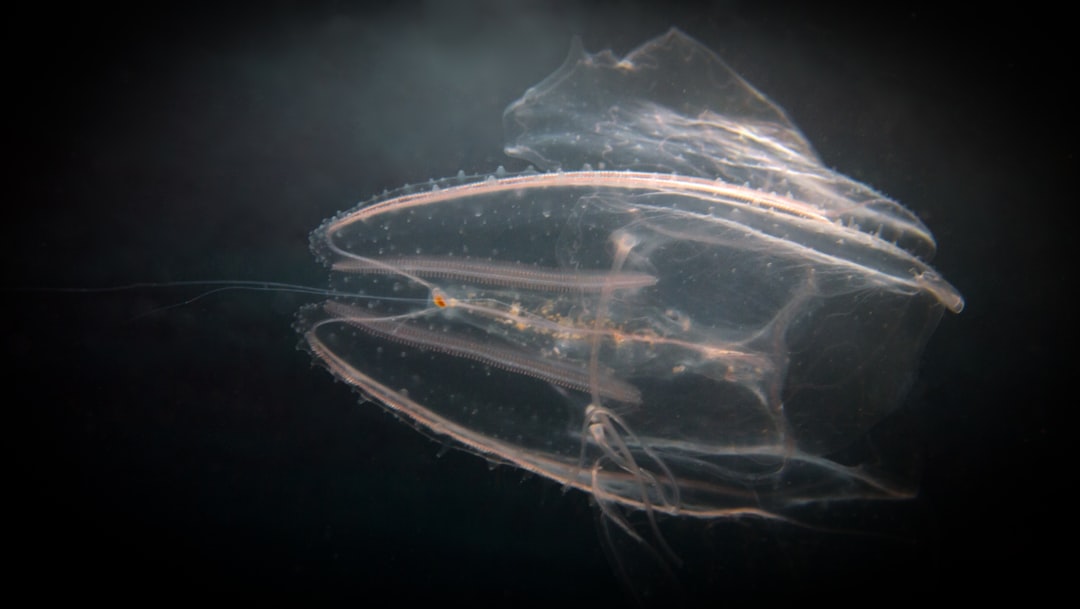
The abyss, a realm of perpetual darkness and crushing pressure, remains one of Earth’s most enigmatic frontiers. For millennia, life has persisted and even thrived in these extreme conditions, a testament to the remarkable adaptability of deep-sea creatures. Their evolution is a captivating narrative of how life, under immense environmental pressures, can forge novel strategies for survival, reproduction, and sustenance, leading to forms and functions that often appear alien. This article delves into the evolutionary journey of these extraordinary organisms, exploring the unique challenges of their environment and the ingenious adaptations that have allowed them to conquer the deep.
The deep sea, generally considered to be waters below 200 meters (656 feet), is characterized by a suite of extreme conditions that would be lethal to most surface-dwelling life. Understanding these factors is crucial to appreciating the evolutionary pressures that have shaped deep-sea fauna.
Immense Pressure: The Weight of the World
One of the most defining characteristics of the deep sea is the hydrostatic pressure. For every 10 meters of depth, the pressure increases by approximately one atmosphere. At depths of thousands of meters, this pressure is immense, capable of crushing a submarine not specifically designed to withstand it.
- Physiological Adaptations to Pressure: Deep-sea organisms have evolved remarkable physiological mechanisms to cope with this relentless force. Many possess bodies with a high water content, meaning their tissues are largely incompressible. They lack air-filled cavities, such as swim bladders, which would collapse under pressure. Instead, they often rely on lipid-rich tissues or other specialized structures for buoyancy.
- Biochemical Adjustments: At a molecular level, enzymes and cell membranes must function optimally under high pressure. Researchers have discovered that many deep-sea organisms have adapted their proteins to be more pressure-resistant, often through changes in their amino acid composition. This allows for essential metabolic processes to continue unimpeded.
Eternal Darkness: A World Without Sunlight
Sunlight, the primary energy source for most of Earth’s ecosystems, penetrates only the uppermost layers of the ocean. Below the photic zone, the deep sea is plunged into perpetual darkness. This absence of light has profound implications for the evolution of vision, foraging, and communication.
- Evolution of Sensory Systems: While some deep-sea creatures have lost the ability to see entirely, others have evolved highly specialized visual systems. Many possess large, sensitive eyes capable of detecting even the faintest bioluminescent flickers in the gloom. Conversely, some species living in the absolute deepest parts of the ocean have regressed eyes or entirely absent visual organs, relying instead on other senses.
- The Rise of Bioluminescence: In the absence of sunlight, bioluminescence, the production of light by living organisms, has become a dominant form of communication and predation in the deep sea. It serves a multitude of purposes, from attracting prey and mates to deterring predators and camouflage. The evolution of complex bioluminescent patterns and signaling has opened up a new dimension of interaction in the aphotic zone.
The Cold Embrace: Near-Freezing Temperatures
The temperature in the deep sea is remarkably stable, generally hovering just above freezing, typically between 2-4 degrees Celsius (36-39 degrees Fahrenheit). This constant cold poses significant challenges for metabolic processes and enzyme activity.
- Metabolic Adaptations to Cold: Deep-sea creatures often exhibit slower metabolic rates compared to their shallow-water counterparts. This allows them to conserve energy in the frigid environment. Their enzymes are also adapted to function efficiently at low temperatures, often by being more flexible.
- Insulation and Energy Conservation: While less common than in terrestrial cold environments, some deep-sea organisms may have evolved forms of insulation, such as specialized lipids in their tissues. However, the primary strategy is often related to energy efficiency and a more sedentary lifestyle.
Scarcity of Food: The Constant Challenge of Sustenance
Food is a precious commodity in the deep sea. The primary input of organic matter comes from “marine snow” – a continuous shower of dead organisms, fecal pellets, and other organic detritus that drifts down from the surface. This sparse and unpredictable food supply has driven a range of evolutionary adaptations.
- Efficient Foraging Strategies: Deep-sea predators have developed incredibly efficient methods for locating and capturing prey. This includes ambush predation, where they lie in wait, and active hunting using specialized sensory organs to detect vibrations or chemical cues.
- Opportunistic Feeding and Scavenging: Many deep-sea inhabitants are opportunistic feeders, consuming whatever organic material they can find. Scavengers play a crucial role in the deep-sea ecosystem, efficiently breaking down carcasses that fall to the ocean floor.
- Symbiotic Relationships: To overcome food scarcity, many deep-sea creatures have formed symbiotic relationships. The most prominent example is the mutualism between deep-sea anglerfish and bioluminescent bacteria, where the bacteria provide light for attracting prey, and the fish provide a home and nutrients.
The evolution of deep sea creatures is a fascinating topic that highlights the incredible adaptability of life in extreme environments. For a deeper understanding of this subject, you can explore the article on Freaky Science, which delves into the various adaptations and evolutionary processes that have shaped these unique organisms. To read more about this intriguing subject, visit this article.
Innovations in Predation and Defense: Survival in the Dark
The perpetual darkness and scarcity of food have spurred an evolutionary arms race, leading to an astonishing array of predatory and defensive adaptations in deep-sea life.
The Art of the Ambush: Masters of Stealth
Many deep-sea predators have evolved to become masters of ambush, conserving energy and maximizing their chances of a successful hunt.
- Camouflage and Mimicry: In the dark, visual camouflage might seem counterintuitive, but bioluminescence can be used for disruption or to mimic other organisms, luring unsuspecting prey. Some species have evolved specialized chromatophores that can alter their skin color and texture to blend with the abyssal plains.
- Lures and Attractors: The iconic anglerfish exemplifies this strategy with its bioluminescent esca (lure) dangling in front of its formidable jaws. This glowing appendage attracts smaller fish, which are then swiftly engulfed. Other species use similar bioluminescent lures or chemical attractants to draw in their meals.
- Sit-and-Wait Strategies: Many sessile or slow-moving invertebrates, like certain anemones and sponges, have adopted a passive approach, waiting for food to drift within reach. Their structures are designed to trap passing particles or small organisms.
Offensive Weaponry: Tools for Takedown
Beyond lures, deep-sea predators possess a diverse arsenal of offensive adaptations for capturing and consuming prey.
- Enlarged Jaws and Teeth: Many deep-sea fish have disproportionately large mouths and fearsome, often transparent or needle-like teeth. These are designed to secure slippery prey and prevent escape. The gulper eel, for instance, has a mouth that can unhinge to swallow prey much larger than its own head.
- Extensible Stomachs: To take advantage of infrequent but substantial meals, some deep-sea fish have evolved expandable stomachs, allowing them to consume prey that would otherwise be too large.
- Venom and Toxins: While less extensively studied than in other environments, there is evidence of venomous adaptations in some deep-sea creatures, used to subdue prey or defend themselves.
Defensive Strategies: Evading the Hunters
For every predator, there is prey. Deep-sea organisms have developed equally ingenious ways to avoid becoming a meal.
- Bioluminescent Counter-Illumination: Some creatures use their own bioluminescence for camouflage by matching the faint downwelling light, effectively becoming invisible from below. This is a sophisticated form of active camouflage.
- Startle Displays: Sudden flashes of intense bioluminescence can startle a predator, giving the prey a chance to escape. Some species can expel bioluminescent material to create a cloud of light, confusing the attacker.
- Ink and Chemical Defenses: Similar to shallow-water cephalopods, some deep-sea species may release ink or other chemical deterrents to disorient predators and facilitate escape.
- Tough or Spiny Exteriors: Invertebrates often possess tough exoskeletons or sharp spines as a physical deterrent against predation.
Reproductive Rites: Ensuring the Next Generation in Isolation
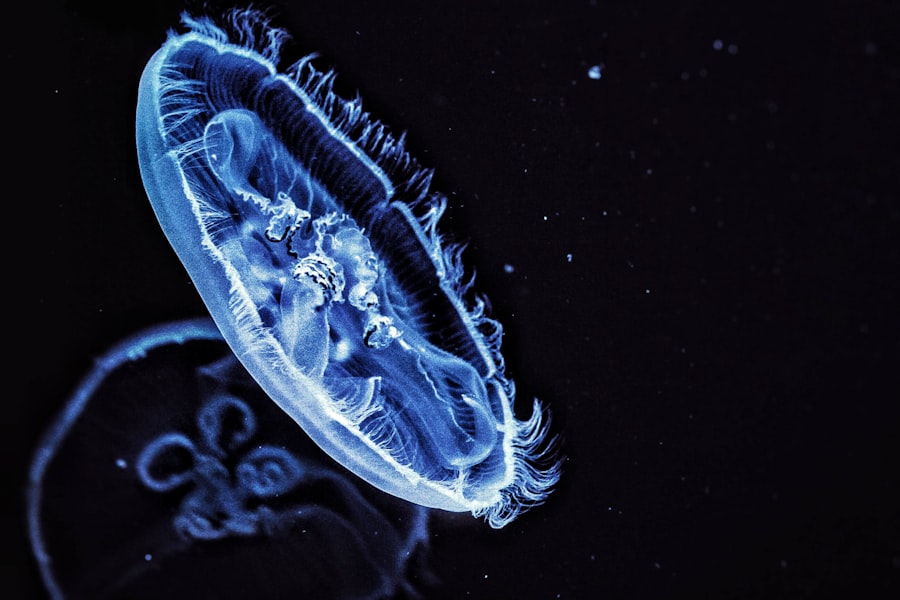
The vastness and darkness of the deep sea present significant challenges for reproduction. Finding mates, ensuring fertilization, and caring for offspring requires specialized evolutionary solutions.
The Mating Game: Overcoming Isolation
The low population densities in the deep sea make finding a mate a formidable task. Evolution has favored a variety of strategies to overcome this.
- Chemical Signals (Pheromones): Many deep-sea animals release chemical signals into the water to attract potential mates. These pheromones can travel considerable distances, guiding individuals towards each other.
- Bioluminescent Signaling: Similar to other forms of communication, bioluminescence is also used for mating displays. Specific flashing patterns, colors, or intensities can signal species, sex, and readiness to mate.
- Hermaphroditism: Some deep-sea species are hermaphrodites, possessing both male and female reproductive organs. This strategy increases the probability of successful reproduction when encountering another individual, as either can act as a mate.
Extreme Sexual Strategies: Remarkable Adaptations for Reproduction
The challenges of deep-sea reproduction have led to some of the most bizarre and fascinating adaptations in the animal kingdom.
- Sexual Parasitism in Anglerfish: Perhaps the most extreme example is found in some deep-sea anglerfish. The males are tiny compared to the females and, upon finding a female, they bite into her flesh and fuse their circulatory systems. The male then degenerates, becoming essentially a mobile sperm-producing appendage for the female, ensuring immediate access to sperm when needed.
- Internal Fertilization: Due to the difficulty of external fertilization in the turbulent deep-sea environment, internal fertilization is prevalent, ensuring that gametes are brought together effectively.
- Ovoviviparity and Viviparity: Many deep-sea fish are ovoviviparous (eggs hatch inside the mother) or viviparous (give birth to live young). This offers protection to the developing offspring in the harsh environment and allows the mother to control conditions for gestation.
Parental Care: Nurturing the Young
While not as common as in some other environments, instances of parental care exist in the deep sea, reflecting the investment required to ensure offspring survival.
- Egg Protection: Some species guard their eggs, protecting them from predation or environmental hazards.
- Brooding: Certain invertebrates carry their eggs or developing young attached to their bodies, providing a safe haven.
Novel Lifestyles and Niche Specialization: Thriving in Diverse Habitats
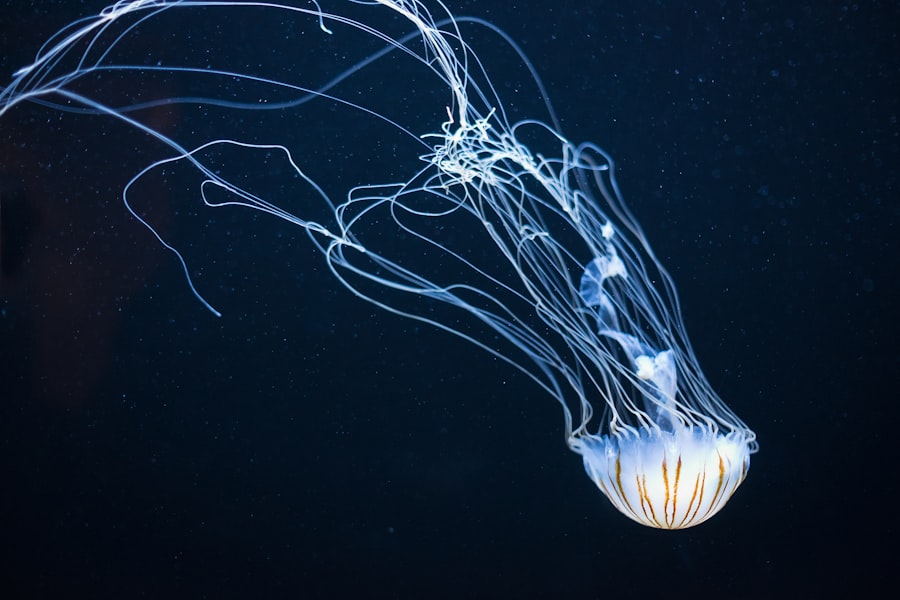
The deep sea is not a homogenous environment. From the abyssal plains to hydrothermal vents and seamounts, distinct habitats have driven the evolution of specialized lifestyles and unique ecological niches.
The Abyssal Plains: The Vast Expanses of Mud
The abyssal plains, covering vast areas of the deep ocean floor, are characterized by fine sediments and a scarcity of food. Life here is often slow-moving and adapted to scavenging or filter-feeding.
- Deposit Feeders: Organisms like sea cucumbers and certain polychaete worms sift through the sediment, extracting organic matter. Their digestive systems are highly efficient at processing these low-nutrient materials.
- Scavengers: Larger scavengers, such as amphipods and certain fish, are crucial for breaking down larger organic falls like whale carcasses.
Hydrothermal Vents: Oases of Life in the Darkness
Hydrothermal vents, fissures in the ocean floor that spew superheated, mineral-rich water, support some of the most unique and abundant deep-sea ecosystems. Life here is fueled by chemosynthesis, not photosynthesis.
- Chemosynthetic Bacteria: At the base of the vent food web are chemosynthetic bacteria, which derive energy from chemicals like hydrogen sulfide. These bacteria form dense mats or live symbiotically within the tissues of other organisms.
- Tube Worms and Vent Mussels: Giant tube worms, like Riftia pachyptila, host chemosynthetic bacteria within their specialized organs. Vent mussels and clams filter chemosynthetic bacteria or graze on bacterial mats.
- Unique Predators and Scavengers: The high productivity around vents supports specialized predators and scavengers, including vent crabs, shrimp, and fish, all adapted to this chemically rich environment.
Seamounts and Underwater Mountains: Islands of Biodiversity
Seamounts are underwater mountains that rise from the ocean floor. Their unique topography can create localized upwelling and currents, leading to increased nutrient availability and supporting diverse communities.
- Coral Gardens and Sponge Fields: Seamounts are often home to extensive deep-sea coral reefs and sponge gardens, providing habitat and shelter for a multitude of organisms.
- Concentrated Fish Populations: The enhanced productivity around seamounts can attract larger fish populations, making them important feeding grounds.
The fascinating evolution of deep sea creatures has long intrigued scientists, revealing how these organisms have adapted to extreme environments. For a deeper understanding of this topic, you might find it interesting to explore an article on the subject at Freaky Science, which discusses the unique adaptations that allow these creatures to thrive in the dark, high-pressure depths of the ocean. This exploration not only highlights the incredible diversity of life found in the deep sea but also sheds light on the broader implications for our understanding of evolution itself.
The Evolutionary Canvas: Ongoing Discoveries and Future Prospects
| Evolutionary Stage | Description |
|---|---|
| Early Adaptations | Development of specialized body structures and sensory organs to survive in deep sea environments. |
| Diversification | Evolution of a wide variety of species with unique adaptations to different deep sea habitats. |
| Bioluminescence | Acquisition of bioluminescent capabilities for communication, camouflage, and hunting. |
| Pressure Resistance | Adaptation to withstand extreme water pressure at great depths through changes in body structure and physiology. |
| Feeding Strategies | Development of specialized feeding mechanisms to capture prey in low-light conditions. |
The study of deep-sea evolution is an ongoing and dynamic field. Each expedition into the abyss reveals new species and sheds further light on the remarkable evolutionary processes at play.
The Challenge of Exploration: Limitations and Innovations
Exploring the deep sea is technically challenging and expensive. The extreme pressure, darkness, and vastness require specialized submersibles, remotely operated vehicles (ROVs), and advanced sensor technologies.
- Technological Advancements: Innovations in robotics, imaging, and sampling techniques are continually improving our ability to access and study deep-sea environments.
- Citizen Science and Remote Sensing: Emerging technologies are also enabling broader participation in deep-sea research, from processing data to deploying autonomous sensors.
Evolutionary Insights from Genetics and Genomics
The application of genetic and genomic tools is revolutionizing our understanding of deep-sea evolution.
- Phylogenetic Relationships: DNA analysis allows scientists to trace the evolutionary history of deep-sea species and understand their relationships to shallower-water organisms.
- Adaptation Genes: Genomic studies are identifying the specific genes and molecular pathways that underpin adaptations to extreme pressure, temperature, and darkness. This provides direct evidence of the genetic basis for evolutionary change.
The Future of Deep-Sea Research: Conservation and Understanding
As human activities, such as deep-sea mining and fishing, increasingly impact the deep ocean, understanding its evolutionary history and ecological fragility becomes paramount.
- Conservation Strategies: Insights into deep-sea evolution can inform conservation efforts, helping to identify vulnerable species and habitats that require protection.
- Bioprospecting and Biomedical Applications: The unique biochemistry of deep-sea organisms, honed by evolution, holds potential for novel pharmaceuticals and industrial applications.
- Understanding Life’s Limits: The deep sea serves as a natural laboratory for studying the fundamental limits of life and the creative power of evolution in the face of extreme challenges.
In conclusion, the evolution of deep-sea creatures is a testament to life’s extraordinary resilience and ingenuity. Adapting to a world of crushing pressure, eternal darkness, frigid temperatures, and scarce food, these organisms have forged a path of remarkable innovation. From the bioluminescent allure of the anglerfish to the chemosynthetic communities of hydrothermal vents, their adaptations offer a glimpse into the boundless possibilities of life and the profound influence of extreme environments on evolutionary trajectories. As our exploration of this final frontier continues, each discovery in the deep sea promises to enrich our understanding of life on Earth and the captivating story of its evolution.

The Deeper You Go, the Less Life Looks Like Life
FAQs
1. What are deep sea creatures?
Deep sea creatures are organisms that live in the deep ocean, typically at depths of 200 meters or more. These creatures have adapted to survive in extreme conditions such as high pressure, cold temperatures, and limited food sources.
2. How did deep sea creatures evolve to survive in their environment?
Deep sea creatures have evolved a variety of adaptations to survive in their harsh environment. These adaptations include bioluminescence, extreme pressure tolerance, and unique feeding strategies. Over time, these adaptations have allowed deep sea creatures to thrive in the deep ocean.
3. What are some examples of deep sea creatures and their unique adaptations?
Examples of deep sea creatures and their unique adaptations include the anglerfish, which uses bioluminescent lures to attract prey, and the giant tube worm, which relies on chemosynthesis to obtain nutrients from deep sea hydrothermal vents. Other examples include the vampire squid, which can survive in oxygen-poor environments, and the gulper eel, which has a large mouth to consume prey in the dark depths.
4. How long have deep sea creatures been evolving in the ocean?
Deep sea creatures have been evolving in the ocean for millions of years. Fossil evidence suggests that deep sea ecosystems have existed for at least 500 million years, and modern deep sea creatures have been evolving and diversifying over this long timescale.
5. What are the current threats to deep sea creatures and their evolution?
Deep sea creatures face threats from human activities such as deep sea mining, bottom trawling, and pollution. These activities can disrupt deep sea ecosystems and threaten the survival of deep sea creatures. Additionally, climate change and ocean acidification may also impact the evolution and survival of deep sea creatures in the future.