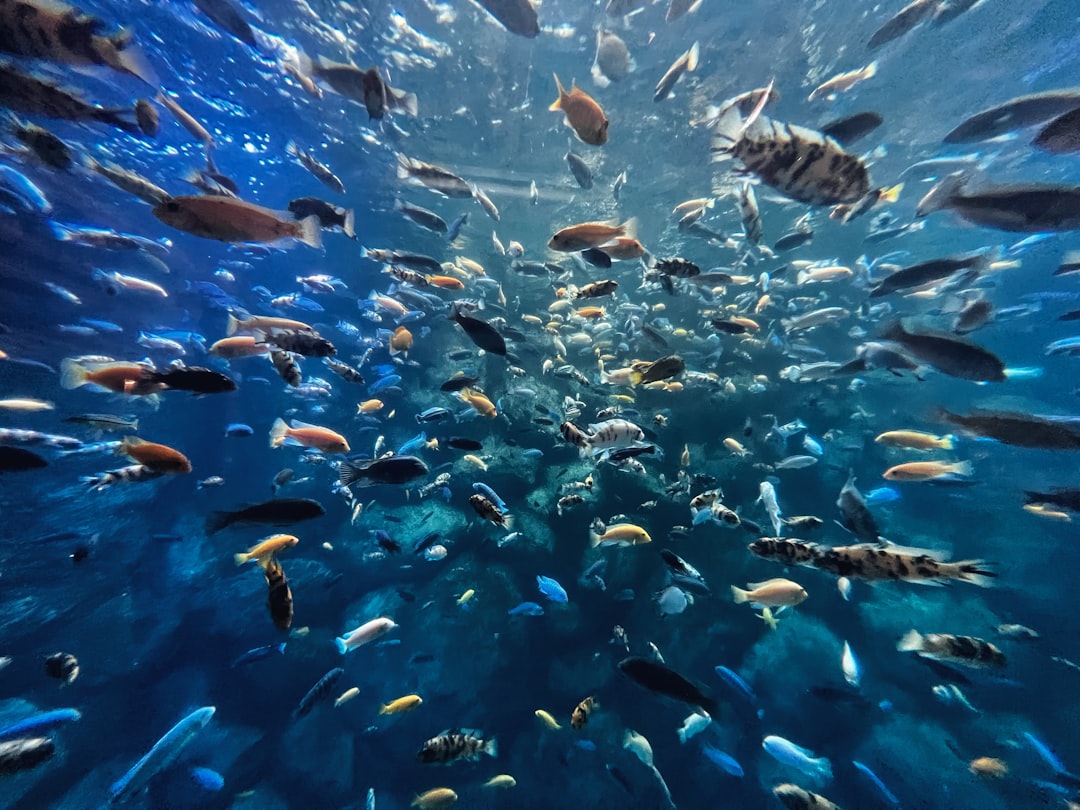
The vast, inky blackness of the deep sea, a realm stretching miles below the ocean’s surface, has long captivated the human imagination. It is a world of crushing pressures, perpetual darkness, and frigid temperatures, conditions so alien that they seem to belong to another planet. Yet, it is precisely these extreme environmental pressures that have sculpted an astonishing array of life, a menagerie of creatures so bizarre, so fantastical, that they defy our conventional understanding of what life should be. The mystery of deep-sea creatures lies not just in their strangeness, but in the profound evolutionary forces that have shaped them into the wonders they are today.
The sheer weight of the water column in the deep sea is a force of unimaginable magnitude. At just 100 meters down, the pressure is ten times that at the surface. By the time one reaches the abyssal plains, thousands of meters deeper, the pressure can be over 1,000 times greater. This immense hydrostatic pressure would instantly crush most terrestrial organisms and even many surface-dwelling marine life. Yet, deep-sea creatures not only survive but thrive under these conditions. Their existence is a testament to the ingenuity of evolution, with adaptations that allow them to exist in a world where the very water would obliterate us.
Cellular Resilience: The Architecture of Life Under Duress
At the most fundamental level, deep-sea organisms have evolved mechanisms to maintain the integrity of their cells. Cell membranes, for instance, are primarily composed of lipids. In shallower waters, these lipids form a relatively rigid structure. However, under extreme pressure, these lipids can become too fluid, leading to cell damage and malfunction. Deep-sea creatures counter this by modifying the composition of their cell membranes. They incorporate more unsaturated fatty acids, which have kinks in their molecular structure, preventing them from packing too tightly. This keeps the membranes flexible and functional, even under immense pressure.
Trimethylamine N-oxide (TMAO): A Molecular Buffer
Beyond structural modifications, many deep-sea animals employ specific molecules to counteract the disruptive effects of pressure on proteins. One such molecule, trimethylamine N-oxide (TMAO), acts as a molecular chaperone. Proteins, the workhorses of the cell, are exquisitely sensitive to their environment. High pressure can cause them to unfold or misfold, rendering them inactive. TMAO stabilizes protein structures, preventing them from denaturing. It essentially acts as an osmotic stabilizer, helping to maintain the proper hydration and shape of proteins. The concentration of TMAO often increases with depth, reflecting the escalating need for this protective compound.
Skeletal Strength and Soft Bodies: Divergent Strategies
The skeletal structures of deep-sea animals also exhibit remarkable adaptations. Many fish, for instance, have reduced or cartilaginous skeletons, which are inherently more flexible and less susceptible to crushing than dense bone. This allows them to withstand the pressure without the rigidity that could lead to fractures. Conversely, some invertebrates, like certain crustaceans, have thicker, more robust exoskeletons that provide structural support against the immense forces.
The Advantage of Gelatinous Forms
Perhaps the most visually striking adaptation to pressure is the prevalence of gelatinous, water-filled bodies. Organisms like jellyfish, siphonophores, and many deep-sea worms are largely composed of water. Since water is largely incompressible, these creatures are naturally resistant to the crushing effects of the deep. Their bodies are essentially a fluid-filled bag, and the external pressure is distributed evenly, preventing any single point from bearing the brunt of the force. This strategy allows them to exist in the deep without the need for heavy, bone-based skeletons.
Deep sea creatures often exhibit bizarre and fascinating adaptations that seem almost otherworldly, a phenomenon explored in the article “Why Deep Sea Creatures Get Weirder” on Freaky Science. The extreme conditions of the deep ocean, such as high pressure, low temperatures, and complete darkness, have led to unique evolutionary traits that help these organisms survive. For a deeper understanding of these adaptations and the science behind them, you can read the full article here: Why Deep Sea Creatures Get Weirder.
The Eternal Night: Navigating a World Without Light
The absence of sunlight in the deep sea is another defining characteristic that has shaped its inhabitants. Below the photic zone, typically a few hundred meters down, sunlight cannot penetrate, plunging the environment into perpetual darkness. This lack of visual cues has led to a remarkable array of sensory adaptations, from the complete loss of eyes to the development of sophisticated bioluminescent systems.
The Decline and Rise of Vision: Eyes in the Abyss
For many deep-sea creatures, eyes have become either vestigial or have evolved to detect the faintest flickers of light. Some species have lost their eyes entirely, relying on other senses to navigate, find food, and avoid predators. These creatures often possess highly developed chemoreceptors, allowing them to “smell” or “taste” their surroundings, or mechanoreceptors to detect vibrations.
Amplifying Light: The Eyes of the Deep
In contrast, other deep-sea animals have developed incredibly specialized eyes. Some possess extremely large eyes, designed to capture every available photon of light, even the faint bioluminescence produced by other organisms. These eyes are often tubular, pointing upwards to maximize the detection of silhouettes against the dim glow from above. Others have evolved eyes that can detect specific wavelengths of light, particularly the blue-green light that travels furthest in seawater and is often emitted by bioluminescent organisms. Some even have “forward-facing” eyes that can detect the bioluminescence of potential prey or mates.
The Language of Light: Bioluminescence in the Deep
Perhaps the most enchanting adaptation to the deep-sea darkness is bioluminescence – the production and emission of light by living organisms. This phenomenon serves a multitude of purposes, acting as a complex communication system in a world where visual signals are otherwise impossible.
Luring Prey: The anglerfish’s Deadly Dance
One of the most iconic examples of bioluminescence is found in the anglerfish. These fearsome predators possess a modified fin ray that extends from their head, tipped with a bioluminescent lure. The light attracts unsuspecting prey, drawing them close enough for the anglerfish to strike. The bacteria within the lure are responsible for its glow, and the fish has evolved intricate mechanisms to control the intensity and flashing patterns of the light, mimicking the bioluminescence of smaller prey to entice larger ones.
Camouflage and Deception: Evading the Predators
Bioluminescence also plays a crucial role in defense. Many deep-sea creatures possess photophores, light-producing organs, on their undersides. This counter-illumination technique matches the faint light filtering down from above, effectively masking their silhouette from predators lurking below. Other species can emit sudden, brilliant flashes of light to startle or disorient attackers, providing an opportunity to escape. Some have even evolved the ability to jettison bioluminescent material, creating a dazzling distraction while they disappear into the darkness.
Communication and Attraction: Finding Mates in the Dark
Beyond predation and defense, bioluminescence is vital for reproduction. Many deep-sea species use specific flashing patterns to attract mates. These patterns can be species-specific, ensuring that individuals find partners of their own kind in the vast expanse of the ocean. The complexity of these light displays highlights a sophisticated form of communication that has evolved in the absence of sound or visual cues.
The Scarcity of Sustenance: Adapting to a Food-Scarce Environment
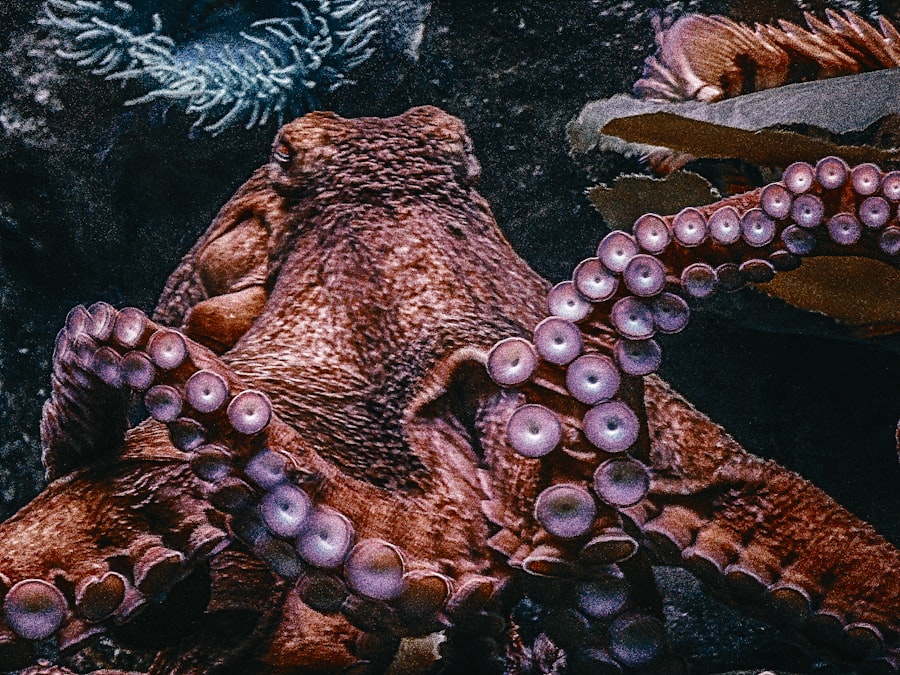
The deep sea is a realm of extreme scarcity when it comes to food. Sunlight, the foundation of most food webs on Earth, does not reach these depths, meaning there are no plants or algae to form the base of the ecosystem. The primary source of nutrients is “marine snow” – a constant, albeit sparse, rain of organic matter that drifts down from the upper layers of the ocean. This limited food availability has driven the evolution of extraordinary feeding strategies and metabolic adaptations.
Energy Conservation: Slowing Down Life’s Pace
To survive in a food-scarce environment, deep-sea creatures have evolved to conserve energy as much as possible. Many exhibit incredibly slow metabolisms, moving at a glacial pace and requiring infrequent meals. This allows them to survive for extended periods on the limited food they can find. Their growth rates are often slow, and their lifespans can be exceptionally long, a testament to their ability to eke out an existence on minimal resources.
The Art of the Ambush: Patience as a Predatory Tool
Predators in the deep sea often employ ambush tactics, relying on patience and the element of surprise rather than high-speed chases. Creatures like the gulper eel, with its enormous mouth and distensible stomach, can engulf prey much larger than itself, ensuring that every meal is a significant caloric gain. The anglerfish, with its bioluminescent lure, is another prime example of an ambush predator that capitalizes on the scarcity of food by making itself an irresistible trap.
Specialized Diets and Opportunistic Feeding: Making the Most of What’s Available
Deep-sea organisms have developed highly specialized diets, often adapted to exploit the limited food sources available. Some feed on detritus, the organic debris that settles on the seafloor. Others are specialized scavengers, consuming the carcasses of larger animals that sink from the upper ocean.
Chemosynthesis: Life Without Sunlight
In some deep-sea environments, particularly around hydrothermal vents, life thrives independent of sunlight. These ecosystems are powered by chemosynthesis, a process where microbes convert chemicals released from the Earth’s interior into energy. These microbes form the base of a unique food web, supporting organisms like tube worms and clams that have symbiotic relationships with them. This demonstrates that life can flourish in the deepest oceans, drawing energy from the planet’s own internal processes.
Large Mouths and Expandable Stomachs: Maximizing Every Opportunity
When food is scarce, making the most of every opportunity is paramount. Many deep-sea predators have evolved proportionally large mouths and expandable stomachs, allowing them to consume prey that is significantly larger than their own body size. This strategy ensures that when a rare meal is encountered, it can be fully utilized, providing a substantial energy reserve.
The Realm of the Extreme Cold: Surviving Frigid Waters
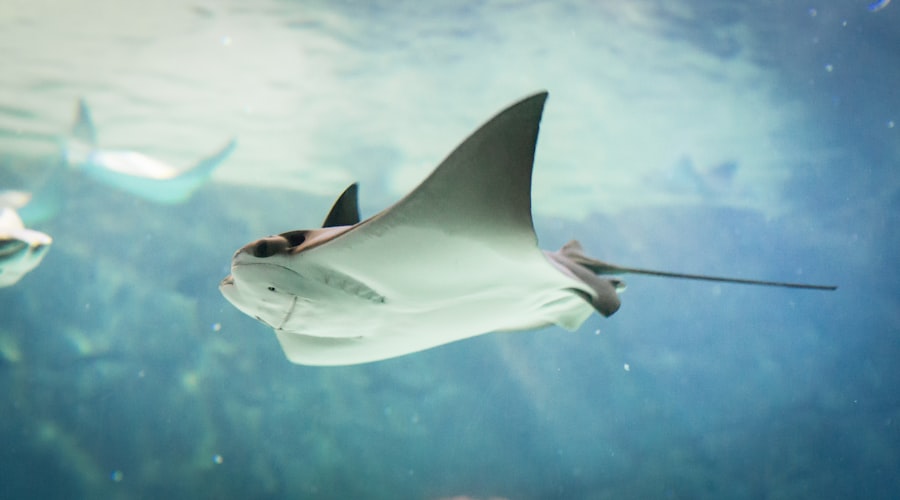
The deep sea is a perpetually cold environment, with temperatures often hovering just above freezing. This extreme cold poses significant challenges for life, affecting metabolic rates, enzyme function, and the physical properties of cells. Deep-sea creatures have developed a remarkable array of adaptations to thrive in these frigid conditions.
Antifreeze Proteins: Preventing Ice Crystal Formation
One of the most ingenious adaptations to extreme cold is the production of antifreeze proteins (AFPs). These proteins circulate in the blood and tissues of many deep-sea fish, preventing ice crystals from forming and growing within their cells. Without AFPs, the ice crystals would puncture cell membranes and lead to cellular death. AFPs work by binding to small ice crystals, inhibiting their growth and preventing them from damaging the organism.
Cellular Membrane Fluidity in the Cold
Similar to their adaptations to pressure, deep-sea organisms also modify their cell membranes to maintain fluidity in the cold. Unsaturated fatty acids, which make the membranes more flexible, are particularly important in cold environments. This allows cellular processes to continue functioning efficiently, even at sub-zero temperatures.
Slowed Metabolism and Reduced Activity: Conserving Heat and Energy
The extreme cold necessitates a significant reduction in metabolic activity for many deep-sea creatures. Their bodies are designed to operate at lower temperatures, leading to slower movement and less energy expenditure. This is a crucial survival mechanism in an environment where energy is at a premium. Their body temperature is typically the same as the surrounding water, meaning they don’t need to expend energy to maintain a higher internal temperature.
Specialized Enzymes: Functioning at Low Temperatures
Enzymes, the biological catalysts that drive countless cellular reactions, are often sensitive to temperature. Deep-sea organisms have evolved enzymes that are highly efficient at low temperatures. These enzymes have different structural properties than their warm-water counterparts, allowing them to fold and function correctly in the frigid deep.
Deep sea creatures often exhibit bizarre and unusual characteristics, a phenomenon that has intrigued scientists for years. The extreme conditions of their environment, such as high pressure, complete darkness, and cold temperatures, have led to fascinating adaptations that can seem downright strange. For a deeper understanding of this topic, you might find it interesting to read an article that explores the peculiarities of these creatures and the reasons behind their odd appearances. You can check it out here.
The Uncharted Territories: Ongoing Discoveries and the Future of Deep-Sea Exploration
| Reasons | Explanation |
|---|---|
| Extreme Environment | The deep sea environment has high pressure, low temperatures, and limited food, leading to unique adaptations. |
| Evolutionary Isolation | Deep sea creatures have evolved in isolation, leading to distinct and often bizarre characteristics. |
| Bioluminescence | Many deep sea creatures use bioluminescence for communication, camouflage, and hunting, resulting in unusual appearances. |
| Resource Scarcity | Competition for limited resources in the deep sea has driven the evolution of strange feeding strategies and body shapes. |
Despite centuries of exploration, the deep sea remains largely unknown. Scientists estimate that we have explored less than 5% of the ocean floor, and the vast majority of deep-sea species have yet to be discovered and described. Each expedition into the abyss brings forth new and astonishing revelations, challenging our understanding of life and evolution.
Technological Advancements: Peering Deeper Than Ever Before
The development of advanced submersibles, remotely operated vehicles (ROVs), and autonomous underwater vehicles (AUVs) has revolutionized our ability to explore the deep sea. These technologies allow scientists to descend to previously inaccessible depths, collect samples, and observe marine life in its natural habitat. High-resolution cameras and sensors are revealing the intricate details of these alien ecosystems.
The Promise of New Medicines and Biomaterials
The unique biochemical adaptations of deep-sea organisms hold immense promise for scientific and medical advancements. Compounds found in deep-sea microbes and animals are being investigated for their potential as new antibiotics, antiviral drugs, and anti-cancer agents. The extraordinary resilience of deep-sea life also offers insights into developing novel biomaterials with exceptional strength and resistance to extreme conditions.
The Importance of Conservation: Protecting These Fragile Ecosystems
As our knowledge of the deep sea grows, so too does our understanding of its fragility. These ancient and unique ecosystems are increasingly threatened by human activities, including deep-sea mining, pollution, and climate change. Protecting these largely unexplored realms is crucial for maintaining biodiversity and for unlocking the full potential of deep-sea life for the benefit of humanity. The mysteries of the deep sea are a reminder of the vastness of our planet and the incredible ingenuity of life, urging us to explore, understand, and ultimately, protect this extraordinary frontier. The weirder they get, the more they tell us about the boundless possibilities of life itself.

The Deeper You Go, the Less Life Looks Like Life
FAQs
1. What are deep sea creatures?
Deep sea creatures are animals that live in the deep ocean, typically at depths of 200 meters or more. These creatures have adapted to survive in extreme conditions such as high pressure, cold temperatures, and complete darkness.
2. Why do deep sea creatures look so weird?
Deep sea creatures have evolved unique and bizarre appearances due to the extreme environment they live in. The lack of sunlight, high pressure, and limited food sources have led to the development of unusual features and adaptations that help them survive in their harsh habitat.
3. What are some examples of weird deep sea creatures?
Examples of weird deep sea creatures include the anglerfish, which has a bioluminescent lure on its head to attract prey, the gulper eel with its large mouth and expandable stomach, and the vampire squid, which has red eyes and a cloak-like webbing.
4. How do deep sea creatures survive in their environment?
Deep sea creatures have adapted to their environment in various ways. Some have bioluminescent features to attract prey or communicate with others, while others have developed unique body shapes and sizes to conserve energy and navigate the dark, cold waters.
5. Why is it important to study deep sea creatures?
Studying deep sea creatures is important for understanding the biodiversity of our planet and the adaptations that allow life to thrive in extreme environments. It also has potential applications in fields such as medicine, materials science, and environmental conservation.