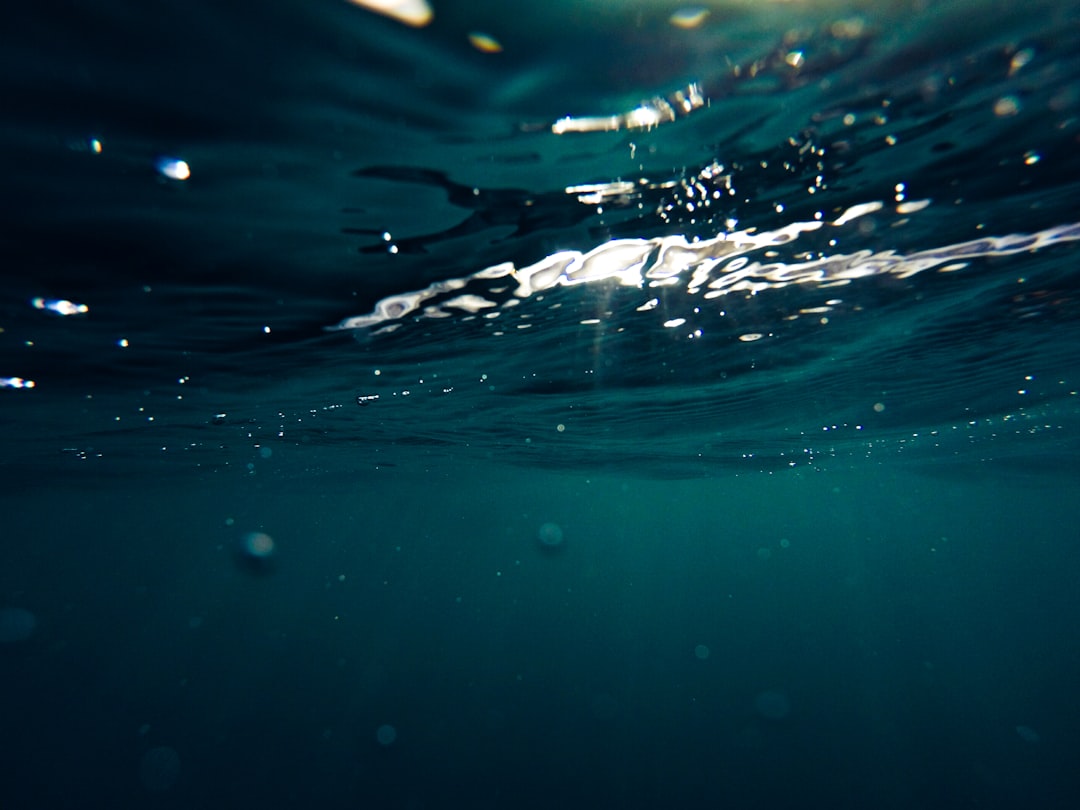
The deep ocean, a realm cloaked in perpetual darkness and subjected to crushing pressures, remains one of Earth’s most enigmatic frontiers. It is a world far removed from our sunlit surface, a place where life has evolved in extraordinary and often bizarre ways to survive the extreme conditions. Scientists have only begun to scratch the surface of its mysteries, with much of this vast biome still unexplored. The sheer scale of the deep sea, encompassing over 90% of the planet’s habitable volume, hints at the untold stories and undiscovered species that lie hidden within its abyssal plains, hydrothermal vents, and hadal trenches.
The term “abyss” evokes images of the deepest, most profound depths of the ocean, a place where light cannot penetrate. This is precisely the environment that defines the deep ocean, typically considered to begin at around 200 meters (656 feet) below the surface. Below this point, sunlight is entirely absorbed, plunging the world into an eternal night.
The Absence of Sunlight and its Profound Implications
The absence of sunlight is not merely an inconvenience for deep-sea life; it is a fundamental driver of evolution. Photosynthesis, the primary energy source for most ecosystems on Earth, is impossible in the deep ocean. This necessitates an entirely different approach to survival and energy acquisition.
The Specter of Zero Visibility
Without light, vision, as we understand it, becomes largely irrelevant. Many deep-sea creatures have either lost their eyes entirely or possess them in highly modified forms, adapted for detecting bioluminescence or the faintest glimmers of light produced by other organisms. This lack of visual cues means that other senses, such as chemoreception (detecting chemical signals) and mechanoreception (sensing vibrations and pressure changes), become paramount for navigation, finding prey, and avoiding predators.
The Challenge of Darkness for Communication
Communication in the deep ocean is a fascinating puzzle. While visual signals are absent, many species have developed sophisticated methods of chemical and acoustic communication. The release of pheromones can signal mating readiness or territorial boundaries, while the clicks and whistles of whales and dolphins, though often associated with shallower waters, can also penetrate the depths, carrying messages across vast distances.
The Immense Burden of Hydrostatic Pressure
The weight of the water above exerts an incredible force on everything in the deep ocean. At the surface, we experience atmospheric pressure of about 1 atmosphere (atm). For every 10 meters of depth, the pressure increases by an additional 1 atm. This means that at the bottom of the Mariana Trench, the deepest known part of the ocean, the pressure is over 1,000 times that at sea level.
Adaptations for Surviving Extreme Pressure
Life in the deep sea has evolved remarkable adaptations to withstand these immense pressures. Many deep-sea organisms have soft, gelatinous bodies with a high water content, which helps to equalize the pressure inside and outside their cells. They lack air-filled cavities, such as swim bladders, that would collapse under such force.
The Role of Piezolytes
Specialized molecules, known as piezolytes, are crucial for deep-sea life. These molecules, such as trimethylamine N-oxide (TMAO), accumulate within cells and help to stabilize proteins and other cellular components, preventing them from denaturing under extreme pressure. Without these biochemical shields, the very machinery of life would cease to function.
Cellular Integrity and Molecular Stability
Beyond piezolytes, deep-sea organisms possess unique cell membrane structures and protein configurations that are inherently more resilient to pressure. Their enzymes, for example, have evolved to function optimally under high pressure, a feat that would be impossible for their shallow-water counterparts.
Exploring the depths of the ocean reveals a fascinating world that remains largely unknown to humanity. For those interested in learning more about the unique life forms and ecosystems that thrive in the deep sea, I recommend reading the article on Freaky Science that delves into the mysteries of oceanic life. You can find it here: Freaky Science. This resource provides insights into the adaptations of deep-sea creatures and the challenges they face in their extreme environment.
A Biosphere Fueled by Chemosynthesis, Not Sunlight
With no sunlight for photosynthesis, the base of the deep-ocean food web relies on a process called chemosynthesis. This remarkable biological feat allows certain microbes to derive energy from chemical reactions, forming the foundation of entire ecosystems.
Hydrothermal Vents: Oases of Life in the Darkness
Hydrothermal vents are fissures in the ocean floor that spew superheated, mineral-rich water. These vents, often found along mid-ocean ridges where tectonic plates pull apart, create unique chemical environments that support dense communities of life.
The Chemical Alchemy of Chemosynthesis
At hydrothermal vents, specialized bacteria and archaea utilize chemicals like hydrogen sulfide, methane, and iron, released from the Earth’s interior, to produce energy. This process forms the bedrock of the vent ecosystem, similar to how plants form the base of terrestrial ecosystems.
Sulfur-Reducing Bacteria: The Architects of the Vent Food Web
Among the most important chemosynthetic organisms are sulfur-reducing bacteria. They oxidize hydrogen sulfide, a compound toxic to most life forms, to produce energy, releasing sulfates as a byproduct. These bacteria form thick mats around the vents, providing sustenance for a host of other creatures.
Methane-Oxidizing Bacteria: Another Key Energy Producer
Methane-oxidizing bacteria also play a significant role, consuming methane released from the seafloor. This process not only fuels their own growth but also contributes to the overall energy budget of the vent community, preventing the buildup of a potent greenhouse gas.
Other Chemosynthetic Niches in the Deep Sea
While hydrothermal vents are the most prominent examples, chemosynthesis also occurs in other deep-sea environments, such as cold seeps, where hydrocarbons seep from the seafloor, and in whale falls, where the decomposition of a whale carcass releases organic compounds that can be utilized by chemosynthetic microbes.
Cold Seeps: Slow and Steady Energy Sources
Cold seeps, unlike the scalding hydrothermal vents, release fluids at or near ambient ocean temperatures. These seeps are rich in hydrocarbons like methane and petroleum. Specialized microbial communities thrive on these hydrocarbons, supporting unique ecosystems that can persist for decades or even centuries, though generally less densely populated than vent communities.
Whale Falls: Ephemeral but Nutrient-Rich Havens
When a whale dies and sinks to the deep ocean floor, its massive carcass becomes a temporary but incredibly rich source of nutrients. This “whale fall” attracts a diverse array of scavengers and decomposers, including specialized bone-eating worms (Osedax), which are themselves reliant on chemosynthetic bacteria to break down the whale’s bones. These ephemeral oases can sustain communities for years as the carcass slowly decomposes.
The Bizarre and Beautiful Inhabitants of the Deep
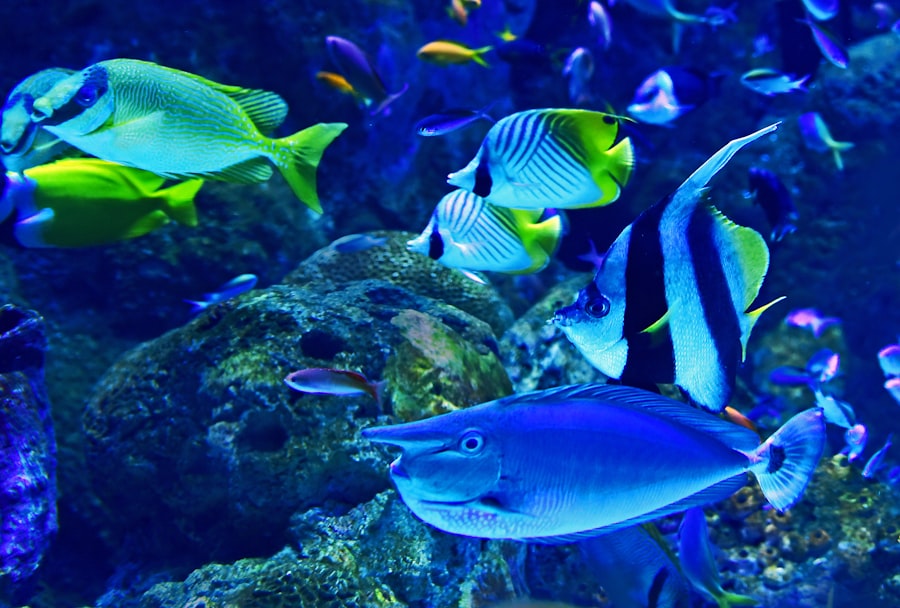
The deep ocean is home to some of the most extraordinary and alien-looking creatures on Earth. Their adaptations to the extreme conditions of darkness, pressure, and scarce food have resulted in a dazzling array of unique forms and functions.
Bioluminescence: The Living Lights of the Abyss
Bioluminescence, the production of light by living organisms, is a widespread phenomenon in the deep sea. It serves a multitude of purposes, from attracting prey and deterring predators to communication and camouflage.
Attracting Prey: Luring the Unwary
Many deep-sea predators use bioluminescent lures to attract unsuspecting prey. The anglerfish, perhaps the most famous example, possesses a modified dorsal fin spine that dangles a glowing lure in front of its enormous mouth. When a smaller fish is drawn to the light, it becomes an easy meal.
Defense and Evasion: The Flicker of Survival
Bioluminescence can also be a vital defense mechanism. Some creatures, when threatened, will release a cloud of bioluminescent particles to startle or distract a predator, allowing them to escape into the darkness. Others use counter-illumination, emitting light from their undersides to match the faint light filtering down from above, effectively becoming invisible against the background.
Communication in the Dark: A Silent Language of Light
Bioluminescent patterns and flashes are thought to be a form of communication among deep-sea species. Specific sequences and colors of light may signal mating readiness, territorial disputes, or the presence of danger, creating a complex visual language in the otherwise dark abyss.
Specialized Feeding Strategies: Making the Most of Scarce Resources
Food is a precious commodity in the deep ocean, and its inhabitants have developed ingenious strategies to acquire it. From scavenging to ambush predation, their feeding habits are a testament to the efficiency of evolution.
Ambush Predators: Waiting for Opportunity
Many deep-sea predators are ambush predators, expending minimal energy while waiting for prey to come to them. Their often slow metabolism and camouflage allow them to blend seamlessly into the environment, striking only when an opportunity presents itself. Their mouths may be disproportionately large, capable of swallowing prey larger than themselves.
Scavengers and Detritivores: The Ocean’s Clean-Up Crew
A significant portion of the deep-ocean food web relies on organic matter that drifts down from the upper layers of the ocean. Detritivores, such as sea cucumbers and amphipods, consume this falling organic material, playing a crucial role in nutrient cycling. Scavengers, like deep-sea sharks and hagfish, are adept at locating and consuming the carcasses of dead animals.
Filter Feeders: Harnessing the Downward Flow
Some deep-sea creatures, particularly in areas with currents, are filter feeders. They extend feathery appendages or create currents to capture tiny particles of organic matter suspended in the water column. This passive feeding strategy is efficient in nutrient-poor environments.
Remarkable Reproductive Strategies: Ensuring the Next Generation
Reproduction in the deep sea presents its own set of challenges, and creatures have evolved fascinating and sometimes perplexing strategies to ensure the continuation of their species.
Hermaphroditism: A Versatile Approach
Many deep-sea invertebrates are hermaphrodites, possessing both male and female reproductive organs. This increases the chances of successful reproduction, as any encountered individual can potentially be a mate.
Mate Attraction in Vastness: The Challenge of Finding a Partner
In the vastness of the deep ocean, finding a mate can be a significant hurdle. Some species, like the anglerfish, have developed extreme sexual dimorphism, with tiny males permanently attaching themselves to much larger females, becoming a living sperm source. Others may rely on bioluminescent signals or chemical cues to attract mates across considerable distances.
Exploring the Unknown: Technologies and Discoveries
The exploration of the deep ocean is a relatively recent endeavor, reliant on technological advancements that allow us to descend into this extreme environment and study its inhabitants. Despite the challenges, these explorations have yielded breathtaking discoveries.
Submersibles and Remotely Operated Vehicles (ROVs): Our Eyes in the Deep
Manned submersibles and remotely operated vehicles (ROVs) are the primary tools for deep-sea exploration. Submersibles allow scientists to directly observe the deep ocean, while ROVs, equipped with cameras, lights, and manipulator arms, can collect samples and conduct experiments without risking human lives.
The Ingenuity of Manned Submersibles
Manned submersibles, such as Alvin and Triton, are essentially submarines designed to withstand immense pressure. They provide a unique, first-hand perspective of the deep-sea environment, allowing for real-time observation and decision-making. The psychological aspect of being in such an alien environment is also a factor in their unique contribution to exploration.
The Versatility of ROVs and AUVs
ROVs are tethered to a surface vessel and controlled remotely, offering a constant stream of data and the ability to perform complex tasks. Autonomous Underwater Vehicles (AUVs) are pre-programmed and can operate independently for extended periods, mapping vast areas of the seafloor and collecting data without human intervention, making them invaluable for large-scale surveys.
Unveiling New Species and Ecosystems
Each expedition into the deep sea has the potential to discover new species. Scientists estimate that millions of species are yet to be discovered in the oceans, with a disproportionately large number likely residing in the deep sea.
The “Lost World” of the Hadal Zone
The hadal zone, comprising the deepest trenches of the ocean, is often referred to as a “lost world.” Here, pressures are so extreme that life was once thought to be impossible. However, expeditions have revealed a surprising diversity of life, including unique species of amphipods, holothurians, and even fish, adapted to these crushing depths.
Surviving the Trenches: Extreme Adaptations in the Deepest Depths
Life in the hadal zone requires extraordinary adaptations. Creatures here often exhibit reduced metabolisms, specialized cellular structures to prevent organ failure, and unique sensory systems to navigate and find food in absolute darkness and under immense pressure. The discovery of life in these trenches has reshaped our understanding of the limits of life itself.
The Importance of Marine Protected Areas in the Deep Sea
As our understanding of deep-sea ecosystems grows, so too does the recognition of their fragility. Establishing marine protected areas in deep-sea environments is becoming increasingly important to safeguard these unique habitats and their inhabitants from the impacts of human activities.
The Promise of Deep-Sea Resources and the Ethical Considerations
The deep ocean holds vast potential for resources, including minerals, energy, and novel biochemical compounds. However, the exploitation of these resources raises significant ethical and environmental concerns.
Deep-Sea Mining: A Double-Edged Sword
Deep-sea mining, particularly for polymetallic nodules and cobalt-rich crusts, is a growing area of interest. These minerals are crucial for renewable energy technologies. However, the potential environmental impact of disturbing the seafloor, disrupting fragile ecosystems, and releasing sediment plumes is a major concern for conservationists and scientists alike.
Potential for Biomedical Breakthroughs
The unique biochemistry of deep-sea organisms has the potential to yield novel drugs and compounds for medical applications. Many deep-sea microbes produce enzymes and toxins that have evolved under extreme conditions, offering possibilities for new antibiotics, anti-cancer agents, and other therapeutic innovations. However, the sustainable and ethical harvesting of these resources is paramount.
Exploring the mysteries of life deeper in the ocean reveals a fascinating world that is often overlooked. Many organisms thrive in extreme conditions, showcasing unique adaptations that allow them to survive in complete darkness and immense pressure. For a deeper understanding of these incredible ecosystems, you can read more in this insightful article about the wonders of the deep sea. Check it out here to discover how these creatures contribute to our understanding of biodiversity and the health of our planet.
The Unanswered Questions and the Future of Deep-Sea Exploration
| Depth | Pressure | Temperature | Life Forms |
|---|---|---|---|
| Mesopelagic Zone (200-1000m) | Up to 1000 atm | 4-10°C | Squid, lanternfish, jellyfish |
| Bathypelagic Zone (1000-4000m) | Around 1000 atm | 2-4°C | Giant squid, anglerfish, deep-sea jellyfish |
| Abyssopelagic Zone (4000-6000m) | Over 1000 atm | 2-3°C | Giant tube worms, deep-sea octopus, deep-sea fish |
| Hadalpelagic Zone (6000m+) | Extreme pressure | Near freezing | Amphipods, snailfish, sea cucumbers |
Despite significant advancements, the deep ocean remains largely a mystery. Countless questions persist, driving ongoing research and exploration.
The Scale of Biodiversity: How Much is Still Unknown?
The true biodiversity of the deep ocean is still largely unknown. Estimates vary, but many scientists believe that a significant percentage of deep-sea species remain undiscovered. Cataloging this biodiversity is a monumental task, essential for understanding the planet’s biological heritage and for conservation efforts.
The Role of Microbes in Deep-Sea Ecosystems
Microbes are the unseen architects of the deep ocean. Their role in nutrient cycling, chemosynthesis, and supporting the food web is fundamental. Research into deep-sea microbial communities is crucial for understanding the functioning of these ecosystems and their potential impact on global biogeochemical cycles.
The Impact of Climate Change on the Deep Ocean
Climate change is not confined to the surface. The deep ocean is also experiencing changes, including warming temperatures, deoxygenation, and ocean acidification. Understanding these impacts is critical for predicting the future of these vulnerable ecosystems.
Ocean Acidification: A Growing Threat to Calcifying Organisms
As the ocean absorbs excess carbon dioxide from the atmosphere, its pH decreases, a process known as ocean acidification. This poses a significant threat to marine organisms that build shells and skeletons from calcium carbonate, such as corals, mollusks, and plankton, which form the base of many deep-sea food webs.
Deoxygenation: Expanding “Dead Zones” in the Abyss
Rising ocean temperatures can lead to reduced oxygen solubility. Combined with changes in ocean circulation, this can result in expanding areas of low oxygen, known as oxygen minimum zones. These “dead zones” can drastically alter deep-sea habitats and the species that can survive within them.
The Future of Exploration: Innovation and Collaboration
The future of deep-sea exploration hinges on continued technological innovation, international collaboration, and a commitment to responsible stewardship of this vital global commons.
Citizen Science and Data Sharing: Engaging the Public
Citizen science initiatives, where the public contributes to data collection and analysis, are becoming increasingly important in deep-sea research. Furthermore, open data sharing platforms are crucial for accelerating scientific discovery and fostering global collaboration among researchers.
The Need for International Cooperation and Policy Development
The deep ocean is a shared resource, and its exploration and management require international cooperation. Developing robust policies for deep-sea resource management, conservation, and research is essential to ensure its long-term health and sustainability for future generations. The vastness and interconnectedness of the deep sea demand a global approach.

The Deeper You Go, the Less Life Looks Like Life
FAQs
1. What are the conditions like deeper in the ocean?
The conditions deeper in the ocean are characterized by extreme pressure, total darkness, and cold temperatures. The pressure can reach several thousand pounds per square inch, and the lack of sunlight means that photosynthesis cannot occur, leading to a reliance on alternative energy sources for life.
2. What types of organisms live deeper in the ocean?
Organisms that live deeper in the ocean are often adapted to the extreme conditions. These can include deep-sea fish, giant squid, tube worms, and various types of bacteria and microorganisms. Many of these organisms have unique adaptations to survive in the deep ocean environment.
3. How do organisms in the deep ocean obtain food?
Organisms in the deep ocean obtain food through a variety of methods. Some rely on detritus that falls from the surface ocean, while others are able to survive through chemosynthesis, a process where they convert chemicals such as methane or hydrogen sulfide into energy. Predation and scavenging are also common methods of obtaining food in the deep ocean.
4. What are some of the challenges faced by organisms in the deep ocean?
Organisms in the deep ocean face numerous challenges, including extreme pressure, lack of sunlight, and limited food sources. Additionally, the deep ocean is home to a variety of predators and competitors, making survival a constant challenge for many deep-sea organisms.
5. Why is studying life in the deep ocean important?
Studying life in the deep ocean is important for understanding the diversity of life on Earth and the interconnectedness of ecosystems. Additionally, deep-sea organisms often have unique adaptations and biochemical compounds that may have potential applications in medicine, biotechnology, and other fields. Understanding the deep ocean also provides insight into the effects of human activities on marine ecosystems.