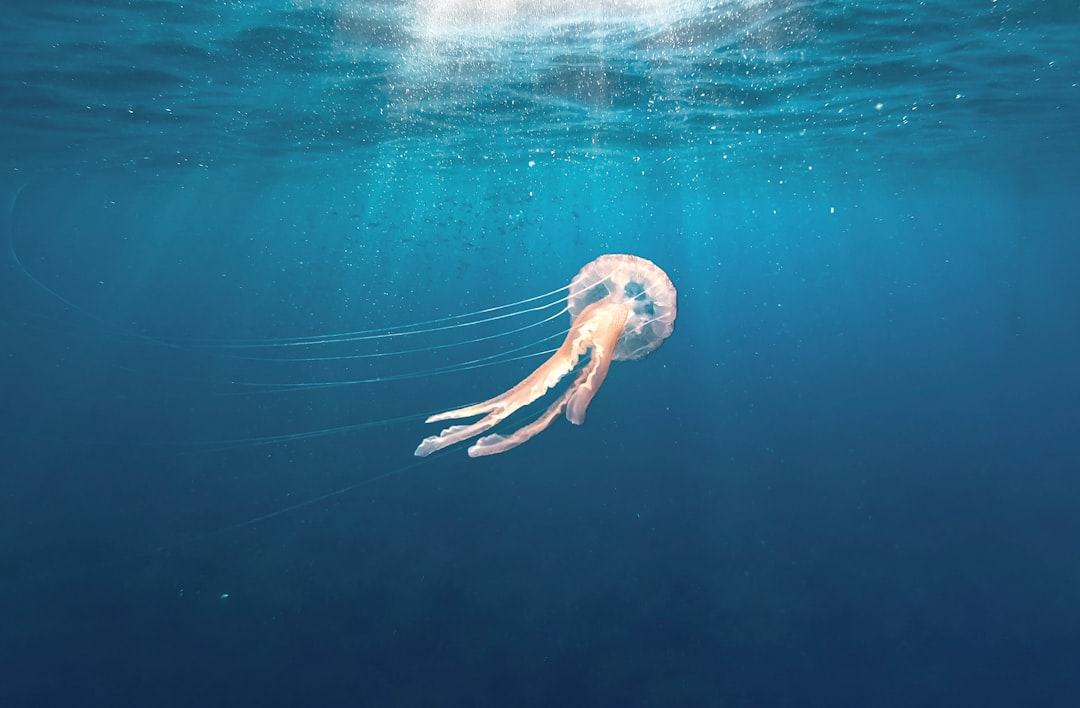
The crushing weight of the ocean’s depths, the perpetual darkness, and the scarcity of food – these are the formidable challenges that define life in the abyss. Yet, remarkably, a diverse array of creatures has not only survived but thrived in this extreme environment. Their adaptations are a testament to the power of evolution, showcasing ingenious solutions to problems that would prove fatal to most life forms. Understanding these adaptations offers a profound glimpse into the resilience and creativity of nature.
The abyssal zone, typically defined as the ocean depths between 4,000 and 6,000 meters (13,000 and 20,000 feet), is a world devoid of sunlight. This lack of illumination profoundly shapes the lives of its inhabitants, influencing everything from their sensory organs to their hunting strategies.
Sensory Adaptations in the Darkness
Without the luxury of sight, many abyssal creatures have evolved specialized sensory systems to perceive their surroundings.
Enhanced Vision and Bioluminescence
While often described as a world of darkness, some abyssal organisms possess surprisingly well-developed eyes, albeit adapted for different purposes. These eyes are often large, designed to capture the faintest glimmer of light, usually produced by bioluminescent organisms.
The Function of Large Eyes
For certain deep-sea fish, such as the barreleye fish with its transparent head and upward-pointing tubular eyes, large eyes are crucial for detecting the faint silhouettes of prey against the dim glow of bioluminescence from above. These eyes are optimized for detecting light from specific wavelengths, often those produced by the bioluminescent organs of other deep-sea dwellers.
Bioluminescence: A Multifaceted Tool
Bioluminescence, the production of light by living organisms, is a ubiquitous phenomenon in the abyss and serves a multitude of functions. It is used for attracting mates, luring prey, defense against predators, and even for communication.
Luring Prey
Anglerfish are perhaps the most iconic example of bioluminescence as a hunting tool. They possess a fleshy appendage, the esca, dangling from their head, which is inhabited by bioluminescent bacteria. This glowing lure mimics small prey, attracting unsuspecting fish into the anglerfish’s formidable jaws.
Communication and Mating
In the vast emptiness of the abyss, finding a mate can be a monumental task. Bioluminescent patterns and flashes act as signals, allowing individuals to recognize and locate each other. Different species have unique bioluminescent displays, ensuring that they attract their own kind.
Defensive Strategies
Some creatures use bioluminescence for defense. The viperfish, for instance, has photophores (light-producing organs) along its body that can emit a sudden flash of light, startling predators and allowing the viperfish to escape. Others, like the deep-sea shrimp, can release a cloud of bioluminescent fluid, creating a dazzling distraction.
Beyond Sight: Other Sensory Modalities
For creatures that have lost or significantly reduced their vision, other senses become paramount.
Chemoreception: The Power of Scent
The ability to detect chemical cues in the water is vital for finding food, avoiding predators, and locating mates. Many abyssal organisms have highly developed olfactory organs, allowing them to detect the faintest traces of dissolved organic matter or the scent of potential prey from a considerable distance.
Detecting Food Sources
The carcasses of dead animals that sink from the upper ocean, known as “marine snow,” are a significant food source for abyssal life. Specialized chemoreceptors allow scavengers to pinpoint these falling feasts.
Recognizing Danger
Conversely, the presence of predator pheromones can alert prey animals to danger, giving them a crucial head start to escape.
Mechanoreception: Feeling the Vibrations
The lateral line system, common in fish, is highly developed in many abyssal species. This system of pores and canals detects vibrations and pressure changes in the water, allowing them to sense the movement of prey, predators, or even the subtle currents that indicate geological features.
Sensing Prey Movement
Tiny movements of a potential meal, even those imperceptible to the eye, can be detected by the lateral line, guiding the predator in the right direction.
Navigating Currents
Understanding water flow is crucial for conserving energy. The lateral line system can help abyssal animals navigate currents and avoid being swept away in strong flows.
In exploring the fascinating adaptations of deep-sea creatures, one can gain insights into how animals survive in the extreme conditions of the ocean’s depths. A related article that delves into this topic is available at Freaky Science, where it discusses the unique physiological traits and behaviors that enable these organisms to thrive in complete darkness and high pressure. From bioluminescence to specialized feeding strategies, the article highlights the remarkable resilience of life in one of Earth’s most mysterious environments.
Thriving Under Pressure: Physiological Adaptations
The immense pressure of the deep sea is a defining characteristic of the abyss, reaching hundreds of atmospheres. Animals living in this environment have evolved remarkable physiological adaptations to withstand these crushing forces.
Dealing with Extreme Pressure
The cellular structures and biochemical processes of abyssal organisms are uniquely adapted to function under immense hydrostatic pressure.
Cellular and Molecular Adaptations
At a fundamental level, the cell membranes and proteins of deep-sea creatures are more fluid and flexible than those of shallow-water organisms. This allows them to maintain their structure and function without being squeezed or distorted by the external pressure.
Protein Stability
Proteins, the workhorses of the cell, can be denatured by extreme pressure. However, abyssal organisms have evolved specialized proteins that remain stable and functional under these conditions. This often involves changes in amino acid composition, leading to increased internal flexibility and reduced sensitivity to pressure-induced unfolding.
Membrane Fluidity
Cell membranes are composed of lipids. In the deep sea, these lipids tend to have a higher proportion of unsaturated fatty acids, which create kinks in the molecular chains and prevent them from packing too tightly. This maintains membrane fluidity, essential for nutrient transport and signal transduction.
Buoyancy and Pressure Compensation
While some deep-sea animals are neutrally buoyant, meaning they can maintain their position in the water column with minimal effort, others have developed mechanisms to cope with the pressure changes when moving vertically.
Reduced Skeletal Structure
Many abyssal fish have reduced skeletal structures and gelatinous tissues, which are less compressible than bone. This significantly lowers their overall density, aiding in buoyancy.
Swim Bladders and Their Absence
In shallow-water fish, swim bladders are used for buoyancy control. However, in the abyss, the extreme pressure would cause these gas-filled organs to collapse. Therefore, many abyssal fish lack swim bladders, relying on other methods for buoyancy or simply being adapted to sink to the seafloor. Some species that do possess swim bladders have them filled with lipids rather than air, making them less susceptible to pressure changes.
Sustenance in a Scarce Environment: Foraging and Feeding Strategies
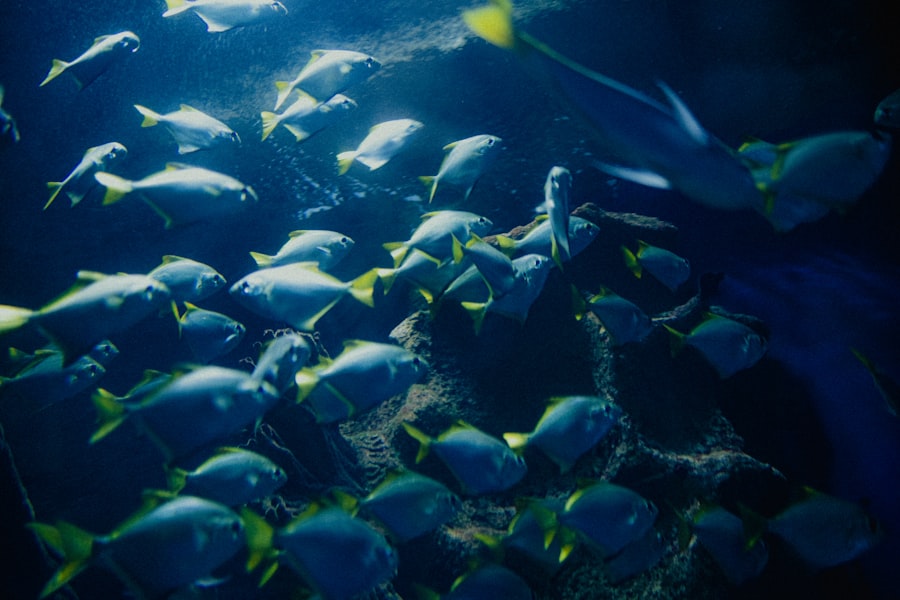
Food is a precious commodity in the abyss. The lack of sunlight means no photosynthesis, and the primary food sources are detritus from above or the scarce populations of other deep-sea dwellers. Animals have developed a range of ingenious strategies to acquire and consume these limited resources.
Opportunistic Feeding and Energy Conservation
The scarcity of food has driven the evolution of highly opportunistic feeding habits and a strong emphasis on energy conservation.
Large Mouths and Expandable Stomachs
Many abyssal predators, such as the gulper eel and the viperfish, possess disproportionately large mouths and expandable stomachs. This allows them to engulf prey that might be larger than themselves, ensuring that they can take full advantage of any rare feeding opportunities.
The Advantage of a Large Gape
A wide gape enables these creatures to capture prey that they might otherwise miss. Once prey is ingested, the expandable stomach allows it to be processed over a longer period, maximizing nutrient absorption from infrequent meals.
Ambush Predation and Lures
As mentioned with bioluminescence, ambush predation is a common strategy. Instead of actively hunting, these animals conserve energy by waiting for prey to come to them.
The Sit-and-Wait Approach
Many abyssal invertebrates, like some species of anemones and sessile worms, simply extend their feeding appendages into the water column and wait for small particles or passing organisms to drift within reach.
Scavenging and Marine Snow
The constant rain of organic matter from the upper ocean, known as “marine snow,” is a vital food source for many abyssal organisms. Specialized scavengers have evolved to detect and exploit this resource.
Specialized Mouthparts for Detritus
Some abyssal creatures have developed mouthparts specifically adapted for sifting through sediment and consuming organic particles. Sea cucumbers, for example, are well-known deposit feeders, ingesting large amounts of sediment and extracting nutrients.
Detecting Falling Food
Highly developed chemoreception is crucial for locating these falling food sources before they reach the seafloor and are consumed by others.
Reproduction in the Depths: Ensuring the Next Generation
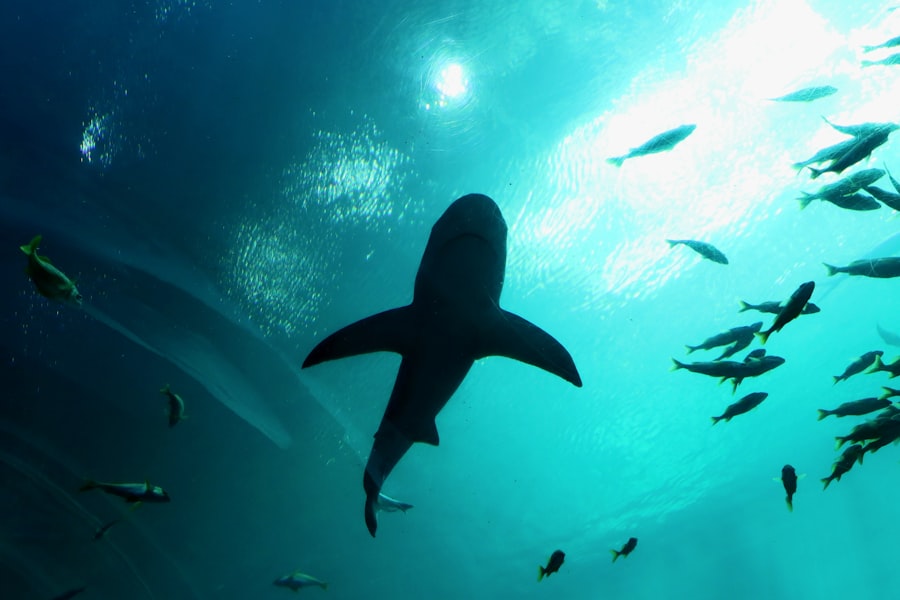
The challenges of the abyss extend to reproduction. Finding mates, developing offspring, and ensuring survival in this harsh environment require unique strategies.
Slow Life Cycles and Parental Care
Life in the deep sea is often characterized by slow growth, long lifespans, and delayed reproduction, all of which are adaptations to the low metabolic rates driven by limited food availability.
Delayed Maturity and Long Lifespans
Many abyssal species exhibit delayed sexual maturity and exceptionally long lifespans. This allows them to survive periods of scarcity and reproduce when conditions are more favorable or when they have accumulated sufficient resources.
The Advantage of Longevity
A longer lifespan increases the chances of encountering a mate and successfully reproducing over time, even if reproduction events are infrequent.
Unique Mating Strategies
The vastness and darkness of the abyss present challenges for finding mates.
Hermaphroditism and Parasitic Males
Some abyssal fish are hermaphroditic, possessing both male and female reproductive organs, which doubles their chances of finding a reproductive partner. In some extreme cases, males are parasitic, attaching themselves to females for the sole purpose of reproduction, further conserving energy for both.
The Efficiency of Hermaphroditism
Being able to reproduce as either male or female removes the need to find a partner of a specific sex, making reproduction more efficient in a sparsely populated environment.
Larval Dispersal and Development
The dispersal of larvae is crucial for colonizing new areas and maintaining genetic diversity. However, the deep ocean presents unique challenges for larval survival and development.
Adaptations for Deep-Sea Larvae
Some abyssal species release planktonic larvae that can drift for long distances, while others produce larger, yolky eggs that can sustain the developing embryo for extended periods, allowing for a more developed hatchling that has a better chance of survival.
In the mysterious depths of the ocean, animals have developed remarkable adaptations to survive in extreme conditions. From bioluminescent creatures that use light to attract prey to those with specialized bodies that withstand immense pressure, the deep sea is a fascinating realm of life. For a deeper understanding of these incredible survival strategies, you can explore a related article that delves into the unique adaptations of deep-sea animals. Check it out here to learn more about how these organisms thrive in one of Earth’s most challenging environments.
The Future of Deep-Sea Exploration and Conservation
| Animal | Survival Mechanism |
|---|---|
| Giant Tube Worms | They rely on chemosynthesis, using bacteria in their bodies to convert chemicals from hydrothermal vents into energy. |
| Gulper Eel | It has a large mouth and expandable stomach, allowing it to consume prey much larger than itself in the deep sea where food is scarce. |
| Anglerfish | It uses a bioluminescent lure to attract prey in the dark depths of the ocean. |
| Vampire Squid | It can turn itself inside out to avoid predators and uses bioluminescent organs to confuse them. |
The study of life in the abyss is still in its nascent stages. New species are discovered with astonishing regularity, and our understanding of their adaptations is constantly evolving. However, the deep sea is not immune to human impact.
Emerging Threats and Conservation Challenges
Human activities, from deep-sea mining to pollution and climate change, are beginning to impact even these remote ecosystems.
Deep-Sea Mining and Habitat Destruction
The extraction of minerals from the ocean floor poses a significant threat to abyssal habitats, which are often slow to recover from disturbance. The unique and fragile ecosystems of the deep sea can be irrevocably damaged by these activities.
The Slow Pace of Recovery
The slow growth rates and limited reproductive capacities of many deep-sea organisms mean that habitats disturbed by mining may take centuries, if not millennia, to recover.
Pollution and Its Far-Reaching Effects
Pollution, including plastic debris and chemical contaminants, is increasingly being found in the deepest parts of the ocean, posing a threat to abyssal life.
Microplastics and Bioaccumulation
Microplastics are being ingested by deep-sea creatures, and toxins can accumulate in their tissues, with potentially devastating effects on their health and reproductive success.
Climate Change and Ocean Acidification
While the deep sea is often thought of as a stable environment, it is not immune to the effects of climate change. Warming waters and ocean acidification can alter the chemistry of the deep ocean, impacting the physiological processes of abyssal organisms.
The Impact on Shell-Forming Organisms
Ocean acidification, in particular, poses a threat to organisms that form calcium carbonate shells or skeletons, which may become more difficult to form and maintain in increasingly acidic waters.
The Importance of Continued Research and Protection
Understanding the adaptations of abyssal life is not merely an academic pursuit. It is crucial for recognizing the intrinsic value of these unique ecosystems and for developing effective conservation strategies. Continued research is essential to document biodiversity, understand ecological processes, and assess the impact of human activities. Ultimately, safeguarding the abyss requires a global commitment to responsible stewardship of our planet’s last great frontier. The survival of these extraordinary creatures hinges on our ability to learn from their resilience and to act as guardians of their mysterious, pressure-filled world.

The Deeper You Go, the Less Life Looks Like Life
FAQs
1. What are some adaptations that allow animals to survive in the deep ocean?
Animals in the deep ocean have evolved various adaptations to survive in extreme conditions, such as bioluminescence, pressure-resistant bodies, and specialized feeding mechanisms.
2. How do deep-sea animals obtain food in the absence of sunlight?
Deep-sea animals obtain food through a variety of methods, including scavenging, filter-feeding, and predation on other deep-sea creatures. Some species also rely on detritus that sinks from the surface ocean.
3. What are some examples of deep-sea animals that have unique survival strategies?
Examples of deep-sea animals with unique survival strategies include the anglerfish, which uses a bioluminescent lure to attract prey, and the giant tube worm, which relies on a symbiotic relationship with chemosynthetic bacteria for energy.
4. How do deep-sea animals cope with the high pressure of the deep ocean?
Deep-sea animals have adapted to cope with high pressure through specialized body structures, such as flexible skeletons and pressure-resistant proteins. Some species also have gas-filled chambers to maintain buoyancy.
5. What are some of the biggest challenges deep-sea animals face in their environment?
Some of the biggest challenges deep-sea animals face include scarcity of food, extreme cold, lack of sunlight for photosynthesis, and the need to conserve energy in a low-energy environment.