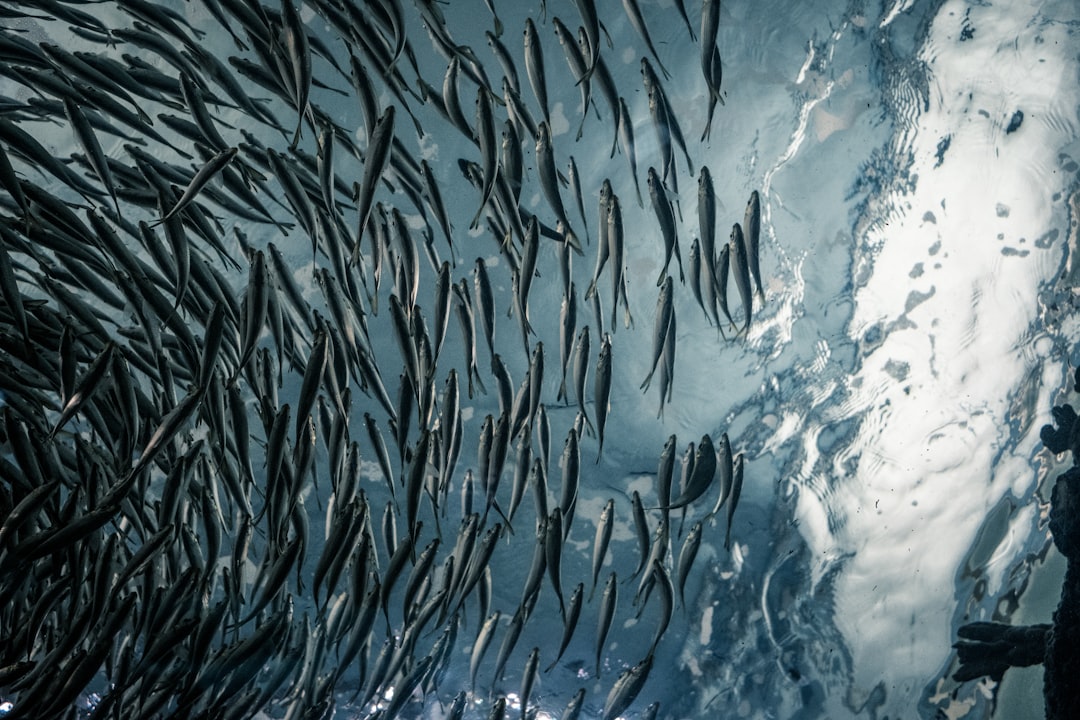
The abyss, a realm of crushing pressure, perpetual darkness, and frigid temperatures, represents one of Earth’s most extreme environments. Yet, life not only persists here but thrives, thanks to the remarkable adaptations of deep-sea fishes. These creatures, often appearing alien and otherworldly, have evolved ingenious strategies to survive the immense hydrostatic pressure that would instantly obliterate any surface-dwelling organism. Their resilience in the face of such overwhelming forces offers a compelling glimpse into the power of evolution and the sheer adaptability of life.
The sheer magnitude of pressure in the deep sea is almost incomprehensible. For every 10 meters (approximately 33 feet) of depth, the pressure increases by one atmosphere (atm). At the surface, we experience 1 atm. By the time a submersible reaches the Mariana Trench, the deepest known part of the ocean, at nearly 11,000 meters (about 36,000 feet), the pressure is over 1,000 times that at sea level – equivalent to 16,000 pounds per square inch, or the weight of 50 jumbo jets stacked on a person. This constant, relentless squeeze is the primary challenge that deep-sea fish must overcome.
Defining Hydrostatic Pressure
Hydrostatic pressure is the force exerted by a fluid at rest due to the weight of the fluid above it. In the ocean, this fluid is water, and its density remains relatively constant even at great depths. The deeper one goes, the greater the column of water above, and thus, the greater the pressure. This pressure acts equally in all directions, surrounding the organism and potentially deforming or collapsing its internal structures.
The Impact on Biological Systems
For organisms not adapted to such conditions, high hydrostatic pressure can have devastating effects. Gases within the body, such as those found in swim bladders, would be compressed to negligible volumes. Cell membranes, composed of lipid bilayers, could become rigid and dysfunctional. Proteins, the workhorses of cellular processes, can undergo conformational changes, rendering them inactive. Enzymes, crucial for catalyzing biochemical reactions, are particularly susceptible to pressure-induced denaturation. The very integrity of cellular structures, from organelles to the cytoskeleton, is threatened by this immense external force.
Pressure Gradients and Biological Structures
While the pressure is uniform in all directions, the internal pressure of an unadapted organism would initially be lower than the external pressure. This difference creates a pressure gradient that can cause fluid to be squeezed out of cells and tissues, leading to dehydration and collapse. The challenge for deep-sea fish is to maintain internal pressure that matches the external environment, preventing these detrimental effects.
Deep sea fish have evolved remarkable adaptations that allow them to survive the immense pressure of the ocean depths. These adaptations include specialized body structures, such as flexible bones and unique swim bladders that help them maintain buoyancy without being crushed. For a deeper understanding of these fascinating creatures and their survival mechanisms, you can read more in the article found at Freaky Science.
Architects of Resilience: Anatomical Adaptations for Pressure Tolerance
Deep-sea fishes are not merely passive recipients of pressure; they are active architects of their own survival, possessing a suite of specialized anatomical features that enable them to withstand the abyss. These adaptations range from the molecular to the macroscopic, all working in concert to ensure their continued existence.
The Absence of the Swim Bladder
Perhaps the most striking adaptation is the absence of a gas-filled swim bladder in many deep-sea species. A swim bladder, common in shallow-water fish for buoyancy control, would be a catastrophic liability at depth. The gases within would be compressed to an unmanageable degree, leading to implosion. Instead, deep-sea fishes rely on other methods for buoyancy.
Reliance on Lipid Buoyancy
Many deep-sea fishes have evolved to incorporate large amounts of lipids, or fats, into their tissues. Lipids are less dense than water, providing a natural buoyancy that offsets the weight of the fish. This can be achieved through large, oil-filled livers, fatty flesh, or specialized lipid-rich tissues throughout the body. This strategy effectively renders them neutrally buoyant without the need for gas-filled organs.
Reduced Skeletal Density
The skeletons of deep-sea fish are often significantly less dense and calcified than those of their shallower counterparts. Instead of robust bone, they may possess cartilaginous or poorly ossified skeletal structures. This reduces their overall weight and makes them more pliable, less prone to fracturing under pressure. Their bones are often described as being “flabby” or “gelatinous.”
Gelatinous and Flabby Tissues
The overall body composition of many deep-sea fish is remarkably gelatinous and watery. These soft tissues have a water content that can exceed 90%, making them highly compressible and able to equalize internal and external pressure more readily. The lack of rigid, gas-filled cavities or dense bone structures allows the entire organism to be compressed uniformly. This gives many of these fish a rather unappealing, flabby appearance.
Reduced Body Size and Metabolic Rate
While not a universal rule, many deep-sea fishes are relatively small in size. Smaller organisms have a lower surface area to volume ratio, which can be advantageous in some pressure-related scenarios, though the primary advantage is often related to resource availability. Furthermore, their metabolic rates are typically very low. This conserved energy expenditure reduces the demand for oxygen and nutrients, fitting the resource-scarce environment of the deep sea. A slower metabolism also means less production of waste products that might otherwise be problematic under pressure.
The Role of Connective Tissues
The connective tissues that hold deep-sea fish together are also specially adapted. They often have a higher water content and are more flexible, allowing the fish to deform without damage. This elasticity is crucial for withstanding the constant compressional forces.
The Molecular Fortress: Biochemical Strategies for Pressure Survival
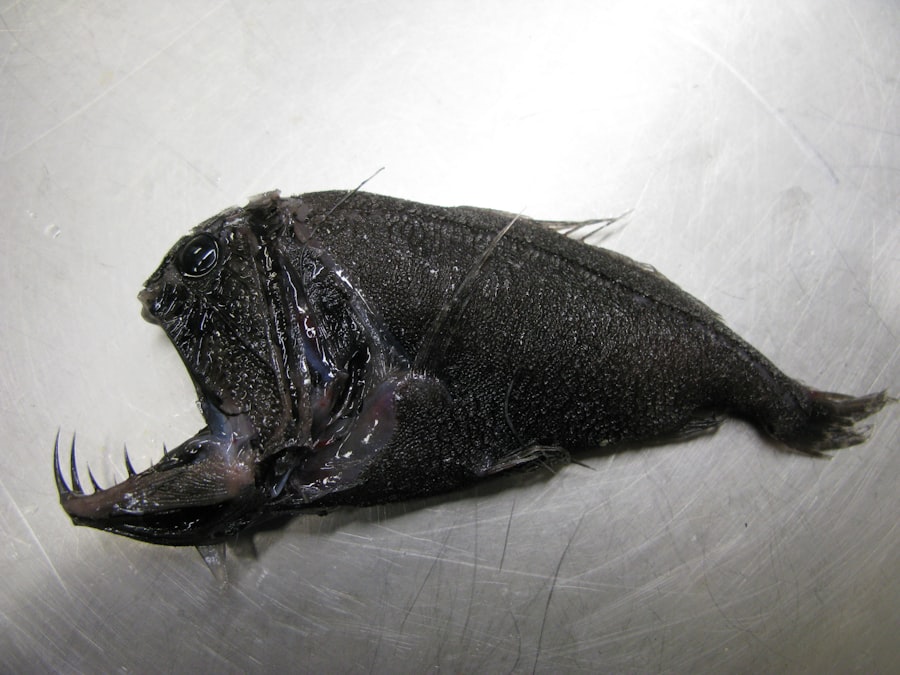
Beyond the macroscopic anatomy, the true marvel of deep-sea fish lies in their sophisticated biochemical adaptations. At the molecular level, these organisms have evolved specialized proteins, lipids, and enzymes that function optimally, or at least sufficiently, under extreme hydrostatic pressure.
Piezolytes: The Pressure-Stabilizing Molecules
One of the most crucial biochemical strategies employed by deep-sea life is the accumulation of piezolytes. These are small organic molecules that act as osmoprotectants and stabilizing agents for proteins and other cellular components under high pressure. They work by counteracting the pressure-induced destabilization of biomolecules.
Trimethylamine N-oxide (TMAO): The Ubiquitous Stabilizer
The most well-known and abundant piezolyte in deep-sea organisms is trimethylamine N-oxide (TMAO). TMAO is thought to work by promoting the hydration of protein surfaces, thereby counteracting the dehydrating effects of pressure on protein structures. It helps to maintain the proper folding and function of enzymes and other essential proteins. The concentration of TMAO increases with depth, meaning that species living in the deepest parts of the ocean have the highest levels of this vital molecule.
Other Piezolyte Examples
While TMAO is the star player, other piezolytes also contribute to pressure tolerance. These can include other amines, polyols, and amino acids. The specific cocktail of piezolytes can vary between species, reflecting their unique evolutionary pathways and environmental niches within the deep sea.
Pressure-Resistant Enzymes
Enzymes are proteins that catalyze biochemical reactions, and they are notoriously sensitive to environmental changes, including pressure. Deep-sea fish have evolved enzymes that are either inherently more resistant to pressure or are stabilized by the presence of piezolytes.
Altered Protein Structure and Function
These pressure-resistant enzymes often have slightly different three-dimensional structures compared to their shallow-water counterparts. These subtle alterations can make them less susceptible to pressure-induced unfolding or changes in active site conformation. Some enzymes may even exhibit enhanced activity at high pressures.
The Role of Cofactors and Substrates
The interactions between enzymes, their cofactors, and their substrates are also finely tuned to function under pressure. The binding affinities and reaction kinetics can be modulated to ensure efficient catalysis despite the external forces.
Membrane Fluidity and Adaptation
Cell membranes are composed of lipid bilayers, and their fluidity is crucial for many cellular functions, including nutrient transport and signal transduction. High pressure tends to decrease membrane fluidity, making them more rigid and potentially impairing their function. Deep-sea fish have evolved strategies to maintain optimal membrane fluidity.
Altering Lipid Composition
One common adaptation is the modification of the fatty acid composition of membrane lipids. They often incorporate a higher proportion of unsaturated fatty acids, which have “kinks” in their molecular structure that prevent close packing, thus maintaining fluidity at low temperatures and high pressures. They may also have shorter fatty acid chains.
Incorporation of Sterols
Certain sterols can also be incorporated into cell membranes, helping to regulate fluidity under varying conditions. The specific types and amounts of sterols can be adjusted to maintain optimal membrane function at extreme depths.
Sensory Systems in the Dark: Navigating and Finding Prey Under Pressure
The deep sea is a world of perpetual darkness, and the immense pressure presents unique challenges for sensory perception. Deep-sea fishes have developed specialized sensory systems that allow them to navigate their environment, locate prey, and avoid predators in the absence of sunlight.
The Power of Bioluminescence
Bioluminescence, the production of light by living organisms, is a widespread phenomenon in the deep sea and plays a critical role in survival. Deep-sea fish use it for a variety of purposes.
Communication and Attraction
Many species use bioluminescence to communicate with each other, particularly for attracting mates. Specific flashing patterns or light colors can signal species identity and reproductive readiness. Some predatory fish use bioluminescent lures to attract unsuspecting prey. The anglerfish, with its luminous esca, is a classic example.
Camouflage and Defense
Bioluminescence can also be used for camouflage. Some deep-sea fish have photophores on their ventral (underside) surfaces that emit light, matching the faint downwelling light from above and making them less visible to predators looking up. Others can release clouds of bioluminescent particles to startle or distract attackers, allowing them to escape.
Illumination for Hunting
In some cases, bioluminescence is used to briefly illuminate the surroundings, allowing the fish to spot prey or navigate through the dark. This is particularly useful for fish that hunt visually.
Enhanced Chemoreception and Mechanoreception
With vision often limited, other senses become paramount. Deep-sea fishes possess highly developed chemosensory systems (smell and taste) and mechanosensory systems (detecting vibrations and water movement).
Sensitive Olfactory Organs
Their olfactory organs are often enlarged and highly sensitive, allowing them to detect the faintest traces of prey, mates, or predators in the vast expanse of the ocean. They can follow chemical trails for miles.
The Lateral Line System
The lateral line system, a network of sensory pores running along the sides of the body, is crucial for detecting water movements. This allows fish to sense approaching predators, the presence of prey in their vicinity, and navigate currents. In the deep sea, these systems are often exceptionally well-developed.
Specialized Eyes for Low Light
While many deep-sea fish are effectively blind, others have evolved highly specialized eyes adapted for detecting the minimal amounts of light available.
Large, Sensitive Eyes
Some species possess very large eyes, maximizing their ability to capture any available photons. These eyes are often equipped with a high density of rod cells, which are extremely sensitive to light.
Tubular Eyes
A particularly striking adaptation is the development of tubular eyes. These eyes are elongated and pointed upwards, allowing the fish to scan a larger area of the water column for bioluminescent prey or faint silhouettes of predators from above.
Deep sea fish have evolved remarkable adaptations that allow them to survive the immense pressures of their underwater habitats. These adaptations include flexible bodies, specialized proteins, and unique cellular structures that prevent their bodies from collapsing under the weight of the water above. For a deeper understanding of these fascinating creatures and their survival mechanisms, you can explore a related article on this topic at Freaky Science. This resource provides insights into the extraordinary ways in which life thrives in the darkest and most extreme environments on Earth.
Reproduction and Life Cycles: Adapting to Extreme Conditions
| Survival Mechanism | Description |
|---|---|
| Biochemical Adaptations | Deep sea fish have special proteins and enzymes that help them withstand high pressure by stabilizing their cell membranes and proteins. |
| Reduced Gas Volume | Deep sea fish have swim bladders that are filled with oil rather than gas, allowing them to maintain buoyancy without being affected by pressure changes. |
| Flexible Ribcage | Some deep sea fish have flexible ribcages that allow them to withstand pressure changes without their organs being crushed. |
| Slow Metabolism | Deep sea fish have slow metabolic rates, which helps them conserve energy and cope with the limited food supply in the deep ocean. |
The challenges of the deep sea extend to reproduction and the continuation of the species. Deep-sea fish have evolved remarkable strategies to find mates, reproduce successfully, and ensure the survival of their offspring in this harsh environment.
The Challenge of Finding a Mate
The vastness of the deep sea and the low population densities of many species make finding a mate a significant challenge. This has led to some extraordinary reproductive adaptations.
Extreme Sexual Dimorphism and Parasitic Males
In some species, males are drastically smaller than females and often fuse themselves to the female’s body, becoming functionally parasitic. They live off the female’s blood supply and essentially act as a sperm bank, ready to fertilize eggs whenever the female is ready. This ensures that a mate is always available. The male anglerfish are the most famous example.
Chemical Signaling and Pheromones
For species where independent mating occurs, potent chemical signals (pheromones) are released to attract mates over long distances. These signals are highly specific and can be detected by the sensitive olfactory organs of potential partners.
Larval Development and Dispersal
The larval stages of deep-sea fishes often present their own set of challenges. Many species have planktonic larvae that can be dispersed over large areas.
Resilience of Larvae
These larvae must be able to survive in the water column, facing their own set of environmental pressures. Adaptations for buoyancy and feeding are crucial during this vulnerable period.
Ascent to Depth
In some cases, larval development might occur in shallower waters, with the young fish then descending to the appropriate depths as they mature. This allows for access to different food sources and potentially reduces competition with adults.
Long Lifespans and Slow Reproduction
Given the slow growth rates and energy limitations of the deep sea, many deep-sea fish have exceptionally long lifespans and reproduce infrequently. This strategy allows them to conserve energy and reproduce only when conditions are favorable. This also means that populations can be slow to recover from disturbances.
The Future of Deep-Sea Research: Unlocking More Secrets
Despite decades of exploration, the deep sea remains one of the least understood ecosystems on Earth. Ongoing research continues to reveal new species and uncover more intricate adaptations that allow life to thrive under immense pressure.
Technological Advancements in Exploration
Technological advancements, such as remotely operated vehicles (ROVs), autonomous underwater vehicles (AUVs), and advanced imaging techniques, are revolutionizing our ability to explore the deep sea. These tools allow scientists to observe and collect samples from depths previously inaccessible, providing invaluable data on the physiology and behavior of deep-sea fishes.
Molecular and Genetic Insights
Modern molecular and genetic techniques are providing unprecedented insights into the biochemical and evolutionary mechanisms underlying pressure tolerance. By sequencing the genomes of deep-sea fishes and studying their gene expression patterns, scientists can identify the specific genes and pathways responsible for their remarkable adaptations.
Understanding the Impact of Climate Change
As the global climate changes, the deep sea is not immune. Rising ocean temperatures, acidification, and changes in oxygen levels could have profound impacts on deep-sea ecosystems and the unique life they support. Understanding the resilience of deep-sea fishes to current pressures may offer clues about their ability to adapt to future environmental changes. Studying how these organisms cope with extreme conditions can provide valuable insights into the fundamental limits of life and the potential for adaptation in a changing world.
The deep-sea fishes, with their otherworldly forms and incredible resilience, are a testament to the power of evolution. Their ability to not just survive but to flourish under crushing pressures, in perpetual darkness, and at frigid temperatures is a remarkable feat of biological engineering. Each adaptation, from the absence of a swim bladder to the intricate molecular mechanisms of piezolyte stabilization, represents a finely tuned solution to the challenges of life in the abyss. As we continue to explore this vast and mysterious realm, we gain not only a deeper understanding of our planet but also a profound appreciation for the extraordinary diversity and adaptability of life itself. The secrets of the deep continue to unfold, promising even more astonishing revelations about these masters of pressure.

The Deeper You Go, the Less Life Looks Like Life
FAQs
1. What is the pressure like in the deep sea where these fish live?
The pressure in the deep sea can reach up to 1,000 times greater than at the surface, reaching levels of over 1,000 pounds per square inch.
2. How do deep sea fish survive such extreme pressure?
Deep sea fish have adapted to survive extreme pressure through a variety of physiological and anatomical adaptations, such as having flexible skeletons, low-density bodies, and specialized proteins that protect their cells from being crushed.
3. What are some other adaptations that deep sea fish have to survive in their environment?
In addition to pressure adaptations, deep sea fish have evolved to thrive in low light conditions, extreme cold, and limited food sources. They often have large eyes, bioluminescent organs, and specialized sensory organs to detect prey in the dark.
4. How do deep sea fish regulate their buoyancy at such depths?
Deep sea fish have swim bladders or oil-filled livers that help them regulate their buoyancy at different depths. Some species also have specialized muscles and organs that allow them to control their position in the water column.
5. Are there any other unique characteristics of deep sea fish that help them survive in their environment?
Deep sea fish often have slow metabolisms, allowing them to survive on limited food resources. They may also have unique reproductive strategies, such as producing large numbers of eggs or having long gestation periods, to ensure the survival of their offspring in the harsh deep sea environment.