The abyss, a realm of perpetual darkness and crushing pressure, has long captivated the human imagination. For centuries, its secrets have remained largely unknown, whispered about in myths and legends. But with the advent of advanced technology, humanity is finally beginning to peel back the layers of this enigmatic frontier. A groundbreaking science documentary, “Exploring the Mysteries of the Deep Sea,” embarks on an ambitious journey into this alien world, revealing wonders and challenges that redefine our understanding of life on Earth.
The documentary opens with a stark reminder of how little we truly know about our own planet. Vast swathes of the ocean floor remain unmapped, their depths harboring ecosystems unlike anything found on land. “Exploring the Mysteries of the Deep Sea” expertly sets the stage, tracing the evolution of deep-sea exploration from early, rudimentary attempts to the sophisticated submersible vehicles and robotic probes that are now our eyes and ears in the abyss.
Early Forays into the Unknown
The film highlights the pioneering efforts of individuals like William Beebe and Otis Barton, whose bathysphere dives in the early 20th century offered the first tantalizing glimpses into the deep. Their courage and ingenuity, often hampered by primitive technology, laid the groundwork for future endeavors. The documentary uses archival footage and dramatic reenactments to convey the sheer audacity of these early explorations, emphasizing the psychological and physical toll it took on the individuals involved. The sense of venturing into a truly alien environment, where the familiar rules of the surface world cease to apply, is palpable. Viewers are transported to a time when every descent was an act of faith, a leap into the unknown with no guarantee of return. The visual storytelling in this section is particularly effective, contrasting the claustrophobic confines of the early submersibles with the immense, overwhelming darkness outside.
Technological Revolutions
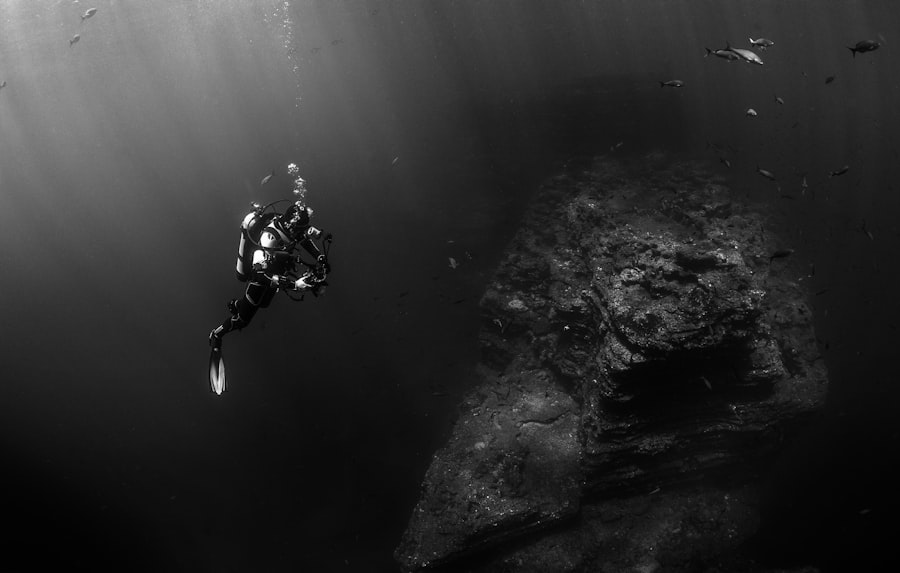
The narrative then pivots to the technological leaps that have transformed deep-sea exploration. The introduction of the bathyscaphe, followed by the development of remotely operated vehicles (ROVs) and autonomous underwater vehicles (AUVs), is presented as a paradigm shift. The documentary showcases state-of-the-art submersibles, equipped with high-definition cameras, powerful lights, and sophisticated sampling tools, capable of withstanding immense pressures and reaching previously inaccessible depths. The film’s visual effects are crucial here, rendering these technological marvels in stunning detail, emphasizing their sleek design and robust engineering. The narration explains how ROVs, tethered to a surface vessel, allow for real-time control and data transmission, while AUVs, pre-programmed for specific missions, can operate independently for extended periods, covering vast areas of the seafloor. The visual juxtaposition of these advanced machines against the stark, monochrome backdrop of the deep sea underscores their importance as our proxies in this extreme environment.
The Human Element: Courage and Dedication
Beyond the machines, the documentary emphasizes the human element – the scientists, engineers, and submersible pilots whose dedication fuels this ongoing quest for knowledge. Interviews with leading deep-sea researchers provide personal insights into the challenges and rewards of their work. Their passion for discovery, their meticulous approach to data collection, and their deep respect for the fragile ecosystems they encounter are palpable. The film doesn’t shy away from the risks involved, presenting accounts of close calls and equipment malfunctions, which serve to underscore the bravery of those who venture into the deep. The personal stories humanize the scientific endeavor, reminding viewers that behind every groundbreaking discovery is a team of individuals driven by curiosity and a profound sense of purpose.
For those interested in the fascinating world of deep sea science, a related article can be found on Freaky Science, which explores the latest discoveries and technologies used in underwater exploration. This article delves into the mysteries of the ocean depths and highlights groundbreaking research that enhances our understanding of marine ecosystems. To learn more, visit the article at Freaky Science.
Life in the Extreme: Unveiling the Abyss’s Inhabitants
The core of “Exploring the Mysteries of the Deep Sea” lies in its breathtaking exploration of the unique and often bizarre life forms that have adapted to survive in the deep sea. The documentary uses stunning footage captured by its advanced technology to reveal a world teeming with alien beauty and remarkable resilience.
The Bioluminescent Symphony
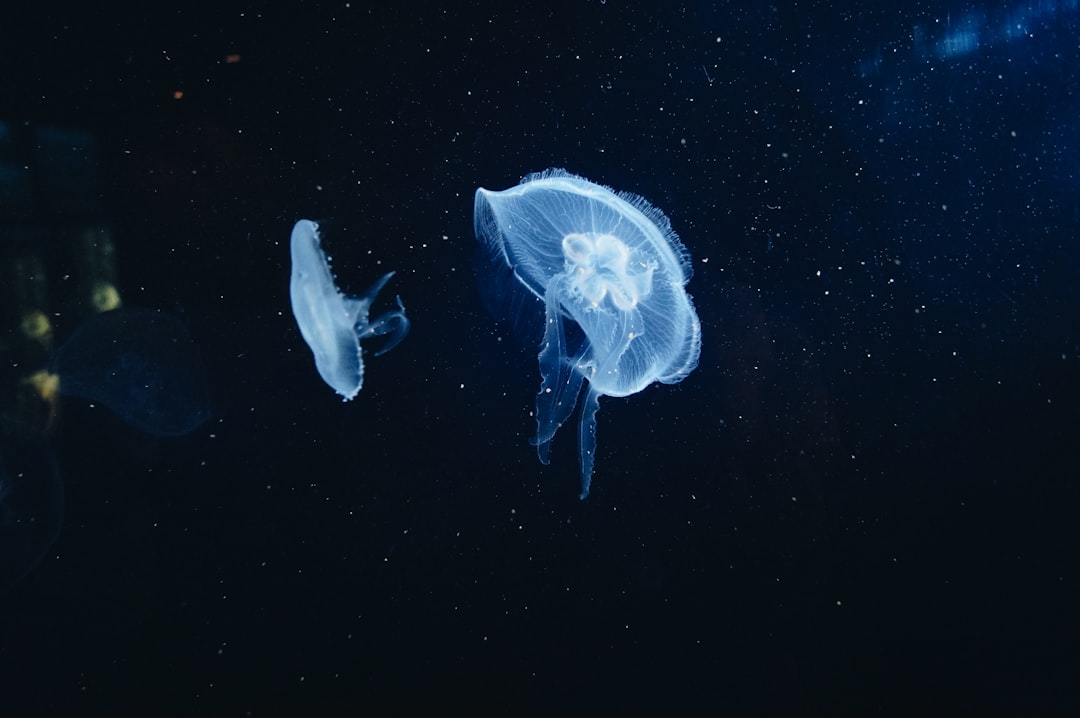
One of the most captivating aspects of the deep sea is its pervasive bioluminescence. The film dedicates a significant segment to this natural light show, revealing how many deep-sea creatures produce their own light for communication, hunting, and defense. Viewers are treated to a mesmerizing display of flashing, glowing, and pulsing organisms, transforming the perpetual darkness into a vibrant, albeit fleeting, spectacle. The documentary explains the complex biochemical processes behind bioluminescence, showcasing the diverse ways in which different species utilize this extraordinary adaptation. From the intricate light patterns of anglerfish to the glowing trails of jellyfish, the bioluminescent symphony of the deep is a testament to the ingenuity of evolution in the absence of sunlight. The visual effects used to enhance and clarify these natural displays are exceptional, allowing viewers to appreciate the intricate beauty of each organism’s luminescence.
Creatures of the Hadal Zone
The documentary delves into the hadal zone, the deepest trenches of the ocean, revealing life forms that defy our conventional understanding of survival. Organisms found in these extreme environments, subjected to immense pressure and near-freezing temperatures, demonstrate astonishing adaptations. The film features footage of snailfish, amphipods, and other specialized creatures that thrive where life was once thought impossible. The narration explains the physiological mechanisms these animals employ to cope with crushing pressures, such as having flexible bodies and specialized proteins. The visual presentation of these creatures, often translucent or oddly shaped, reinforces their alien nature, yet their existence offers profound insights into the limits of life. The documentary’s ability to capture these elusive creatures in their natural habitat is a testament to the cutting-edge technology employed.
The Role of Chemosynthesis
In the absence of sunlight, which powers most life on Earth through photosynthesis, deep-sea ecosystems often rely on chemosynthesis. The documentary explores hydrothermal vents and cold seeps, areas where chemical energy from within the Earth fuels entire communities of life. Scientists explain how specialized bacteria convert chemicals like hydrogen sulfide into energy, forming the base of a food web that supports unique organisms such as tube worms, mussels, and specialized crabs. The film provides dramatic visuals of these vibrant vent communities, a stark contrast to the surrounding barren seafloor, showcasing the remarkable resilience of life and its ability to exploit even the most unconventional energy sources. The detailed explanations of the chemosynthetic process, coupled with compelling imagery, make this a cornerstone of the documentary’s educational value.
Evolutionary Marvels and Unanswered Questions
“Exploring the Mysteries of the Deep Sea” doesn’t just showcase existing life; it probes the evolutionary pathways that led to these remarkable adaptations. The documentary discusses how isolation and extreme conditions have driven unique evolutionary trajectories in the deep sea, leading to species with specialized sensory organs, unique reproductive strategies, and astonishing lifespans. However, the film also acknowledges the vast gaps in our knowledge. Many deep-sea species remain undiscovered, and their ecological roles are still largely unknown. The documentary leaves viewers with a sense of awe and wonder, prompting reflection on the immense biodiversity still waiting to be uncovered and the fundamental questions about life’s origins and resilience that the deep sea may hold the keys to answering.
The Fragile Ecosystems of the Deep
While the documentary celebrates the wonder of deep-sea life, it also serves as a powerful call to action, highlighting the vulnerability of these unique and often overlooked ecosystems to human impact. The film underscores the importance of understanding and protecting these environments before they are irrevocably altered.
The Threat of Deep-Sea Mining
A significant portion of the documentary is dedicated to the burgeoning threat of deep-sea mining. As land-based resources dwindle, companies are increasingly looking to the ocean floor for minerals like cobalt, nickel, and copper. The film presents the potential environmental consequences of this activity, including habitat destruction, sediment plumes that can smother marine life, and the release of toxic substances. The visual evidence presented – simulated mining operations and their projected impact on delicate seafloor habitats – is stark and sobering. Scientists interviewed express grave concerns about the irreversible damage that could be inflicted upon these slow-growing, ancient ecosystems. The documentary argues that the potential short-term economic gains of deep-sea mining are outweighed by the long-term ecological risks.
Plastic Pollution’s Insidious Reach
The documentary reveals that even the deepest parts of the ocean are not immune to the pervasive problem of plastic pollution. Footage shows discarded fishing gear, plastic bags, and microplastics accumulating on the seafloor and being ingested by deep-sea organisms. The film illustrates how these persistent pollutants can disrupt food webs, harm marine life, and potentially enter the human food chain. The visuals of plastic debris entangled with deep-sea corals or found within the stomachs of deep-sea creatures are profoundly disturbing, serving as a stark reminder of humanity’s far-reaching impact on the planet. The scientists emphasize the slow degradation rate of plastics in the cold, dark depths, meaning that pollution introduced today will persist for centuries.
Climate Change and its Deep-Sea Consequences
“Exploring the Mysteries of the Deep Sea” also addresses the indirect impacts of climate change on deep-sea environments. The film discusses how rising ocean temperatures, ocean acidification, and changes in ocean currents can affect deep-sea species that have evolved in stable conditions. The acidification, for example, poses a particular threat to organisms with calcium carbonate shells and skeletons, such as corals and shellfish. The documentary uses scientific projections and animations to illustrate how these global changes could lead to shifts in species distribution, loss of biodiversity, and disruption of deep-sea food webs. The interconnectedness of the global ocean is made clear, demonstrating that even seemingly distant impacts can have profound consequences for the abyss.
The Case for Protection and Sustainable Practices
The documentary concludes its exploration of threats by advocating for robust conservation measures and the adoption of sustainable practices. It highlights the work of organizations and initiatives aimed at protecting vulnerable deep-sea habitats and advocates for a precautionary approach to any future exploitation of deep-sea resources. The film stresses that a deeper understanding of these ecosystems is crucial before irreversible damage is done. It calls for international cooperation, stricter regulations, and increased investment in scientific research to ensure the long-term health of the deep sea. The ultimate message is one of responsibility – that humanity must act as stewards of this last great frontier, safeguarding its wonders for future generations.
The Uncharted Territories of Scientific Discovery
The documentary “Exploring the Mysteries of the Deep Sea” is not just a showcase of what we know; it is a testament to the vastness of what remains unknown. It inspires a sense of ongoing scientific endeavor, highlighting the critical role of continued research in unraveling the remaining enigmas of the deep.
The Search for New Medicines and Biomaterials
The deep sea is a treasure trove of novel biochemical compounds. The documentary explores the potential of deep-sea organisms as sources for new pharmaceuticals, biotechnological applications, and innovative biomaterials. Scientists discuss how organisms adapted to extreme environments may possess unique enzymes or molecules with therapeutic properties, such as anticancer agents or novel antibiotics. The film showcases early-stage research and development, hinting at a future where discoveries from the abyss could revolutionize medicine and industry. The concept of “bioprospecting” – the exploration of biological resources for commercial potential – is presented as a promising, albeit ethically complex, avenue of research.
Understanding Earth’s Climate and Geology
The deep sea plays a crucial role in regulating Earth’s climate and shaping its geology. The documentary explains how ocean currents transport heat and nutrients, influencing global weather patterns. It also delves into the geological processes occurring on the seafloor, including volcanic activity and the formation of hydrothermal vents, which contribute to the planet’s dynamic geological cycles. Scientists discuss how studying these processes can provide invaluable insights into Earth’s past climate, predict future changes, and even offer clues about the potential for life on other planets. The deep sea, in this context, is revealed not just as a habitat but as an integral component of the Earth system.
The Future of Deep-Sea Exploration: AI and Robotics
Looking ahead, the documentary speculates on the future of deep-sea exploration, emphasizing the increasing role of artificial intelligence (AI) and advanced robotics. The film presents concepts for AI-powered autonomous vehicles capable of making complex decisions and conducting sophisticated research missions independently. The development of miniaturized, swarm robotics for detailed mapping and sampling is also discussed. These advancements promise to accelerate the pace of discovery, allowing scientists to explore even greater areas of the ocean with increased efficiency and reduced risk. The integration of AI is framed as the next frontier, promising to unlock even deeper secrets of the abyss.
Inspiring the Next Generation of Explorers
Ultimately, “Exploring the Mysteries of the Deep Sea” aims to inspire. By showcasing the wonders and challenges of deep-sea exploration, the documentary seeks to ignite curiosity and encourage the next generation of scientists, engineers, and conservationists to pursue careers in oceanography and related fields. The film leaves viewers with a profound appreciation for the ocean’s immensity and its critical importance to the health of our planet. The sense of wonder and discovery that permeates the documentary serves as a powerful motivator, urging individuals to look beyond the familiar and embrace the pursuit of knowledge in the most extraordinary of environments.
Deep sea science has always fascinated researchers and the general public alike, as it unveils the mysteries of our planet’s least explored environments. A captivating documentary that delves into this enigmatic realm is available for those eager to learn more. You can explore related insights in an article that discusses the latest discoveries and technologies used in deep sea exploration. For further reading, check out this informative piece on deep sea research at Freaky Science, where you can find a wealth of knowledge about the ocean’s depths and its incredible ecosystems.
The Human Connection: Our Place in the Deep
| Documentary Title | Release Year | Duration | Main Focus |
|---|---|---|---|
| Deep Sea | 2006 | 1 hour 40 minutes | Exploration of deep sea creatures and ecosystems |
| Blue Planet II: The Deep | 2017 | 1 hour | Focus on deep sea habitats and the creatures that live there |
| Aliens of the Deep | 2005 | 1 hour 40 minutes | Exploration of hydrothermal vents and the unique life forms found there |
The documentary concludes by bringing the exploration of the deep sea back to humanity. It emphasizes not only the scientific and environmental reasons for our interest in the abyss but also the profound philosophical and existential questions it raises about our place in the universe and the nature of life itself.
A Mirror to Our Own Existence
The extreme conditions of the deep sea – the darkness, the pressure, the isolation – can serve as a metaphor for some of humanity’s own existential challenges. The resilience of deep-sea life in the face of adversity can offer lessons in perseverance and adaptation. The documentary suggests that by exploring the depths, we are, in a way, exploring aspects of ourselves and our own capacity for survival and innovation. The alien nature of deep-sea creatures, while fascinating, also highlights the diversity of life’s possibilities, pushing the boundaries of our preconceived notions of what life can be.
The Importance of Stewardship and Responsibility
The film powerfully reinforces the idea that as the dominant species on Earth, humanity has a profound responsibility to be good stewards of all its ecosystems, including the deep sea. The documentary argues that our understanding of these environments comes with a moral imperative to protect them from exploitation and degradation. The beauty and wonder of the deep sea are presented not just as curiosities but as intrinsic values that deserve protection. The film stresses that the decisions made today regarding deep-sea resource use will have consequences that echo for millennia.
The Enduring Allure of the Unknown
“Exploring the Mysteries of the Deep Sea” leaves the audience with a sense of profound awe and a lingering curiosity. The documentary masterfully illustrates that despite our technological advancements, vast areas of our planet remain unexplored, holding secrets that could fundamentally alter our understanding of life, Earth, and ourselves. The allure of the unknown, the promise of discovery, and the sheer magnitude of the deep sea continue to beckon, ensuring that the quest to explore its mysteries will endure for generations to come. The final scenes, often showcasing the immense, silent grandeur of the abyssal plains or the ephemeral dance of bioluminescent creatures, leave a lasting impression, underscoring the enduring power of exploration and the profound beauty of our planet’s hidden realms.

The Deeper You Go, the Less Life Looks Like Life
FAQs
What is a deep sea science documentary?
A deep sea science documentary is a film or video production that explores and showcases the scientific research, discoveries, and phenomena related to the deep sea. It often includes footage of deep sea creatures, underwater ecosystems, and the work of scientists and researchers in this field.
What topics are typically covered in a deep sea science documentary?
Deep sea science documentaries often cover a wide range of topics, including deep sea exploration, marine biology, oceanography, underwater geology, hydrothermal vents, bioluminescent organisms, and the impact of human activities on the deep sea environment.
How are deep sea science documentaries produced?
Deep sea science documentaries are typically produced through a combination of underwater filming, scientific research expeditions, interviews with experts, and narration to provide context and information. Advanced underwater filming equipment and techniques are often used to capture the unique and often unseen aspects of the deep sea.
What are the benefits of watching a deep sea science documentary?
Watching a deep sea science documentary can provide viewers with a greater understanding of the deep sea environment, the fascinating creatures that inhabit it, and the important scientific research being conducted in this field. It can also raise awareness about the need for conservation and protection of the deep sea.
Where can one watch deep sea science documentaries?
Deep sea science documentaries can be found on various streaming platforms, such as Netflix, Amazon Prime, and National Geographic, as well as on television channels dedicated to science and nature programming. They may also be available for purchase or rental through online platforms.