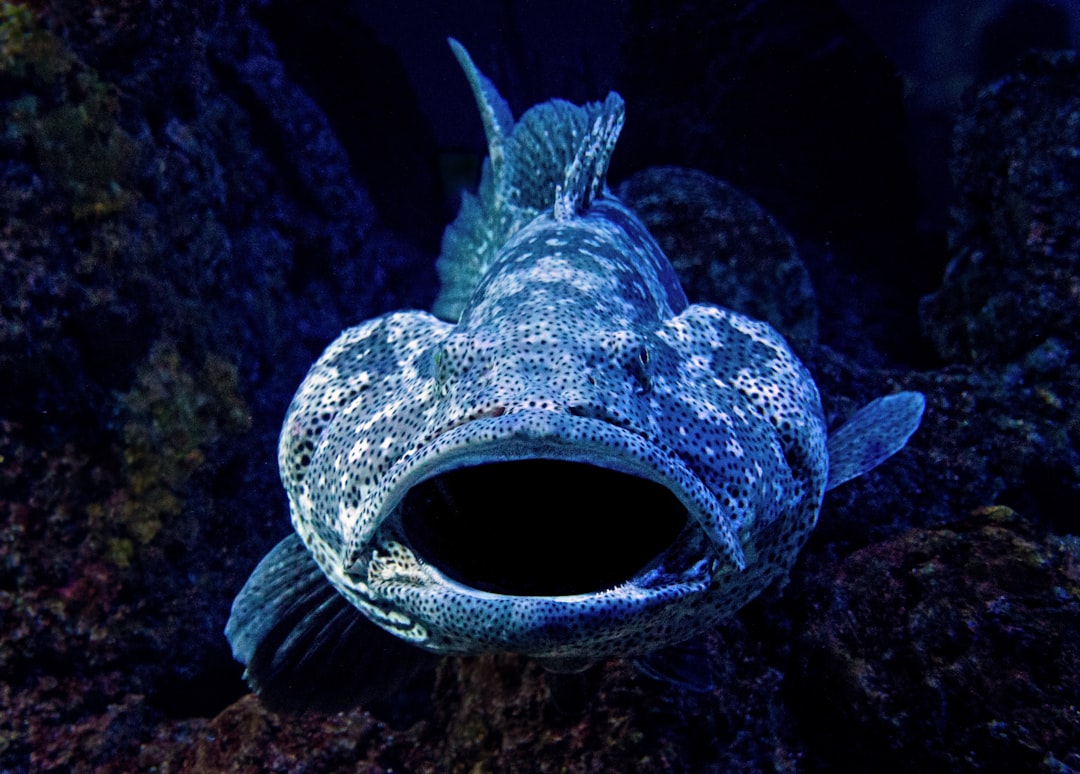
The ocean’s surface, a shimmering expanse of blue, offers a tantalizing glimpse into a world that remains largely uncharted. Beneath the waves lies a realm of profound mystery and astonishing biodiversity: the deep sea. This alien landscape, characterized by crushing pressures, perpetual darkness, and frigid temperatures, is home to an extraordinary array of life forms that have evolved in ways that defy human imagination. Exploring these abyssal depths is not merely an academic pursuit; it is a journey into the very origins of life and a crucial undertaking for understanding the health of our planet.
The deep sea is not a monolithic entity but a series of distinct zones, each with its own unique set of challenges and inhabitants. The defining characteristic is the absence of sunlight, a fundamental resource for most life on Earth. This absence dictates the very structure of the deep-sea ecosystem, from primary producers to the apex predators.
The Epipelagic Zone: A Fading Light
The epipelagic zone, also known as the sunlight zone, extends from the surface down to about 200 meters. While it receives ample sunlight, its lower reaches are dimly lit, and below 1000 meters, the light completely disappears. This zone is the most familiar to us, supporting vast schools of fish, marine mammals, and the photosynthetic plankton that form the base of many food webs. However, even here, the transition to deeper waters begins to introduce the challenges of reduced light and increasing pressure.
The Mesopelagic Zone: The Twilight’s Edge
Below the epipelagic lies the mesopelagic zone, extending from 200 to 1,000 meters. This is the realm of perpetual twilight, where sunlight is too weak to support photosynthesis but still detectable. Many creatures here exhibit adaptations to low light, such as large eyes to capture every photon. Bioluminescence, the production of light by living organisms, becomes increasingly prevalent in this zone as a means of communication, hunting, and defense.
Bioluminescence: Nature’s Own Light Show
The mesopelagic is a dazzling display of bioluminescence. Organisms have evolved a variety of light-producing mechanisms, often involving chemical reactions between a light-emitting molecule (luciferin) and an enzyme (luciferase). This light can be used in a multitude of ways. Some fish possess photophores, light-emitting organs, arranged in specific patterns that can be used to recognize their own species, attract mates, or even lure prey. In the darkness, a sudden flash of light can startle a predator, allowing the prey to escape.
Vertical Migration: A Daily Dance
A significant phenomenon in the mesopelagic is the daily vertical migration. Millions of organisms, from tiny zooplankton to larger fish, ascend to the surface waters at night to feed on the abundant phytoplankton and then descend back into the depths before dawn to avoid predation. This massive movement of biomass plays a vital role in nutrient cycling between the surface and deeper ocean.
The Bathyal Zone: Embracing the Darkness
Descending further, the bathyal zone, also known as the midnight zone, begins at 1,000 meters and extends to about 4,000 meters. Here, the darkness is absolute, and the pressure is immense, reaching hundreds of atmospheres. Life in the bathyal zone is scarce but highly specialized. Organisms have adapted to extreme conditions, often with slow metabolisms and unique physiological adaptations.
Pressure Tolerance: A Biochemical Feat
The immense hydrostatic pressure of the bathyal zone would crush most surface-dwelling organisms. Deep-sea creatures have evolved remarkable biochemical and structural adaptations to cope. Their cell membranes are more fluid, and they produce special proteins called piezolytes that help stabilize enzymes and other cellular components under pressure. Their bodies are often gelatinous, lacking the air-filled cavities that would be susceptible to collapse.
Chemoautotrophy: Life Without Sunlight
In the absence of sunlight, primary production in the deep sea relies on chemosynthesis. This process, which occurs at hydrothermal vents and cold seeps, uses chemical energy from inorganic compounds (like hydrogen sulfide) to produce organic matter. These ecosystems, independent of solar energy, are teeming with unique bacteria, archaea, and the animals that graze on them.
The Abyssal Zone: The Vast Plains
The abyssal zone stretches from 4,000 to 6,000 meters. These are the vast, featureless plains of the deep ocean floor, covered in fine sediment. Life here is sparse, with organisms widely distributed and adapted to the cold, dark, and high-pressure environment. Many are deposit feeders, sifting through the sediment for organic detritus that has slowly drifted down from above.
Adaptations for Survival: Slow and Steady
Creatures of the abyssal zone often have slow metabolisms, growing and reproducing at a glacial pace. They conserve energy and have developed strategies for finding scarce food resources. Some possess elongated sensory organs to detect vibrations or chemical cues in the water, while others have large mouths to engulf any prey they encounter.
The Hadal Zone: The Deepest Trenches
The hadal zone, comprising the ocean’s deepest trenches, plunges to depths exceeding 6,000 meters. These extreme environments, like the Mariana Trench, are the most inhospitable on Earth, with pressures that can exceed 1,000 times that at the surface. Despite these challenges, life persists, showcasing the remarkable resilience of biological systems.
Extremophiles: Pioneers of the Abyss
The organisms found in the hadal zone are known as extremophiles. They are not only adapted to immense pressure but also to low temperatures and limited food availability. Their survival is a testament to the power of natural selection and the ability of life to find a foothold in the most challenging of niches.
Deep sea biology is a fascinating field that explores the unique ecosystems and organisms that thrive in the darkest depths of our oceans. For those interested in learning more about the incredible adaptations of deep-sea creatures and the ongoing research in this area, a related article can be found at Freaky Science. This resource delves into the mysteries of the deep sea, highlighting the remarkable life forms that inhabit these extreme environments and the scientific efforts to understand them better.
The Astonishing Adaptations of Deep-Sea Life
The evolutionary pressures of the deep sea have sculpted a menagerie of creatures with adaptations that seem plucked from science fiction. These are not merely variations on surface-dwelling themes; they are entirely new paradigms of life.
Feeding Strategies: From Filter to Ambush
The scarcity of food in the deep sea has led to a diverse range of feeding strategies. Filter feeders, like some species of sponges and sea cucumbers, patiently wait for organic particles to drift by. Deposit feeders ingest large amounts of sediment, extracting the nutrients. Predation is also common, with many species employing ambush tactics, lying in wait for unsuspecting prey.
The Anglerfish: A Lure in the Darkness
Perhaps one of the most iconic examples of deep-sea adaptation is the anglerfish. The female anglerfish possesses a bioluminescent lure, an esca, dangling from a modified dorsal fin spine. This glowing bait attracts small fish and invertebrates in the perpetual darkness, drawing them within striking distance of the anglerfish’s formidable jaws.
The Gulper Eel: A Mouth to Behold
The gulper eel, or pelican eel, is another remarkable example. Its disproportionately large mouth, which can distend to swallow prey much larger than its own head, allows it to capitalize on infrequent feeding opportunities. Its body is often small and whip-like, further emphasizing the importance of its enormous jaws.
Sensory Systems: Navigating the Void
With no light to see by, deep-sea organisms have developed highly specialized sensory systems to navigate their environment, find mates, and detect prey.
Enhanced Hearing and Vibration Detection
Many deep-sea fish have highly developed lateral lines, a sensory organ that detects vibrations and pressure changes in the water. This allows them to sense the movement of prey or predators even in complete darkness. Their auditory systems are also often finely tuned to pick up faint sounds.
Chemoreception: Smelling in the Dark
The sense of smell, or chemoreception, plays a critical role in deep-sea life. Organisms can detect dissolved chemicals in the water, allowing them to locate food sources, identify potential mates, or avoid dangerous areas. Some species have specialized olfactory organs that are incredibly sensitive.
Reproduction: The Challenge of Finding a Mate
The vastness and sparsity of deep-sea populations present a significant challenge for reproduction. Finding a mate in the darkness and over great distances requires ingenious solutions.
Sexual Dimorphism and Parasitic Males
In some deep-sea anglerfish species, the males are tiny and dramatically sexually dimorphic, existing in a state of extreme parasitism. Upon finding a female, the male bites into her body, fuses with her bloodstream, and becomes a permanent appendage, providing sperm in exchange for nourishment. This ensures that when the female is ready to reproduce, a mate is always at hand.
Bioluminescent Signaling for Mating
Bioluminescence is also used for mate attraction. Specific patterns and flashes of light can signal species identity and reproductive readiness, allowing individuals to find each other in the inky blackness.
Unveiling the Secrets: Technologies for Deep-Sea Exploration
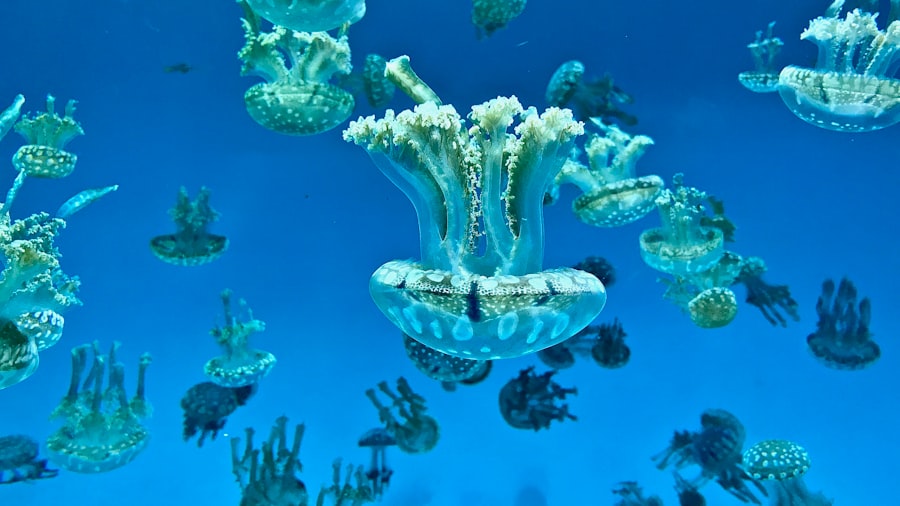
Our understanding of the deep sea has been painstakingly built over centuries, with technological advancements playing a pivotal role in pushing the boundaries of exploration.
Submersibles: Venturing into the Abyss
Human-occupied submersibles, such as the Alvin and the Trieste, have allowed scientists to directly observe deep-sea environments and collect samples. These pressurized vessels offer a window into the alien landscapes and the creatures that inhabit them.
Remotely Operated Vehicles (ROVs) and Autonomous Underwater Vehicles (AUVs)
Modern deep-sea exploration relies heavily on robotic vehicles. ROVs, tethered to a surface ship, provide real-time video feeds and manipulation capabilities. AUVs, on the other hand, operate independently, programmed to collect data and explore pre-defined areas. These vehicles are increasingly sophisticated, equipped with high-definition cameras, sonar, and sampling instruments.
The Power of Imaging: High-Resolution Cameras and Sonar
Advanced imaging technologies are crucial for documenting the deep sea. High-resolution cameras capture stunning visual data, while sonar systems allow for the mapping of the seafloor and the detection of submerged objects. These technologies enable scientists to create detailed atlases of deep-sea habitats.
Sampling and Data Collection: Unlocking Biological Secrets
Specialized equipment allows for the collection of a wide range of samples, from water and sediment to biological specimens. These samples are vital for laboratory analysis, genetic sequencing, and understanding the physiological and biochemical makeup of deep-sea organisms. Sensors collect data on temperature, salinity, pressure, and chemical composition, providing critical environmental context.
The Role of Genomics and Molecular Biology
The advent of genomics has revolutionized our ability to study deep-sea life. By analyzing the DNA of these organisms, scientists can unravel their evolutionary history, understand their adaptations at a molecular level, and even identify potential biotechnological applications.
The Deep Sea’s Vital Role in Earth’s Systems
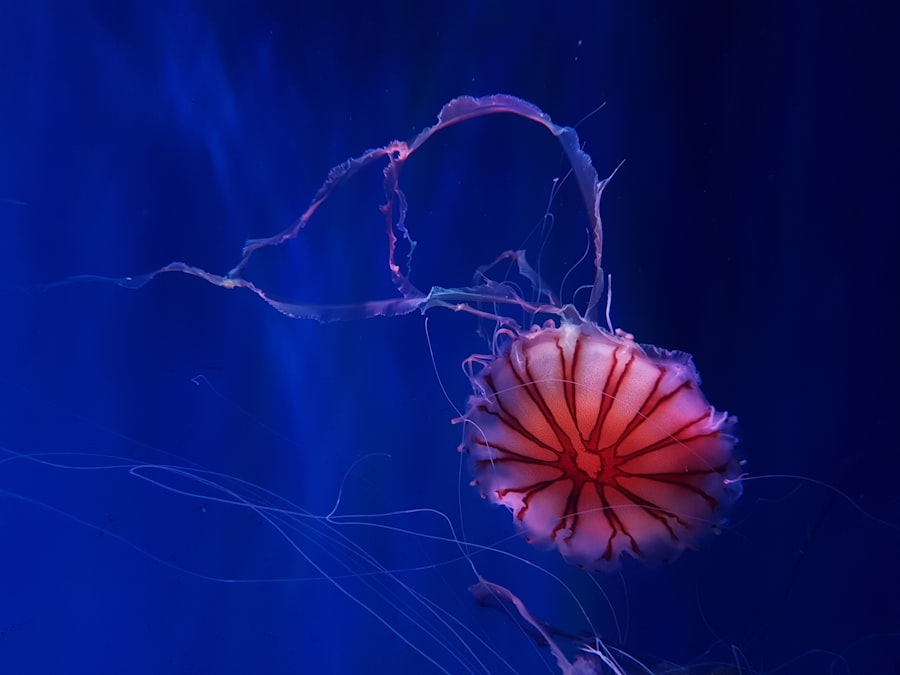
The deep sea is not an isolated environment; it is an integral part of the Earth’s complex and interconnected systems. Its health has profound implications for the entire planet.
Carbon Sequestration: A Global Thermostat
The deep ocean plays a crucial role in regulating Earth’s climate by acting as a massive carbon sink. Photosynthesis in the surface waters captures atmospheric carbon dioxide. When marine organisms die, their organic matter sinks to the ocean floor, effectively sequestering carbon for millennia. This process is essential for mitigating the effects of rising greenhouse gas concentrations.
Nutrient Cycling: The Ocean’s Engine
The movement of nutrients between the surface and deep ocean is vital for sustaining marine life. Processes like upwelling bring nutrient-rich deep waters to the surface, fueling primary production. The decomposition of organic matter in the deep sea also releases essential nutrients back into the water column, completing the cycle.
Biodiversity Hotspots and Undiscovered Life
The deep sea harbors an astonishing level of biodiversity, with countless species yet to be discovered. These unique ecosystems, shaped by millennia of isolation and extreme conditions, represent a vast reservoir of genetic information and evolutionary innovation. Protecting these areas is crucial for preserving this invaluable biodiversity.
Deep sea biology is a fascinating field that explores the unique organisms and ecosystems found in the ocean’s depths. For those interested in learning more about this intriguing subject, a related article can be found at Freaky Science, which delves into the adaptations of deep-sea creatures and their roles in the marine environment. Understanding these adaptations not only sheds light on the resilience of life in extreme conditions but also highlights the importance of preserving these mysterious habitats.
Threats to the Deep and the Imperative for Conservation
| Topic | Metrics |
|---|---|
| Depth of exploration | Up to 11,000 meters in the Mariana Trench |
| Species diversity | Estimated 500,000 to 10 million species |
| Temperature | Typically 2-4°C, but can vary in different regions |
| Pressure | Up to 1,100 times greater than at the surface |
| Bioluminescence | Many deep-sea organisms produce their own light |
Despite its remoteness, the deep sea is increasingly facing threats from human activities. Understanding these threats is paramount to ensuring the long-term health of this fragile ecosystem.
Deep-Sea Mining: A Looming Concern
The prospect of mining the deep seafloor for valuable minerals, such as polymetallic nodules and cobalt-rich crusts, poses a significant threat. The extraction processes can cause widespread habitat destruction, sediment plumes that can smother organisms, and the release of toxic substances. The long-term ecological impacts are poorly understood.
Habitat Destruction and Sedimentation
The physical disturbance of the seafloor during mining operations can permanently alter these slow-growing ecosystems. Sediment plumes can travel for miles, impacting filter-feeding organisms and disrupting delicate food webs.
Noise and Light Pollution
The machinery involved in deep-sea mining generates significant noise and light pollution, which can disrupt the behavior and communication of deep-sea animals, many of which rely on subtle sensory cues.
Climate Change Impacts: Warming and Acidification
Climate change is also affecting the deep sea. Ocean warming can alter species distributions and stress sensitive organisms. Ocean acidification, caused by the absorption of excess carbon dioxide from the atmosphere, makes it difficult for calcifying organisms, such as corals and shellfish, to build their shells and skeletons.
Ocean Warming and Species Migration
As ocean temperatures rise, some deep-sea species may be forced to migrate to cooler waters, if available, disrupting existing ecosystems. Those that cannot adapt or move face a severe threat of extinction.
Ocean Acidification and Shell Formation
The increasing acidity of the ocean makes it harder for organisms that build shells and skeletons out of calcium carbonate to survive. This is particularly concerning for deep-sea corals, which form complex habitats for other species.
Pollution: Plastics and Other Debris
Pollution, including plastic waste and chemical pollutants, is a growing problem in the deep sea. Plastics can entangle marine life or be ingested, causing internal injuries and starvation. Chemical pollutants can accumulate in the food chain, posing risks to both deep-sea organisms and potentially to humans who consume seafood.
Microplastics: A Pervasive Contaminant
Microplastics, tiny fragments of plastic, have been found throughout the deep ocean, from the seafloor to the water column. These particles can be ingested by a wide range of organisms, from plankton to fish, with unknown long-term health consequences.
The Urgency of Conservation and Sustainable Practices
Protecting the deep sea requires a multi-faceted approach. This includes establishing marine protected areas, implementing stricter regulations for resource extraction, and reducing global pollution. Continued research and monitoring are essential to inform these conservation efforts.
International Cooperation and Policy Development
The deep sea is a shared global resource, and its protection requires international cooperation. Collaborative efforts are needed to develop effective policies and agreements that safeguard these vulnerable ecosystems.
Public Awareness and Education
Raising public awareness about the wonders and importance of the deep sea is crucial for garnering support for conservation initiatives. Educating future generations about the need to protect this last frontier of our planet is an investment in a healthy ocean for all. The exploration of the deep sea is a testament to human curiosity and our enduring drive to understand the unknown. As technology advances, we continue to peel back the layers of this mysterious realm, revealing a world of unparalleled beauty and ecological significance. The wonders of deep-sea biology are not just a subject of scientific inquiry; they are a profound reminder of the intricate web of life that sustains our planet and our responsibility to protect it.

The Deeper You Go, the Less Life Looks Like Life
FAQs
What is deep sea biology?
Deep sea biology is the study of the organisms that live in the deep ocean, typically below 200 meters. This field of biology focuses on the unique adaptations and behaviors of deep sea creatures to survive in extreme conditions such as high pressure, low temperatures, and limited food supply.
What are some examples of deep sea organisms?
Some examples of deep sea organisms include anglerfish, gulper eels, giant tube worms, vampire squid, and deep sea jellyfish. These creatures have evolved to thrive in the darkness and cold of the deep ocean, often with specialized features such as bioluminescence and extreme pressure tolerance.
What are the challenges of studying deep sea biology?
Studying deep sea biology presents numerous challenges, including the high cost and technical difficulty of deep sea exploration, the extreme conditions of the deep ocean, and the limited accessibility of deep sea habitats. Additionally, the fragile nature of deep sea ecosystems makes it difficult to study these organisms without causing harm.
Why is deep sea biology important?
Deep sea biology is important because it provides valuable insights into the diversity of life on Earth and the adaptations of organisms to extreme environments. Studying deep sea organisms can also lead to the discovery of new compounds and technologies with potential applications in medicine, biotechnology, and environmental conservation.
What are some current areas of research in deep sea biology?
Current areas of research in deep sea biology include the exploration of deep sea ecosystems, the study of deep sea biodiversity and evolution, the investigation of deep sea food webs and nutrient cycling, and the development of new technologies for deep sea exploration and conservation.