
Exploring the Mysterious Depths: A Journey into the Deep Sea Documentary
The allure of the unknown has always captivated the human spirit. While we have ventured to the moon and mapped the vast expanse of outer space, the deepest parts of our own planet remain largely unexplored, shrouded in an enigma as profound as the cosmos itself. It is within this realm of perpetual darkness and unimaginable pressure that the deep sea documentary, “Echoes from the Abyss,” embarks on a breathtaking journey, peeling back the layers of mystery to reveal a world teeming with life, wonder, and a stark reminder of our planet’s incredible biodiversity. This documentary serves not merely as a visual spectacle, but as an educational and emotional expedition, inviting viewers to confront the unknown and reconsider our place within the intricate tapestry of life on Earth.
The opening sequences of “Echoes from the Abyss” immediately establish the overwhelming scale and alien nature of the deep sea. Employing cutting-edge submersible technology, the film plunges viewers far below the sunlit surface, into a realm where light is a forgotten luxury. The sheer blackness of the environment is palpable, a canvas upon which fleeting bioluminescent creatures paint ephemeral strokes of light. The documentary masterfully uses sound design to amplify this sense of isolation and immensity; the creaking of the submersible, the distant thrum of unseen currents, and the eerie clicks and whistles of unknown organisms create an immersive experience that transcends mere observation.
The Technological Marvels of Deep Sea Exploration
The film dedicates significant time to showcasing the incredible technological advancements that make such expeditions possible. Viewers are treated to behind-the-scenes glimpses of the specialized submersibles, remotely operated vehicles (ROVs), and advanced sonar systems that are the eyes and ears of scientists in this hostile environment. The documentary highlights the ingenuity and perseverance required to design and operate equipment that can withstand pressures equivalent to hundreds of atmospheres, temperatures near freezing, and the corrosive effects of saltwater.
ROVs: Robotic Explorers of the Deep
The role of ROVs is particularly emphasized. These tethered robots, equipped with high-definition cameras, robotic arms, and sampling tools, act as extensions of the human researchers. The documentary illustrates how ROVs allow for close-up observation of delicate ecosystems and the collection of invaluable data and specimens without the need to bring humans into such extreme conditions. One segment focuses on the intricate maneuvering required to navigate ROVs through complex underwater canyons, demonstrating the skill of the pilots and the precision of these robotic explorers.
Submersibles: The Human Touch in the Dark
The human-occupied submersibles, while less common due to their inherent risks and costs, offer a unique perspective. The film shares the experiences of the scientists who have journeyed into the abyss in these vessels, their awe and wonder at witnessing firsthand the alien landscapes and inhabitants. The documentary captures the palpable excitement and profound sense of discovery that permeates these missions, showcasing the human drive to explore and understand.
The Unfathomable Pressures and Extreme Conditions
“Echoes from the Abyss” does not shy away from the extreme environmental conditions of the deep sea. The documentary meticulously explains the physics of pressure at these depths, illustrating how it would instantly crush any unprotected object. It also delves into the challenges of maintaining life support systems within submersibles and the complexities of operating delicate instruments under such duress. The constant struggle against these formidable forces underscores the resilience of both the technology and the life forms that call this environment home.
Understanding Hydrostatic Pressure
The film employs clear and accessible analogies to explain hydrostatic pressure. One segment uses the analogy of stacking many elephants on top of a small object to convey the immense weight of the water column. This visual representation helps viewers grasp the sheer magnitude of the forces at play and why life in the deep sea has evolved such unique adaptations.
The Absence of Light and its Implications
The perpetual darkness of the deep sea is a recurring theme. The documentary explores how the lack of sunlight has shaped the evolution of life, leading to specialized sensory organs, bioluminescence, and unique hunting strategies. The film contrasts the vibrant, sun-drenched coral reefs of shallow waters with the stark, monochromatic beauty of the abyssal plains, highlighting the dramatic shift in ecological dynamics.
If you’re fascinated by the mysteries of the ocean, you might want to check out this insightful article that delves deeper into the wonders of deep-sea exploration. The piece discusses the latest advancements in underwater technology and highlights some of the most intriguing discoveries made in the abyss. For more information, you can read the article here: Deep Sea Discoveries.
Life in the Twilight Zone: Biodiversity Beyond Imagination
As the submersible descends further, the documentary transitions from the initial shock of the environment to the astonishing array of life that thrives in its depths. “Echoes from the Abyss” is a celebration of deep-sea biodiversity, revealing creatures that defy conventional understanding of life on Earth. The film showcases a menagerie of bizarre and beautiful organisms, each exquisitely adapted to its niche in this extreme habitat.
Bioluminescence: Nature’s Own Light Show
Perhaps the most visually captivating aspect of deep-sea life is bioluminescence. “Echoes from the Abyss” dedicates a significant portion to exploring this phenomenon. The documentary reveals how various species, from tiny plankton to large predators, produce their own light for a multitude of purposes, including attracting prey, warding off predators, communication, and even camouflage.
The Chemistry of Light Production
The film offers simplified explanations of the chemical processes behind bioluminescence, focusing on the roles of luciferin and luciferase. Viewers witness mesmerizing displays of glowing organisms, from the pulsating lights of comb jellies to the ethereal glow of anglerfish lures. The documentary emphasizes that this is not just a random occurrence but a sophisticated form of communication and survival.
Bioluminescence as a Survival Tool
Beyond mere spectacle, the documentary highlights the practical applications of bioluminescence. It shows how some creatures use their light to startle predators, creating a sudden flash that disorients and allows for escape. Others use it to mimic larger animals or to lure unsuspecting prey into their deadly grasp. The film demonstrates that in the absence of sunlight, light itself has become a vital tool for survival.
Adaptations for Survival: Unique Evolutionary Paths
The documentary delves into the extraordinary adaptations that deep-sea organisms have developed to survive in an environment characterized by crushing pressure, perpetual darkness, and scarce food resources. Viewers are introduced to creatures with gelatinous bodies that can withstand immense pressure, large mouths and expandable stomachs for opportunistic feeding, and specialized senses that compensate for the lack of vision.
The Gentle Giants of the Deep: Whales and Giant Squid
While often associated with shallower waters, the film also touches upon the deep-sea habits of some whale species and the legendary giant squid. The documentary presents rare footage of these elusive creatures, highlighting their immense size and the challenges of studying them in their natural habitat. The sheer scale of these animals, revealed against the backdrop of the dark abyss, is truly humbling.
The Ingenuity of Microscopic Life
Beyond the charismatic megafauna, “Echoes from the Abyss” also sheds light on the crucial role of microscopic organisms. The documentary explores hydrothermal vent ecosystems, where chemosynthetic bacteria form the base of the food chain, supporting unique communities of tube worms, mussels, and other invertebrates. This discovery revolutionized our understanding of where life can exist and the diverse energy sources that can sustain it.
The Concept of Extremophiles: Life in the Most Unlikely Places
The existence of life in the deep sea, particularly around hydrothermal vents, leads to the discussion of extremophiles – organisms that thrive in conditions that would be lethal to most life forms. The documentary presents these creatures as pioneers of life, demonstrating the incredible adaptability and resilience of biological systems.
Hydrothermal Vents: Oases in the Deep
The exploration of hydrothermal vents is a particularly compelling segment. The film depicts these volcanic fissures spewing superheated, mineral-rich water into the cold ocean depths. The vibrant communities that flourish around these vents, fueled by chemical energy rather than sunlight, are presented as a testament to life’s persistent drive to exist and evolve.
Bacteria as the Foundation of Deep-Sea Food Webs
The documentary emphasizes that in these chemosynthetic ecosystems, bacteria are the primary producers. They convert inorganic chemicals into organic matter, forming the base of a complex food web that supports a remarkable array of specialized organisms. This challenges the conventional view that all life ultimately depends on solar energy.
Mysteries of the Uncharted Territory: Unanswered Questions and Future Discoveries
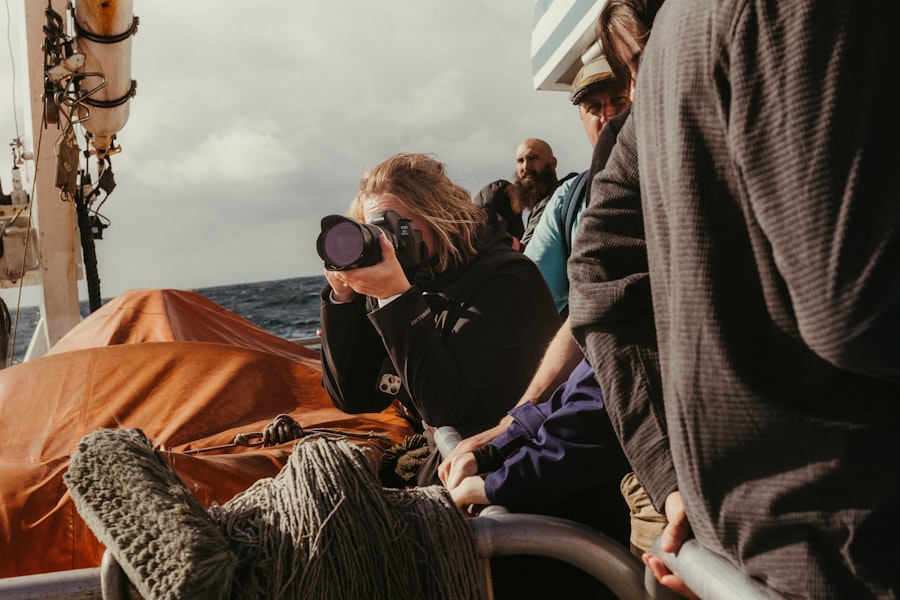
Despite the incredible advancements in deep-sea exploration, “Echoes from the Abyss” underscores the vastness of what remains unknown. The documentary inspires curiosity by highlighting the many questions that still linger about the deep sea’s inhabitants, ecosystems, and geological processes.
The Vastness of Unexplored Regions
The film reminds viewers that the deep sea covers over 60% of our planet’s surface and that the majority of it remains unmapped and unexplored. The documentary poses questions about what other incredible life forms might be waiting to be discovered in these largely unvisited regions.
The Limits of Current Exploration
While technology has made significant strides, the sheer scale of the deep sea presents ongoing challenges for exploration. The documentary acknowledges the limitations of current submersible technology, sonar capabilities, and research vessel deployment, hinting at the need for even more innovative solutions to penetrate these final frontiers.
Predicting the Undiscovered
The film touches upon the scientific efforts to predict where new species or unique ecosystems might be found. By studying geological formations, ocean currents, and the distribution of known deep-sea organisms, scientists are attempting to make educated guesses about where to focus their limited exploration resources.
The Role of Deep-Sea Sediments and Geological Formations
Beyond the charismatic life forms, the documentary also explores the geological significance of the deep sea. It examines the vast plains of sediment, the colossal underwater mountains, and the volcanic activity that shapes the ocean floor. These geological features hold clues to Earth’s history and ongoing processes.
Sediment Cores: A Record of Earth’s Past
The film illustrates how scientists collect sediment cores from the ocean floor. These cores act like time capsules, preserving layers of sediment that contain fossilized remains of ancient organisms, volcanic ash, and other environmental indicators. Analyzing these cores allows researchers to reconstruct past climate conditions, oceanographic events, and evolutionary timelines.
Submarine Volcanoes and Their Impact
The documentary also features footage of submarine volcanoes and their impact on the ocean environment. It explains how these underwater eruptions can create new habitats, influence ocean chemistry, and even affect global climate patterns. The raw power of these geological events is both awe-inspiring and a reminder of the dynamic nature of our planet.
The Potential for Biomedical and Industrial Discoveries
“Echoes from the Abyss” also hints at the potential for future discoveries with significant implications for human well-being. The unique biochemical compounds produced by deep-sea organisms, adapted to survive extreme conditions, hold promise for new medicines, industrial enzymes, and biomaterials.
Novel Pharmaceuticals from the Deep
The documentary interviews scientists who are researching deep-sea microbes and invertebrates for novel compounds with antibiotic, antiviral, or anti-cancer properties. The extreme environments have driven the evolution of unique molecular defenses, which could offer groundbreaking solutions to human health challenges.
Biomimicry and Innovative Technologies
The film also explores the concept of biomimicry, where engineers and designers draw inspiration from nature’s solutions. Deep-sea organisms with their efficient designs for movement, pressure resistance, or nutrient acquisition could inspire new technologies in fields ranging from robotics to materials science.
The Fragile Balance: Threats to the Deep-Sea Ecosystem

While celebrating the wonder of the deep sea, “Echoes from the Abyss” also takes a crucial turn towards conservation. The documentary bravely confronts the growing threats that face these seemingly remote and pristine environments, highlighting the interconnectedness of all ecosystems, even those far from human sight.
Human Impact on the Deep Sea
The film presents alarming evidence of how human activities are beginning to impact even the deepest parts of the ocean. From pollution to overfishing and the burgeoning deep-sea mining industry, the documentary illustrates the far-reaching consequences of our actions.
Plastic Pollution: A Persistent Menace
The pervasive problem of plastic pollution is shown to extend even to the deepest trenches. The documentary features distressing images of plastic debris found in the stomachs of deep-sea creatures and littering the ocean floor. This serves as a stark reminder that our waste has a global reach.
The Shadow of Deep-Sea Mining
A particularly concerning aspect discussed is the emerging industry of deep-sea mining. The documentary explains how companies are seeking to extract valuable minerals from the ocean floor, raising serious concerns about habitat destruction, the release of toxic plumes, and the potential for irreversible damage to these slow-growing ecosystems.
The Importance of Conservation and Sustainable Practices
The concluding segments of “Echoes from the Abyss” shift to a message of hope and a call to action. The documentary emphasizes the urgent need for greater understanding, stricter regulations, and a commitment to sustainable practices to protect these invaluable deep-sea environments for future generations.
Establishing Marine Protected Areas
The film advocates for the creation and effective management of deep-sea marine protected areas (MPAs). These sanctuaries would allow vulnerable ecosystems to recover and thrive, serving as vital refuges for biodiversity and research sites for continued scientific study.
Promoting Responsible Exploration and Research
“Echoes from the Abyss” champions responsible scientific exploration and research. It emphasizes the importance of non-intrusive methods, careful data collection, and international collaboration to ensure that our quest for knowledge does not inadvertently harm the very environments we seek to understand.
The Role of Public Awareness and Education
Ultimately, the documentary aims to foster a deeper appreciation and understanding of the deep sea among the general public. By bringing the wonders and vulnerabilities of this hidden world to light, “Echoes from the Abyss” seeks to inspire a sense of stewardship and motivate individuals to support conservation efforts.
Empowering the Next Generation of Ocean Stewards
The film implicitly encourages young viewers to pursue careers in marine science and conservation, highlighting the critical role they will play in safeguarding the future of our oceans. The awe and wonder instilled by the documentary can be a powerful catalyst for inspiring a lifelong passion for the sea.
Collective Responsibility for a Healthy Planet
The documentary concludes with a powerful message about our collective responsibility. It argues that the health of the deep sea is intrinsically linked to the health of the entire planet and that protecting this final frontier is not just an environmental issue, but a fundamental responsibility for the survival and well-being of all life on Earth.
If you’re fascinated by the mysteries of the ocean, you might enjoy exploring a related article that delves into the wonders of deep-sea ecosystems. This insightful piece highlights the unique adaptations of deep-sea creatures and the importance of preserving these fragile habitats. For more information, you can check out the article here: Freaky Science.
Echoes of Our Future: The Deep Sea’s Legacy
| Metrics | Data |
|---|---|
| Number of species featured | Over 100 |
| Depth explored | Up to 11,000 meters |
| Duration of documentary | 90 minutes |
| Locations filmed | Various oceanic regions |
“Echoes from the Abyss” is more than just a documentary; it is an invitation to embark on a profound intellectual and emotional journey. It challenges our perceptions, expands our understanding, and leaves us with a renewed sense of awe for the natural world. The mysteries of the deep sea, once considered an alien and inaccessible realm, are brought vividly to life, revealing a world as complex and vital as any on land. The film’s exploration of life’s incredible adaptability, the scientific ingenuity used to probe these depths, and the urgent need for conservation collectively paint a compelling picture of our planet’s last great frontier. As we continue to explore these unfathomable environments, the echoes from the abyss will undoubtedly continue to resonate, shaping our understanding of life, our planet, and our own place within the grand narrative of existence. The legacy of the deep sea is not just its ancient past, but the vital role it plays in our planet’s present and its profound implications for our shared future.

The Deeper You Go, the Less Life Looks Like Life
FAQs
What is a deep sea documentary?
A deep sea documentary is a film or video production that explores and showcases the unique and often unexplored world of the deep sea. It typically features footage of deep sea creatures, underwater landscapes, and scientific research conducted in the deep ocean.
What can viewers expect to see in a deep sea documentary?
Viewers can expect to see a wide variety of deep sea creatures, including bioluminescent fish, giant squids, deep sea jellyfish, and other fascinating and often bizarre organisms. The documentary may also feature underwater volcanic activity, hydrothermal vents, and other unique geological formations found in the deep ocean.
How are deep sea documentaries filmed?
Deep sea documentaries are typically filmed using specialized underwater cameras and equipment designed to withstand the extreme pressure and low light conditions of the deep ocean. Filmmakers may use remotely operated vehicles (ROVs) or manned submersibles to capture footage of deep sea creatures and environments.
What are the benefits of watching a deep sea documentary?
Watching a deep sea documentary can provide viewers with a greater understanding and appreciation of the diverse and often mysterious world of the deep ocean. It can also raise awareness about the importance of ocean conservation and the need to protect these fragile and often unexplored ecosystems.
Where can one watch deep sea documentaries?
Deep sea documentaries can be found on various streaming platforms, such as Netflix, Amazon Prime, and National Geographic, as well as on television channels dedicated to nature and science programming. Additionally, some documentaries may be available for purchase or rental on DVD or Blu-ray.