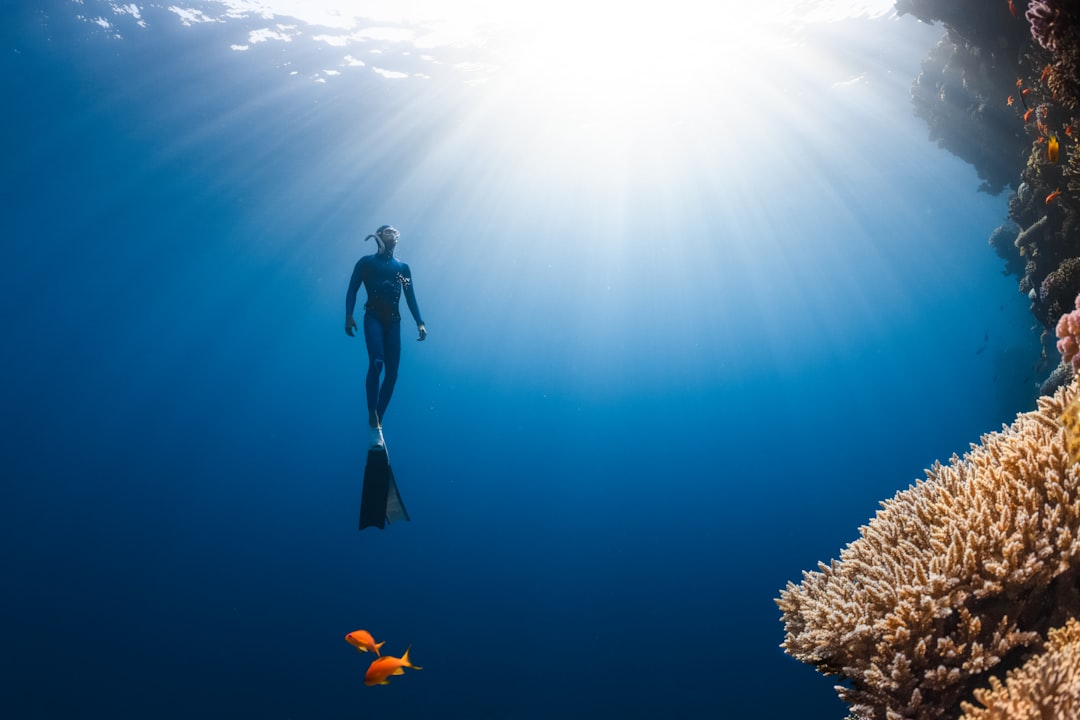
The screen flickered to life, not with the harsh glare of artificial light, but with the ethereal glow of bioluminescence. A hushed anticipation settled over the audience as the opening credits of “Exploring the Depths: A Fascinating Ocean Science Documentary” rolled across the cinematic canvas. This wasn’t just another nature program; it was an immersive journey into a realm as alien and captivating as any distant galaxy, a testament to the profound mysteries that lie beneath the ocean’s surface. The documentary, a meticulously crafted blend of cutting-edge scientific research and breathtaking underwater cinematography, promised to unravel some of the planet’s most enduring enigmas, revealing the intricate web of life that thrives in the crushing pressures and eternal darkness of the abyss.
The initial scenes of “Exploring the Depths” served as a potent reminder of humanity’s limited understanding of its own planet. While we readily map the surface of Mars and gaze at the furthest reaches of the cosmos, vast swathes of our oceans remain unexplored, uncharted territories teeming with life forms that defy imagination. The documentary meticulously laid the groundwork for this exploration, emphasizing the sheer scale of the ocean and the challenges inherent in venturing into its deeper, more inhospitable zones.
The Vast Unknown: More Than 70% of Our Planet
The narrator’s voice, a calm and authoritative presence, underscored the fact that oceans cover over 70% of the Earth’s surface. This statistic, often recited, gained new weight as the camera panned across vast, seemingly endless stretches of blue. The film highlighted the fact that much of this vastness is still a mystery, with human exploration concentrated in shallow coastal areas and well-trafficked shipping lanes. The documentary argued that this unexplored frontier holds the key to understanding fundamental biological processes, potentially unlocking solutions to global challenges like climate change and disease. The vastness of the ocean, the film revealed, is not just a physical expanse but a repository of untold scientific discoveries waiting to be unearthed.
Technological Marvels: Tools of the Deep-Sea Explorer
The film then transitioned to showcasing the ingenious technologies that enable scientists to penetrate the deep. It wasn’t enough to simply state the challenges; “Exploring the Depths” provided a visual feast of submersibles, remotely operated vehicles (ROVs), and autonomous underwater vehicles (AUVs) in action. Viewers were treated to close-up views of these sophisticated machines, often custom-built for specific missions, descending into the crushing darkness. The meticulous engineering, the robust materials designed to withstand immense pressure, and the intricate sensor arrays were all brought to the forefront, demonstrating the incredible human ingenuity required to explore these extreme environments. The documentary emphasized that these technological advancements are not just tools for exploration but also extensions of human senses, allowing scientists to see, feel, and sample in ways that were once the stuff of science fiction.
The Journey Begins: From Sunlight to Stygian Depths
The narrative expertly guided the audience through the different oceanic zones, from the sun-drenched epipelagic layer, vibrant with coral reefs and teeming with familiar marine life, to the twilight zone (mesopelagic), where light begins to fade, and then further down, into the perpetual darkness of the bathyal, abyssal, and hadal zones. Each transition was marked by a palpable shift in the visual palette and the introduction of new, often bizarre, organisms perfectly adapted to their respective environments. The documentary’s pacing was crucial here, allowing viewers to absorb the gradual transformation of the marine world as it descended into the depths.
If you’re interested in exploring the depths of ocean science, you might find the article on marine ecosystems at this link particularly enlightening. It delves into the intricate relationships within ocean habitats and the impact of climate change on these vital environments. For more information, you can read the article here: Marine Ecosystems and Climate Change.
Life in the Extreme: Adaptations of Deep-Sea Organisms
The heart of “Exploring the Depths” lay in its exploration of the extraordinary adaptations that allow life to flourish under conditions that would be instantly lethal to most surface dwellers. The documentary presented a parade of truly alien creatures, each a testament to the relentless power of evolution. The scientists featured in the film spoke with palpable enthusiasm and wonder as they described these unique survival strategies.
Bioluminescence: Nature’s Own Light Show
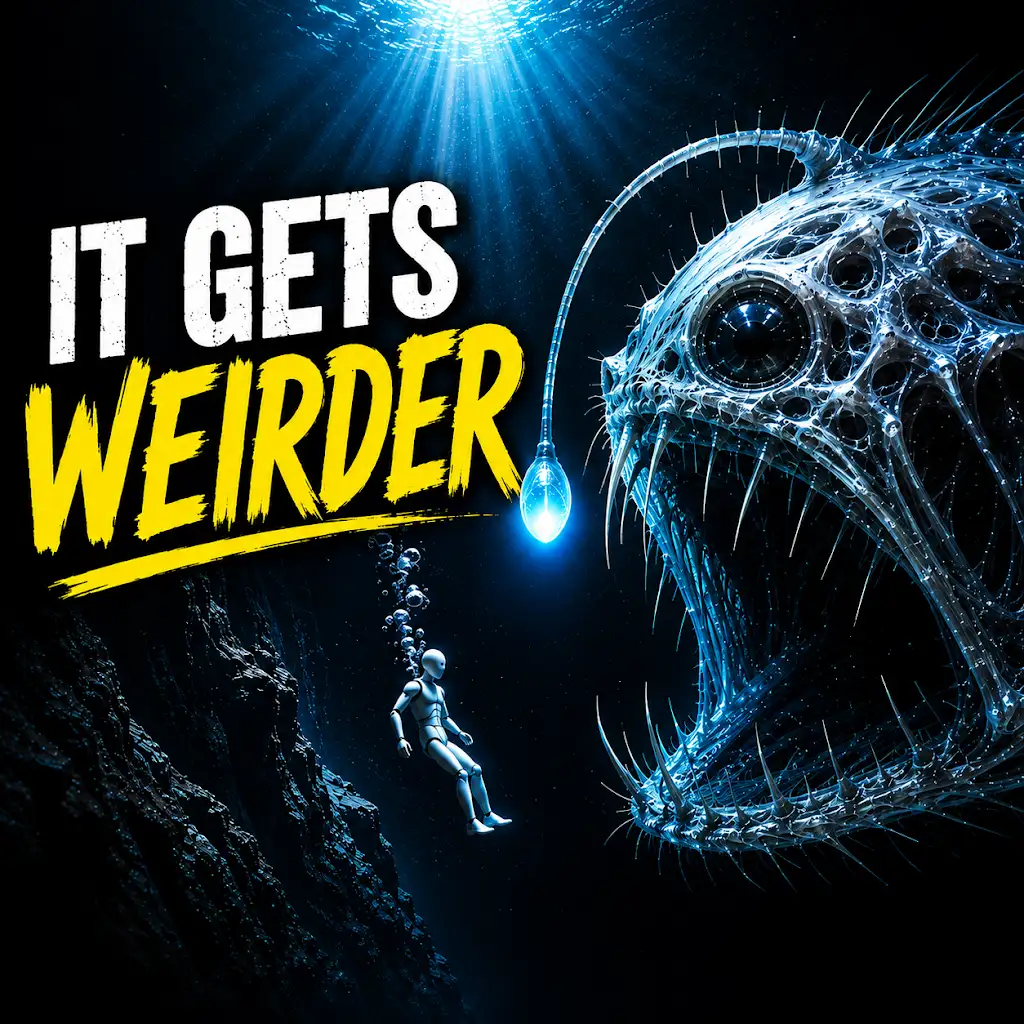
One of the most visually striking adaptations discussed was bioluminescence. The film showcased an astonishing array of organisms that produce their own light, from the tiny plankton that create sparkling trails in the water to the anglerfish with its luminous lure. The documentary explained the various functions of bioluminescence, including attracting prey, deterring predators, and communicating with potential mates. The scientific explanations were presented in an accessible manner, illustrating the complex chemical reactions involved and the evolutionary pressures that have driven the development of these internal lanterns. The visual sequences featuring bioluminescent displays were mesmerizing, offering a glimpse into a world lit by living organisms rather than the sun.
Pressure and Darkness: The Ultimate Evolutionary Crucible
The sheer pressure of the deep ocean is a formidable barrier to life. The documentary explained how deep-sea creatures have evolved to cope with these crushing forces. Their bodies are often gelatinous or lack rigid structures, allowing them to equalize internal and external pressure. The absence of light has also led to remarkable sensory adaptations. Many deep-sea animals have developed enormous eyes to capture the faintest glimmers of light, while others rely on other senses, such as chemoreception or mechanoreception, to navigate and find food in the perpetual darkness. The film presented detailed anatomical studies and animated sequences to illustrate these adaptations, making complex biological concepts understandable to a general audience.
Extreme Temperatures and Scarcity of Food: Surviving the Abyss
The documentary also delved into the challenges of extreme temperatures, often near freezing in the deep, and the scarcity of food. It highlighted the slow metabolisms of many deep-sea inhabitants, allowing them to survive on infrequent meals. The film showcased specialized feeding strategies, such as the use of long, sticky tentacles or the ability to engulf prey much larger than themselves. The scientific discussions centered on the remarkable efficiency of these organisms, demonstrating how evolution has sculpted life to thrive in even the most resource-limited environments. The footage of these creatures, often moving with slow, deliberate grace, was a powerful reminder of their extraordinary resilience.
Unveiling Ocean Mysteries: Scientific Discoveries in the Deep
“Exploring the Depths” wasn’t just about observing life; it was about the scientific endeavors to understand it. The documentary showcased groundbreaking research and the ongoing quest to unravel some of the ocean’s most profound mysteries. The scientists interviewed were not just observers but active participants in the scientific process, their passion for discovery evident in every word.
Hydrothermal Vents: Oases of Life in the Abyss
A significant portion of the documentary was dedicated to the astonishing discovery of hydrothermal vents. These underwater geysers, spewing superheated, mineral-rich water, were once thought to be sterile environments. The film revealed how these vents support entire ecosystems, fueled not by sunlight but by chemosynthesis. Scientists explained the symbiotic relationships between bacteria and larger organisms, such as tubeworms and blind shrimp, which thrive on the chemicals released by the vents. The visual imagery of these vibrant communities, starkly contrasting with the surrounding barren seafloor, was a powerful illustration of life’s adaptability.
The Role of the Deep Ocean in Global Climate
The documentary also shed light on the critical role the deep ocean plays in regulating the Earth’s climate. Scientists explained how the ocean absorbs vast amounts of carbon dioxide from the atmosphere, a process that helps to mitigate climate change. The film highlighted ongoing research into how changes in ocean currents and temperature affect this carbon sequestration process, emphasizing the urgent need to understand these dynamics to address the global climate crisis. The scientific explanations were accompanied by clear graphical representations, making the complex interactions between the ocean and the atmosphere more accessible.
Unlocking Biomedical Secrets: Potential Cures in the Deep
Perhaps one of the most intriguing aspects explored was the potential for the deep ocean to yield new medical breakthroughs. The documentary showcased research into the unique biochemical compounds produced by deep-sea organisms, many of which have evolved novel defense mechanisms. Scientists are investigating these compounds for their potential in developing new antibiotics, anti-cancer drugs, and other therapeutic agents. The film featured interviews with pharmacologists and marine biologists who spoke with optimism about the vast, untapped potential of marine biodiversity for human health.
Conservation Imperatives: Protecting Our Underwater Heritage
As “Exploring the Depths” moved towards its conclusion, the focus shifted from exploration and discovery to the crucial imperative of conservation. The film powerfully illustrated the threats facing these fragile deep-sea environments, highlighting the urgent need for responsible stewardship. The scientists and conservationists featured conveyed a sense of urgency and a deep respect for the delicate balance of these ecosystems.
The Silent Scars: Human Impact on the Deep
The documentary presented stark evidence of human impact on the deep ocean. This included the devastating effects of deep-sea trawling, which can destroy ancient coral reefs and seabed habitats in a single pass. The film also addressed the growing problem of plastic pollution, with images of plastic debris found at extreme depths. Scientists discussed the potential long-term consequences of these activities, emphasizing that the slow recovery rates of deep-sea ecosystems make them particularly vulnerable. The visual evidence was often heartbreaking, underscoring the profound and often irreversible damage caused by human actions.
The Importance of Marine Protected Areas
The film advocated for the establishment and enforcement of marine protected areas (MPAs) in the deep ocean. Scientists explained how MPAs can act as havens for vulnerable species, allowing ecosystems to recover and thrive. The documentary showcased examples of successful MPAs and highlighted the ongoing efforts to expand protection to new areas. The scientific rationale behind these protected zones, focusing on biodiversity preservation and the resilience of marine life, was clearly articulated.
A Call to Action: Our Shared Responsibility
“Exploring the Depths” concluded with a powerful call to action, urging viewers to recognize their role in protecting the ocean. The documentary emphasized that the health of the deep ocean is intrinsically linked to the health of the planet and, ultimately, to human well-being. It encouraged individual actions, from reducing plastic consumption to supporting sustainable seafood practices, and collective efforts to advocate for stronger ocean conservation policies. The final scenes, returning to the awe-inspiring beauty of the deep, served as a potent reminder of what is at stake.
In the fascinating realm of ocean science, documentaries play a crucial role in raising awareness about marine ecosystems and the challenges they face. A related article that delves deeper into the impact of climate change on ocean life can be found at Freaky Science. This resource provides valuable insights and complements the visual storytelling found in ocean documentaries, helping viewers understand the urgency of protecting our oceans for future generations.
The Enduring Fascination: A Legacy of Wonder
| Documentary Title | Release Year | Director | Duration (minutes) |
|---|---|---|---|
| Blue Planet II | 2017 | James Honeyborne | 60 |
| Oceans | 2009 | Jacques Perrin | 104 |
| Chasing Coral | 2017 | Jeff Orlowski | 89 |
As the credits rolled on “Exploring the Depths: A Fascinating Ocean Science Documentary,” a profound sense of wonder and responsibility lingered. The film had not just presented facts and images; it had ignited a deeper appreciation for the vast, unexplored realms of our planet. It had showcased the incredible resilience of life and the ceaseless curiosity of scientific inquiry. The journey into the depths had been a reminder that even in the darkest corners of our world, life finds a way, and that our understanding of this extraordinary planet is still in its nascent stages. The documentary left audiences with a renewed sense of awe for the ocean and a commitment to safeguarding its future, ensuring that these captivating depths continue to inspire generations to come. The film’s legacy will be its ability to translate complex scientific concepts into an accessible and visually stunning narrative, fostering a global dialogue about the vital importance of our oceans.
The Deeper You Go, the Less Life Looks Like Life
FAQs
What is an ocean science documentary?
An ocean science documentary is a film or video production that explores various aspects of the ocean, including marine life, ecosystems, environmental issues, and scientific research conducted in the ocean.
What are the benefits of watching an ocean science documentary?
Watching an ocean science documentary can provide viewers with valuable insights into the importance of the ocean, the impact of human activities on marine environments, and the latest scientific discoveries related to ocean conservation and sustainability.
Where can I find ocean science documentaries to watch?
Ocean science documentaries can be found on various streaming platforms, such as Netflix, Amazon Prime, and National Geographic, as well as on educational websites and channels dedicated to science and nature programming.
What are some popular ocean science documentaries?
Some popular ocean science documentaries include “Blue Planet II,” “Chasing Coral,” “Mission Blue,” “The Cove,” and “Racing Extinction.” These documentaries cover a wide range of topics related to the ocean and marine conservation.
How can ocean science documentaries contribute to environmental awareness?
Ocean science documentaries can raise awareness about the importance of protecting marine ecosystems, highlight the impact of climate change and pollution on the ocean, and inspire viewers to take action to support ocean conservation efforts.