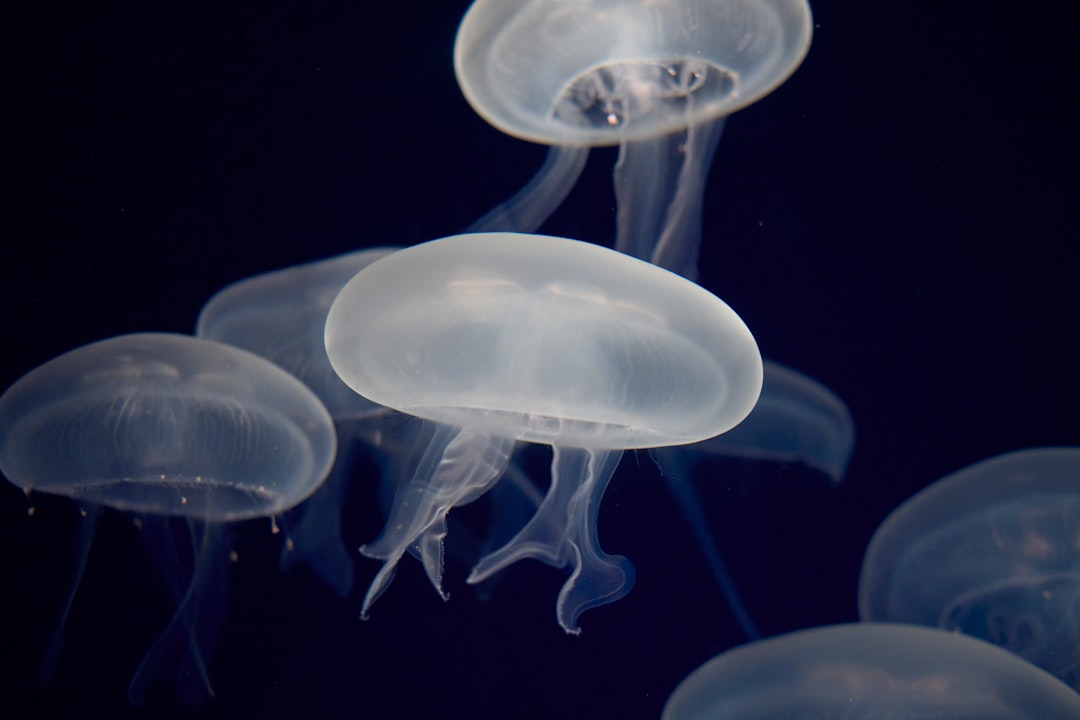
The profound darkness of the deep ocean has long held a captivating allure, a realm where sunlight fears to tread and life has evolved in astonishing and alien ways. It is a frontier that continues to challenge our understanding of Earth’s biosphere, a vast repository of secrets waiting to be unveiled. For centuries, humanity’s gaze was limited to the ocean’s sunlit surface, but with the advent of advanced technology, we are now peeling back the layers of this enigmatic world, unraveling its mysteries one descent at a time. The sheer scale of the deep ocean is staggering, representing over 95% of the planet’s habitable volume. Its depths harbor ecosystems that are both fragile and remarkably resilient, sustained by processes we are only just beginning to comprehend. This is not merely a silent abyss; it is a dynamic, interconnected web of life, a critical component of Earth’s climate system, and a potential source of invaluable scientific discoveries.
The deep ocean, generally defined as the zone below 200 meters where sunlight no longer penetrates, is a world shaped by immense pressure, crushing darkness, and near-freezing temperatures. It is a challenging environment that has fostered the evolution of unique adaptations in its inhabitants.
The Crushing Embrace of Pressure
The most immediate and defining characteristic of the deep ocean is its extreme hydrostatic pressure. For every 10 meters of depth, the pressure increases by approximately one atmosphere. At the deepest point of the Mariana Trench, over 10,000 meters down, the pressure is more than 1,000 times that at the surface. Organisms living in these depths have evolved specialized physiological mechanisms to withstand this immense force. Their cellular structures are often more rigid, and their body fluids are adapted to prevent them from being crushed. Understanding these adaptations provides insights into the fundamental principles of biological resilience and the limits of life.
The Perpetual Night
Sunlight, the engine of most surface ecosystems, is completely absent in the deep ocean. This perpetual darkness dictates the forms of life that can exist. Photosynthesis, the primary source of energy for most life on Earth, is impossible. Instead, deep-sea ecosystems rely on chemosynthesis or organic matter that drifts down from the sunlit upper layers. The absence of light has also led to the evolution of unique sensory organs, such as large eyes capable of detecting bioluminescence or a complete lack thereof, replaced by highly developed chemosensory and mechanosensory systems.
The Chilling Temperatures
The temperature in the deep ocean hovers just above freezing, typically between 2-4 degrees Celsius. This frigid environment requires organisms to maintain their internal temperature and metabolic processes efficiently. Many deep-sea creatures possess antifreeze proteins, which prevent ice crystals from forming in their tissues. Their metabolic rates are often slow, allowing them to conserve energy in a food-scarce environment.
Extreme Environments, Extreme Life
The deep ocean is not a uniform expanse of cold, dark water. It encompasses a diverse range of habitats, each with its own set of challenges and unique life forms. These include abyssal plains, trenches, seamounts, and hydrothermal vents.
Abyssal Plains: The Vast, Flat Frontier
The abyssal plains are vast, flat expanses that cover a significant portion of the deep ocean floor. These regions are characterized by fine sediment, often composed of the skeletal remains of planktonic organisms that have sunk from the surface. Life here is sparsely distributed, with organisms adapted to scavenge or filter feed on the limited organic matter available. Detritus feeders, such as sea cucumbers and brittle stars, are common, along with specialized fish that patrol the seafloor.
Deep-Sea Trenches: The Ultrafinal Frontiers
The deepest parts of the ocean are the trenches, such as the Mariana Trench. These extreme environments are characterized by immense pressure, complete darkness, and a limited supply of nutrients. Despite these seemingly insurmountable challenges, life has found a way to thrive. Specialized bacteria, amphipods, and unique fish species have been discovered, pushing the boundaries of our understanding of life’s resilience. The study of these extremophiles holds potential for biotechnological applications.
Seamounts: Underwater Mountains of Biodiversity
Seamounts are underwater mountains that rise from the ocean floor. They can act as oases of biodiversity in the vast ocean, creating complex habitats that attract a wide array of marine life. Currents around seamounts can bring nutrients from deeper waters, supporting larger populations of plankton and, consequently, the organisms that feed on them. These underwater peaks are often home to vibrant coral gardens, sponges, and a rich diversity of fish and invertebrates.
Hydrothermal Vents: Oases of Life in the Darkness
Perhaps the most extraordinary discoveries in the deep ocean have been made around hydrothermal vents. These geologically active sites release superheated, mineral-rich water from the Earth’s crust. Instead of relying on sunlight, the ecosystems around these vents are powered by chemosynthesis, where specialized bacteria convert chemicals from the vent fluid into energy. This process forms the base of a unique food web, supporting organisms like giant tube worms, mussels, clams, and blind shrimp that have never been seen anywhere else on Earth.
Deep ocean mysteries continue to captivate scientists and explorers alike, as the depths of our oceans remain largely uncharted and filled with enigmas. For those interested in delving deeper into this fascinating subject, an insightful article can be found at Freaky Science, which explores the latest discoveries and theories surrounding the unexplored regions of the deep sea. From bizarre marine life to underwater geological formations, the article sheds light on the wonders that lie beneath the surface.
The Secrets of Deep-Sea Bioluminescence
One of the most mesmerizing phenomena in the deep ocean is bioluminescence, the production and emission of light by living organisms. In the perpetual darkness, this biological light serves a multitude of crucial functions, from communication and predation to defense and reproduction. The diversity of bioluminescent organisms and the ingenious ways they utilize this light are a testament to the evolutionary pressures of the deep sea.
The Language of Light
In the absence of visual cues, light becomes a vital form of communication in the deep ocean. Many species use bioluminescence to attract mates, signal their presence, or establish territories. The patterns, colors, and timing of these light displays can convey complex messages, forming a unique “language” of the deep.
Luring Prey and Evading Predators
Bioluminescence is also a powerful tool for survival in the predator-prey dynamics of the deep. Some predators, like the anglerfish, use a luminous lure to attract unsuspecting prey into their reach. Conversely, many organisms use flashes of light to startle or disorient predators, allowing them to escape into the darkness. Others employ bioluminescent “burglar alarms,” illuminating themselves when attacked to attract larger predators that might prey on their attacker.
The Chemistry of Creation
The production of bioluminescence is a complex biochemical process. It typically involves the enzyme luciferase and the substrate luciferin. When these two molecules interact, often in the presence of oxygen, they release energy in the form of light. The specific types of luciferin and luciferase vary among species, leading to the different colors and intensities of bioluminescence observed.
A Spectacle of Color and Form
While blue and green are the most common colors of bioluminescence, some deep-sea creatures have evolved the ability to produce red or even yellow light. This is particularly significant for predators that can see these colors, as red light is quickly absorbed by seawater, rendering it invisible to most other deep-sea inhabitants. The sheer variety of bioluminescent patterns, from constant glows to flashing pulses and intricate displays, contributes to the ethereal beauty of the deep ocean.
Unveiling the Hidden Biodiversity
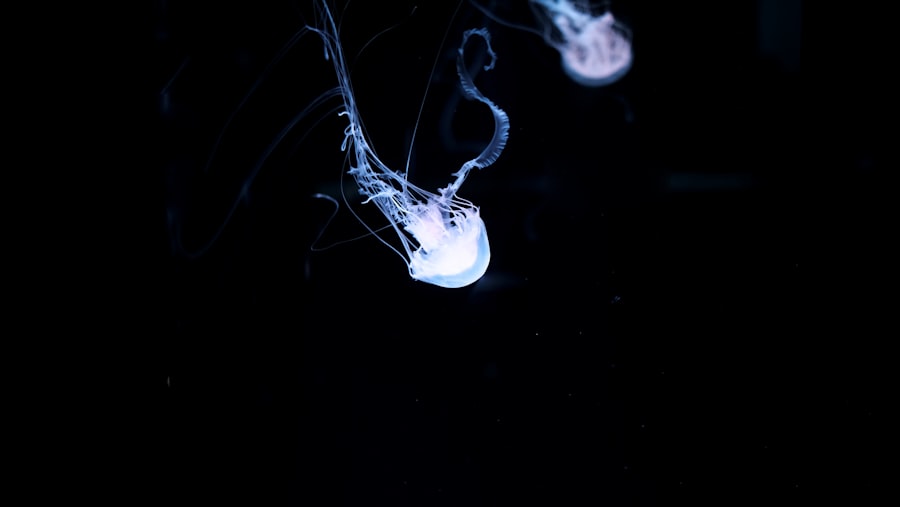
The deep ocean is a treasure trove of undiscovered life. Each expedition, each new sample, reveals species previously unknown to science, pushing the boundaries of our understanding of Earth’s biodiversity. From microscopic plankton to colossal squids, the deep sea harbors an astonishing array of organisms with unique adaptations.
The Uncharted Kingdoms of Microbes
While larger, more charismatic creatures often capture public attention, the microbial life of the deep ocean is arguably even more diverse and essential. Bacteria, archaea, and viruses play critical roles in nutrient cycling, decomposition, and even the formation of unique geological structures. The study of these microbes, particularly those found in extreme environments like hydrothermal vents, can provide insights into the origins of life and potential solutions to global challenges.
The Giants of the Abyss: Cephalopods and Beyond
The deep ocean is home to some of the largest and most enigmatic invertebrates on Earth, most notably the colossal squid and the giant squid. These elusive creatures, rarely seen by humans, have captured the imagination for centuries. Their immense size and mysterious lives highlight the vastness of what we still do not know about the deep sea. Beyond cephalopods, numerous other invertebrate groups, including diverse species of crustaceans, echinoderms, and cnidarians, inhabit these depths.
The Specialized Fish of the Deep
Deep-sea fish have evolved an incredible array of adaptations to survive in their challenging environment. These include gelatinous bodies to cope with pressure, bioluminescent organs for communication and predation, enlarged mouths and teeth to capture scarce prey, and reduced metabolic rates to conserve energy. The diversity of forms and functions among deep-sea fish is staggering, ranging from the viperfish with its needle-like teeth to the fangtooth with its disproportionately large teeth.
The Importance of Genetic Diversity
The vastness and relative isolation of deep-sea habitats can lead to high levels of genetic endemism. This means that many species found in the deep ocean are found nowhere else on Earth. Protecting these unique genetic resources is crucial for maintaining the overall health and resilience of marine ecosystems, as well as for potential discoveries in medicine and biotechnology.
The Deep Ocean’s Role in Climate Regulation

The deep ocean is not merely a passive recipient of surface processes; it is an active and crucial player in regulating Earth’s climate. Its immense volume and capacity to store carbon and heat have profound implications for global temperature and weather patterns. Understanding these processes is paramount in addressing climate change.
The Ocean’s Carbon Sink: A Vital Buffer
The ocean, particularly the deep ocean, acts as a massive carbon sink, absorbing a significant portion of the atmospheric carbon dioxide produced by human activities. This absorption occurs through several mechanisms, including the biological pump, where plankton capture CO2 during photosynthesis and then sink to the ocean floor, and the solubility pump, where CO2 dissolves directly into seawater. The deep ocean’s capacity to store this carbon plays a vital role in mitigating the effects of greenhouse gas emissions.
Heat Distribution and Ocean Currents
The deep ocean is also a major reservoir for heat. Ocean currents, driven by differences in temperature and salinity, act as a global conveyor belt, transporting heat from the tropics towards the poles and influencing regional and global climate patterns. Changes in these currents, potentially linked to climate change, could have far-reaching consequences for weather systems and marine ecosystems.
The Impact of Ocean Acidification
As the ocean absorbs more CO2, its chemistry changes, leading to ocean acidification. This phenomenon, where the pH of seawater decreases, poses a significant threat to marine organisms, particularly those with calcium carbonate shells and skeletons, such as corals and shellfish. The long-term consequences of widespread acidification for deep-sea ecosystems are a critical area of ongoing research.
Monitoring the Pulse of the Planet
The deep ocean serves as a vital indicator of global environmental change. By monitoring its temperature, salinity, oxygen levels, and chemical composition, scientists can gain valuable insights into the health of the planet and the impacts of human activities. Continued exploration and research are essential for understanding these complex interactions and informing effective conservation strategies.
Deep ocean mysteries have long captivated scientists and explorers alike, revealing the enigmatic depths of our planet’s largest habitat. Recent discoveries have shed light on the unique ecosystems that thrive in complete darkness, showcasing bizarre creatures and intricate relationships that challenge our understanding of life. For those interested in delving deeper into this fascinating subject, you can explore more in a related article that discusses the latest findings and theories surrounding these underwater enigmas. Check it out here to uncover the secrets of the deep.
Future Frontiers and the Promise of Discovery
| Deep Ocean Mysteries | Metrics |
|---|---|
| Depth of the Mariana Trench | 11,034 meters |
| Number of known deep-sea species | Thousands |
| Percentage of the ocean that remains unexplored | 95% |
| Age of the oldest deep-sea coral | 4,265 years |
Despite significant advancements, the deep ocean remains largely unexplored. Vast areas remain uncharted, and the potential for new discoveries is immense. Future research will likely focus on developing even more sophisticated technologies, expanding our understanding of deep-sea ecosystems, and addressing the growing threats of pollution and climate change.
Technological Advancements: Peering Deeper Than Ever Before
The future of deep-sea exploration hinges on the continuous development of cutting-edge technologies. This includes more advanced remotely operated vehicles (ROVs) and autonomous underwater vehicles (AUVs) capable of operating at greater depths for longer durations, sophisticated sonar and imaging systems for mapping the seafloor, and innovative sampling techniques for collecting delicate specimens. Miniaturization of sensors and improved data transmission capabilities will also be crucial.
The Promise of Medical and Biotechnological Breakthroughs
The unique biochemistry of deep-sea organisms, evolved under extreme conditions, holds immense promise for medical and biotechnological applications. Enzymes found in extremophilic bacteria, for instance, can function at high temperatures and pressures, making them valuable in industrial processes and potentially in new drug development. Compounds found in deep-sea sponges and corals are being investigated for their anti-cancer and anti-viral properties.
Addressing the Threats: Pollution and Overexploitation
As human activities increasingly impact the marine environment, the deep ocean is not immune to threats. Pollution, including plastic debris and chemical runoff, is reaching even the deepest parts of the ocean. While overfishing is primarily a surface concern, the potential for deep-sea mining and other extractive industries to disrupt these fragile ecosystems is a growing worry. Protecting these pristine environments before irreversible damage occurs is a critical challenge.
A Call for Conservation and Collaboration
The unraveling of deep-ocean mysteries underscores the urgent need for global conservation efforts and international collaboration. Sharing knowledge, resources, and best practices is essential to ensure that future generations can benefit from the wonders and resources of the deep sea. Establishing marine protected areas, implementing sustainable practices, and fostering a deeper appreciation for this vital part of our planet are crucial steps towards safeguarding its future. The deep ocean, in its silent, profound majesty, continues to beckon, promising discoveries that will undoubtedly reshape our understanding of life on Earth.

The Deeper You Go, the Less Life Looks Like Life
FAQs
What are some of the mysteries of the deep ocean?
Some of the mysteries of the deep ocean include the existence of unknown species, unexplored underwater ecosystems, and the presence of ancient shipwrecks and lost civilizations.
What are some of the challenges of exploring the deep ocean?
Exploring the deep ocean presents challenges such as extreme pressure, darkness, and cold temperatures, as well as limited access to technology and resources for deep-sea exploration.
What are some of the most fascinating discoveries in the deep ocean?
Some of the most fascinating discoveries in the deep ocean include hydrothermal vents, bioluminescent organisms, and unique adaptations of deep-sea creatures to survive in extreme conditions.
How does deep ocean exploration contribute to scientific knowledge?
Deep ocean exploration contributes to scientific knowledge by providing insights into biodiversity, geology, and climate change, as well as potential sources of natural resources and pharmaceutical compounds.
What are some ongoing efforts to explore and protect the deep ocean?
Ongoing efforts to explore and protect the deep ocean include the use of advanced underwater technology, the establishment of marine protected areas, and international collaborations for deep-sea research and conservation.