
The abyss, a realm of perpetual darkness and crushing pressure, has long captivated the human imagination. For centuries, it remained an almost mythical frontier, a place of monstrous creatures and untold secrets. However, in recent decades, technological advancements have begun to peel back the layers of this enigmatic environment, offering glimpses into a world unlike any other on Earth. Unraveling the mysteries of the deep sea is no longer the sole domain of science fiction; it is a vibrant and ongoing scientific endeavor, pushing the boundaries of human knowledge and revealing the extraordinary resilience and diversity of life.
The deep sea, broadly defined as the ocean below 200 meters (656 feet), represents the largest contiguous habitat on our planet. It is a realm of extremes, characterized by a complete absence of sunlight, frigid temperatures, and pressures that would instantly obliterate any unprotected terrestrial organism. Despite these formidable conditions, life not only exists but thrives, having evolved unique adaptations to survive and flourish in this alien landscape. Understanding these adaptations and the intricate ecosystems they support is a monumental task, requiring specialized equipment and persistent exploration.
Defining the Deep Sea: More Than Just Darkness
- The Mesopelagic Zone (Twilight Zone): Extending from 200 to 1,000 meters, this zone receives only faint traces of sunlight, enough for some bioluminescent organisms to communicate and for some larger predators to hunt. Here, the pressure increases significantly, and temperatures begin to drop. Many species migrate vertically within this zone daily, seeking food or avoiding predators.
- The Bathyal Zone (Midnight Zone): From 1,000 to 4,000 meters, this region is plunged into eternal darkness. Sunlight is completely absent, and life relies on chemosynthesis or organic matter that drifts down from the surface. Bioluminescence becomes the primary mode of communication, predation, and defense. The pressure here is immense, thousands of pounds per square inch.
- The Abyssal Zone (Abyss): This vast expanse stretches from 4,000 to 6,000 meters. It is characterized by vast, flat plains covered in fine sediment, broken by occasional seamounts and trenches. Temperatures are consistently near freezing, and the pressure is extreme. Life is sparse but highly specialized, often adapted for slow metabolism and infrequent feeding opportunities.
- The Hadal Zone (Trenches): The deepest part of the ocean, found in oceanic trenches, can exceed 11,000 meters. These environments represent the ultimate test of survival, with pressures equivalent to the weight of dozens of jumbo jets pressing down on a small area. Yet, even here, life has found a way, with unique species adapted to these extreme conditions.
Technological Marvels: Tools for the Abyss
Exploring these depths requires sophisticated technology that can withstand immense pressure and operate autonomously or remotely. Submersibles, both manned and unmanned (ROVs – Remotely Operated Vehicles, and AUVs – Autonomous Underwater Vehicles), are the workhorses of deep-sea exploration. These vehicles are equipped with high-definition cameras, sonar systems, sampling arms, and specialized sensors that allow scientists to observe, collect specimens, and gather data from environments previously inaccessible to humans. Research vessels act as floating laboratories, deploying and recovering these advanced tools, and housing the scientists and engineers who analyze the findings.
The deep sea remains one of the least explored and most mysterious environments on our planet, harboring countless secrets and undiscovered species. For those intrigued by the wonders of the ocean’s depths, a fascinating article can be found at Freaky Science, which delves into the enigmatic life forms and geological phenomena that exist beyond the reach of sunlight. This resource offers insights into the latest discoveries and ongoing research that aim to unravel the mysteries of the deep sea, making it a must-read for ocean enthusiasts and curious minds alike.
The Astonishing Biodiversity of the Deep
Despite the seemingly inhospitable conditions, the deep sea harbors an astonishing array of life, much of which remains undiscovered. These creatures have evolved remarkable adaptations to survive in perpetual darkness, extreme pressure, and limited food availability. Their existence challenges our understanding of the limits of life and offers a glimpse into the creative power of evolution.
Life in the Absence of Light: Bioluminescence and Beyond
- Bioluminescence: The Living Lights of the Deep: Perhaps the most striking adaptation of deep-sea organisms is their ability to produce their own light, a phenomenon known as bioluminescence. This light serves a multitude of purposes: attracting prey, deterring predators, communication, and even camouflage. Anglerfish use a bioluminescent lure to entice unsuspecting victims, while some squid can release clouds of bioluminescent ink to disorient attackers. The diversity of bioluminescent patterns and functions is staggering, painting the dark abyss with ephemeral, living light.
- Sensory Adaptations: Seeing in the Dark: With no sunlight, vision as we know it is largely useless in the deep sea. Instead, many organisms have developed enhanced sensory organs. Some have enormous eyes, adapted to capture the faintest traces of bioluminescent light. Others rely on chemosensory organs to detect prey or mates by chemical trails. The lateral line system, common in fish, is highly developed in deep-sea species, allowing them to detect minute vibrations in the water, signaling the presence of other organisms.
Predators and Prey: A Delicate Balance
- Ambush Predators and Energy Conservation: The scarcity of food in the deep sea has led to the evolution of highly efficient predatory strategies. Many deep-sea predators are ambush hunters, relying on patience and camouflage to catch their prey. Their metabolisms are often slow, allowing them to survive for long periods between meals. This contrasts with the active hunting strategies seen in many surface-dwelling predators.
- The Role of Marine Snow: A significant portion of the food in the deep sea originates from the surface in the form of “marine snow” – a continuous shower of organic detritus, fecal pellets, and dead organisms. Various organisms, from tiny zooplankton to larger invertebrates, graze on this falling material, forming the base of many deep-sea food webs. This constant influx of organic matter sustains a surprisingly diverse ecosystem.
Unique and Bizarre Forms: Evolution’s Masterpieces
- The Anglerfish and its Lure: The anglerfish, with its grotesque appearance and bioluminescent lure, is a quintessential example of deep-sea adaptation. The female anglerfish has a fleshy appendage on its head that glows, attracting smaller fish, which it then swiftly devours. The male anglerfish is often significantly smaller and parasitic, fusing itself to the female for survival.
- The Vampire Squid: A Living Fossil: The vampire squid (Vampyroteuthis infernalis), despite its name, is not a true squid or octopus. This enigmatic cephalopod possesses a defensive strategy unlike any other: it can invert its webbed arms, creating a protective, spiky mantle. It also possesses photophores, light-producing organs, on its body, adding to its mysterious allure.
- Gulper Eels: Masters of the Mouth: The gulper eel, or pelican eel, has an incredibly distensible jaw and stomach, allowing it to swallow prey much larger than its own head. This adaptation is crucial for survival in an environment where encounters with prey are rare and must be capitalized upon.
Hydrothermal Vents: Oases of Life in the Deep
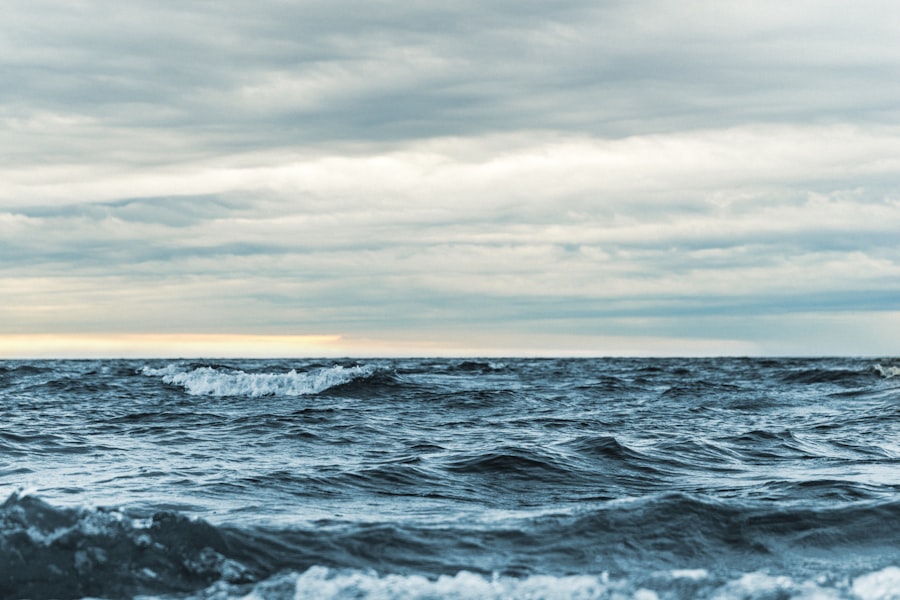
One of the most revolutionary discoveries in deep-sea exploration was the existence of hydrothermal vents. These oases of life, found in areas of volcanic activity on the ocean floor, support thriving ecosystems independent of sunlight. Instead, they rely on chemosynthesis, a process where microorganisms convert chemicals from the Earth’s interior into energy.
The Chemistry of Life: Chemosynthesis at Work
- Hydrogen Sulfide as the Energy Source: At hydrothermal vents, superheated water rich in minerals, particularly hydrogen sulfide, erupts from the seabed. Specialized bacteria and archaea utilize this hydrogen sulfide as their primary energy source, a process analogous to photosynthesis, but without sunlight. These chemosynthetic microbes form the base of the vent ecosystem.
- Symbiotic Relationships: A Vital Partnership: Many larger vent animals, such as tube worms and clams, have evolved symbiotic relationships with these chemosynthetic microbes. The animals house the bacteria within their bodies, providing them with a stable environment and access to the chemical-rich fluids. In return, the animals obtain nutrients produced by the microbes, enabling them to thrive in this nutrient-scarce environment.
The Unique Fauna of Hydrothermal Vents
- Giant Tube Worms: Towers of Life: The giant tube worm, Riftia pachyptila, is an iconic inhabitant of hydrothermal vents. These extraordinary creatures can grow up to two meters long and lack a mouth and digestive system. They rely entirely on symbiotic bacteria within their specialized tissues for nutrition. Their vibrant red plumes are used to absorb oxygen and chemicals from the vent fluid.
- Vent Mussels and Clams: Filter Feeders of the Depths: Large populations of mussels and clams are also found around hydrothermal vents. These bivalves filter the nutrient-rich water, extracting the chemosynthetic microbes and other organic particles. They often exhibit specialized gill structures to accommodate their symbiotic bacteria.
- Blind Shrimp and Crabs: Adapted to the Extreme: Various species of shrimp and crabs also inhabit the vent environments. Many of these crustaceans have reduced or absent eyes, as sight is of little use in the perpetual darkness. They often forage on bacterial mats or scavenge on dead organisms.
The Importance of Deep-Sea Ecosystems
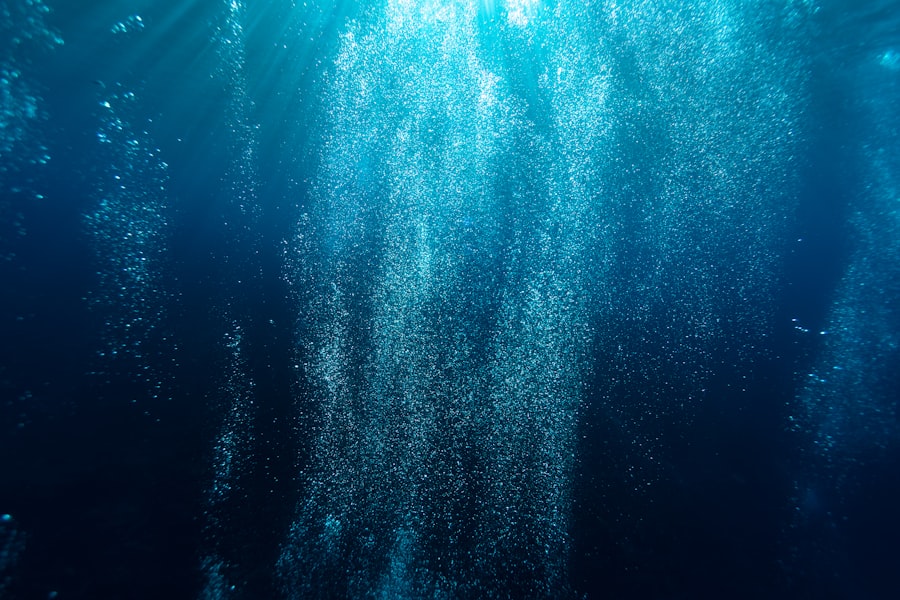
The deep sea, far from being a barren wasteland, plays a crucial role in the Earth’s overall health and functioning. Its vastness and unique ecosystems contribute to global biogeochemical cycles, regulate climate, and hold immense potential for scientific discovery, including the development of new medicines and technologies.
Global Biogeochemical Cycles: The Ocean’s Silent Engine
- Carbon Sequestration: The deep ocean acts as a massive carbon sink, absorbing a significant portion of atmospheric carbon dioxide. Processes like the biological pump, where plankton at the surface capture carbon and sink to the depths upon death, are critical for regulating atmospheric CO2 levels and mitigating climate change.
- Nutrient Cycling: Deep-sea currents and processes like upwelling are vital for redistributing nutrients throughout the ocean, influencing productivity at all levels of the marine food web. Understanding these cycles is crucial for managing marine resources and predicting environmental changes.
The Potential for Biomedical and Technological Innovation
- Bioprospecting for New Medicines: The unique adaptations of deep-sea organisms, particularly their enzymes and chemical compounds, hold immense potential for the pharmaceutical industry. Many deep-sea microbes produce novel compounds with antibiotic, antiviral, and anti-cancer properties that have no terrestrial counterparts.
- Biomimicry and Engineering Solutions: The remarkable structures and functions of deep-sea creatures offer inspiration for technological advancements. For instance, the efficient propulsion systems of some deep-sea fish could inform the design of new underwater vehicles, and the pressure-resistant materials of certain organisms could lead to stronger and lighter engineering components.
The deep sea has always been a source of fascination and intrigue, with its vast, unexplored territories hiding countless mysteries waiting to be uncovered. Recent studies have shed light on the unique adaptations of deep-sea creatures, revealing how they survive in extreme conditions. For those interested in learning more about the wonders of the ocean’s depths, an insightful article can be found at Freaky Science, which delves into the enigmatic life forms that inhabit this dark and mysterious realm.
The Threats to the Deep Sea: An Emerging Crisis
| Depth of the deep sea | 11,000 meters |
|---|---|
| Number of known deep sea species | Over 200,000 |
| Percentage of the ocean floor unexplored | Around 95% |
| Temperature of deep sea water | 2-4°C |
| Pressure at the bottom of the deep sea | Around 1,100 times atmospheric pressure |
Despite its remoteness and apparent resilience, the deep sea is not immune to the impacts of human activity. Pollution, climate change, and the growing interest in deep-sea resource extraction pose significant threats to these fragile ecosystems, which are often slow to recover from disturbance.
Pollution: A Persistent and Pervasive Problem
- Plastic Debris: The Ubiquitous Invader: Plastic pollution, a global crisis, has infiltrated even the deepest ocean trenches. Microplastics are ingested by deep-sea organisms, entering the food chain and causing physical harm and potential toxicity. Larger plastic items can entangle and suffocate marine life.
- Chemical Contamination: Industrial waste, agricultural runoff, and other pollutants can travel vast distances and accumulate in the deep sea, affecting the health and reproductive success of deep-sea populations. Persistent organic pollutants (POPs) can biomagnify up the food chain, posing risks to top predators.
Climate Change: Warming Waters and Acidification
- Ocean Warming: While the deep sea is generally colder, rising global temperatures are slowly affecting even these depths. Changes in ocean stratification and circulation patterns can impact nutrient availability and species distribution.
- Ocean Acidification: The absorption of excess atmospheric CO2 by the oceans leads to a decrease in pH, a process known as ocean acidification. This phenomenon can have devastating effects on marine organisms, particularly those with calcium carbonate shells or skeletons, such as corals, mollusks, and some plankton, which form the base of many food webs.
Deep-Sea Mining: A New Frontier of Exploitation
- The Lure of Minerals: The deep seabed contains vast deposits of valuable minerals, including polymetallic nodules, cobalt-rich crusts, and seafloor massive sulfides, which are crucial for renewable energy technologies and electronics. This has led to increasing interest in deep-sea mining.
- Potential for Irreversible Damage: The process of deep-sea mining, which involves disturbing the seabed with heavy machinery, can cause widespread destruction of habitats, release sediment plumes that can smother benthic organisms, and introduce noise and light pollution. The slow growth and recovery rates of deep-sea ecosystems mean that such damage could be irreversible on human timescales.
The Future of Deep-Sea Exploration and Conservation
The continued exploration and understanding of the deep sea are paramount, not only for scientific curiosity but also for effective conservation. As we learn more about these complex ecosystems, we can develop strategies to protect them from the growing threats they face.
Sustainable Exploration and Research Practices
- Responsible Data Collection: Ensuring that research expeditions adhere to strict environmental protocols is crucial. Minimizing disturbance during sampling and observation, and sharing data openly, fosters collaborative efforts and informed decision-making.
- Technological Advancement for Lower Impact: Continued development of less invasive exploration technologies, such as advanced sonar for mapping and passive acoustic monitoring, can help us gather vital information with minimal disruption to the environment.
Establishing Marine Protected Areas and International Cooperation
- Conserving Vulnerable Habitats: Designating large-scale deep-sea marine protected areas (MPAs) is essential for safeguarding critical habitats and biodiversity hotspots from the impacts of mining and other extractive activities.
- Global Governance and Stewardship: The deep sea is a shared global commons. International cooperation and robust governance frameworks are necessary to ensure the sustainable management and protection of these vast and interconnected ecosystems for future generations.
The unraveling of the mysteries of the deep sea is an ongoing saga, a testament to human ingenuity and our insatiable desire to understand the unknown. Each submersible dive, each sediment core, and each newly identified species adds another piece to the intricate puzzle of this alien world. As we continue to explore, we must also recognize our responsibility to protect these precious and vital environments, ensuring that their wonders remain for generations to come.

The Deeper You Go, the Less Life Looks Like Life
FAQs
What are some of the mysteries of the deep sea?
Some of the mysteries of the deep sea include the existence of bioluminescent creatures, the discovery of new species, and the presence of extreme pressure and darkness.
What is the deepest part of the ocean?
The deepest part of the ocean is the Mariana Trench, which reaches a depth of about 36,070 feet (10,994 meters) at its lowest point, known as the Challenger Deep.
Why is the deep sea so difficult to explore?
The deep sea is difficult to explore due to its extreme depth, high pressure, and lack of light. These conditions make it challenging for humans to reach and study the deep sea environment.
What are some of the unique adaptations of deep sea creatures?
Deep sea creatures have unique adaptations such as bioluminescence, transparent bodies, and the ability to withstand extreme pressure and cold temperatures. These adaptations help them survive in the harsh deep sea environment.
How does deep sea exploration contribute to scientific knowledge?
Deep sea exploration contributes to scientific knowledge by providing insights into new species, geological processes, and the potential for discovering new resources. It also helps researchers understand the impact of human activities on deep sea ecosystems.