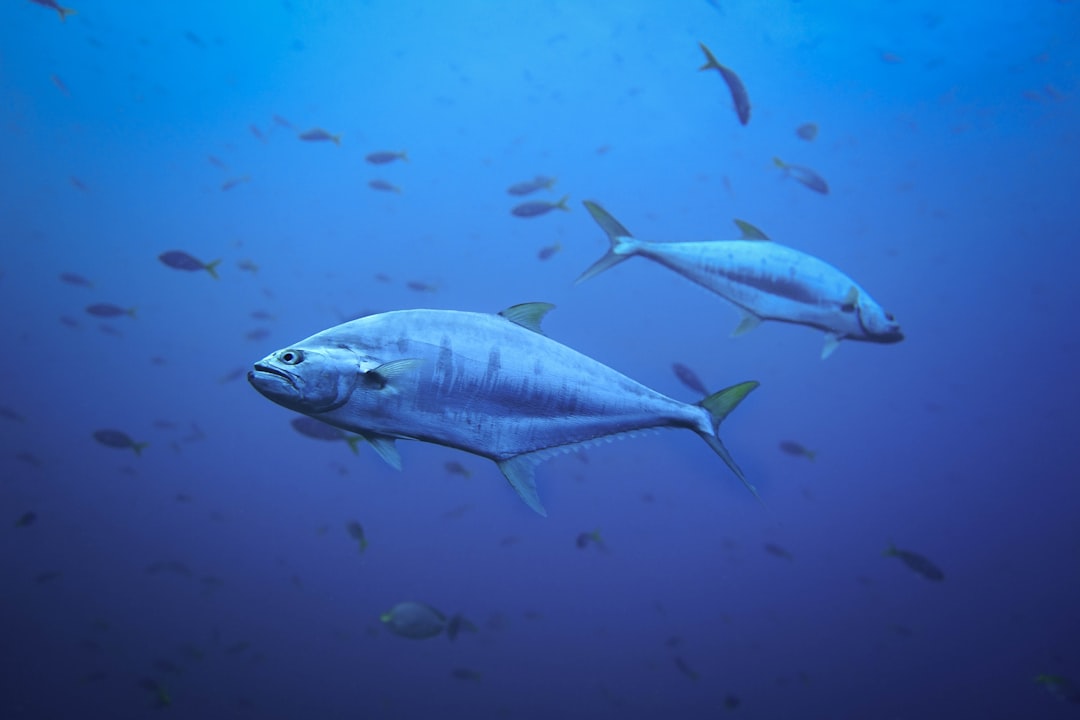
The abyssal plains, a realm of crushing pressure, perpetual darkness, and frigid temperatures, harbor some of the most enigmatic creatures known to science. Among these, the ultra-black deep-sea fish stand out, not just for their bizarre adaptations, but for their almost supernatural ability to disappear into their surroundings. These organisms have evolved a remarkable form of camouflage, rendering them virtually invisible in the lightless depths, a feat that continues to fascinate and challenge marine biologists. Their existence offers a profound glimpse into the extreme conditions that life can not only tolerate but thrive within, pushing the boundaries of our understanding of biology and evolution.
The deep sea is defined by its absence of sunlight. Below the photic zone, the sun’s rays are completely absorbed, plunging the environment into an eternal night. This lack of ambient light presents a unique evolutionary pressure, leading to the development of specialized sensory systems and, for a select few, an extraordinary method of visual concealment. The ultra-black fish are masters of this art, their bodies sculpted by millions of years of adaptation to become living shadows. Their blackness is not merely a pigment; it is a sophisticated biological material that actively absorbs light, making them exceedingly difficult to detect.
The Spectrum of Darkness: Understanding Light Absorption
The concept of “black” in the deep sea is a far more complex phenomenon than the simple absence of color we perceive on the surface. While many deep-sea creatures are dark red or brown, allowing them to blend with the dim red light that penetrates furthest, the ultra-black fish take this to an extreme. Their coloration is designed to absorb nearly 100% of the light that falls upon them, effectively turning them into voids against the faint bioluminescence of other deep-sea inhabitants. This level of light absorption is achieved through a combination of pigment concentration and specialized skin structures.
Melanin’s Mighty Role
The primary pigment responsible for the deep black coloration in these fish is melanin. However, the concentration of melanin in the ultra-black fish is significantly higher than in most surface-dwelling animals. This dense packing of melanin granules within specialized skin cells called melanophores creates a highly efficient light trap. Even the faintest glimmers of bioluminescent light are absorbed, preventing any reflection that could betray their presence to a predator or prey.
Nanostructures: The Unseen Architects of Darkness
Beyond pigment, the skin of these fish possesses microscopic structures that further enhance their light-absorbing capabilities. These nanostructures, often in the form of tiny bumps or pits, disrupt light waves, scattering them inwards and preventing them from reflecting outwards. Think of it like the difference between a smooth, shiny surface and a matte one; the matte surface absorbs more light. In the case of ultra-black fish, these nanostructures are meticulously engineered at the nanoscale to maximize this effect.
The Challenge of Detection: Why Blackness Matters
In the deep sea, where visual cues are often limited to bioluminescence, being invisible is a significant advantage. For predators, it allows them to ambush unsuspecting prey. For prey, it provides a crucial defense mechanism against the glowing eyes of hunters. The ultra-black fish have mastered this delicate balance, becoming incredibly effective at both hunting and surviving in an environment where visibility is a double-edged sword.
The Predator’s Perspective: Ambush from the Abyss
For a predator like the anglerfish, its bioluminescent lure is its primary hunting tool. However, if the anglerfish itself were not effectively camouflaged, its bright lure would also betray its presence. The ultra-black coloration of the anglerfish’s body allows it to blend seamlessly into the darkness, making its lure the only visible element, drawing unsuspecting prey directly into its waiting jaws. This sophisticated strategy highlights the co-evolutionary arms race between predator and prey in the deep sea.
The Prey’s Defense: Vanishing into Nothingness
For smaller, more vulnerable fish, the ability to disappear is paramount for survival. When a predator emits its own bioluminescent signals, the ultra-black fish can effectively become a void within that light, making them nearly impossible to track. This allows them to evade detection and conserve energy by not needing to actively flee. Their blackness acts as a passive shield, a constant state of invisibility.
Ultra black deep sea fish are fascinating creatures that have evolved to thrive in the darkest depths of the ocean, utilizing their unique pigmentation to absorb light and avoid detection by predators. For more intriguing insights into the adaptations and behaviors of these remarkable fish, you can read a related article on this topic at Freaky Science.
Adaptations Beyond Blackness: Survival in the Extremes
While their extreme blackness is their most striking characteristic, ultra-black deep-sea fish possess a suite of other remarkable adaptations that enable them to thrive in the harsh conditions of the abyss. These adaptations address the challenges of immense pressure, scarcity of food, and the need for efficient energy expenditure.
Coping with the Crushing Depths: Pressure Resistance
The pressure in the deep sea is immense, capable of crushing conventional submarines. Deep-sea fish have evolved specialized physiological and anatomical features to withstand these forces. Their bodies are often gelatinous, lacking air-filled swim bladders that would collapse under pressure. Their bones are less calcified, making them more flexible and resilient.
The Absence of Air: Buoyancy Without Bladders
Most bony fish utilize a swim bladder, a gas-filled organ, to control their buoyancy. This organ is highly susceptible to pressure changes. Deep-sea fish, particularly those living at extreme depths, have either lost their swim bladders entirely or have adapted them to function under immense pressure. This often involves having them filled with lipids or other substances less compressible than gas.
Flexible Skeletons and Gelatinous Tissues
The skeletal structure of deep-sea fish is often characterized by reduced ossification, meaning their bones are not as dense or calcified as those of surface fish. This makes their skeletons more flexible and less prone to fracturing under pressure. Furthermore, their tissues are often more gelatinous, with a high water content, which helps to equalize pressure throughout their bodies.
The Scarcity of Sustenance: Efficient Feeding Strategies
Food is a precious commodity in the deep sea. Sunlight doesn’t penetrate to support primary producers like algae, meaning the food web is largely sustained by organic matter that drifts down from shallower waters, known as “marine snow.” Ultra-black fish have developed ingenious methods to capture and conserve this scarce energy.
Lures, Lights, and Incredible Jaws: The Art of the Ambush Predator
Many deep-sea predators, including some ultra-black species, employ bioluminescent lures to attract prey. These lures can be shaped like small prey items or emit specific flashing patterns. The ultra-black fish’s camouflage ensures that the lure is the only visible element, drawing curious creatures closer to their doom. Their jaws are often disproportionately large, capable of engulfing prey that is nearly as large as themselves, maximizing the return on a successful hunt.
Slow Metabolism and Energy Conservation
In an environment where meals are infrequent, a slow metabolism is a significant advantage. Deep-sea fish often exhibit extremely slow metabolic rates, allowing them to survive for extended periods between feedings. This is achieved through a variety of physiological mechanisms, including reduced body temperature and efficient energy utilization.
The ultra black deep sea fish, known for its remarkable ability to absorb nearly all light, has fascinated scientists and researchers alike. This unique adaptation not only aids in camouflage but also plays a crucial role in its survival in the dark depths of the ocean. For those interested in learning more about the intriguing world of deep-sea creatures, a related article can be found here, which delves into the various adaptations of marine life in extreme environments.
Sensory Systems in the Dark: Navigating by Other Means
With vision often playing a secondary role, deep-sea fish rely heavily on other senses to navigate, find food, and avoid predators. Their sensory systems are finely tuned to detect the subtle cues present in their lightless world.
Lateral Line System: Feeling the Currents and Vibrations
The lateral line system is a network of sensory organs that runs along the sides of a fish’s body. It detects changes in water pressure and vibrations, allowing the fish to sense the movement of prey, predators, or obstacles in its environment. In the deep sea, this system is often highly developed, providing a crucial sense of spatial awareness.
Chemosensory Prowess: Smelling and Tasting the Abyss
The ability to detect chemical cues in the water is another vital sense for deep-sea fish. They can detect the faintest traces of dissolved organic matter, indicating potential food sources, or the chemical signatures of predators or mates. Their olfactory organs and taste buds are often highly specialized for this purpose.
The “Ultra-Black” Phenomenon: A Deeper Dive
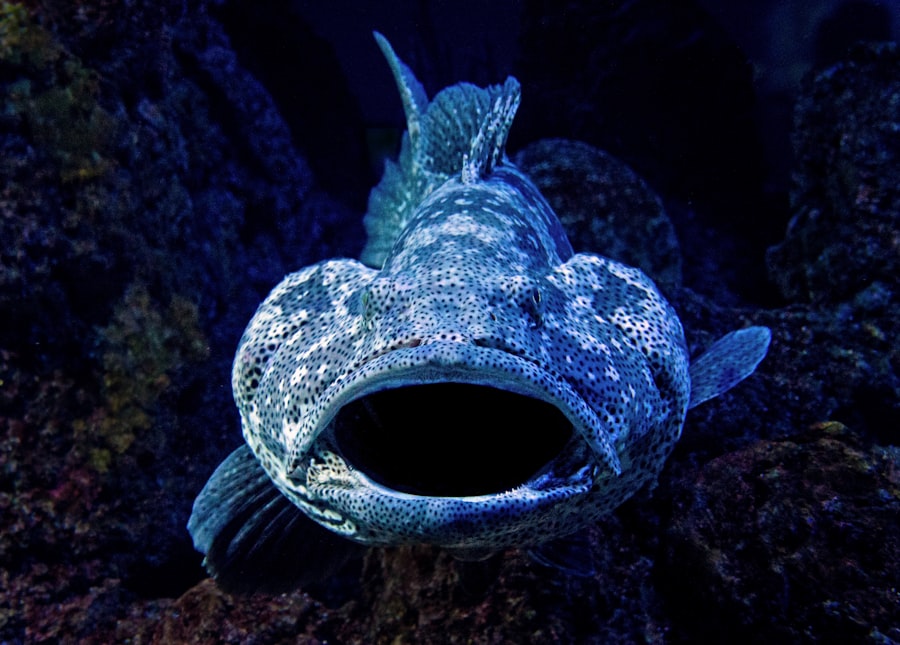
The term “ultra-black” is not merely a descriptor; it signifies a remarkable evolutionary achievement in light absorption. The scientific community has identified specific species that exhibit this extreme level of blackness, prompting in-depth investigations into the underlying mechanisms.
Identifying the Masters of Darkness: Species Spotlight
Several families and species of deep-sea fish are known for their ultra-black coloration. These include certain species of anglerfish, dragonfish, and stargazers. Each has independently evolved this trait, suggesting its significant adaptive value in different deep-sea niches.
The Melanocetus Genus: Anglerfish of the Abyss
The Melanocetus genus, commonly known as black sea devils, are prime examples of ultra-black fish. These anglerfish are characterized by their enormous mouths, sharp teeth, and the bioluminescent esca, or lure, that dangles from a modified dorsal fin spine. Their velvety black skin absorbs nearly all incident light, making them formidable predators in the twilight zone and beyond.
Stomias and the Dragonfish Family: Elusive Hunters
Dragonfish, belonging to the family Stomiidae, are another group that often displays ultra-black coloration. These elongated, slender fish are active hunters, using their bioluminescent photophores for communication, camouflage, and attracting prey. Their dark skins provide a perfect canvas for their internal light shows, while simultaneously rendering them invisible to their targets.
Quantifying Blackness: The Science of Light Absorption
Researchers employ sophisticated techniques to measure the degree of light absorption in these fish. Using spectrophotometers and specialized imaging equipment, they can determine the percentage of light reflected from the fish’s skin. This data helps to classify fish as “ultra-black” when their absorption rates consistently exceed a certain threshold, typically above 99.5%.
Spectrophotometric Analysis: Unveiling the Numbers
Spectrophotometry involves directing a beam of light of known wavelength onto a sample and measuring the amount of light that is transmitted or reflected. For ultra-black fish, this analysis reveals an astonishingly low reflection rate across a broad spectrum of visible light. This provides objective evidence of their light-absorbing capabilities.
Reflectance Imaging: Visualizing the Vanishing Act
Reflectance imaging techniques allow scientists to visualize how light interacts with the surface of the fish. By using different light sources and recording the reflected light, they can map out areas of high and low reflectivity. This has helped to identify the specific skin structures and pigment distributions that contribute to the ultra-black appearance.
Evolutionary Significance and Future Research
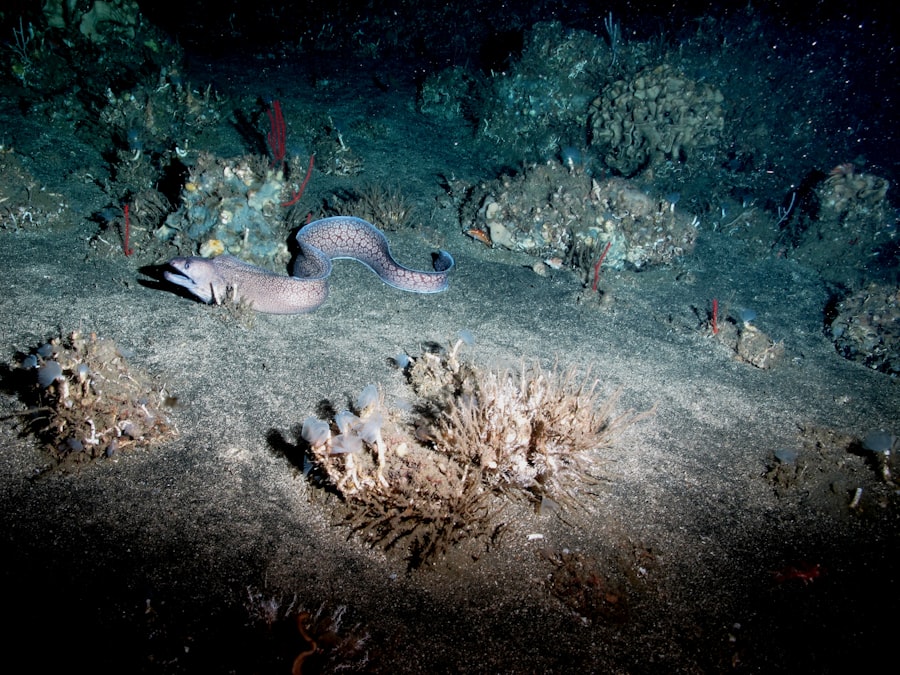
The existence of ultra-black deep-sea fish has profound implications for our understanding of evolution, adaptation, and the potential for life in extreme environments. Ongoing research continues to unlock the secrets of these fascinating creatures, offering insights that could extend far beyond marine biology.
The Arms Race of Evolution: Predator-Prey Dynamics
The development of ultra-black camouflage is a testament to the relentless evolutionary arms race between predators and prey. As predators evolved better ways to detect their quarry, prey species responded with increasingly sophisticated defenses. The ultra-black fish represent a pinnacle of this evolutionary pressure, demonstrating how extreme adaptations can arise to overcome specific environmental challenges.
Counter-Adaptations: The Search for the Invisible
The evolution of ultra-blackness is likely a response to the increasing prevalence of bioluminescence in the deep sea. As more organisms developed the ability to produce light, the need to negate this light for survival became paramount. This created a selective pressure favoring individuals with enhanced light-absorbing capabilities, leading to the specialized skin found in these fish.
The Unseen Battlefield: Bioluminescence vs. Blackness
The deep sea can be viewed as an unseen battlefield where light is both a weapon and a shield. The ultra-black fish have mastered the art of wielding darkness as their primary defense, rendering the light produced by other organisms ineffective. This intricate interplay between bioluminescence and camouflage shapes the ecological dynamics of the abyss.
Biomimicry and Technological Applications
The unique light-absorbing properties of ultra-black fish hold immense potential for technological innovation. Scientists are studying these organisms with the goal of mimicking their biological mechanisms for applications in various fields, from stealth technology to improved solar energy capture.
Stealth Technologies: Evading Detection
The ability of ultra-black fish to absorb nearly all incident light is highly desirable for stealth applications. Researchers are investigating ways to replicate the nanostructures and pigment compositions of these fish to create materials that can absorb light more effectively, making vehicles and other objects less detectable by radar and visual sensors.
Advanced Materials and Optics: New Frontiers in Design
Beyond stealth, the principles behind ultra-blackness could lead to advancements in optical devices, such as telescopes and cameras, where minimizing light reflection is crucial for improving image quality. Furthermore, understanding how these organisms manage light at the cellular level could inspire new approaches to light harvesting and energy conversion.
Unanswered Questions and Future Expeditions
Despite significant progress, much remains unknown about the ultra-black deep-sea fish. Future research will undoubtedly focus on uncovering more about their reproductive strategies, dietary habits, genetic makeup, and their precise ecological roles within the deep-sea ecosystem. Continued exploration of the deep ocean, utilizing advanced submersibles and remotely operated vehicles, is essential for these discoveries.
The Mysteries of Reproduction: Life in the Abyss
Reproduction in the deep sea is often a challenging endeavor due to the vastness of the environment and the scarcity of mates. The reproductive strategies of many ultra-black fish remain largely a mystery, with limited observations of mating rituals or larval development. Unraveling these processes is a key area for future research.
Genetic Clues: The Blueprint of Darkness
Understanding the genetic basis of ultra-blackness is a crucial next step. Scientists aim to identify the genes responsible for the production of melanin and the development of light-absorbing nanostructures. This genetic insight could provide a deeper understanding of the evolutionary pathways that led to these remarkable adaptations.
The ultra-black deep-sea fish are not just curiosities of nature; they are living laboratories, pushing the boundaries of what we understand about life’s resilience and adaptability. Their silent, shadowy existence in the planet’s deepest trenches serves as a constant reminder of the vast, unexplored frontiers that still exist on Earth, and the incredible innovations that nature has already devised. As technology advances and our ability to explore the deep ocean improves, we can anticipate further revelations from this mysterious and captivating world.

The Deeper You Go, the Less Life Looks Like Life
FAQs
What is an ultra black deep sea fish?
An ultra black deep sea fish is a type of fish that has evolved to have extremely dark skin or scales, which helps them blend into the dark depths of the ocean. This adaptation allows them to avoid predators and sneak up on their own prey.
How do ultra black deep sea fish achieve their dark coloration?
Ultra black deep sea fish achieve their dark coloration through a combination of factors, including the presence of pigment cells called melanophores, specialized light-absorbing structures in their skin, and the ability to control the reflection and absorption of light.
What are some examples of ultra black deep sea fish?
Some examples of ultra black deep sea fish include the Pacific blackdragon (Idiacanthus antrostomus), the stoplight loosejaw (Malacosteus niger), and the fangtooth (Anoplogaster cornuta). These fish are found in the deep ocean and have evolved their ultra black coloration to survive in their dark environment.
What are the advantages of being ultra black for deep sea fish?
The ultra black coloration of deep sea fish provides several advantages, including camouflage from predators and prey, the ability to absorb and minimize the reflection of bioluminescent light produced by other deep sea creatures, and the potential to enhance their vision in low-light conditions.
How do ultra black deep sea fish adapt to their extreme environment?
Ultra black deep sea fish have adapted to their extreme environment through their dark coloration, specialized sensory organs, and unique feeding strategies. They have also developed physiological and behavioral adaptations to survive in the high-pressure, low-temperature, and low-oxygen conditions of the deep ocean.